By Zeke Miller
President Donald Trump announced Thursday that he has canceled segments of the Republican National Convention scheduled for Florida next month, citing a "flare-up" of the coronavirus. Convention events will still be held in North Carolina.
"To have a big convention is not the right time," Trump said of Jacksonville.
Trump moved parts of the GOP convention to Florida last month amid a dispute with North Carolina's Democratic leaders over holding an event indoors with maskless supporters. But those plans were steadily scaled back as virus cases spiked in Florida and much of the country over the last month.
A small subset of GOP delegates will still gather in Charlotte, North Carolina, to formally renominate Trump on Aug. 24. Trump said he would deliver an acceptance speech in an alternate form.
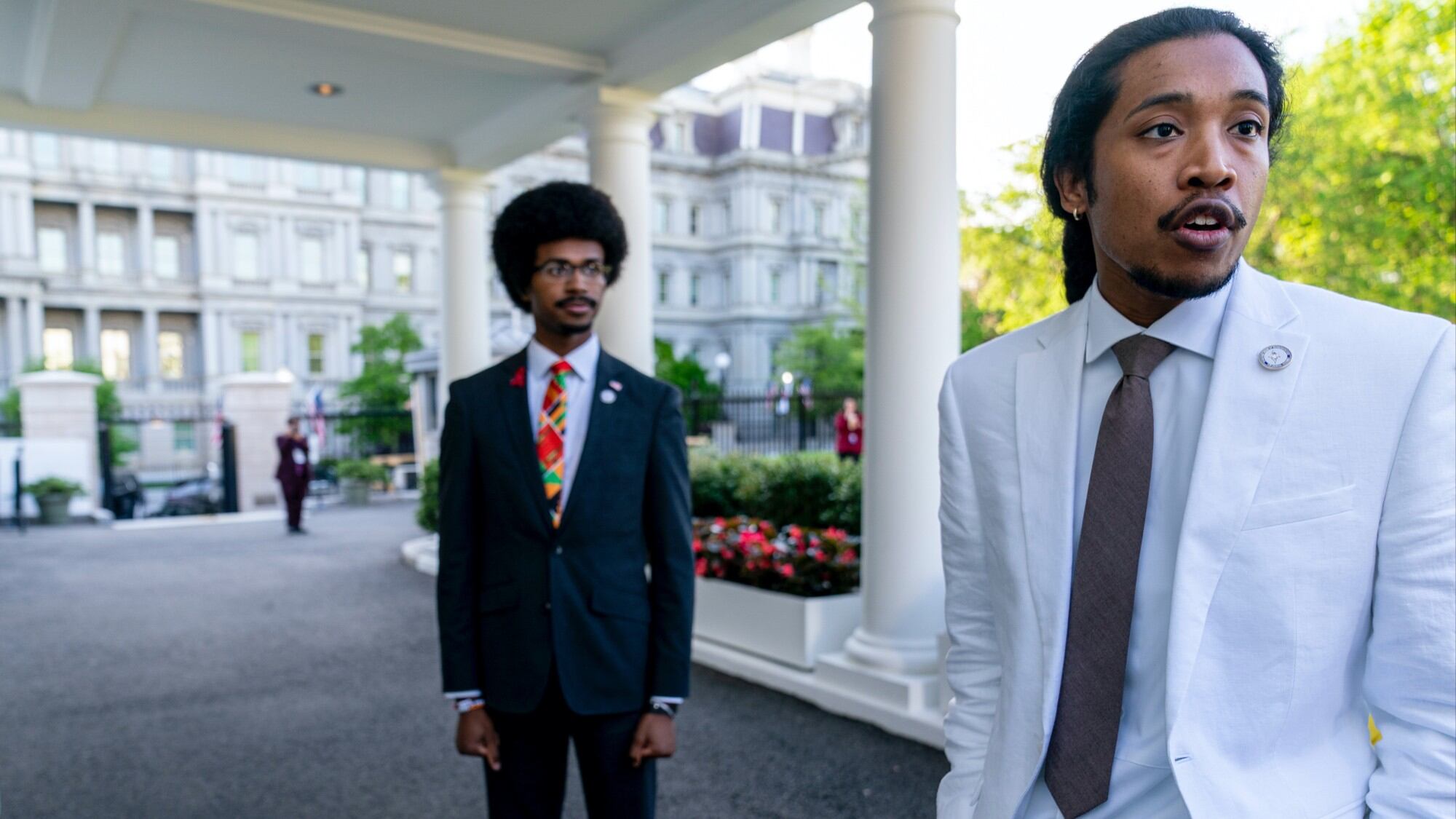
Republican lawmakers voted to temporarily silence a member of the so-called 'Tennessee Three' during a House session on Monday.
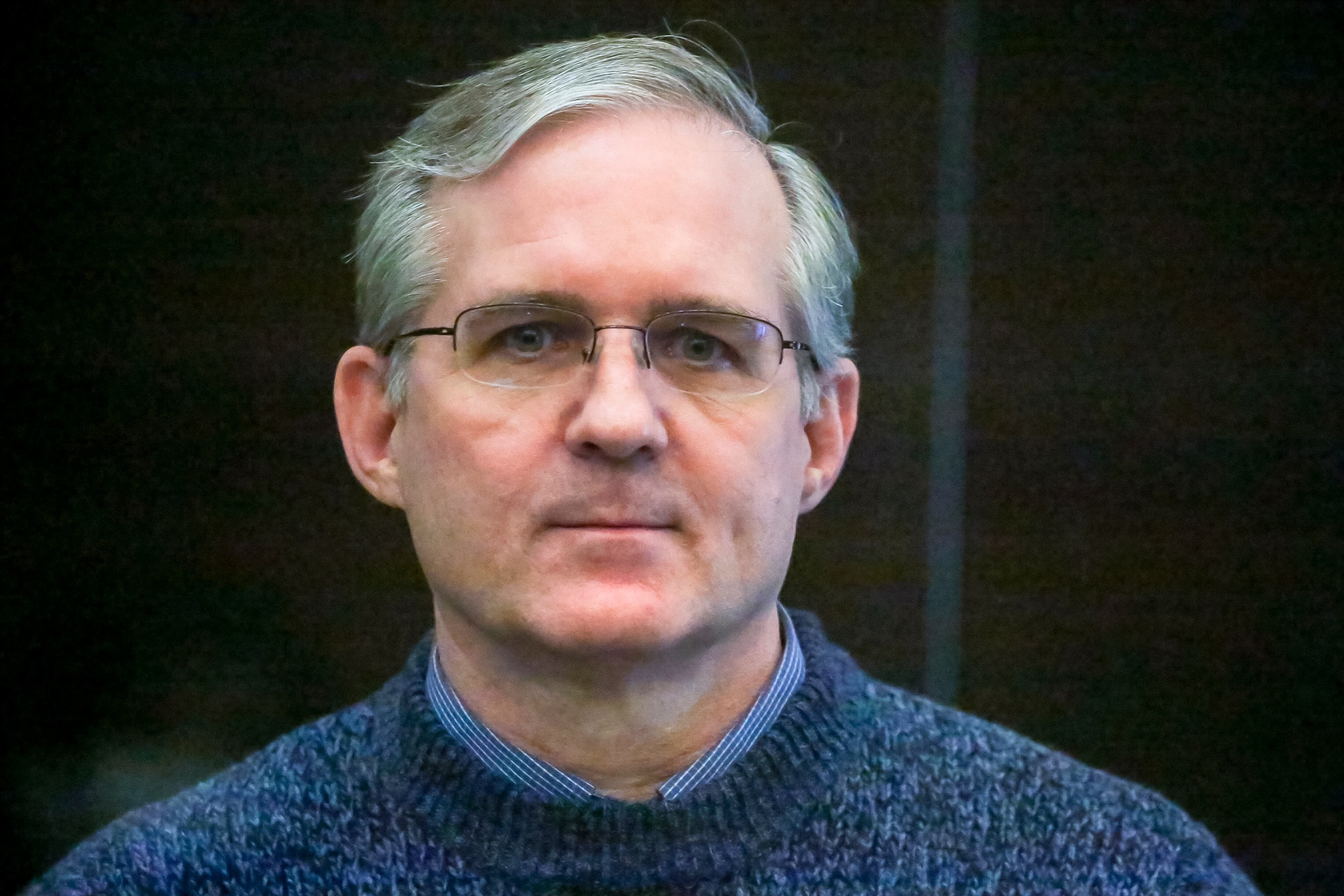
New video showed detained American Paul Whelan inside a Russian prison camp.
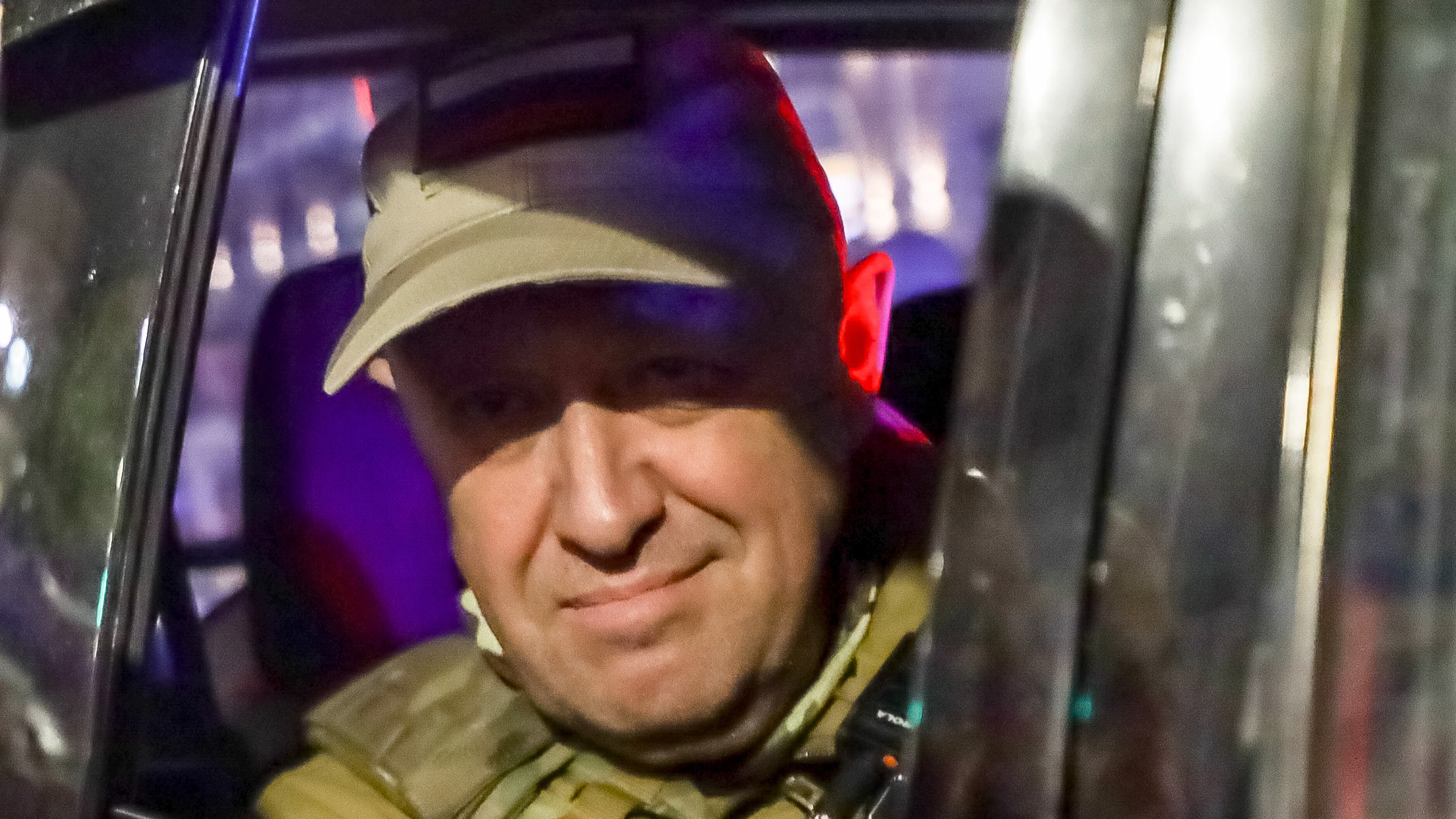
Russian President Vladimir Putin will not attend mercenary chief Yevgeny Prigozhin's funeral, according to the Kremlin.
The Biden administration is targeting the blood thinner Eliquis, diabetes treatment Jardiance and eight other medications for Medicare's first-ever drug price negotiations as it seeks to lower medical costs for Americans.
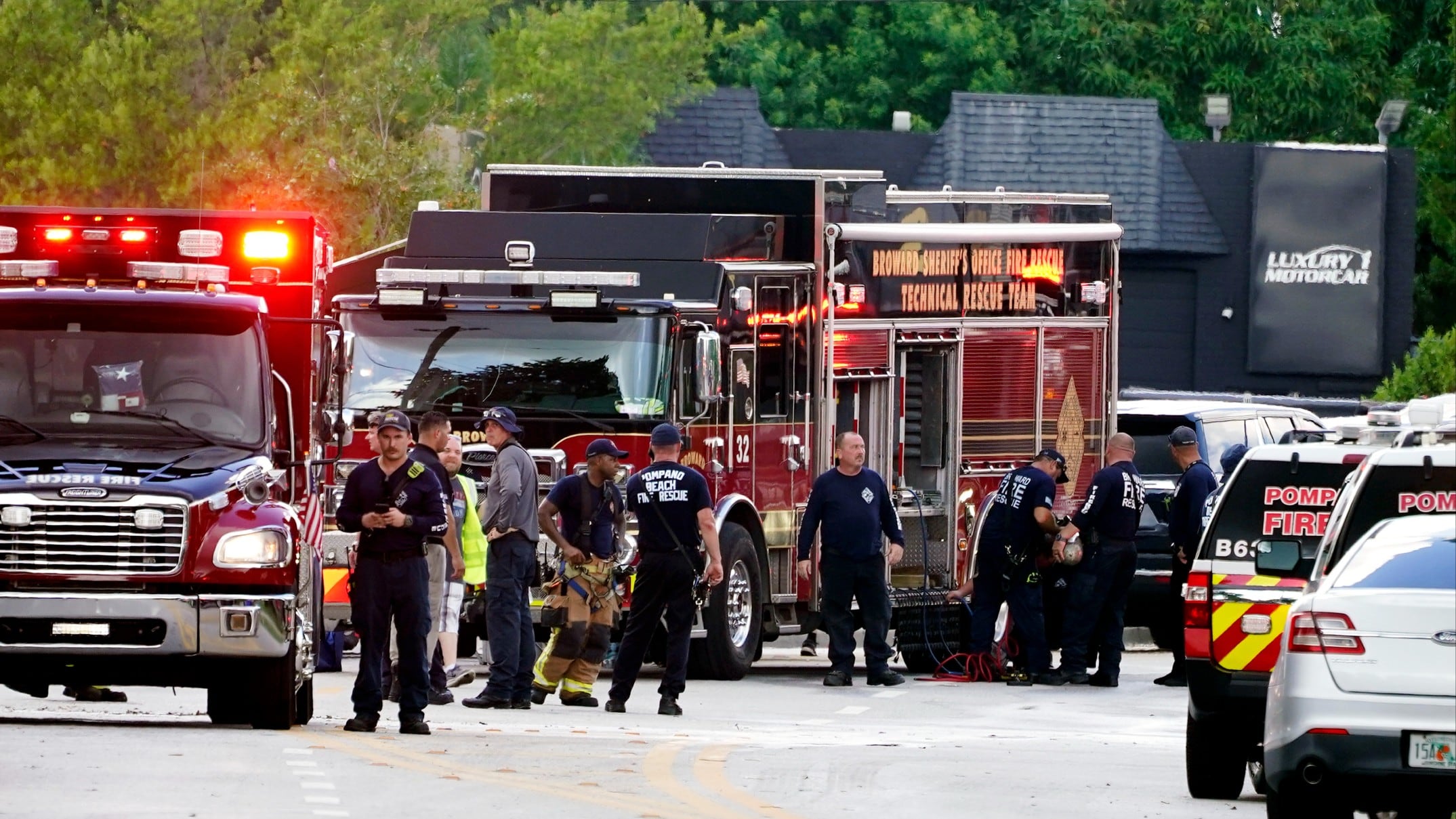
A medical rescue helicopter caught fire and broke apart shortly after takeoff Monday before crashing into an apartment complex near Fort Lauderdale, killing a paramedic captain on board and a resident on the ground, authorities said.
A report showed that 2022 saw a record number of requests to ban books at U.S. public schools.
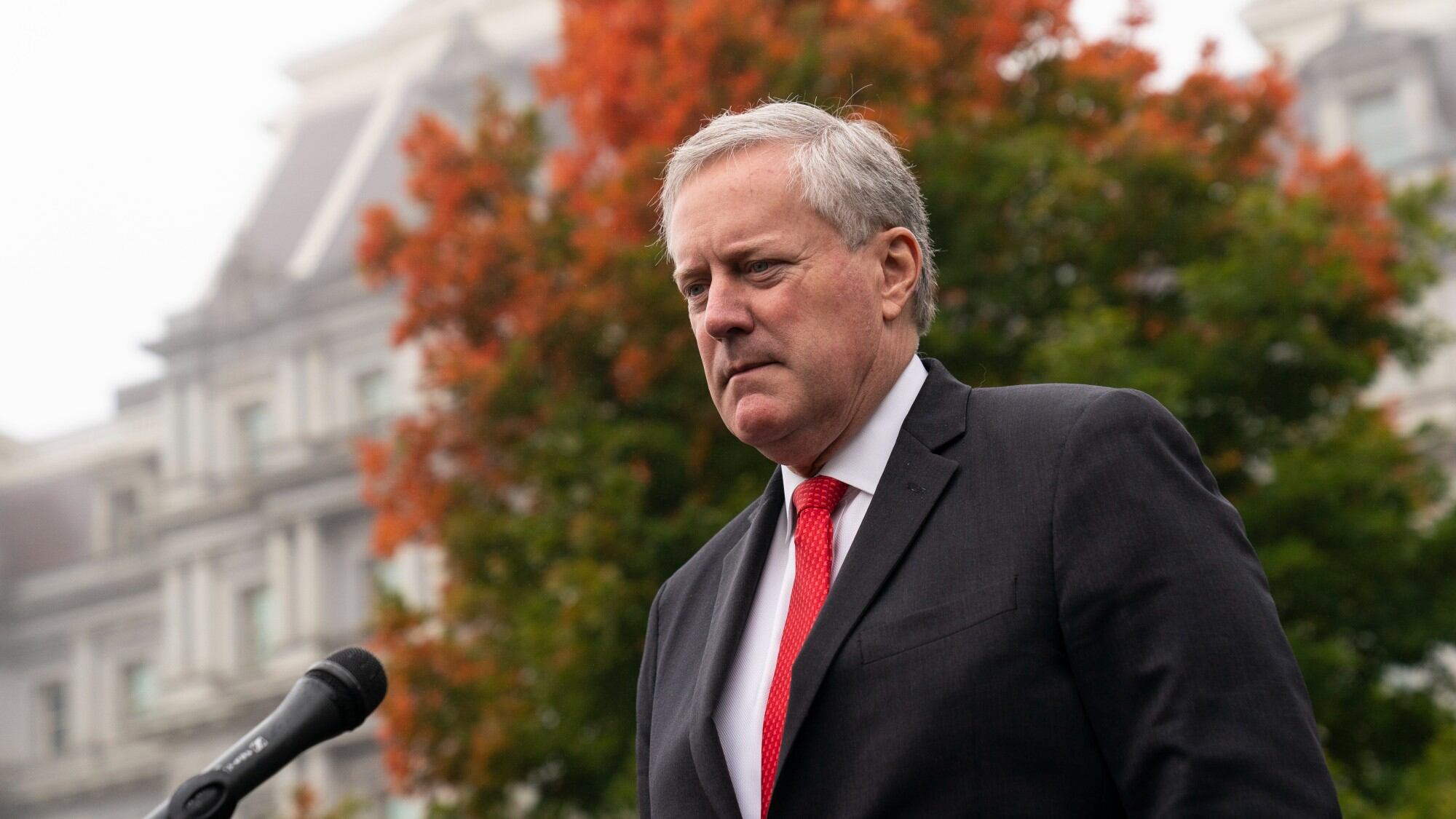
A federal judge heard arguments on whether to move the case for Mark Meadows to federal court from state.
Former President Donald Trump and the 18 people indicted along with him in Georgia are scheduled to be arraigned next week on charges they participated in a wide-ranging illegal scheme to overturn the results of the 2020 election.
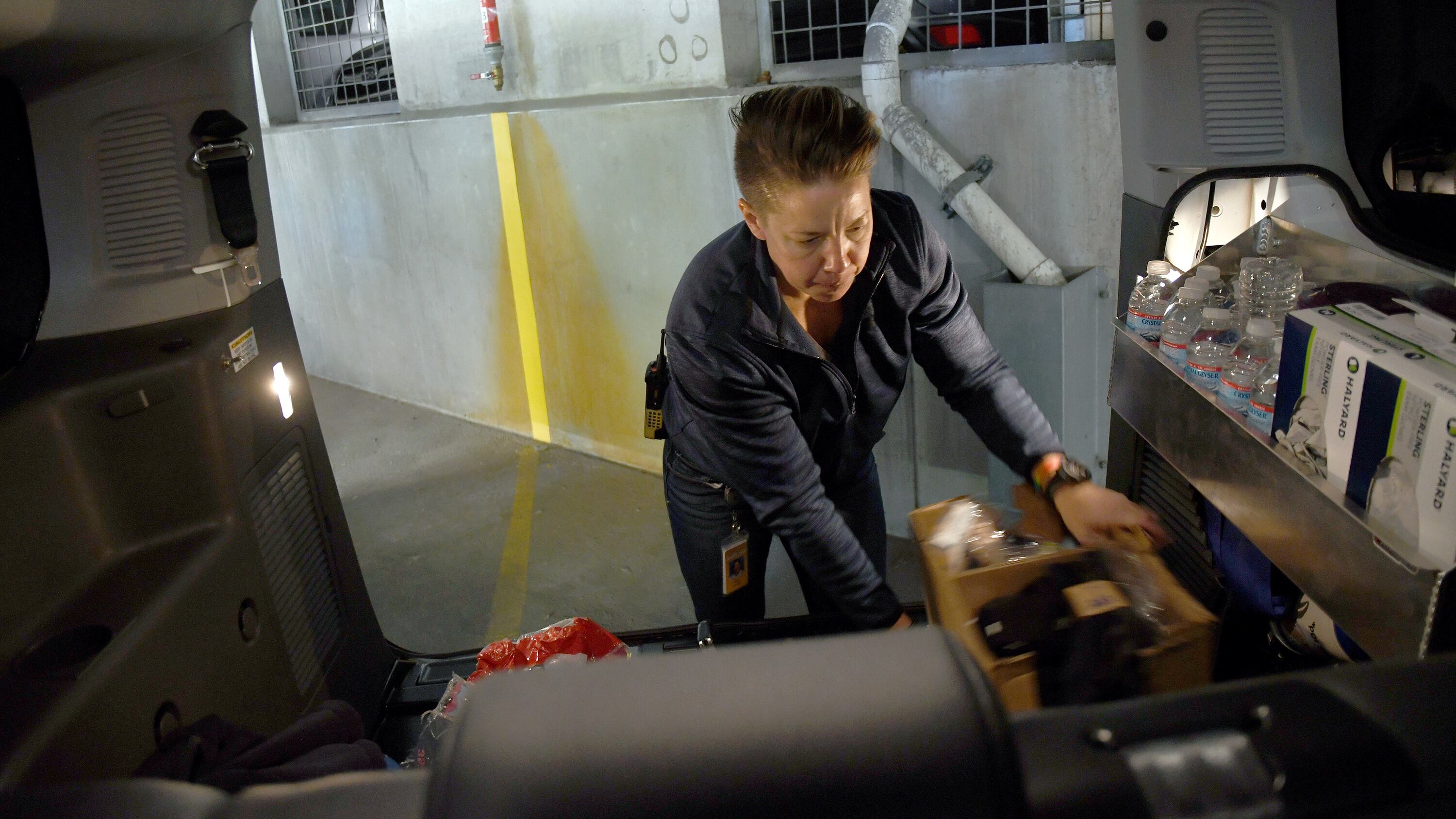
Data gathered by The Associated Press show at least 14 of the 20 most populous U.S. cities are hosting or starting programs, sometimes called civilian, alternative or non-police response teams.
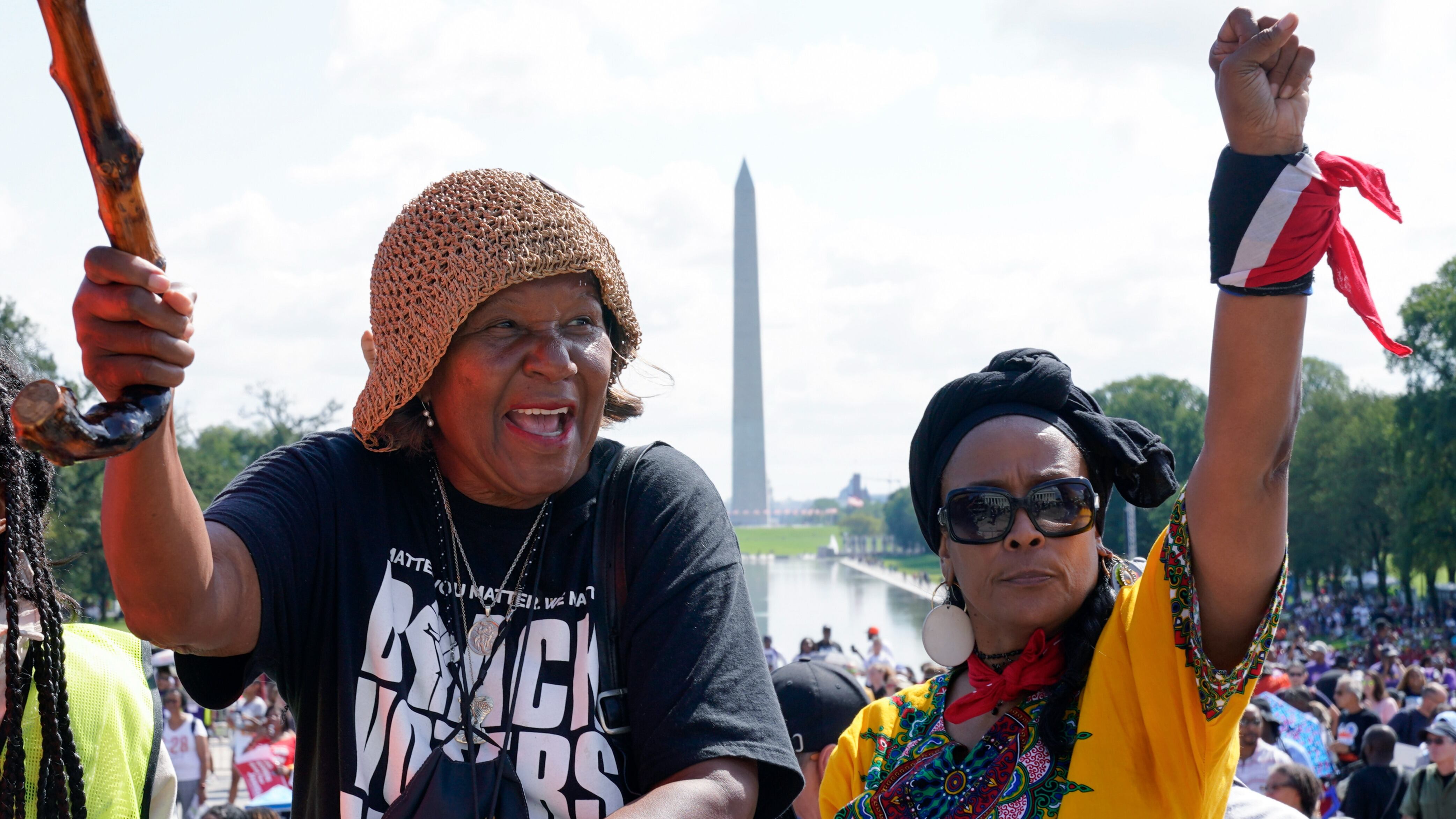
The original march in 1963 drew as many as 250,000 people and helped pave the way for the passage of federal civil rights and voting rights legislation in the next few years.