President Donald Trump speaks during a news conference at the White House, Thursday, July 23, 2020, in Washington. (AP Photo/Evan Vucci)
By Zeke Miller
President Donald Trump announced Thursday that he has canceled segments of the Republican National Convention scheduled for Florida next month, citing a "flare-up" of the coronavirus. Convention events will still be held in North Carolina.
"To have a big convention is not the right time," Trump said of Jacksonville.
Trump moved parts of the GOP convention to Florida last month amid a dispute with North Carolina's Democratic leaders over holding an event indoors with maskless supporters. But those plans were steadily scaled back as virus cases spiked in Florida and much of the country over the last month.
A small subset of GOP delegates will still gather in Charlotte, North Carolina, to formally renominate Trump on Aug. 24. Trump said he would deliver an acceptance speech in an alternate form.
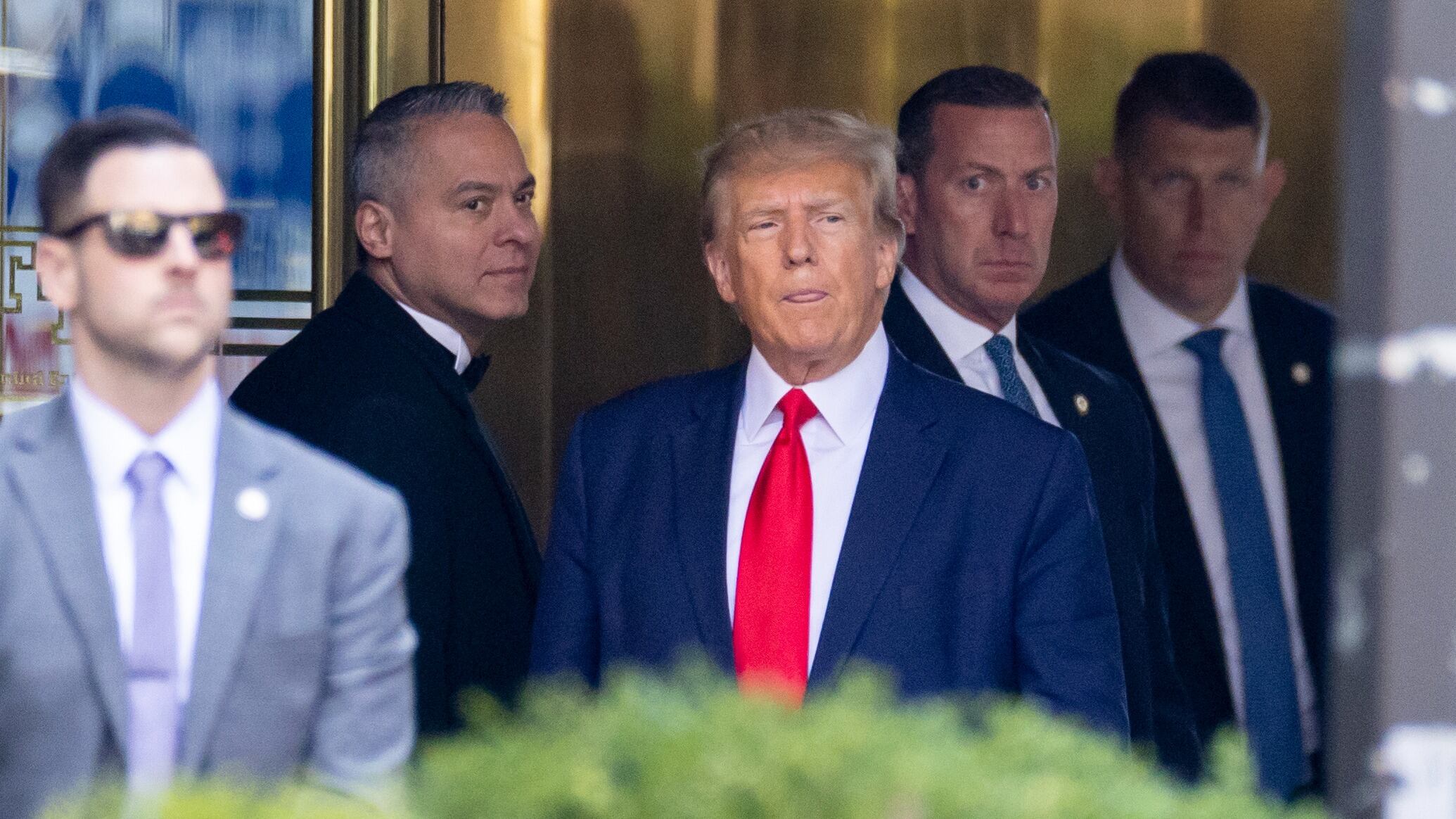
Former President Donald Trump answered questions for nearly seven hours Thursday during his second deposition in a legal battle with New York's attorney general over his company's business practices, reversing an earlier decision to invoke his Fifth Amendment protection against self-incrimination and remain silent.
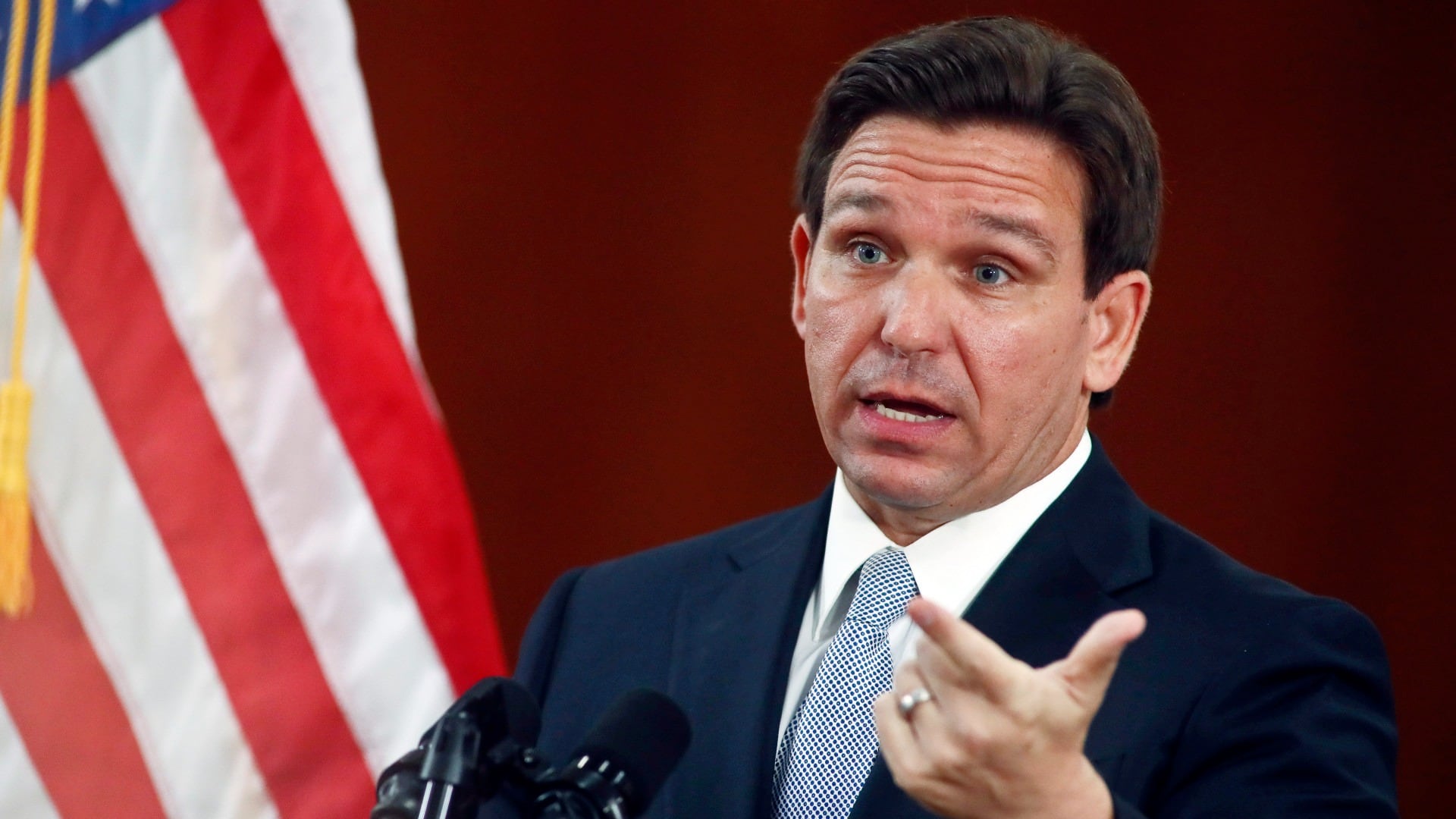
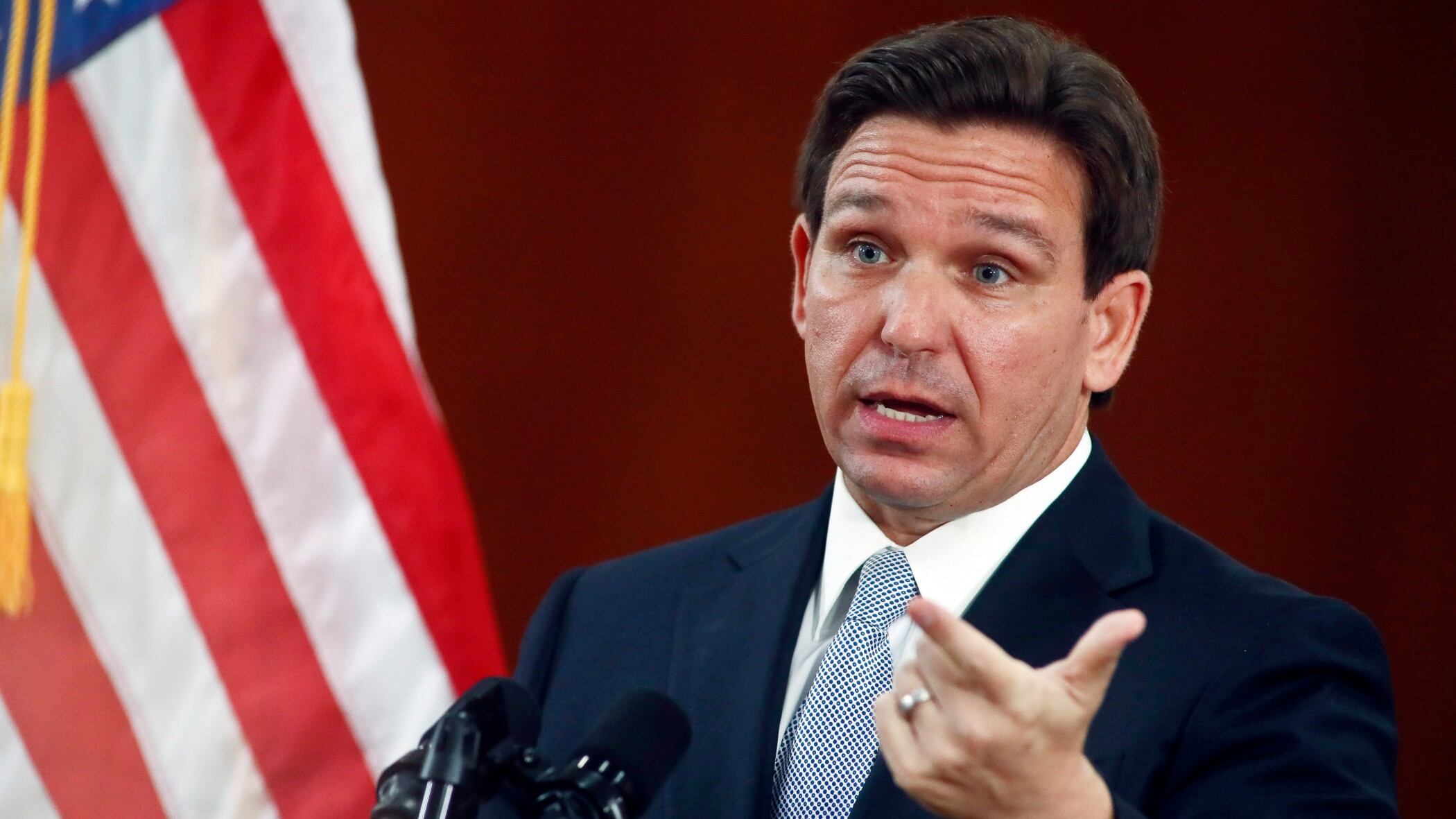
Republican Gov. Ron DeSantis has signed into law a bill approved by the Republican-dominated Florida Legislature to ban abortions after six weeks of pregnancy.
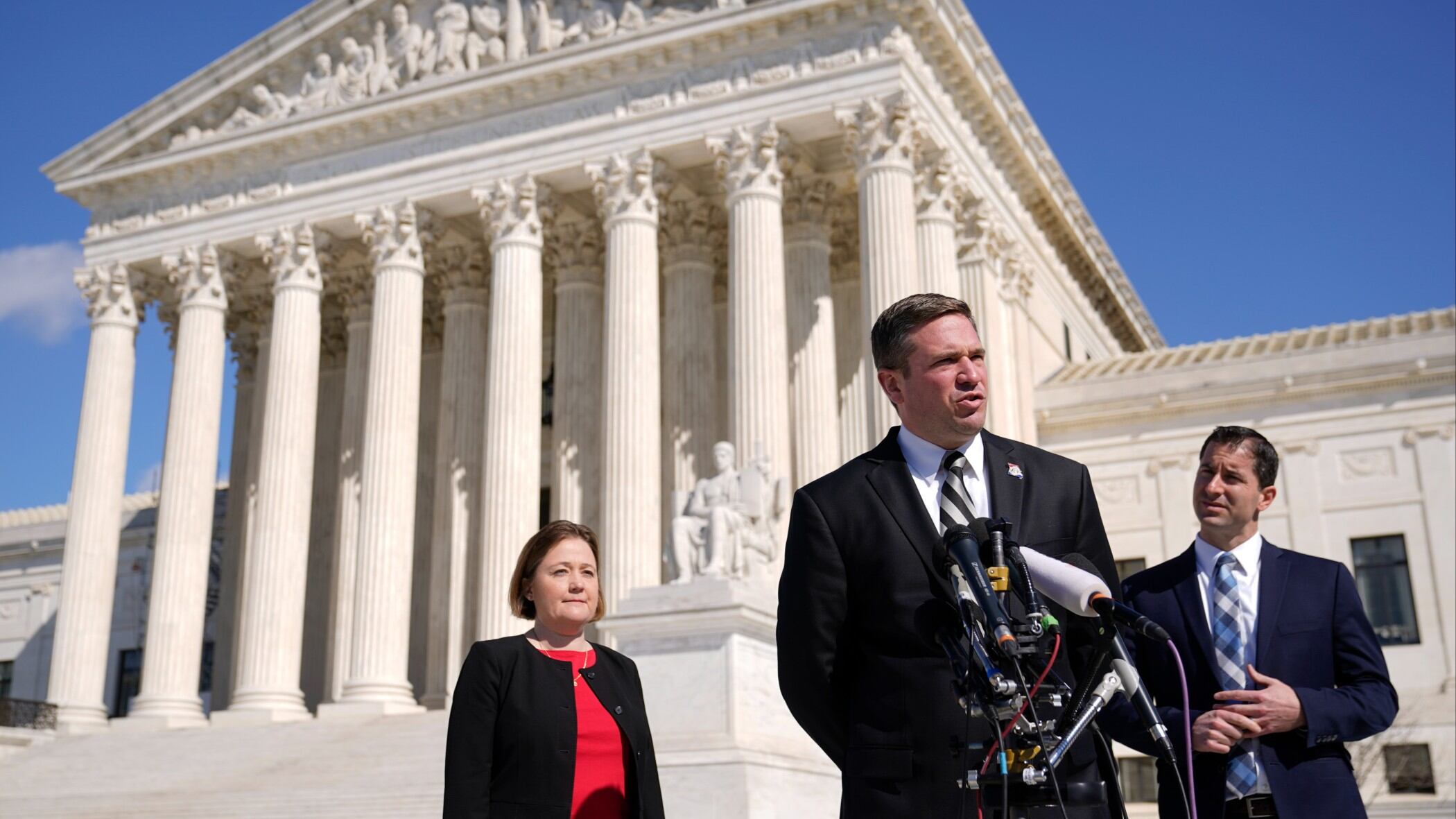
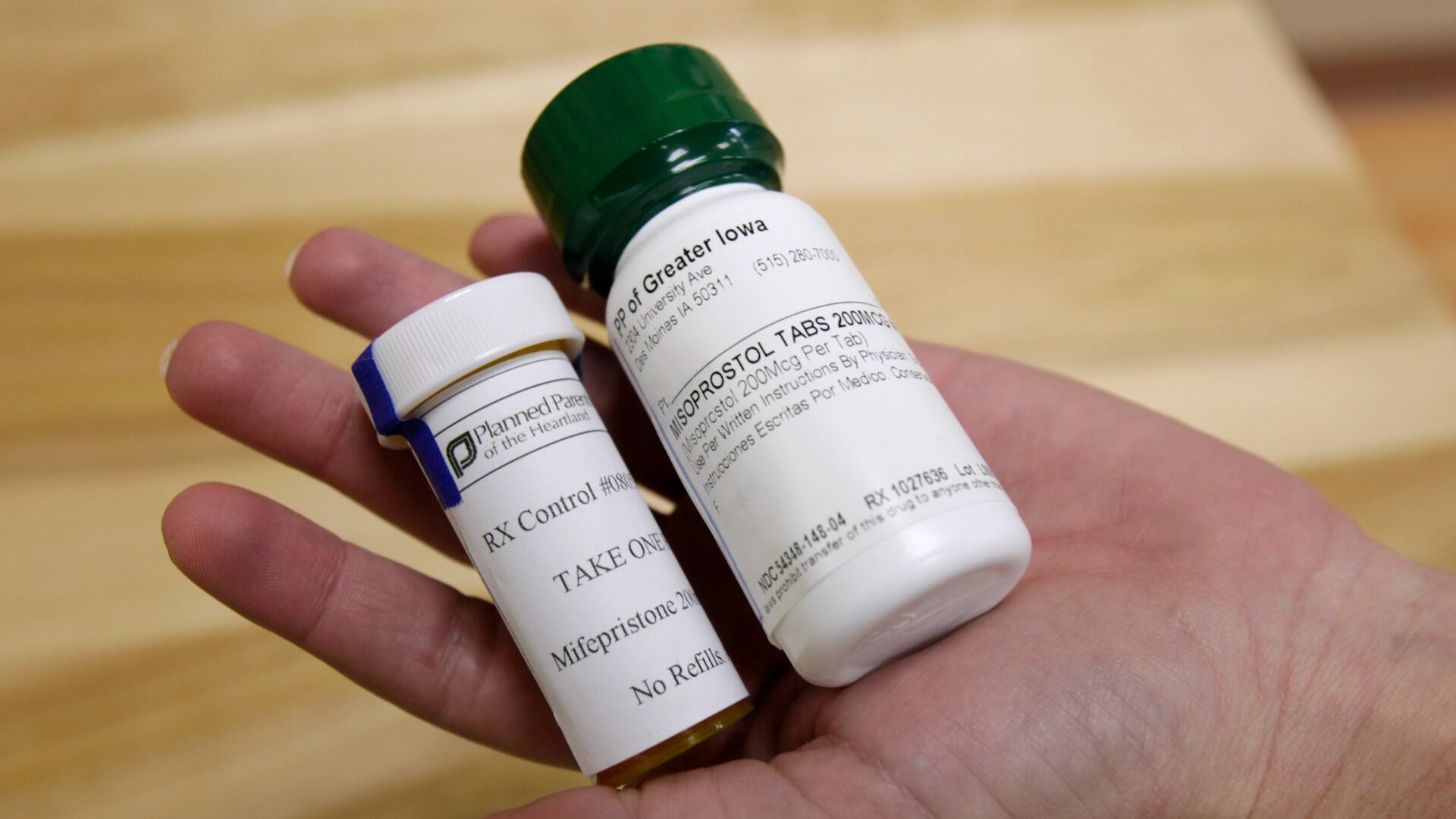
A federal appeals court has ruled that the abortion pill mifepristone can still be used for now but reduced the period of pregnancy when the drug can be taken and said it could not be dispensed by mail.
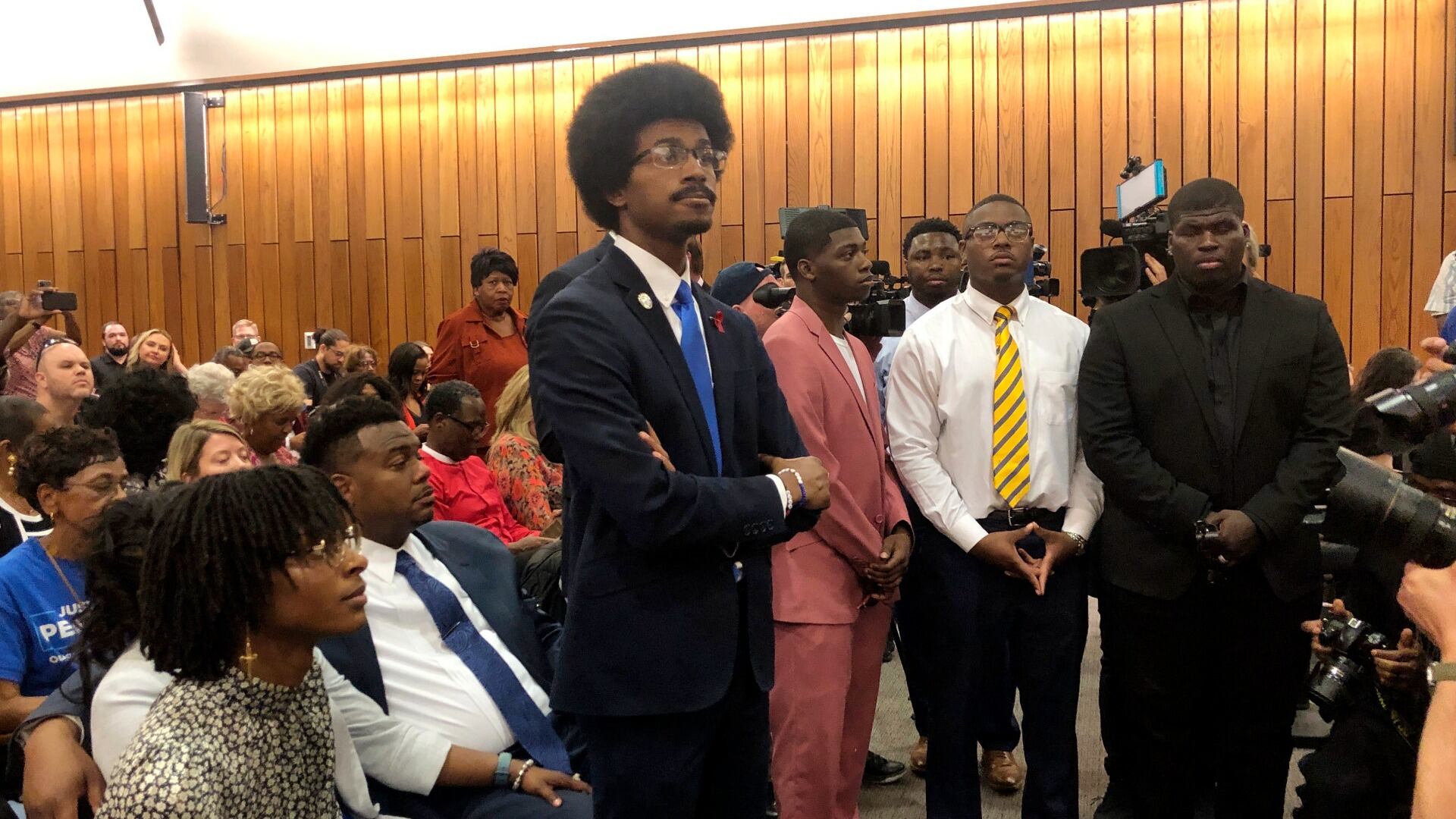
The second of two Black Democrats expelled from the Republican-led Tennessee House will return to the Legislature after a Memphis commission voted to reinstate him Wednesday.
Some abortion clinics are fielding lots of calls from patients since a court ruling last Friday threatened the availability of a main drug used in medication abortion, mifepristone.
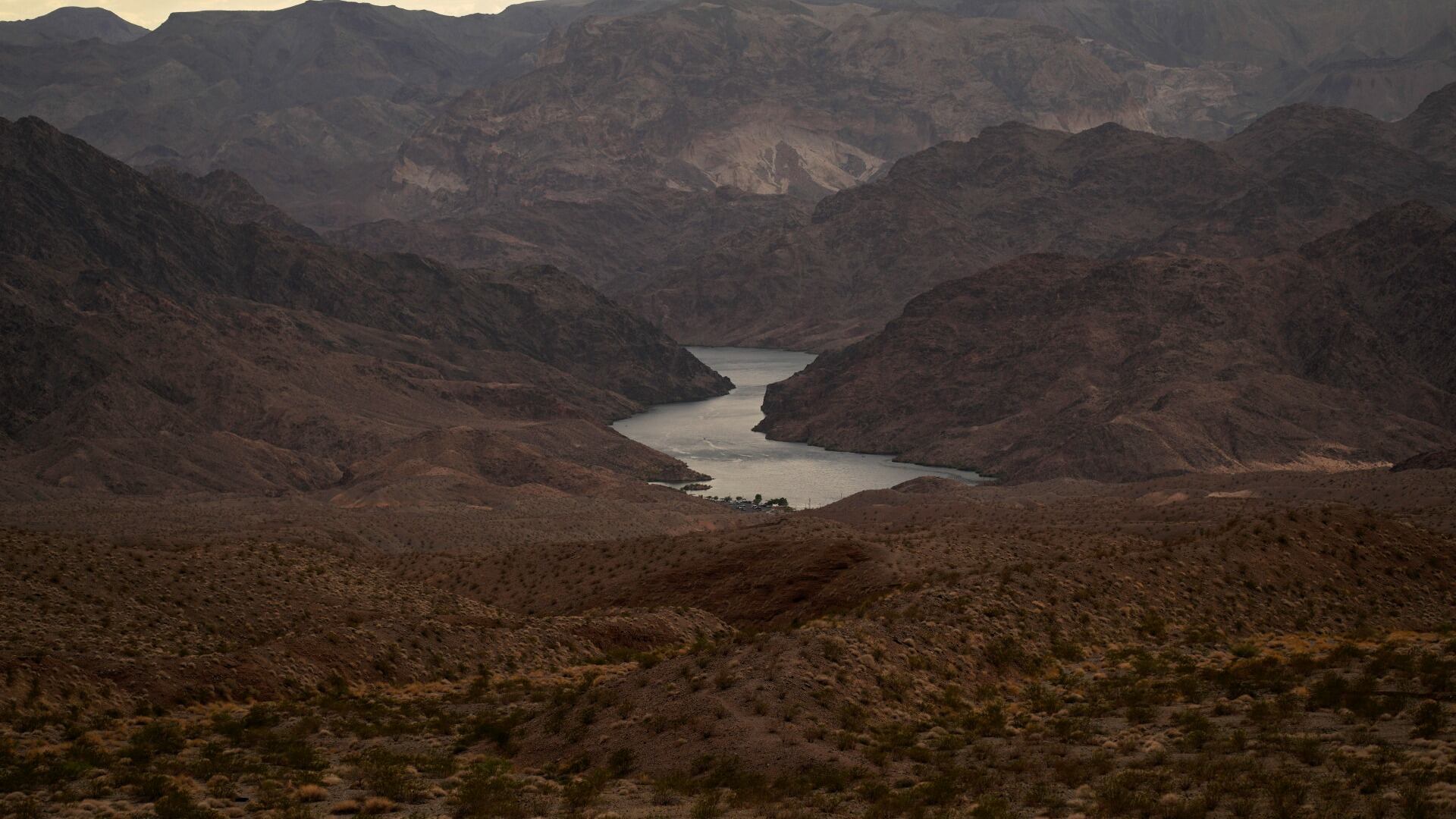
The Biden administration released an environmental analysis Tuesday that outlined two ways that seven Western states and tribes reliant on the over-tapped Colorado River could cut their use, but declined to publicly take a side on the best option.