President Donald Trump speaks during a news conference at the White House, Thursday, July 23, 2020, in Washington. (AP Photo/Evan Vucci)
By Zeke Miller
President Donald Trump announced Thursday that he has canceled segments of the Republican National Convention scheduled for Florida next month, citing a "flare-up" of the coronavirus. Convention events will still be held in North Carolina.
"To have a big convention is not the right time," Trump said of Jacksonville.
Trump moved parts of the GOP convention to Florida last month amid a dispute with North Carolina's Democratic leaders over holding an event indoors with maskless supporters. But those plans were steadily scaled back as virus cases spiked in Florida and much of the country over the last month.
A small subset of GOP delegates will still gather in Charlotte, North Carolina, to formally renominate Trump on Aug. 24. Trump said he would deliver an acceptance speech in an alternate form.
U.S. states could face some hurdles as they experiment with road usage charging programs aimed at one day replacing motor fuel taxes, which are generating less each year, in part due to fuel efficiency and the rise of electric cars.
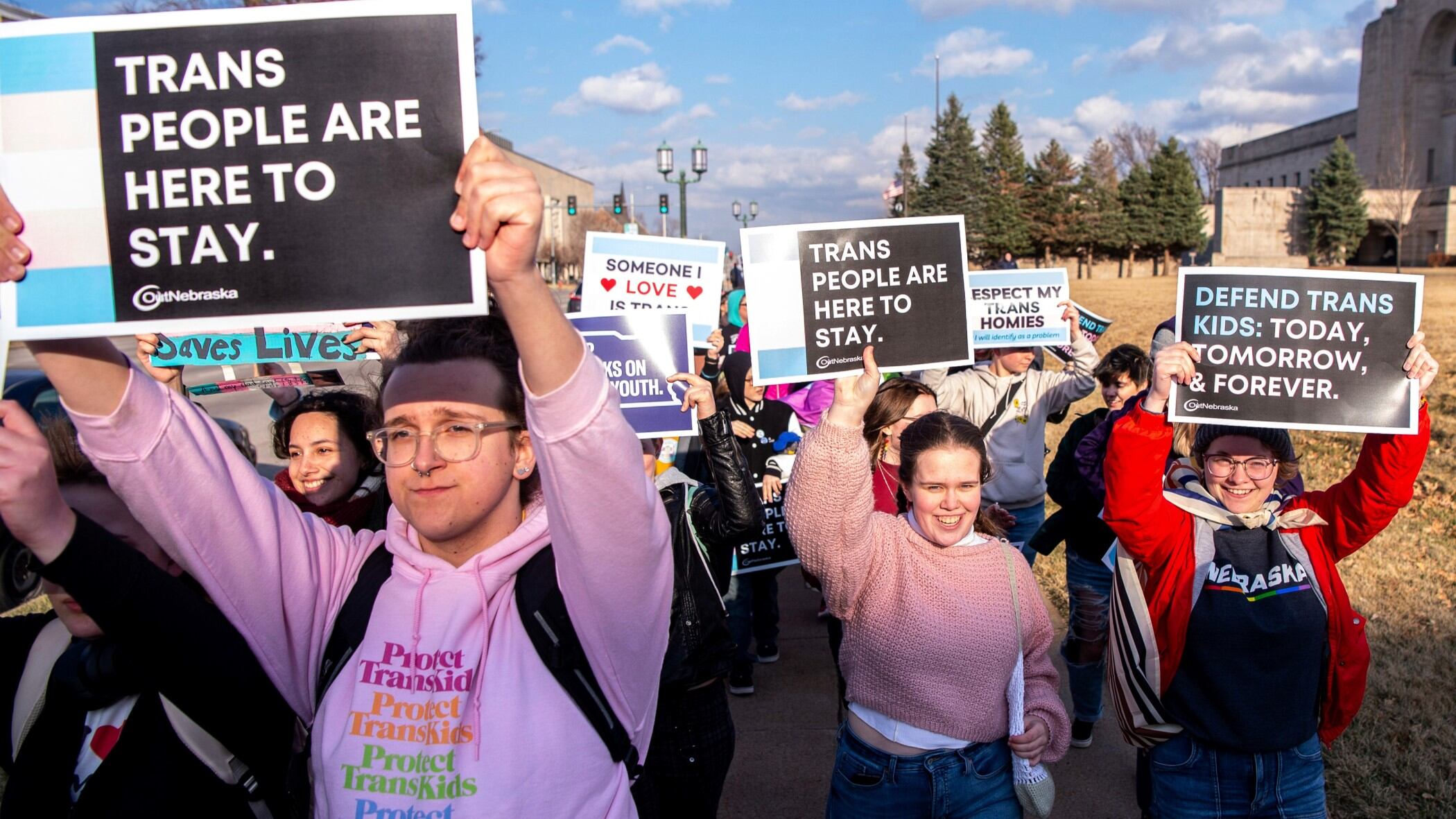
The defiance of restrictions in North Dakota on what bathrooms transgender students can use in public schools and universities shows that it's not exactly clear how bathroom laws will play out in local communities after being enacted in at least 10 states with Republican-controlled legislatures.
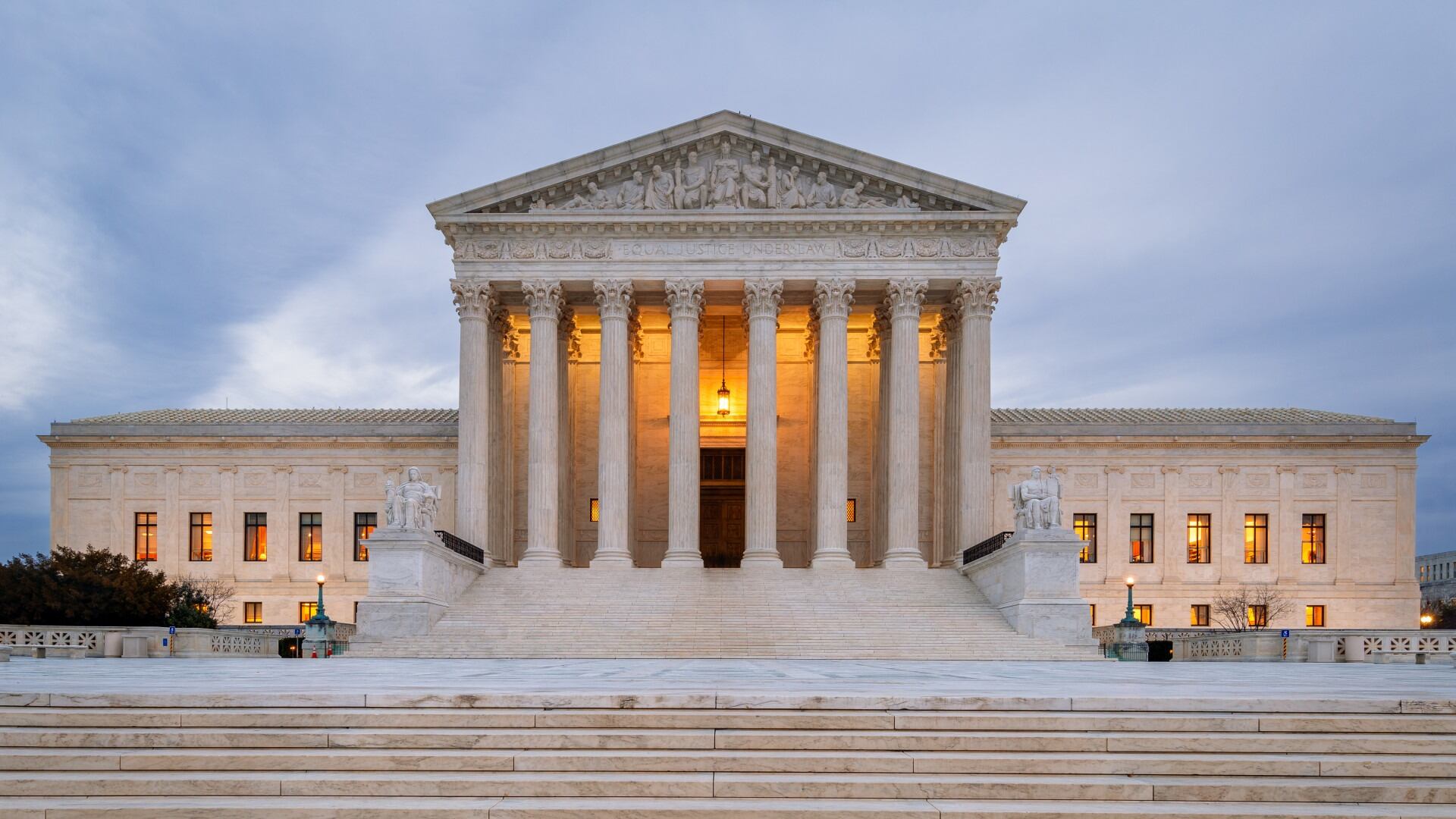
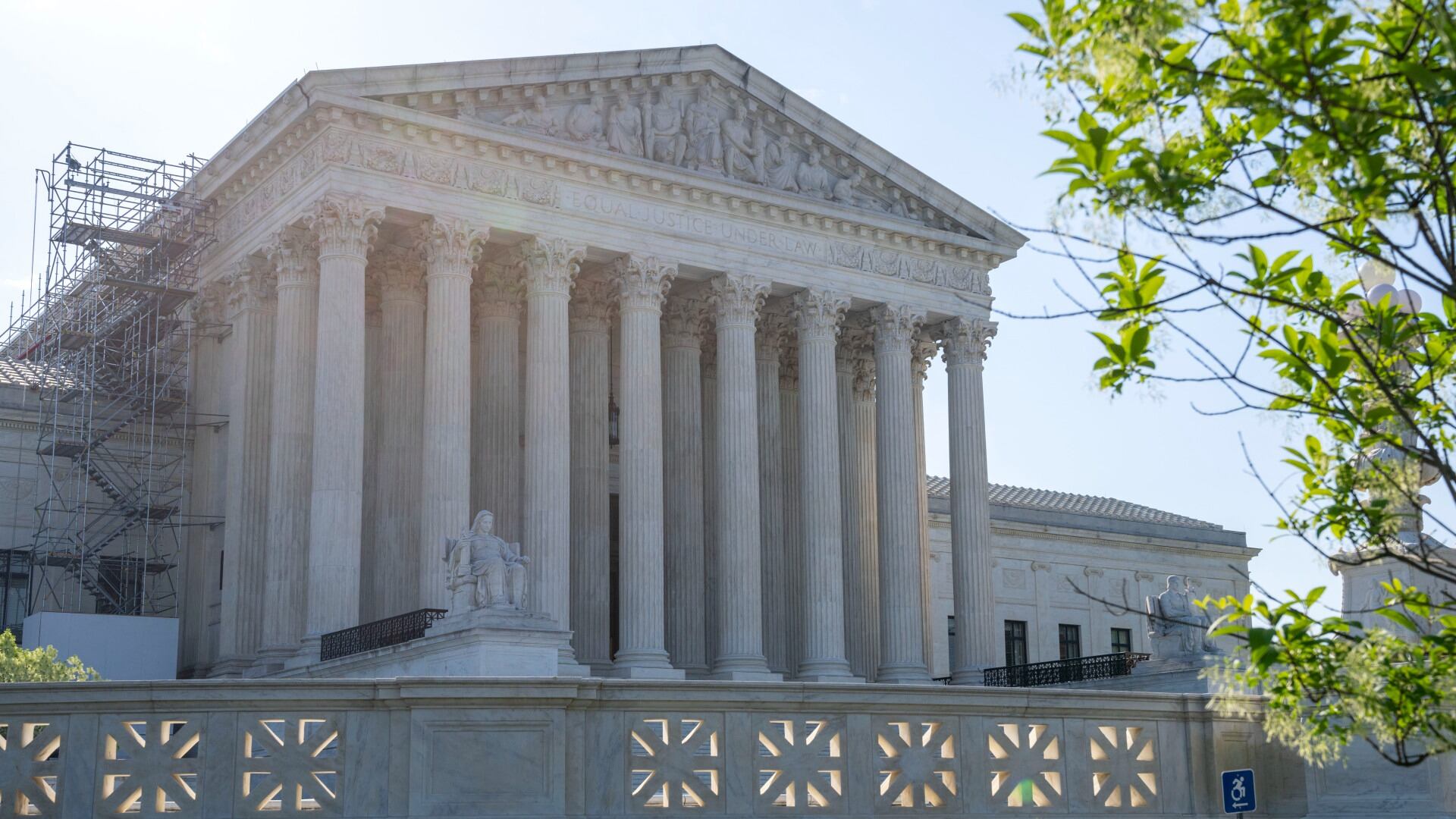
The Supreme Court on Monday left in place an appellate ruling barring a North Carolina public charter school from requiring girls to wear skirts to school.
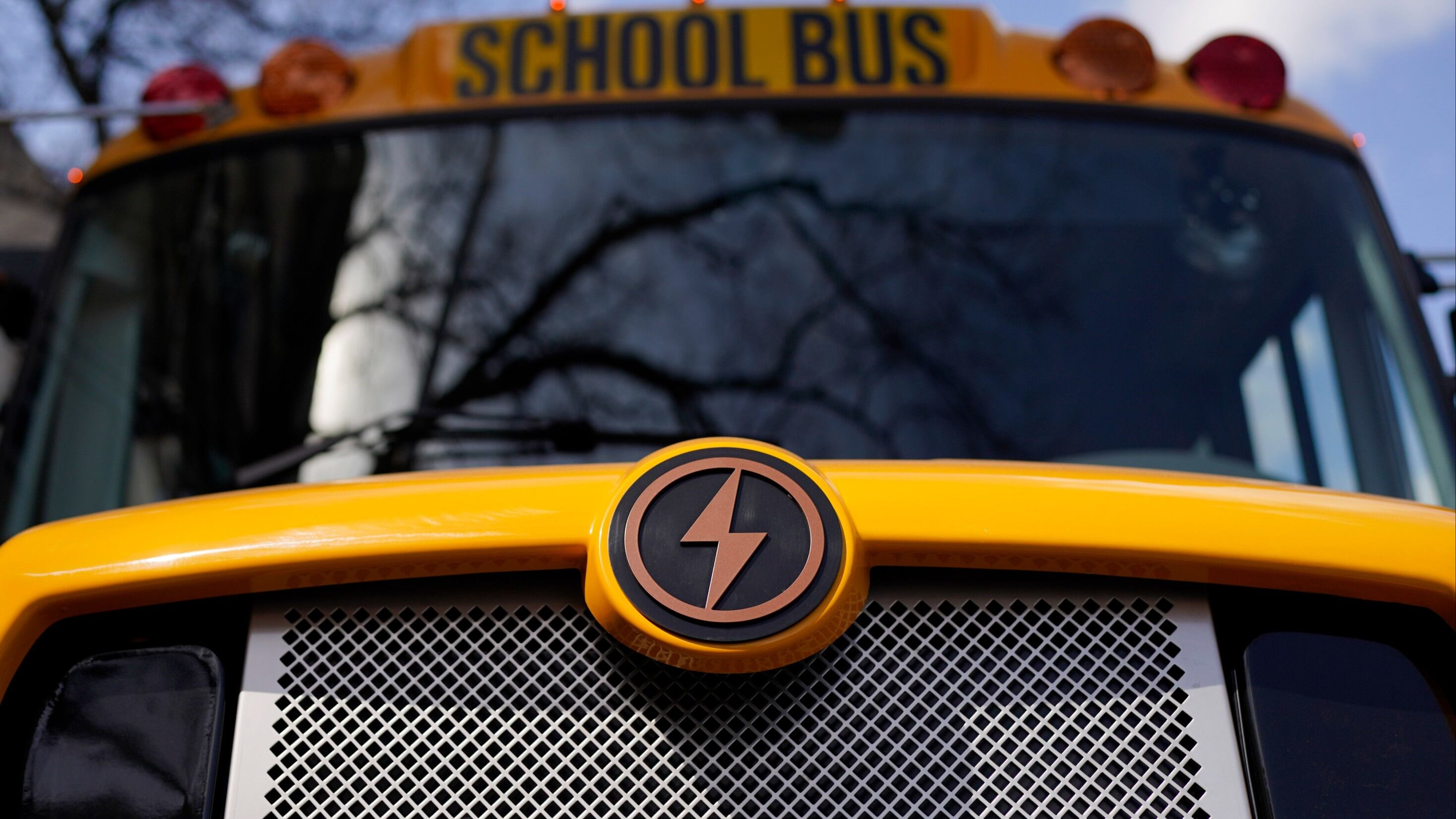
The U.S. Department of Transportation is awarding almost $1.7 billion in grants for buying zero- and low-emission buses, with the money going to transit projects in 46 states and territories.
Vice President Kamala Harris said Supreme Court conservatives caused a healthcare crisis in America and blasted abortion bans in Republican-led states.
To many observers, the efforts to roll back two policies that disproportionately help Black students and other students of color reflect a backlash to racial progress in higher education.