*By Carlo Versano*
Markets were higher across the board Monday after President Trump announced his framework for a trade deal with Mexico that he hopes will replace NAFTA. The Nasdaq marked its first-ever close above 8,000, and the Dow rose more than a percent, crossing the 26,000 mark for the first time since Feb. 2.
The announcement from Trump in the Oval Office ー with Mexican President Enrique Peña Nieto on the phone ー could ease concerns among American manufacturers that the administration's tough stance on trade could scuttle the chance for a reworked NAFTA deal.
Trump said Monday that he wanted the new agreement to be called the "United States-Mexico Trade Agreement."
"NAFTA has a lot of bad connotations for us, because it was a rip off," he said.
Canada has stayed conspicuously absent from this round of negotiations. No foundation with the Canadians was established for an expanded North American deal.
President Peña Nieto [tweeted](https://twitter.com/EPN/status/1034089218220249088) that he was angling to get the Canadians back to the table. Trump said "we'll see" if Canada can be part of an expanded deal.
A spokesman for Canada's foreign minister replied: "We will only sign a new NAFTA that is good for Canada and good for the middle class. Canada’s signature is required."
Stocks fell in the opening session Tuesday as earnings reports continued to pour in and as investors brace for the Federal Reserve's interest-rate decision on Wednesday.
A flow of recent data from the U.S. government has made one thing strikingly clear: A surge in consumer spending is fueling strong growth, demonstrating a resilience that has confounded economists, Federal Reserve officials and even the sour sentiments that Americans themselves have expressed in opinion polls.
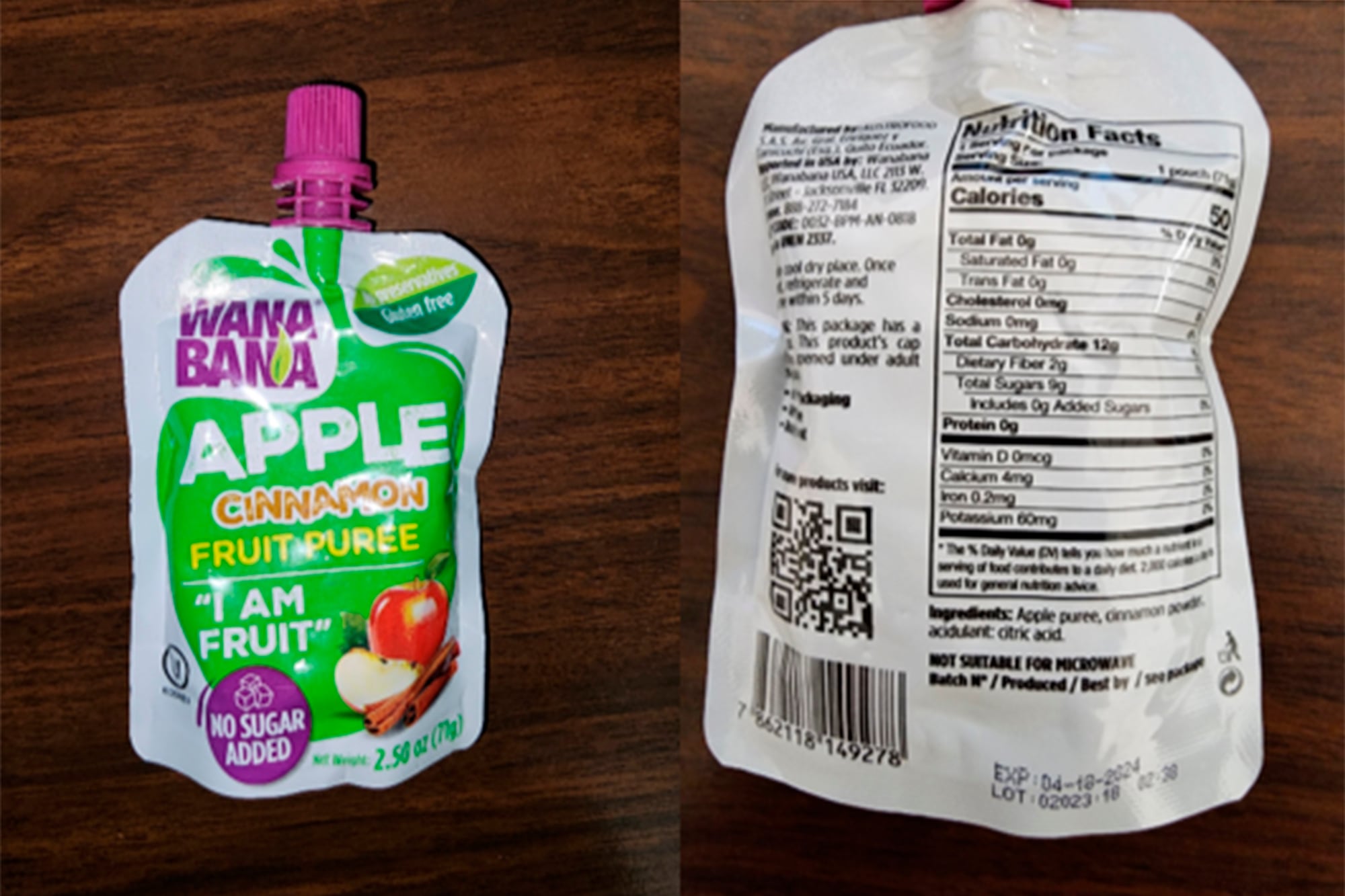
The U.S. Food and Drug Administration is warning parents and caregivers not to buy or serve certain pureed fruit pouches marketed to toddlers and young children because the food might contain dangerous levels of lead.
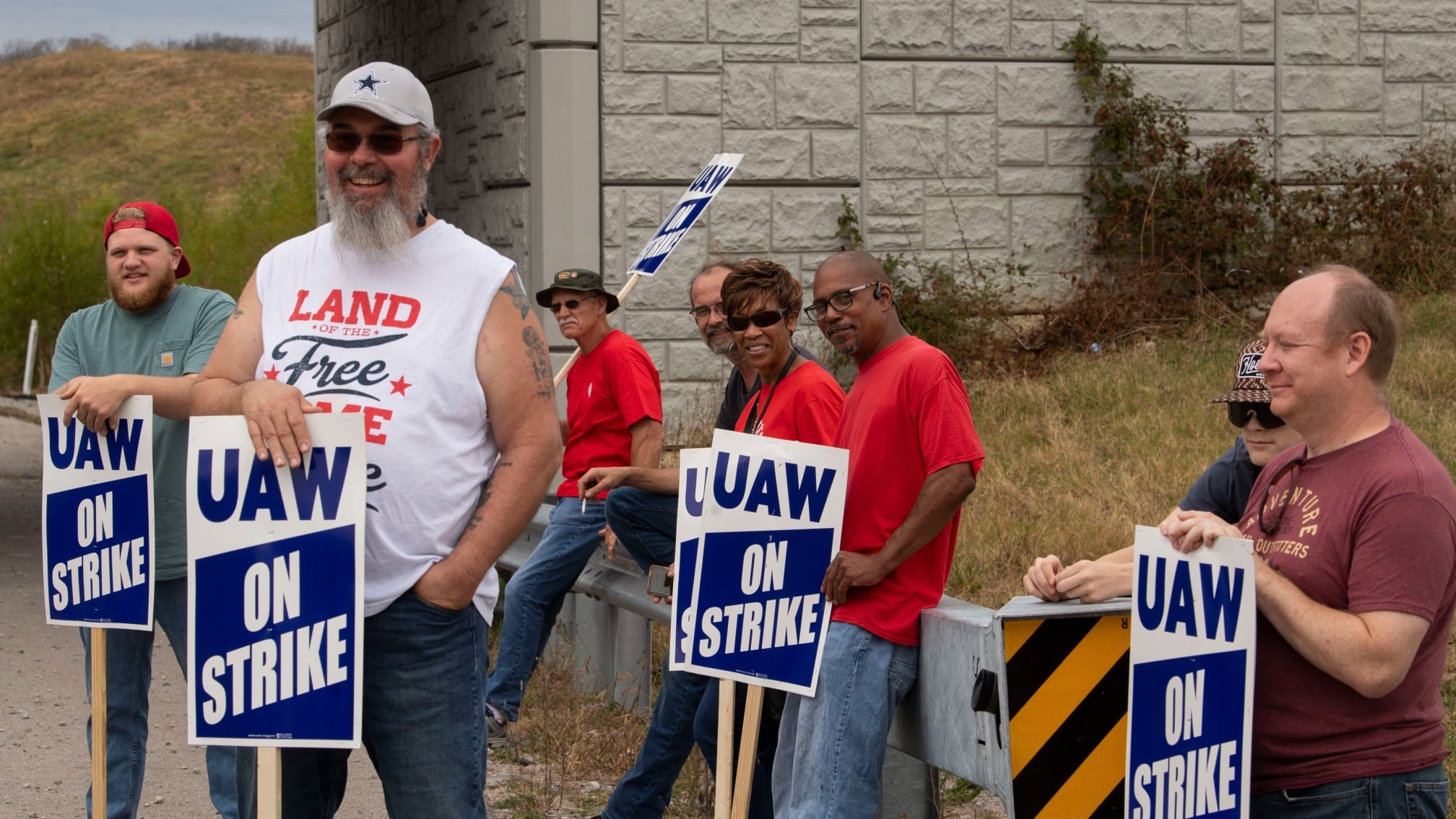
General Motors and the United Auto Workers union have reached a tentative contract agreement that could end a six-week-old strike against Detroit automakers, three people briefed on the deal said.