*By Carlo Versano*
Markets were higher across the board Monday after President Trump announced his framework for a trade deal with Mexico that he hopes will replace NAFTA. The Nasdaq marked its first-ever close above 8,000, and the Dow rose more than a percent, crossing the 26,000 mark for the first time since Feb. 2.
The announcement from Trump in the Oval Office ー with Mexican President Enrique Peña Nieto on the phone ー could ease concerns among American manufacturers that the administration's tough stance on trade could scuttle the chance for a reworked NAFTA deal.
Trump said Monday that he wanted the new agreement to be called the "United States-Mexico Trade Agreement."
"NAFTA has a lot of bad connotations for us, because it was a rip off," he said.
Canada has stayed conspicuously absent from this round of negotiations. No foundation with the Canadians was established for an expanded North American deal.
President Peña Nieto [tweeted](https://twitter.com/EPN/status/1034089218220249088) that he was angling to get the Canadians back to the table. Trump said "we'll see" if Canada can be part of an expanded deal.
A spokesman for Canada's foreign minister replied: "We will only sign a new NAFTA that is good for Canada and good for the middle class. Canada’s signature is required."
Big brands that have relied on TikTok videos to reach younger consumers do not appear to be panicking as they wait to see what happens. But they have started planning.
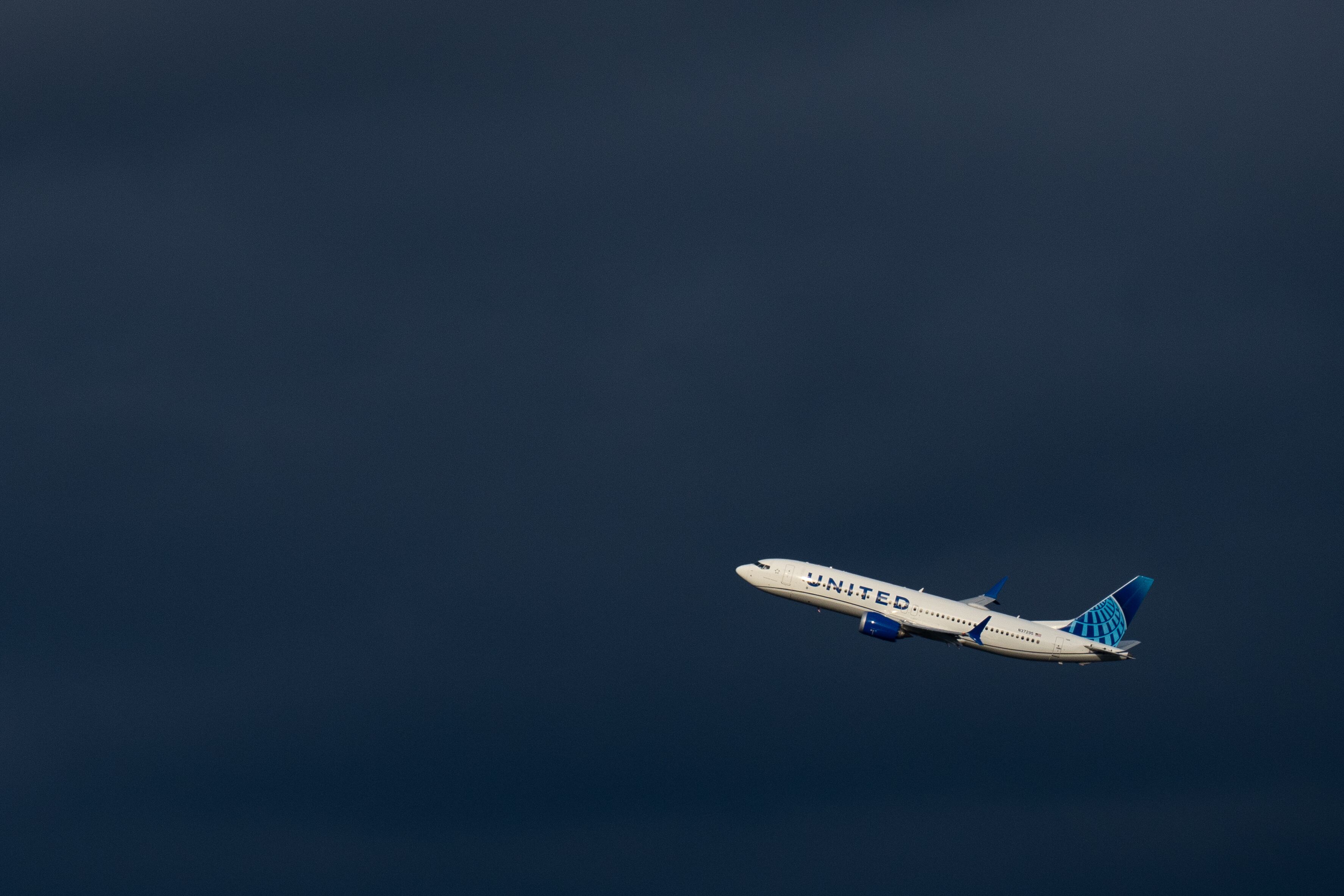
It's been 15 years since the last fatal crash of a U.S. airliner, but you wouldn't know that from a torrent of flight problems that made news in the last three months.
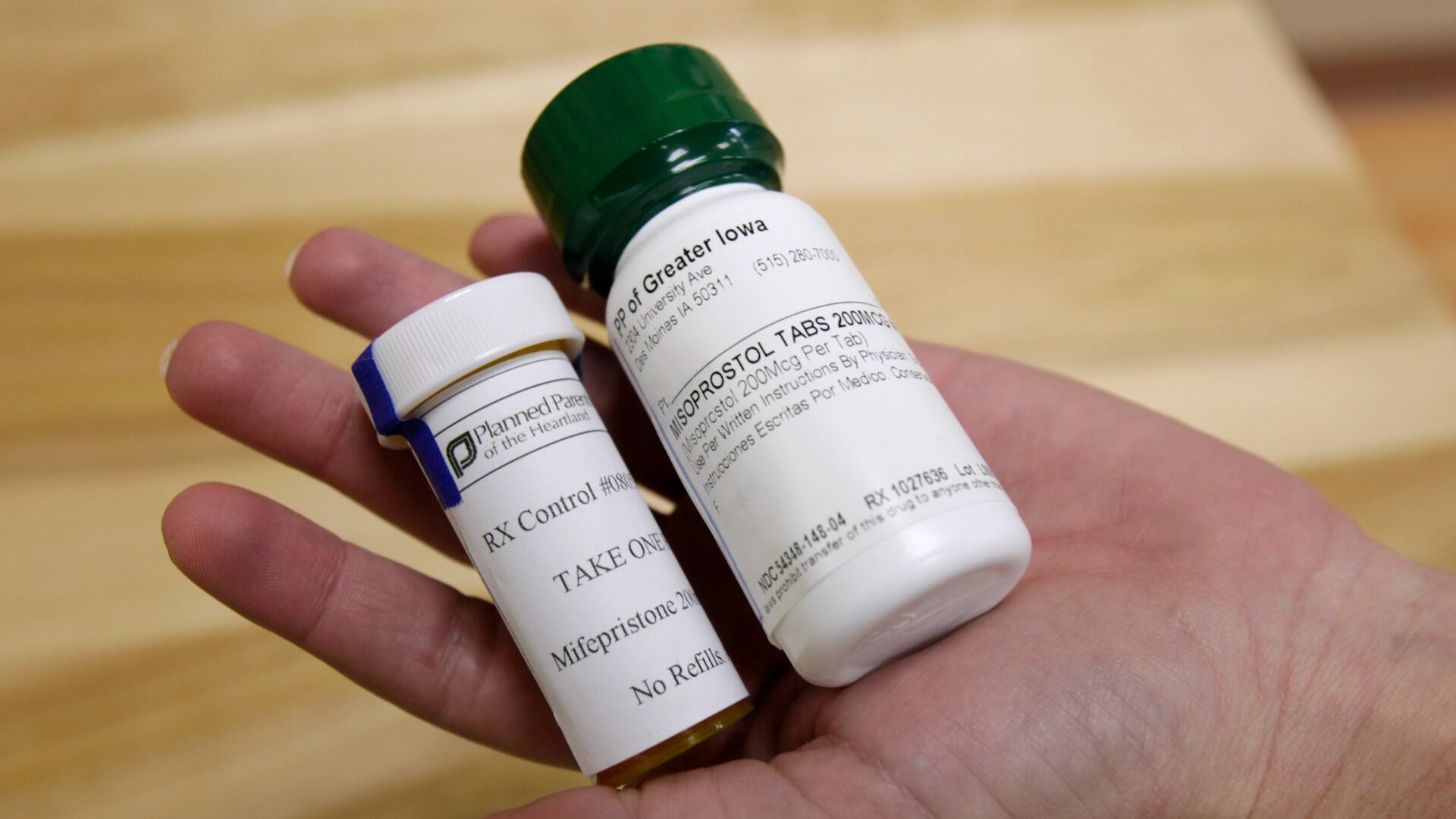
Abortion opponents want the high court to ratify a ruling from a conservative federal appeals court that would limit access to a medication called mifepristone, which was used in nearly two-thirds of abortions last year.
Annie Chechitelli, chief product officer at Turnitin, breaks down how students and teachers alike can learn from artificial intelligence – while still maintaining academic integrity.
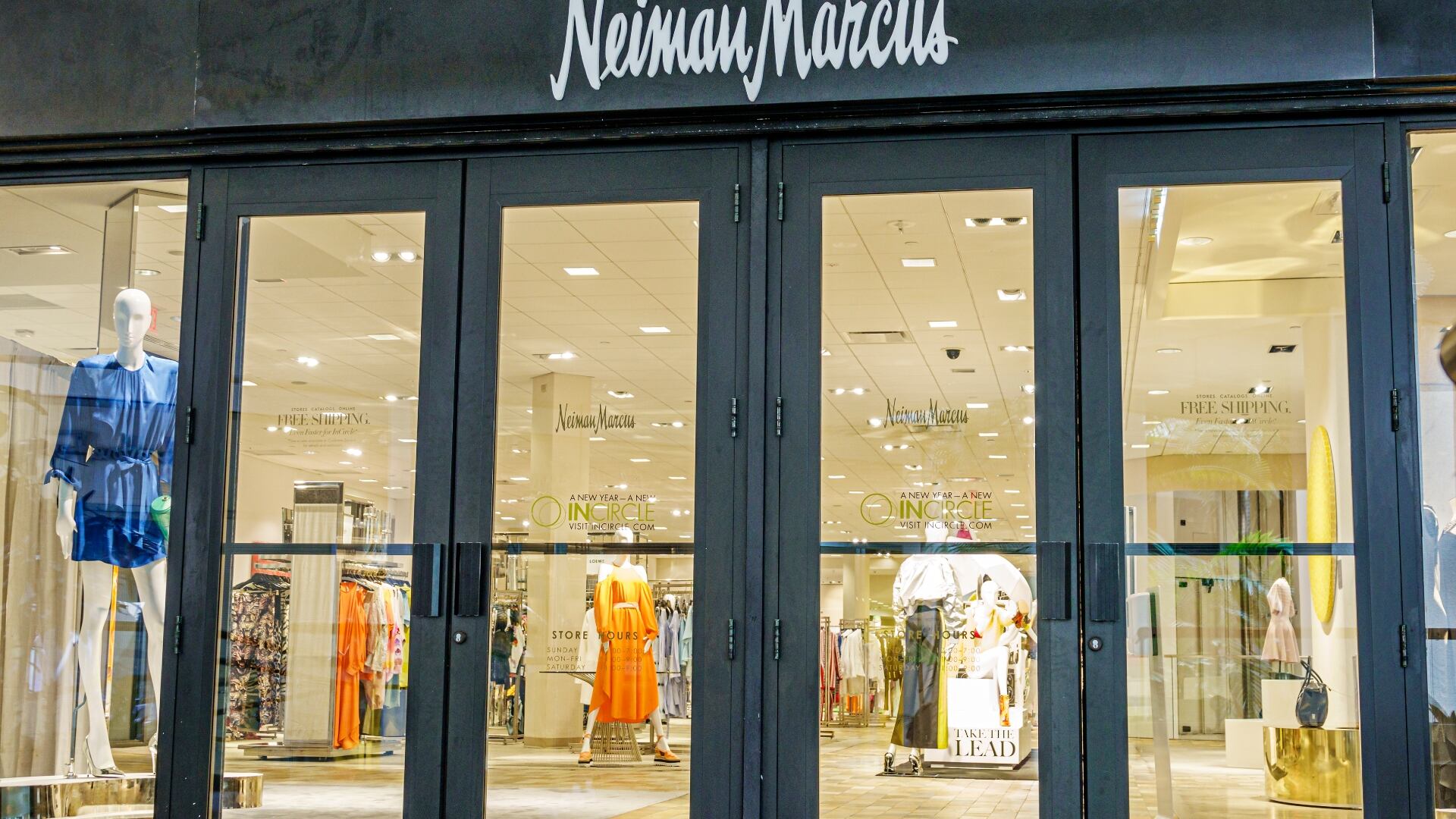
Neiman Marcus Group CEO Geoffroy van Raemdonck talks luxury shopping and TikTok, why the company prefers to be private for now, and the benefits of flexible work arrangements.
Rebecca Walser, founder and CEO of Walser Wealth Management, discusses how geopolitical conditions, the bifurcated economy, and other volatility could weigh on markets.
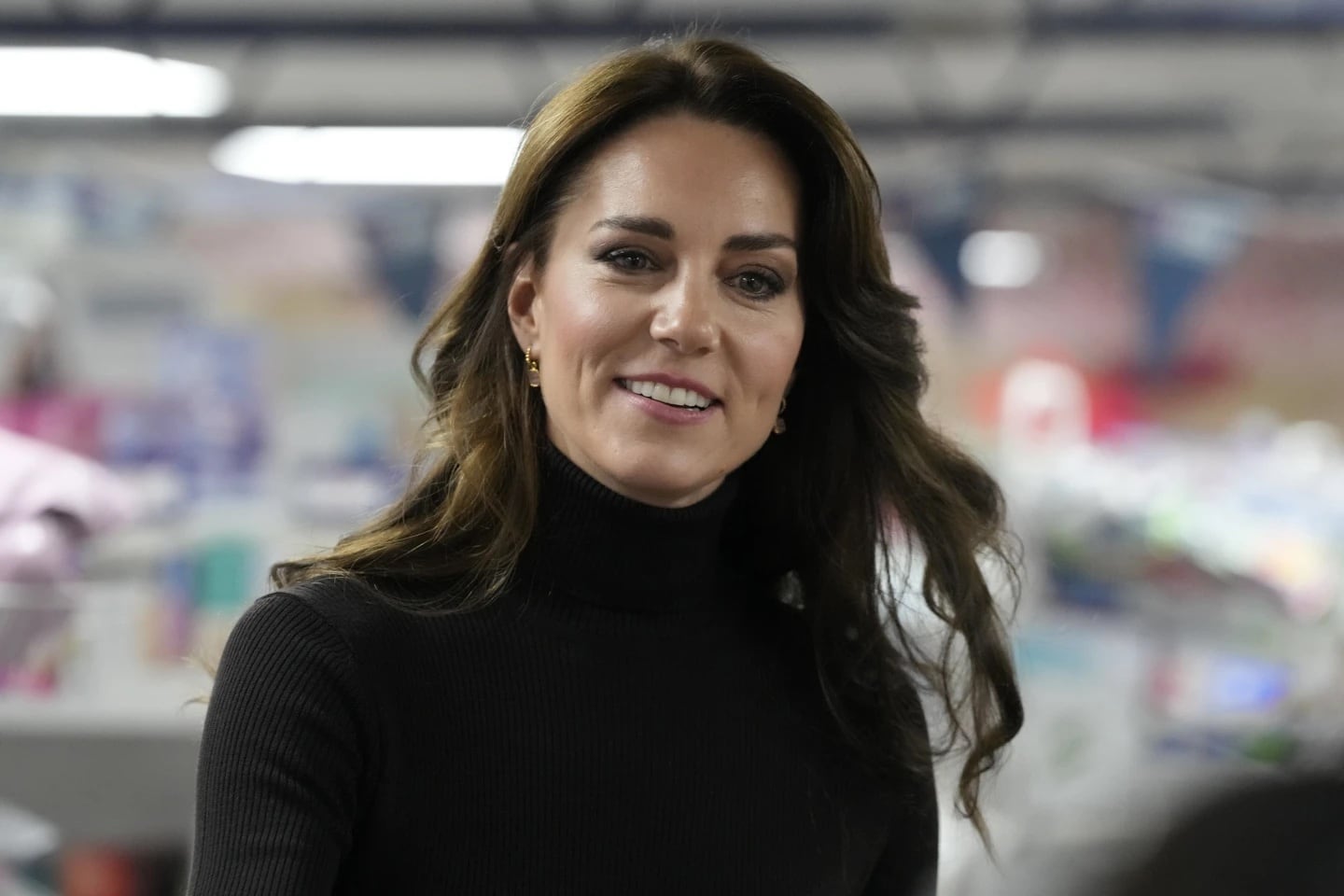
The video announcement Friday came after weeks of speculation spread on social media about her whereabouts and health since she was hospitalized in January for unspecified abdominal surgery.