Former President Donald Trump speaks at a fundraiser event for the Alabama GOP, Friday, Aug. 4, 2023, in Montgomery, Ala. (AP Photo/Butch Dill, File)
Former President Donald Trump and the 18 people indicted along with him in Georgia are scheduled to be arraigned next week on charges they participated in a wide-ranging illegal scheme to overturn the results of the 2020 election.All 19 defendants, including former New York Mayor Rudy Giuliani and White House chief of staff Mark Meadows, have been scheduled for arraignment on Sept. 6, when they may enter pleas as well, according to court records.A Trump spokesperson didn’t immediately respond to a question about whether the former president intended to waive his appearance.The defendants met a Friday deadline to turn themselves in at the Fulton County Jail. Trump was booked Thursday evening — scowling at the camera in the first-ever mug shot of a former president.All but one of those charged had agreed to a bond amount and conditions with Fulton County District Attorney Fani Willis ahead of time, and they were free to go after booking.Willis, who used Georgia’s racketeering law to bring the case, alleges that the defendants participated in a wide-ranging conspiracy to illegally try to keep the Republican president in power even after his election loss to Democrat Joe Biden.Meadows is seeking to fight the Georgia indictment in federal court. A hearing on transferring his case there from state court was being held Monday. At least four others charged in the indictment are also seeking to move the case to federal court, including U.S. Department of Justice official Jeffrey Clark.
Almost 2 years into the pandemic, supply chain woes continue to wreak havoc on our everyday lives.
From groceries to chip shortages, both consumers and retailers are feeling the strain with prices only climbing as a result. Data intelligence company Morning Consult is out with its U.S. Economic Outlook for November revealing just how much of a threat these hold-ups could pose to the greater economic recovery. John Leer, Chief Economist at Morning Consult joined Cheddar's Opening Bell.
After many years and at least two presidents hoping to overhaul America's infrastructure, congress finally came to an agreement. The House passed the bipartisan infrastructure bill late Friday, receiving thirteen republican votes but failing to earn votes from the six progressive squad members. Joseph Zeballos-Roig, Economics Reporter at Insider joined Cheddar's Opening Bell to discuss the economic impact of the bill.
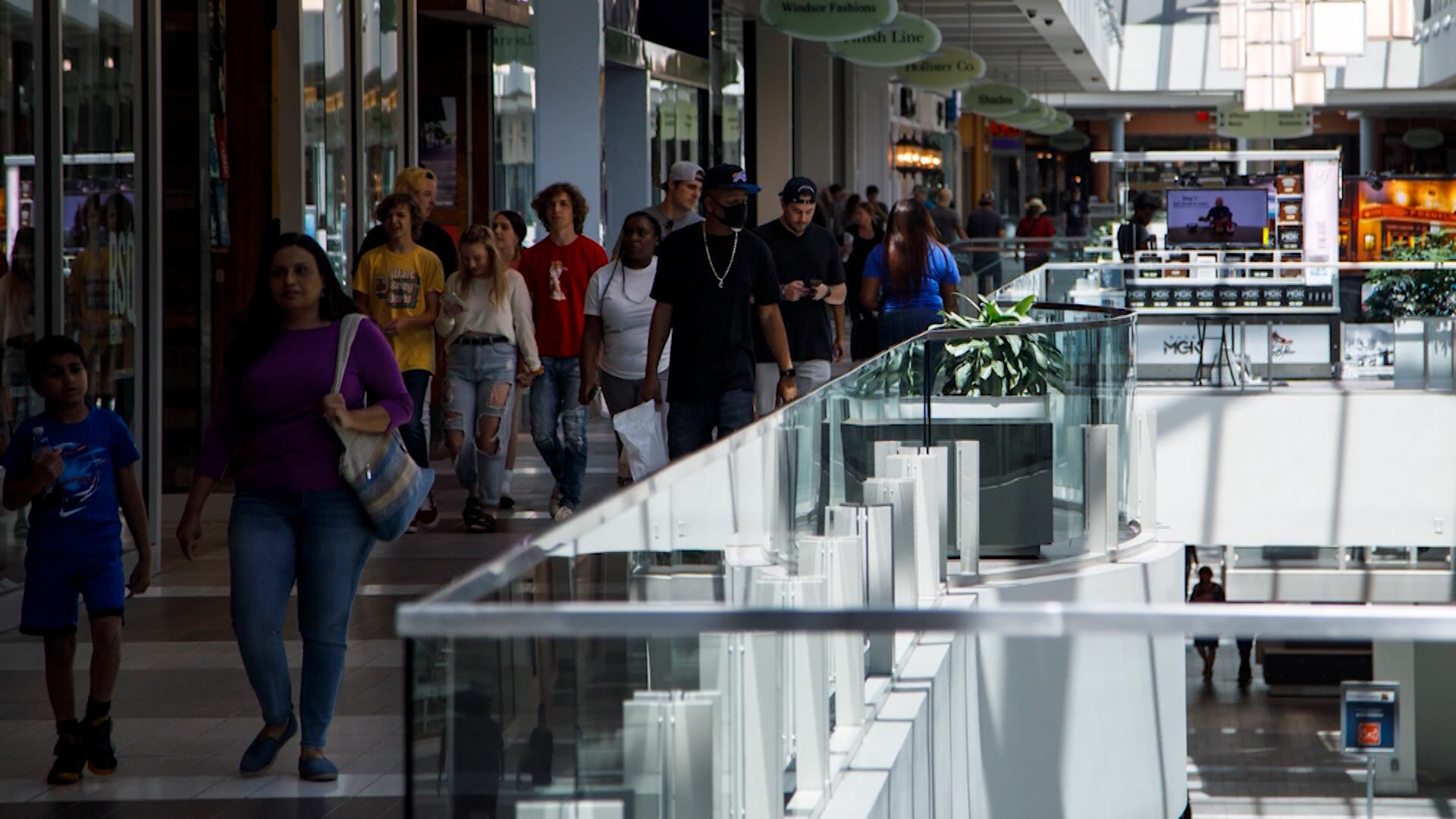
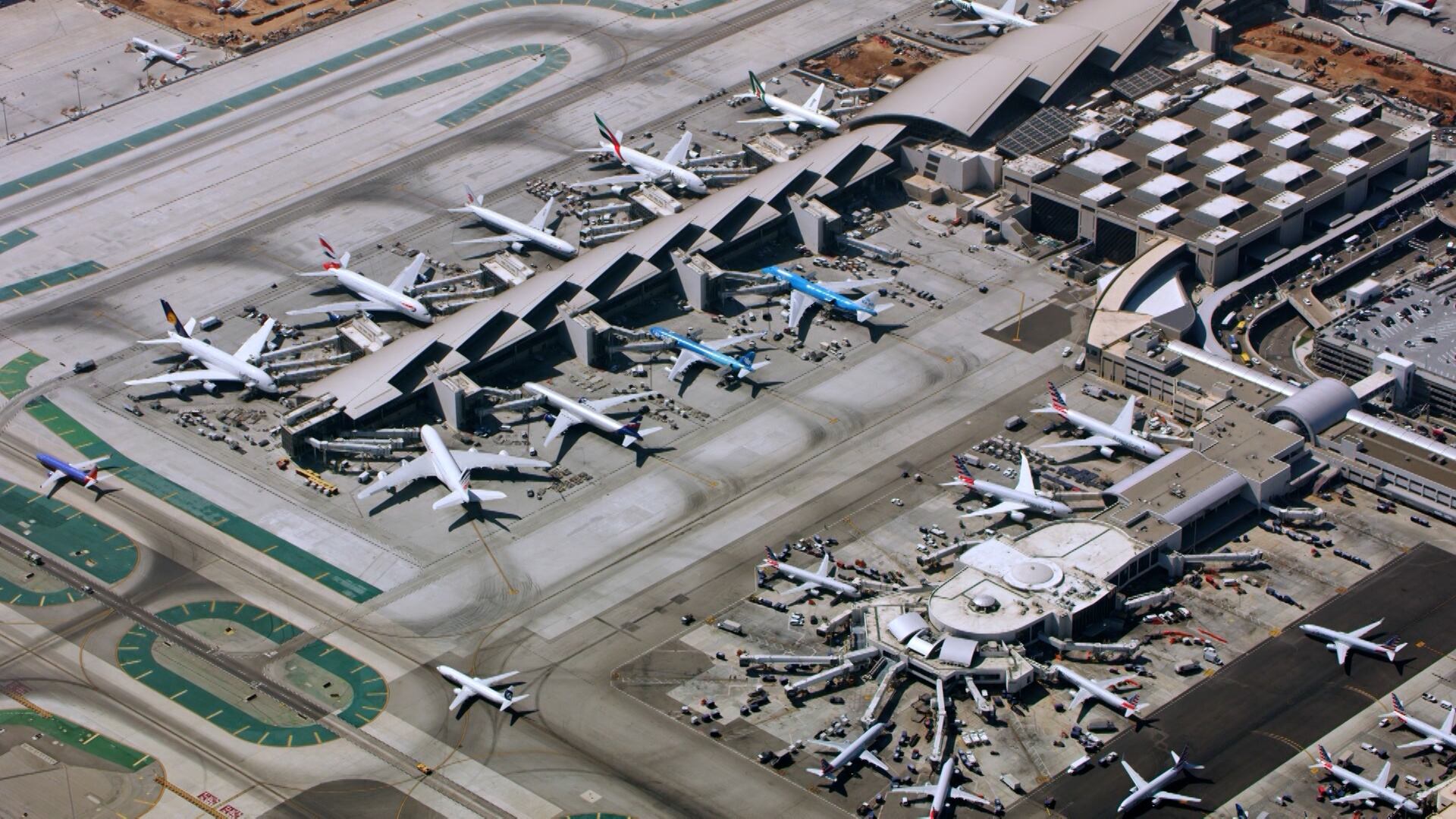
Jill and Carlo discuss the scenes of joy at American airports as borders reopen, another tool in the Covid toolbox, the latest in the Astroworld crowd crush tragedy and more.
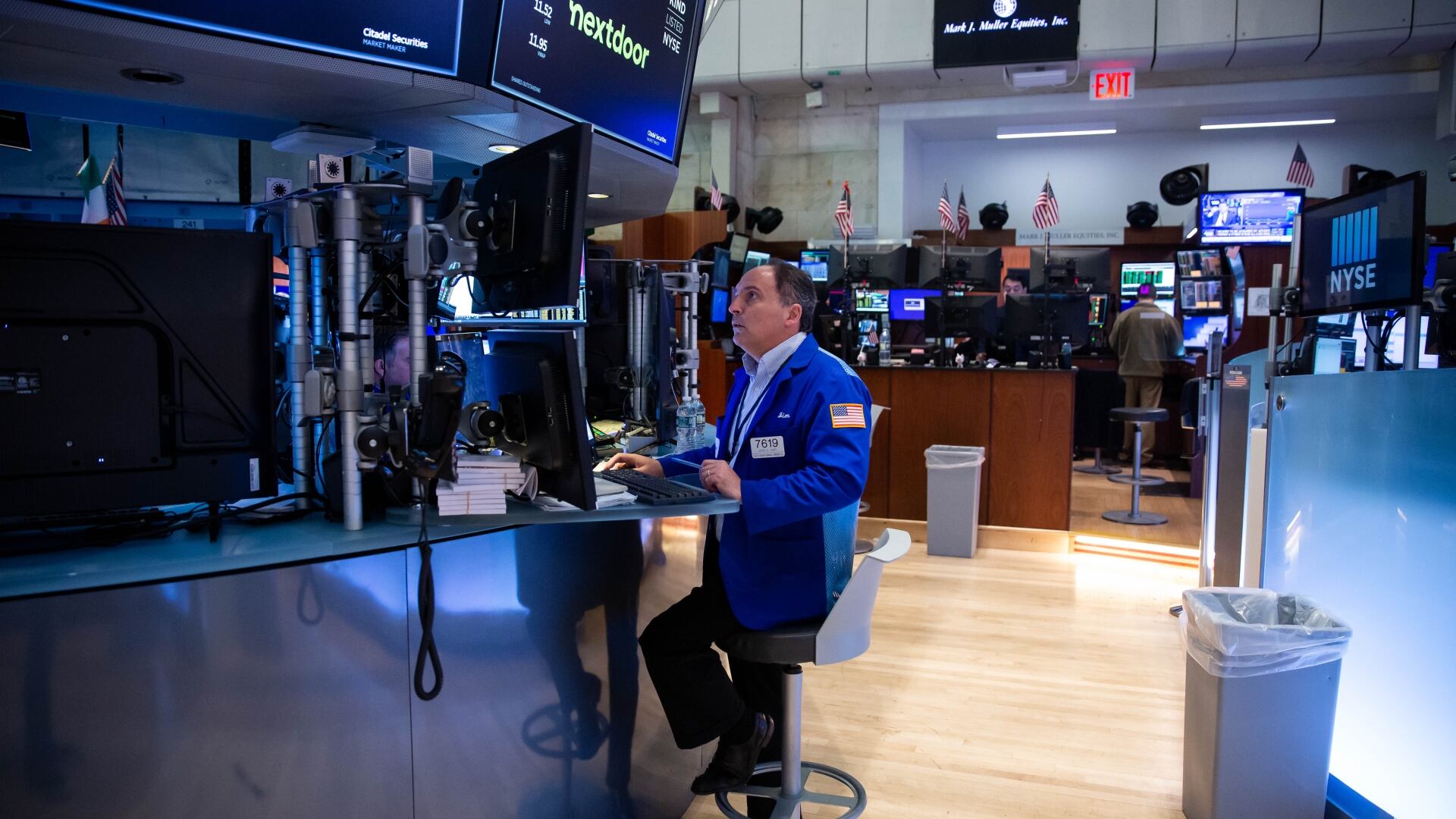
Frank Lee, Managing Director at Miracle Mile Advisors, joins Cheddar News' Closing Bell, where he explains why markets are soaring after the Dow, S&P, Nasdaq, and the Russell 2000 all reached new record closes to begin the trading week.
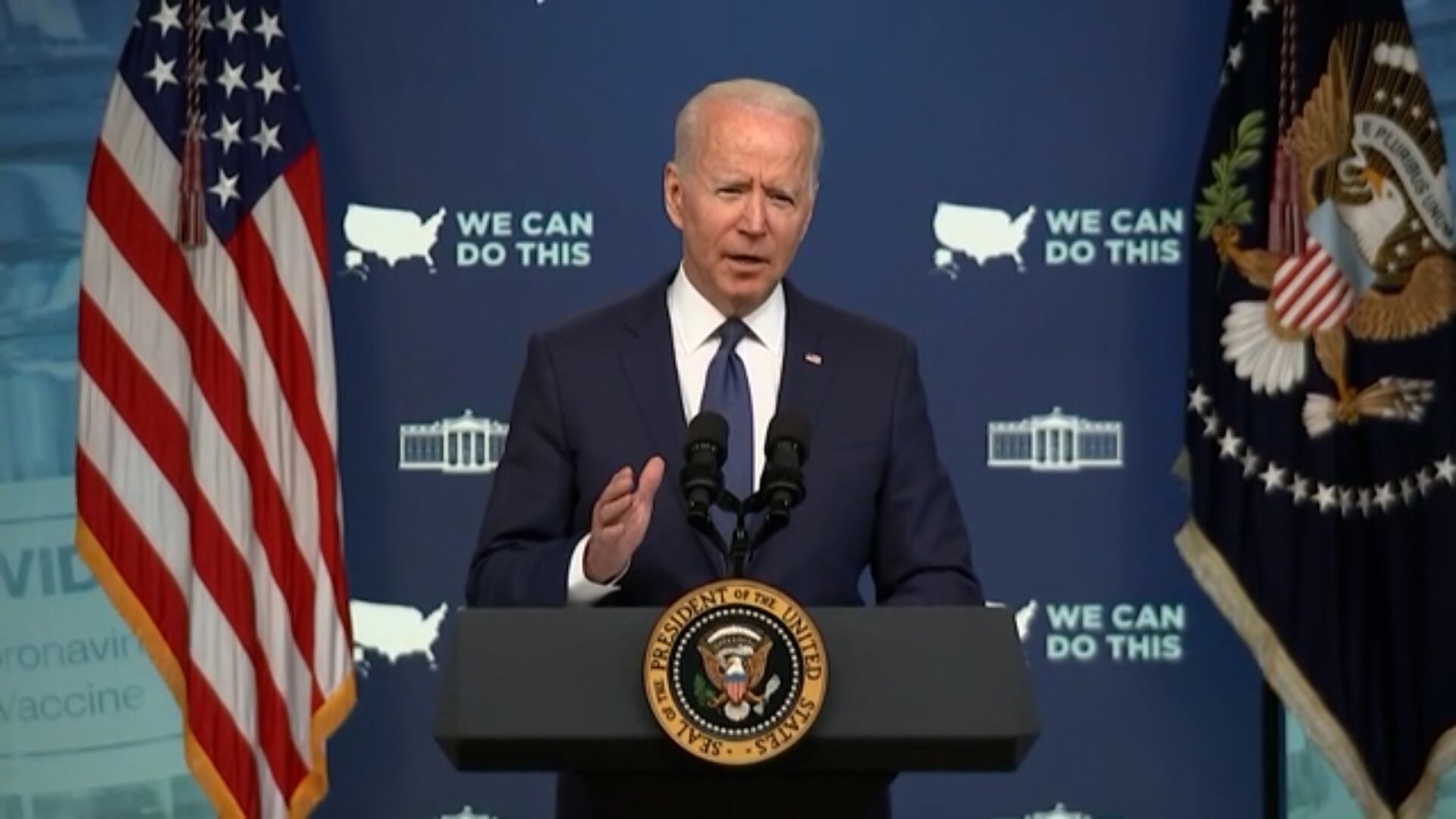
The Biden Administration's mandate for COVID vaccinations by large employers has been put on hold by federal courts as GOP-led states and some businesses push back on the order's legality. Jonathan Adler, a law professor at Case Western Reserve University, joined Cheddar to discuss the legal challenges to implementing such mandates through OSHA (Occupational Safety and Health Administration). "Certainly expanding vaccinations is a good thing, and as vaccination rates go up that's better for all of us," Adler said. "But there are some legal questions about whether or not it's appropriate to use a law about occupational safety and health as the means to do that."
The Biden administration is giving businesses a deadline to implement a vaccination mandate, saying companies can take until after the holiday season. Andew Noymer, Associate Professor of Population Health and Disease Prevention at the University of California, Irvine, joined Cheddar to discuss.
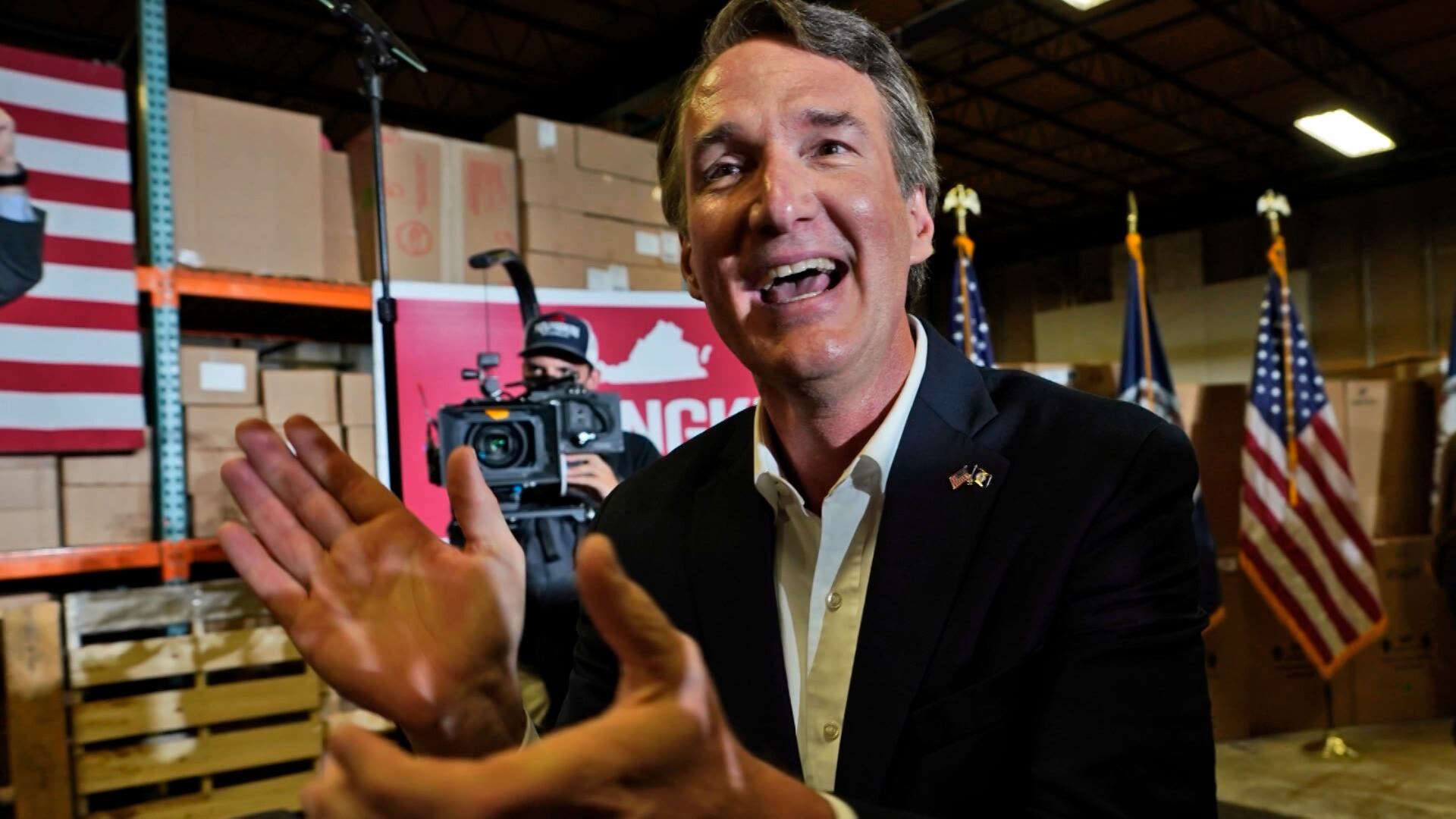
Jacob Rubashkin, reporter and analyst at Inside Elections, joined Cheddar to discuss Republicans' wins on election night and what they mean for Democrats going forward.
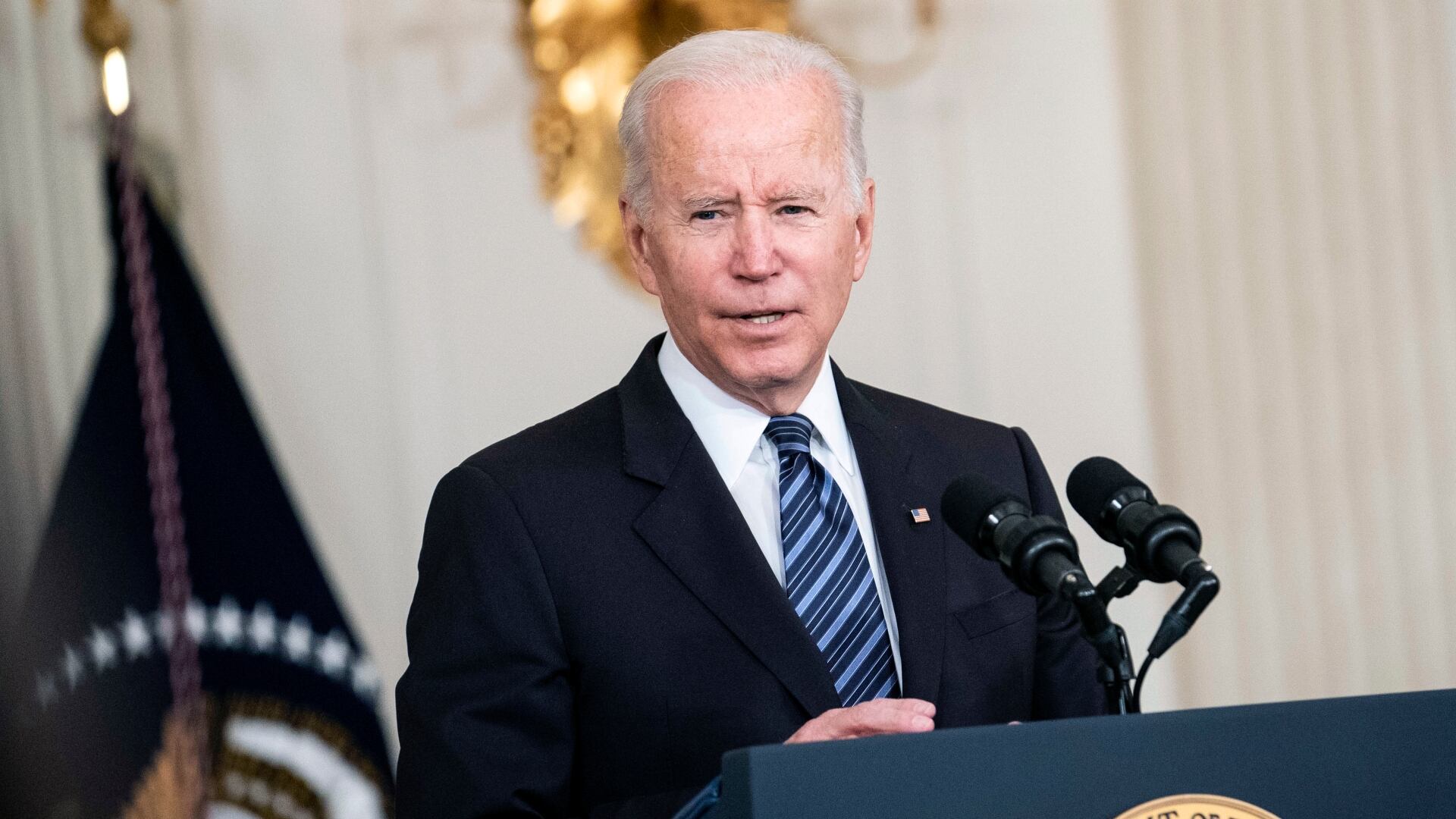
James Astill, Washington Bureau Chief at The Economist, joins Cheddar News to discuss the latest issue, 'ONE YEAR ON: The calamity facing Joe Biden and the Democrats.'
Elon Musk asked Twitter if he should sell about $20 billion worth of his Tesla stock and about 58 percent of those who answered said yes. The Tesla CEO pledged to abide by the results of the poll, whichever way it went. Arun Sundararajan, NYU Stern professor & author of "The Sharing Economy: The End of Employment and the Rise of Crowd-Based Capitalism," joined Cheddar to discuss what the Twitter poll says about America's attitude towards billionaires and the nation's tax system.