Steve Bannon, a longtime ally of former President Donald Trump, appeared before a judge on Monday to face criminal contempt charges for defying a subpoena from a House committee investigating January’s insurrection at the U.S. Capitol.
Bannon surrendered earlier in the day to FBI agents. The 67-year-old was indicted on Friday on two counts of criminal contempt – one for refusing to appear for a congressional deposition and the other for refusing to provide documents in response to the committee’s subpoena.
Bannon did not enter a plea during the hearing. Magistrate Judge Robin Meriweather released him without bail but required him to check in weekly with court officials and ordered him to surrender his passport. He is due back in court on Thursday.
If convicted, Bannon faces a minimum of 30 days and a maximum of one year behind bars on each count, prosecutors said. Outside the courthouse, a large inflatable rat made to look like former President Trump was on the sidewalk as reporters waited for Bannon to leave the courthouse.
The indictment came as a second expected witness, former White House Chief of Staff Mark Meadows, defied a separate subpoena from the committee on Friday and as Trump has escalated his legal battles to withhold documents and testimony about the insurrection.
If the House votes to hold Meadows in contempt, that recommendation would also be sent to the Justice Department for a possible indictment.
Officials in both Democratic and Republican administrations have been held in contempt by Congress, but criminal indictments for contempt are exceedingly rare.
The indictment against Bannon comes after a slew of Trump administration officials – including Bannon – defied requests and demands from Congress over the past five years with little consequence, including during an impeachment inquiry. President Barack Obama’s administration also declined to charge two of its officials who defied congressional demands.
The indictment says Bannon didn’t communicate with the committee in any way from the time he received the subpoena on Sept. 24 until Oct. 7 when his lawyer sent a letter, seven hours after the documents were due.
Bannon, who worked at the White House at the beginning of the Trump administration and currently serves as host of the conspiracy-minded “War Room” podcast, is a private citizen who “refused to appear to give testimony as required by a subpoena,” the indictment says.
When Bannon declined to appear for his deposition in October, his attorney said the former Trump adviser had been directed by a lawyer for Trump citing executive privilege not to answer questions.
Updated on November 15, 2021, at 2:34 p.m. ET with the latest details.
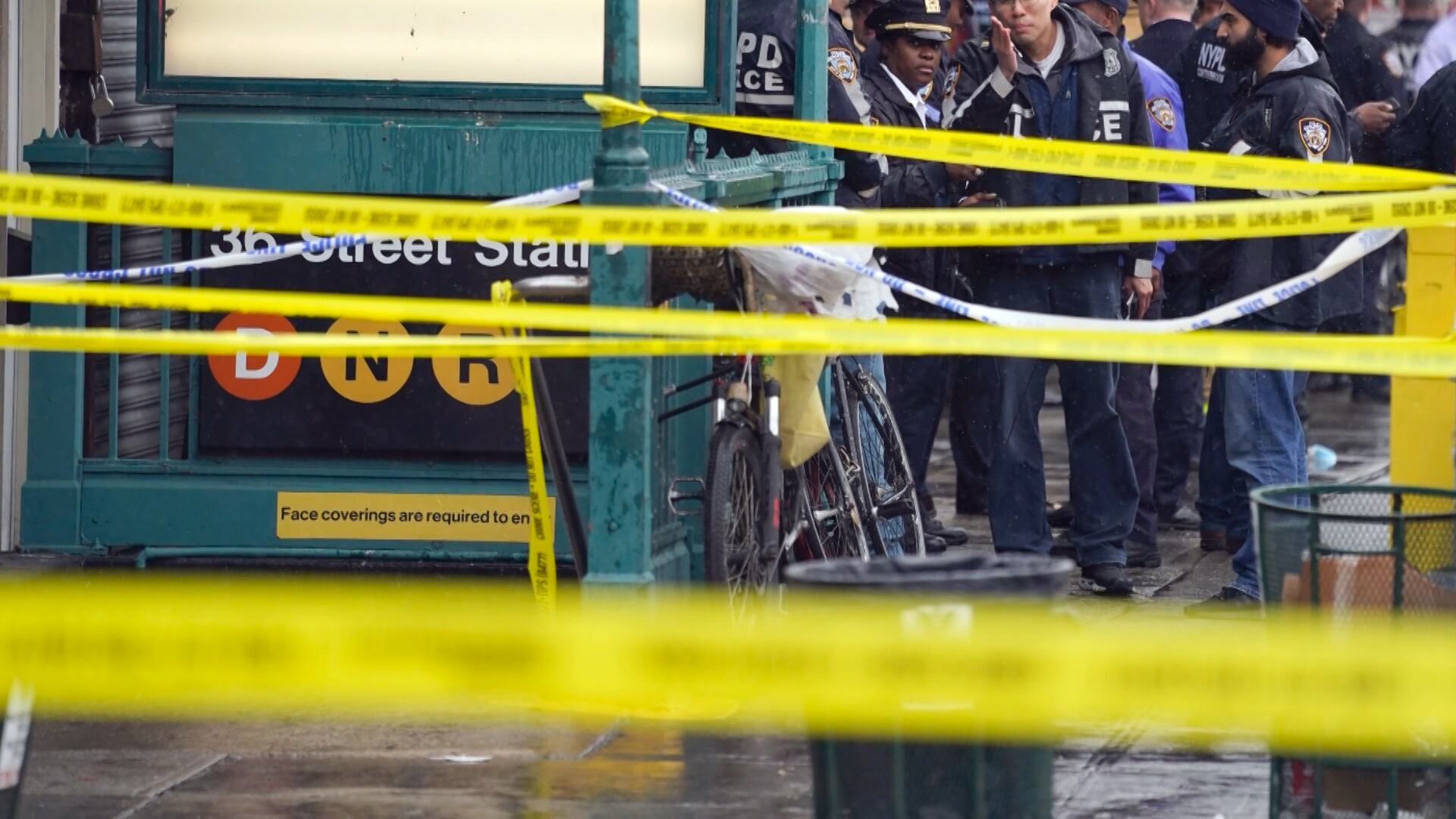
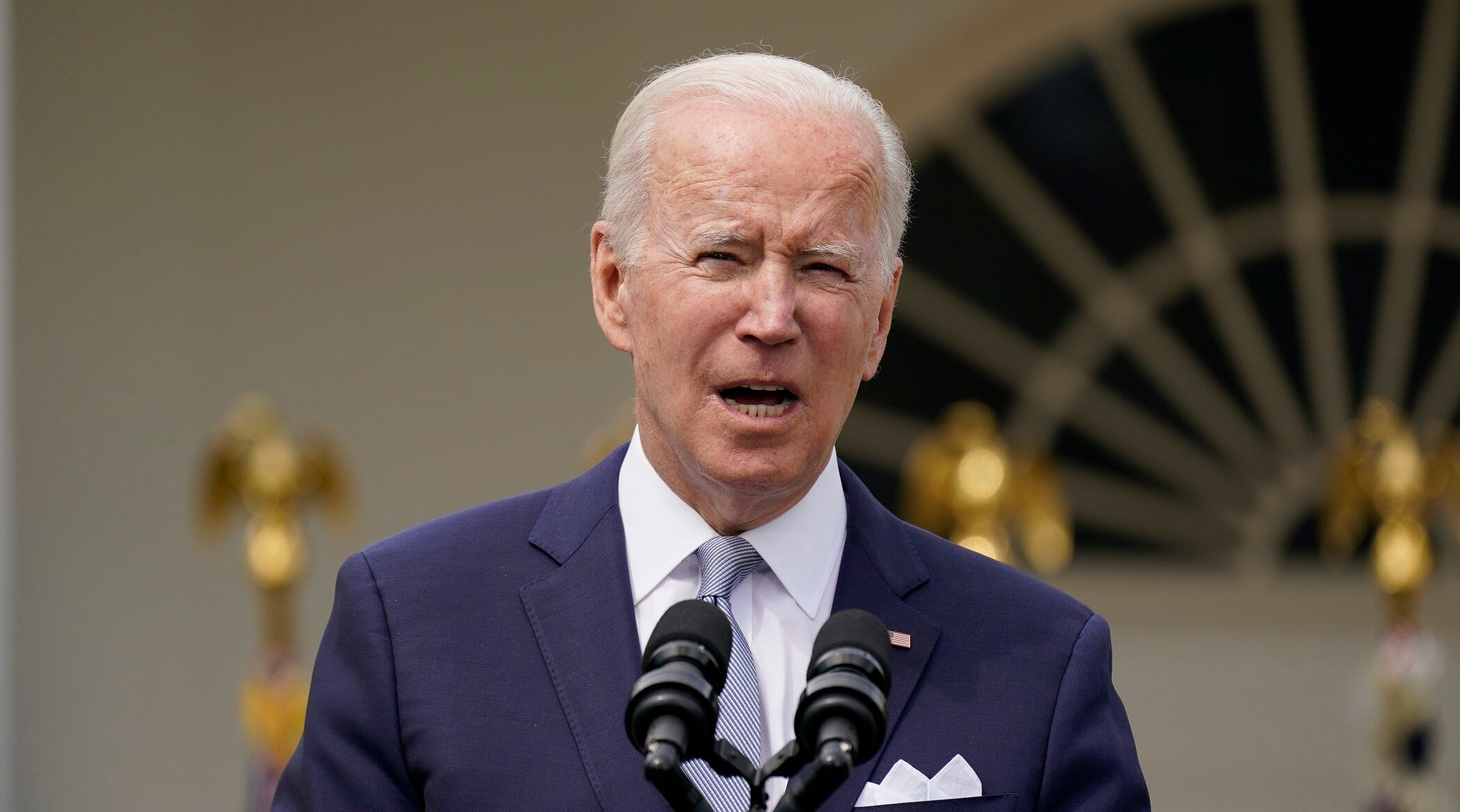
Catching you up on what you need to know on April 13, 2022, with President Biden referring to the Russian invasion of Ukraine as a genocide, a suspect has been identified in the Brooklyn subway shooting that injured 23 people, New York’s lieutenant governor has resigned due to bribery allegations, and more.
A shooter opened fire inside a busy subway car in New York on Tuesday creating chaos. Cheddar News speaks with Ralph Cilento, Professor of Police Science at John Jay College of Criminal Justice who gives tips on how to proceed in active shooter situations.
David Katz, a former federal agent with the Department of Justice, and currently founder, CEO, and owner of Global Security Group, joined Cheddar News to talk about the Tuesday mass shooting on a subway train in Brooklyn, N.Y. even as local authorities have so far stated it was not being investigated as a potential terrorist attack. "At this point between the commissioner of the NYPD and the governor of New York, they're almost saying, 'well, it's an active shooter incident.' Okay, but active shooter incidents can also be motivated by terrorism, so until we know motive, we can't make that conclusion at all," Katz said.
Catching you up with what you need to know on Apr 12, 2022, with Russia concentrating forces in eastern Ukraine, rising inflation, severe weather from Minnesota to the Gulf Coast, Philadelphia brings back its indoor mask mandate, PG&E pays $55 million for wildfire settlement, and more
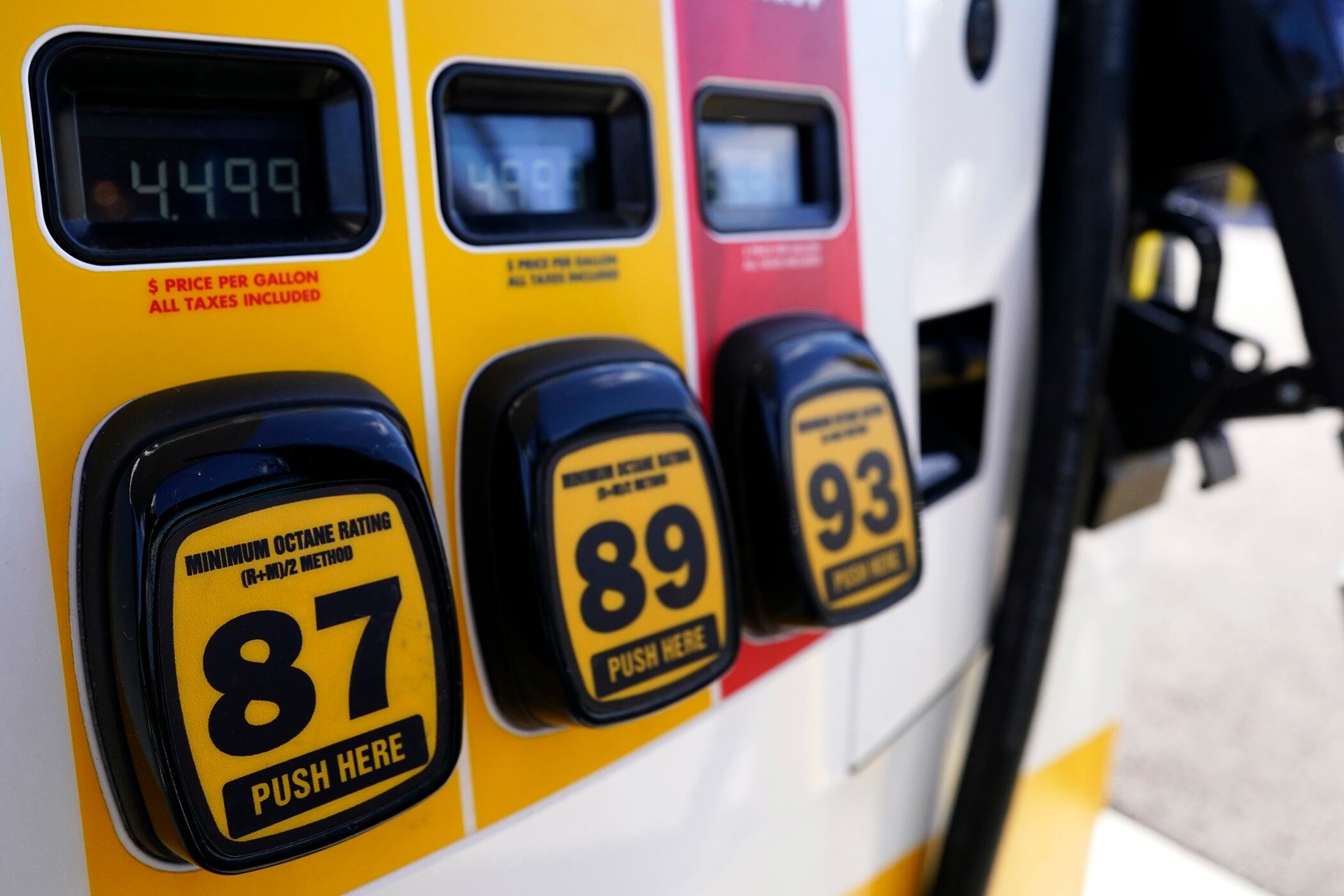
President Joe Biden is visiting corn-rich Iowa to announce he’ll suspend a federal rule preventing the sale of higher ethanol blend gasoline in the summer.
The March consumer price index showed a 1.2 percent month-over-month increase and 8.5 percent increase from a year ago, which was the highest reading since 1981.
U.S. stocks saw a jump in the final hour of Thursday's session, and ultimately closed slightly higher for the day. Tim Pagliara, Chief Investment Officer of CapWealth, joined Cheddar News' Closing Bell to discuss. "The markets have had to digest a lot of action from the federal reserve this quarter and it's affecting everything from mortgage rates to how they value stocks," he said.
Rukmani Bhatia, Senior Federal Affairs Manager at Giffords, joined Cheddar News' Closing Bell to discuss the importance of regulating ghost guns as a way to curb U.S. gun violence, which kills more than 40,000 Americans every year.
Gary Schlossberg, Global Strategist at Wells Fargo Investment Institute, joined Cheddar News' Closing Bell to discuss the dire situation caused by Russia's war on Ukraine, as the region is key for exporting grains and corn, and as the UN Food & Agriculture Organization says food prices rose to the highest levels ever in March.