Steve Bannon, a longtime ally of former President Donald Trump, appeared before a judge on Monday to face criminal contempt charges for defying a subpoena from a House committee investigating January’s insurrection at the U.S. Capitol.
Bannon surrendered earlier in the day to FBI agents. The 67-year-old was indicted on Friday on two counts of criminal contempt – one for refusing to appear for a congressional deposition and the other for refusing to provide documents in response to the committee’s subpoena.
Bannon did not enter a plea during the hearing. Magistrate Judge Robin Meriweather released him without bail but required him to check in weekly with court officials and ordered him to surrender his passport. He is due back in court on Thursday.
If convicted, Bannon faces a minimum of 30 days and a maximum of one year behind bars on each count, prosecutors said. Outside the courthouse, a large inflatable rat made to look like former President Trump was on the sidewalk as reporters waited for Bannon to leave the courthouse.
The indictment came as a second expected witness, former White House Chief of Staff Mark Meadows, defied a separate subpoena from the committee on Friday and as Trump has escalated his legal battles to withhold documents and testimony about the insurrection.
If the House votes to hold Meadows in contempt, that recommendation would also be sent to the Justice Department for a possible indictment.
Officials in both Democratic and Republican administrations have been held in contempt by Congress, but criminal indictments for contempt are exceedingly rare.
The indictment against Bannon comes after a slew of Trump administration officials – including Bannon – defied requests and demands from Congress over the past five years with little consequence, including during an impeachment inquiry. President Barack Obama’s administration also declined to charge two of its officials who defied congressional demands.
The indictment says Bannon didn’t communicate with the committee in any way from the time he received the subpoena on Sept. 24 until Oct. 7 when his lawyer sent a letter, seven hours after the documents were due.
Bannon, who worked at the White House at the beginning of the Trump administration and currently serves as host of the conspiracy-minded “War Room” podcast, is a private citizen who “refused to appear to give testimony as required by a subpoena,” the indictment says.
When Bannon declined to appear for his deposition in October, his attorney said the former Trump adviser had been directed by a lawyer for Trump citing executive privilege not to answer questions.
Updated on November 15, 2021, at 2:34 p.m. ET with the latest details.
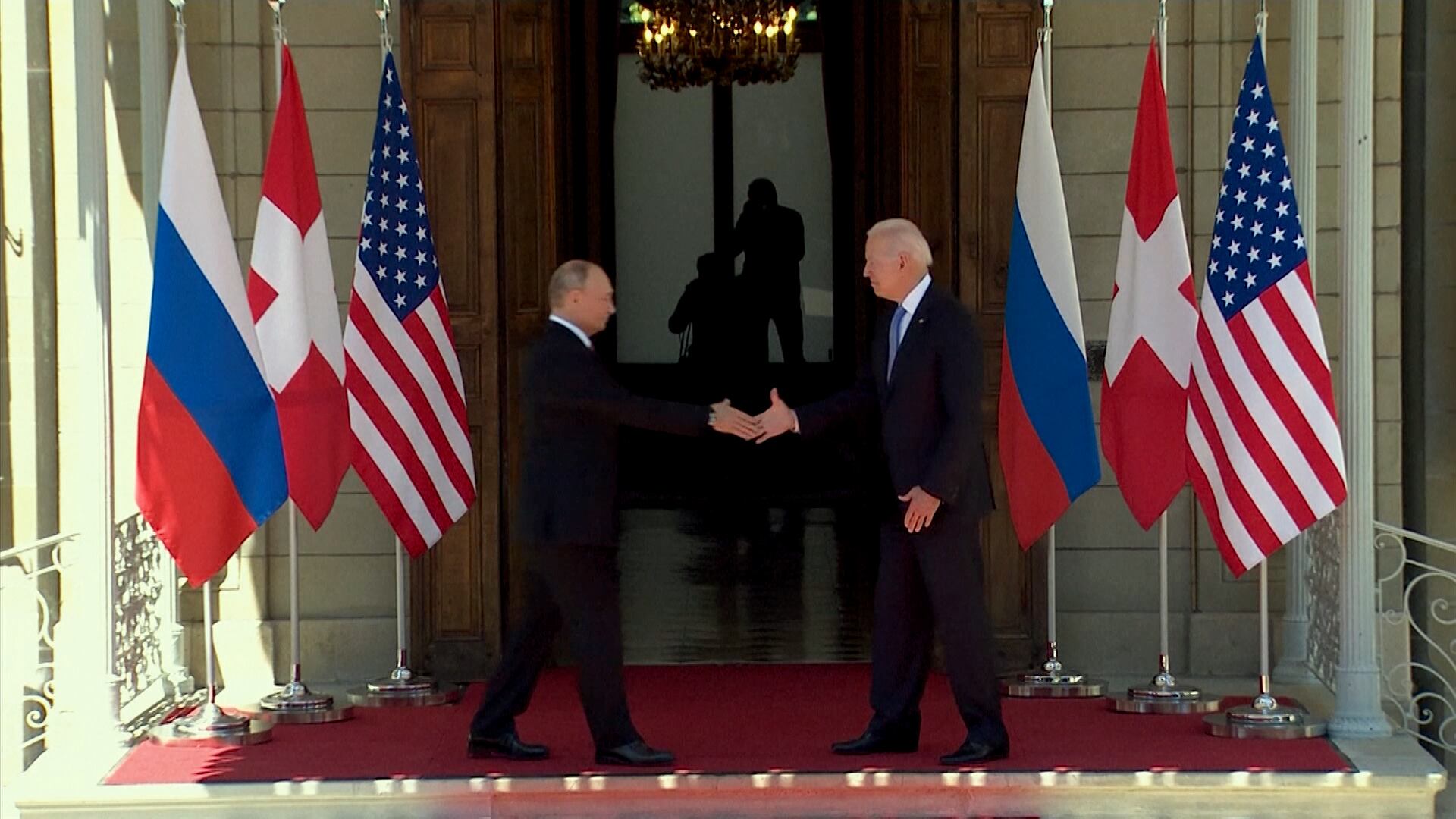
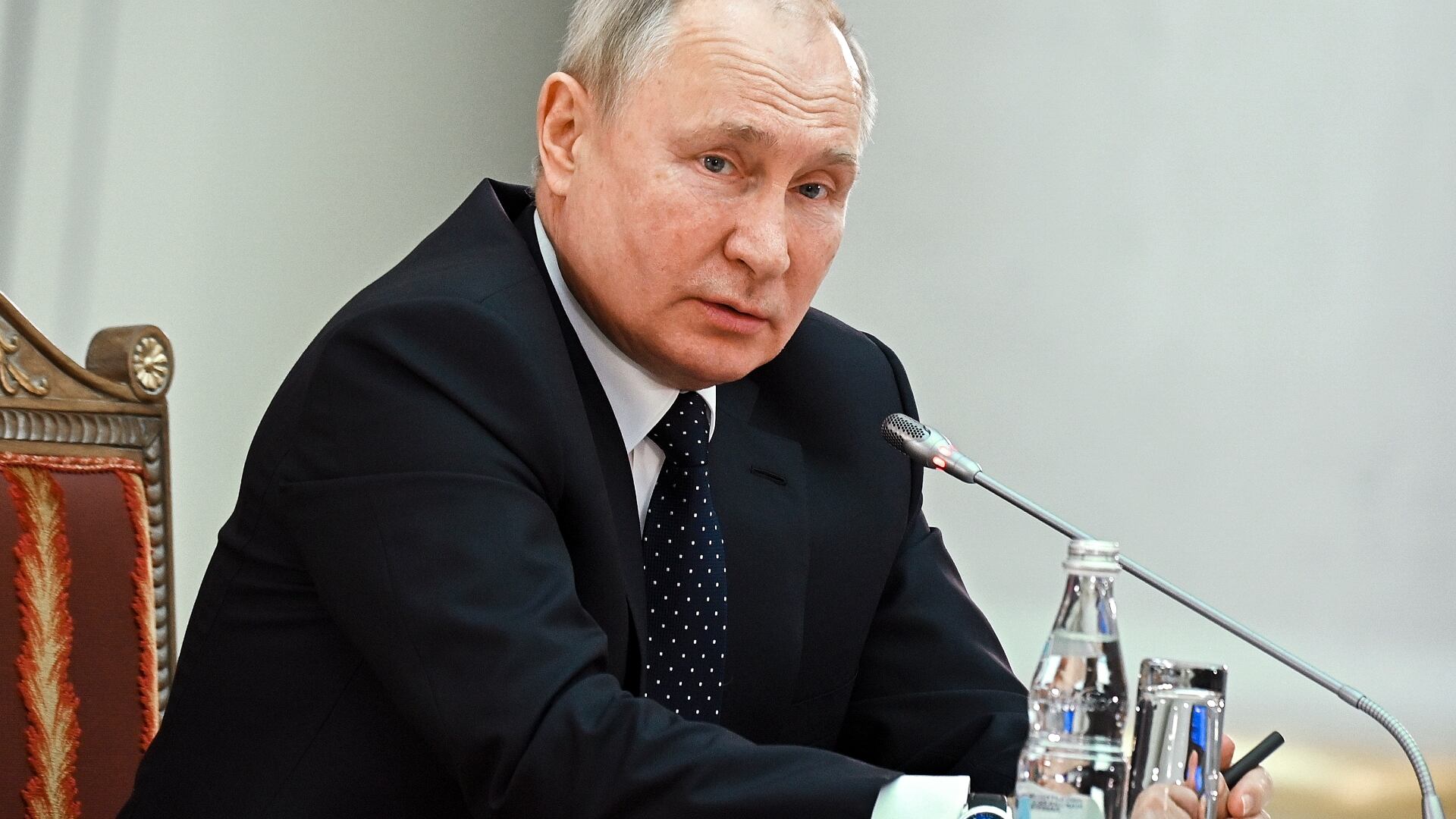
Matt Hayden, vice president of govtech solutions at Exiger and a former assistant secretary of cyber at Department of Homeland Security, joined Cheddar to discuss the surprise phone call initiated by Russian President Vladimir Putin to President Joe Biden, ahead of January security talks about the rising tensions over Ukraine. "We're hoping to hear that we're able to talk about the aggression and the leadup of the Ukrainian militarization," Hayden said. "But we're also looking to hear is how the Kremlin leveraged their talking points to try to test their negotiation stance with the United States leading into this January 10th meeting."
The No Surprises Act begins implementation on January 1, 2022. The legislation is meant to curb the practice of unexpected billing for care from providers the patient was unaware were out-of-network from their insurance. Patricia Kelmar, director of health care campaigns for U.S. PIRG joined Cheddar to describe the hundreds, sometimes thousands, of dollars charged to unsuspecting patients and how things will change under the new law. "If we are picking an in-network doctor and an in-network hospital, we should not see those added costs from anesthesiologists, radiologists, scrub-in surgeons," she said. "The other area it protects you is in air ambulances — not ground ambulances, unfortunately — but the helicopters or the airplanes you might need to transport you in an emergency situation."
President Joe Biden and Russian President Vladmir Putin are expected to have another conversation surrounding escalating tensions between Russia and Ukraine. Ariel Cohen, senior fellow at the Atlantic Council, joined Cheddar's Ken Buffa to discuss the ongoing tensions and why Putin's request for a conversation with Biden comes now. "This is very serious. This is the worst security crisis we had since the collapse of the Soviet Union," Cohen told Cheddar.
Stocks closed mixed on Wednesday, but two indexes - the Dow and the S&P 500 - ended the session with a new record. Akshata Bailkeri, Equity Analyst at Bruderman Asset Management, joins Cheddar News' Closing Bell, where she says there is a consensus for robust consumer spreading in 2022, especially as the Omicron variant is proving to be milder than other COVID-19 strains.
John Quelch, Dean of Miami Herbert Business School, joins Cheddar News' Closing Bell, where he says the retail giant is acting in accordance to President Biden's new law banning goods from China's Xinjiang region. Quelch also elaborates on the importance of China in Walmart's overall strategy.