Steve Bannon, a longtime ally of former President Donald Trump, appeared before a judge on Monday to face criminal contempt charges for defying a subpoena from a House committee investigating January’s insurrection at the U.S. Capitol.
Bannon surrendered earlier in the day to FBI agents. The 67-year-old was indicted on Friday on two counts of criminal contempt – one for refusing to appear for a congressional deposition and the other for refusing to provide documents in response to the committee’s subpoena.
Bannon did not enter a plea during the hearing. Magistrate Judge Robin Meriweather released him without bail but required him to check in weekly with court officials and ordered him to surrender his passport. He is due back in court on Thursday.
If convicted, Bannon faces a minimum of 30 days and a maximum of one year behind bars on each count, prosecutors said. Outside the courthouse, a large inflatable rat made to look like former President Trump was on the sidewalk as reporters waited for Bannon to leave the courthouse.
The indictment came as a second expected witness, former White House Chief of Staff Mark Meadows, defied a separate subpoena from the committee on Friday and as Trump has escalated his legal battles to withhold documents and testimony about the insurrection.
If the House votes to hold Meadows in contempt, that recommendation would also be sent to the Justice Department for a possible indictment.
Officials in both Democratic and Republican administrations have been held in contempt by Congress, but criminal indictments for contempt are exceedingly rare.
The indictment against Bannon comes after a slew of Trump administration officials – including Bannon – defied requests and demands from Congress over the past five years with little consequence, including during an impeachment inquiry. President Barack Obama’s administration also declined to charge two of its officials who defied congressional demands.
The indictment says Bannon didn’t communicate with the committee in any way from the time he received the subpoena on Sept. 24 until Oct. 7 when his lawyer sent a letter, seven hours after the documents were due.
Bannon, who worked at the White House at the beginning of the Trump administration and currently serves as host of the conspiracy-minded “War Room” podcast, is a private citizen who “refused to appear to give testimony as required by a subpoena,” the indictment says.
When Bannon declined to appear for his deposition in October, his attorney said the former Trump adviser had been directed by a lawyer for Trump citing executive privilege not to answer questions.
Updated on November 15, 2021, at 2:34 p.m. ET with the latest details.
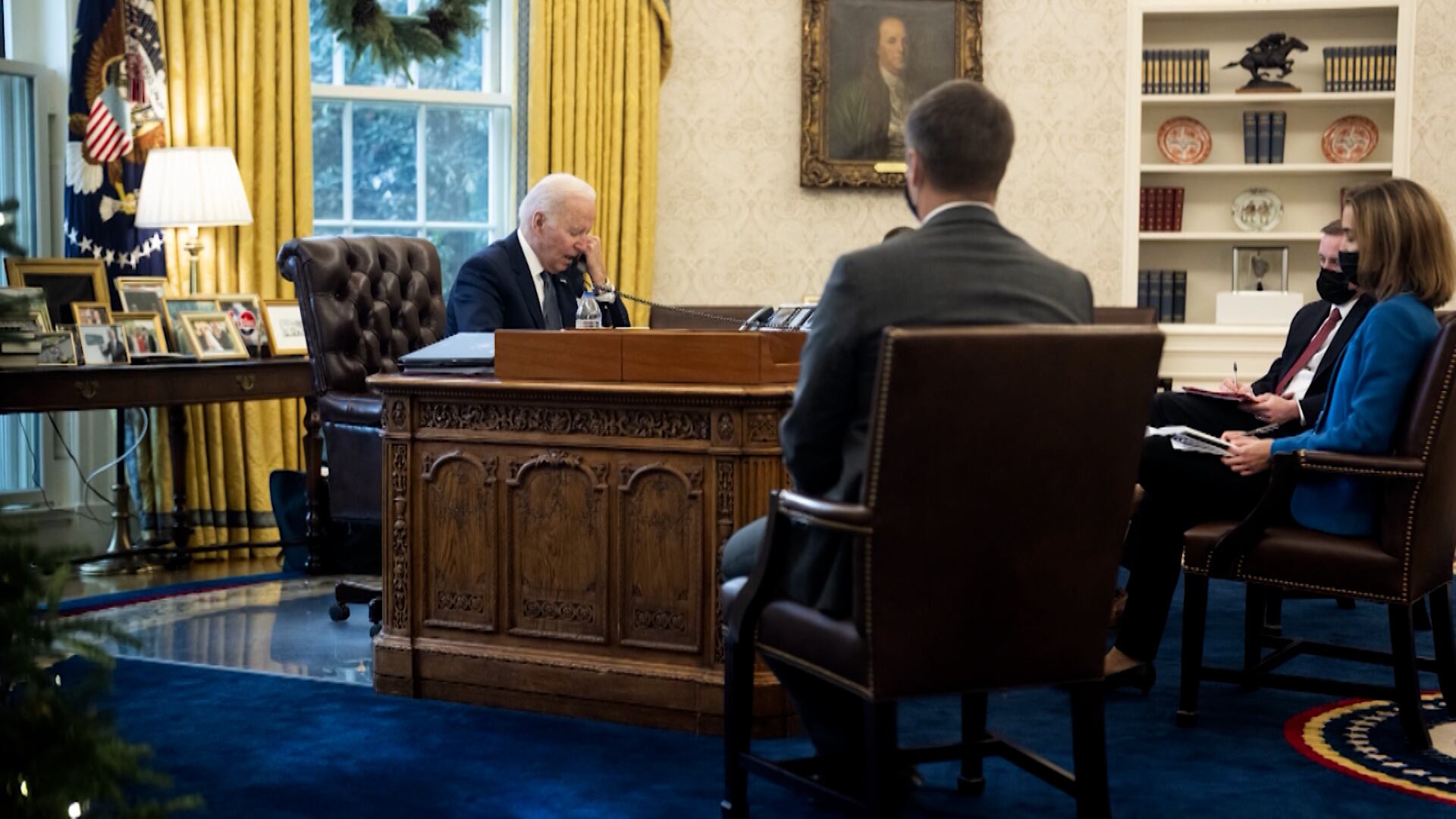
As the standoff between the U.S. and its allies continues with Russia over its possible designs to invade Ukraine, President Biden held a video conference call with European leadership and had 8,500 American troops put on high alert. Jamil Jaffer, a former associate White House counsel for the Bush Administration, joined Cheddar to discuss his views on the escalating crisis in Eastern Europe.
As controversy dogs the run-up to the 2022 Beijing Winter Olympics, China is hiring TikTokers and other social media influencers to promote the nation's history, culture, diplomatic efforts, and current trends.
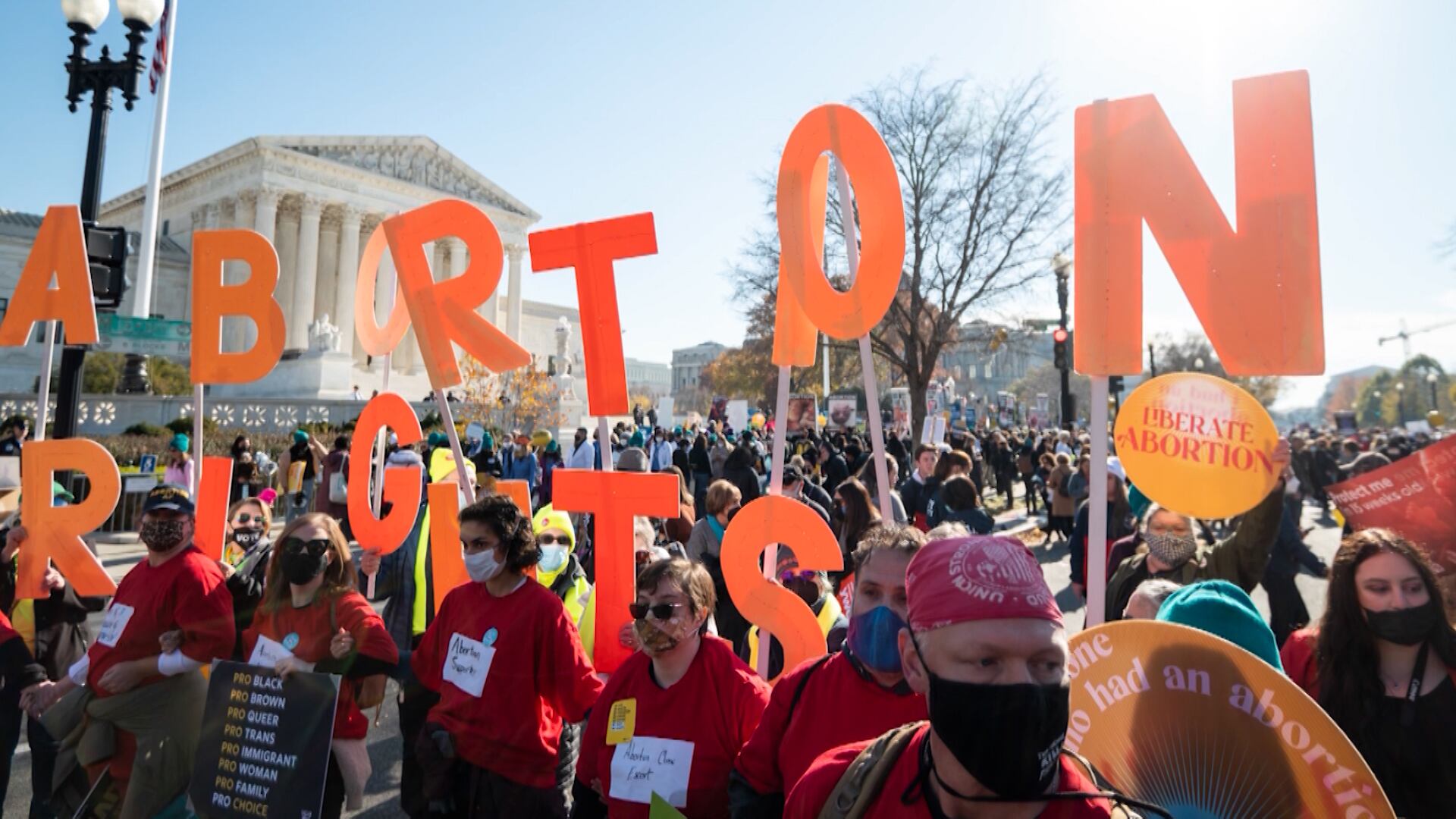
The Supreme Court has rejected another request to block Texas' strict abortion law. This marks the third time the high court has declined to intervene in challenges to the law that bans abortions after six weeks, well before many women even know they're pregnant. Aziza Ahmed, professor of law at the University of California, Irvine, joined Cheddar News to discuss the impact of the law so far on women seeking abortion services in Texas.
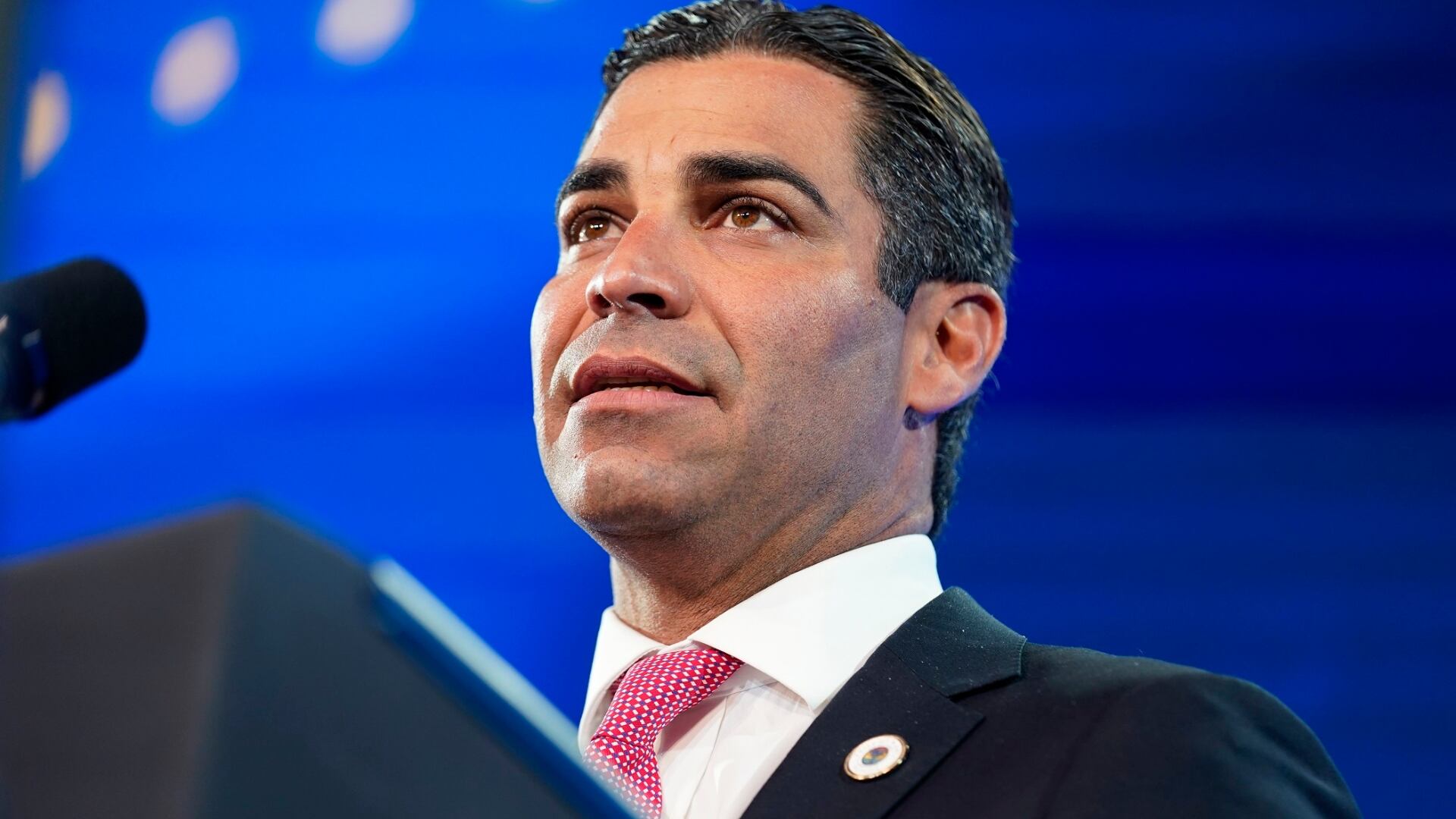
Mayors in cities like Miami and New York City are considering introducing cryptocurrencies as a way to reduce economic inequality. Miami Mayor Francis X. Suarez has even pushed for distributing Bitcoin dividends to the city's inhabitants.
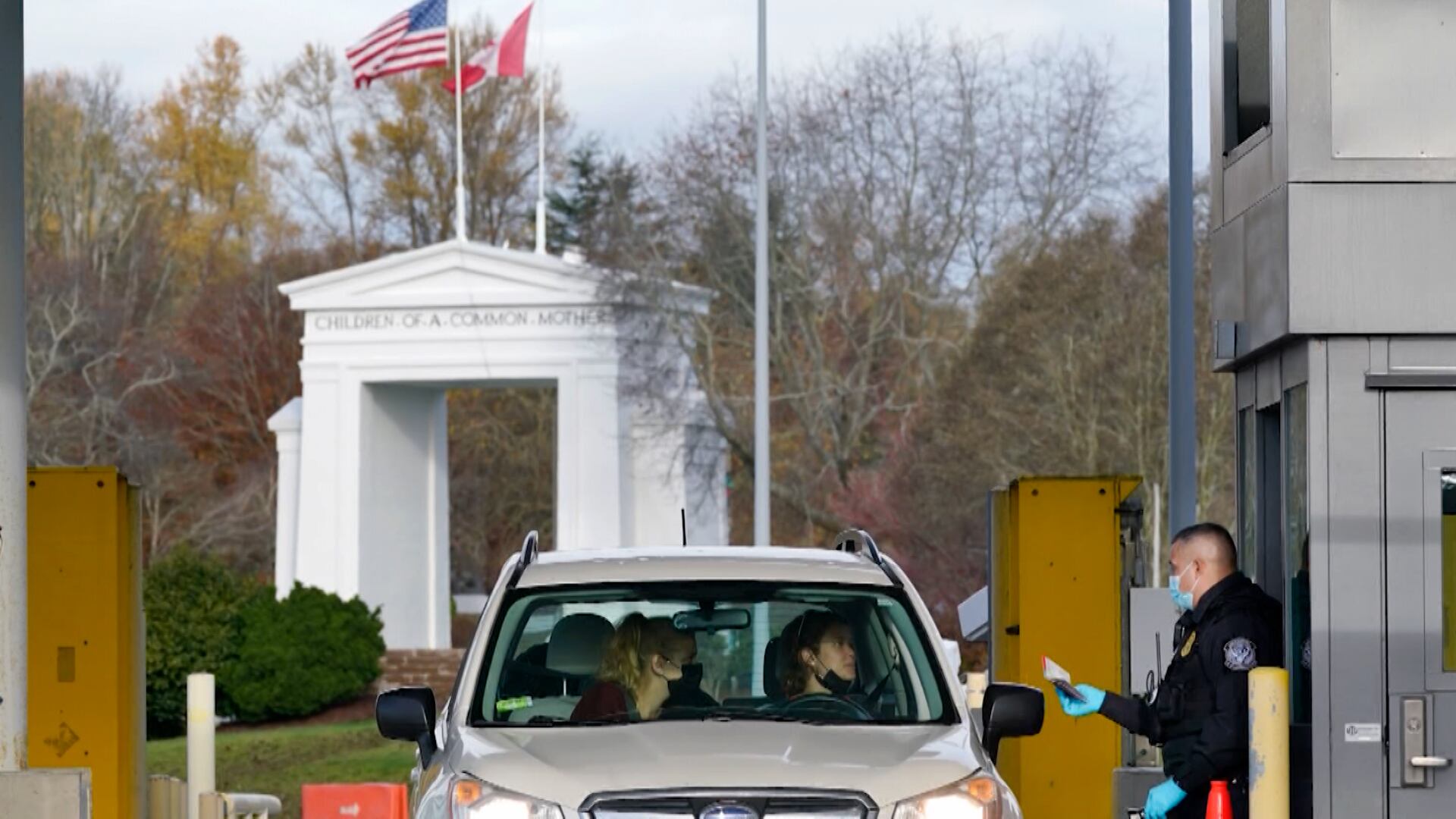
The U.S. will be implementing a vaccine mandate for all people entering through its land borders, removing exemptions for "essential" travelers such as truckers, students, and business people. While the Canadian Trucking Alliance argues that the new, stricter rule might exacerbate ongoing auto supply chain issues, some health experts see the potential for helping curb the ongoing pandemic. Anthony Santella, a professor of health administration at the University of New Haven, joined Cheddar to give his take on the updated border crossing restriction. "We can't just focus on one type of travel. We need to ensure that it's clear and consistent across all types of travel," Santella said.
Will Rhind, CEO of GraniteShares, joins Cheddar News' Closing Bell, where he says he believes the Fed's plans of increasing rates is taking its toll on some of the more speculative stocks and the technology market.
Mona Zhang, states cannabis policy reporter at POLITICO Pro joins Cheddar News to discuss major factors that caused Canada's retail marijuana sales to drop last year.
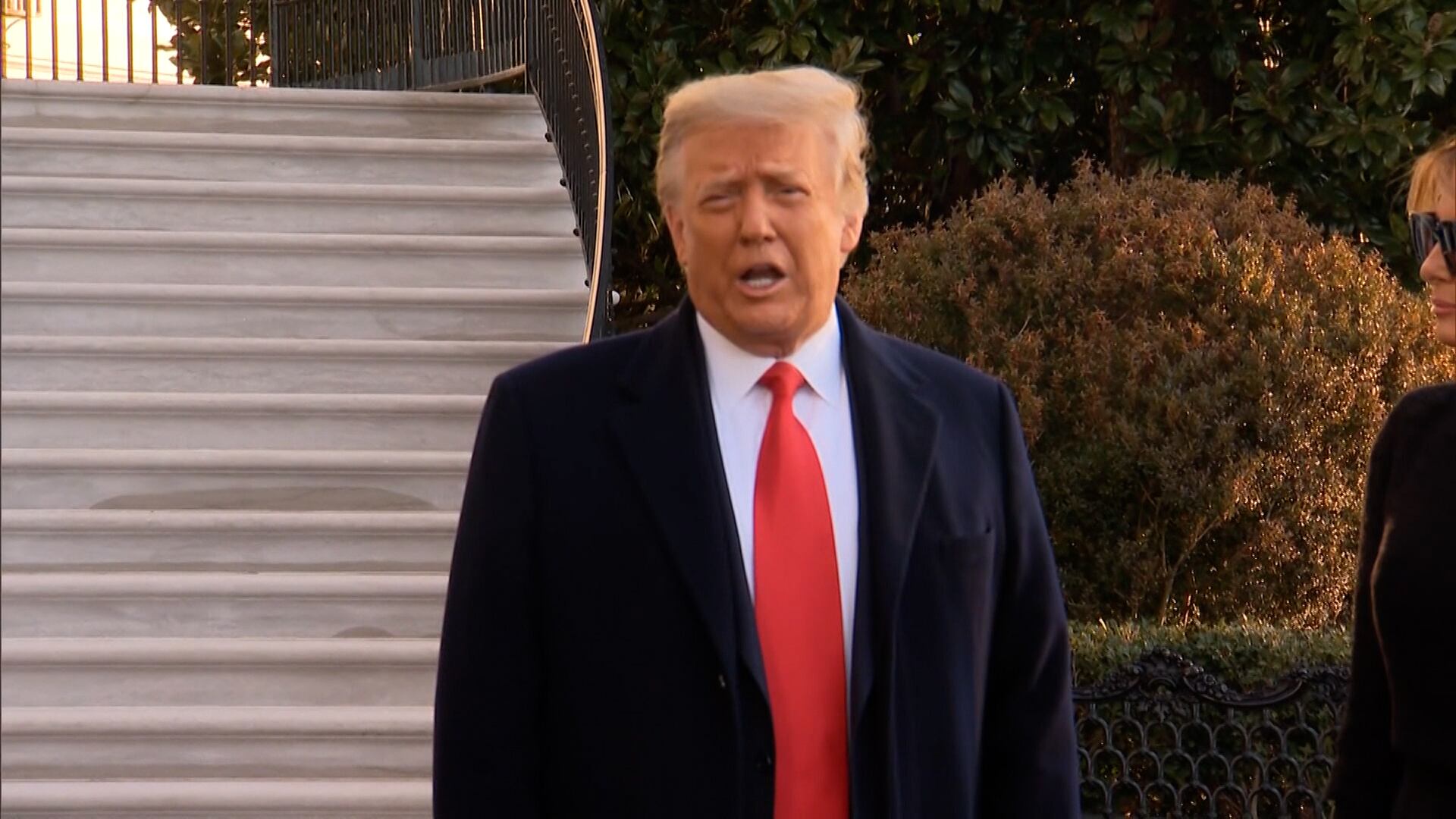
The January 6 committee has asked Ivanka Trump to give voluntary testimony, saying there's evidence she was in "direct contact" with her father on the day of the capitol insurrection. I's unclear whether she will comply with the invitation, but it marks the first time the House committee has sought testimony from a member of the former president's family. Bradley Moss, national security attorney, joined Cheddar News to discuss what the committee hopes to learn from Ivanka and what the Supreme Court's decision on Trump's Jan. 6 materials means for the investigation.