How Gen Z is Leading the World Towards a Cashless Society
Gen Z may already be far more tech-savvy than millennials will ever be. Their latest disruption? Cash.
While plastic cards have been moving money around the world for awhile, Shiv Singh, Visa’s Senior Vice President of Innovation and Strategic Partnerships, tells Cheddar that Gen Z is more likely to spend their bucks digitally. He says they are also more likely to use messaging platforms, such as China’s WeChat, to make transactions.
“They expect all of their payments … to happen in a Facebook messaging type of environment,” Singh said. “The amount of payment volume on WeChat itself has grown dramatically in the last twelve months.”
Singh foresees that this trend will “explode” around the world. Facebook recently jumped on board and announced that it’s integrating advertisements in its Messenger app. The move aims to facilitate purchases and communication between consumers and companies.
Singh says that all of these efforts are only the beginning of a cashless society. The executive adds that the first step towards a cashless society is waving contactless cards, like Apple Pay. The company projects that contactless payments will grow dramatically in the U.S. over the next two years.
Singh points out that 40 percent of the POS terminals are ready for contactless payments in the U.S.. “Now,” he says, “it’s all about educating the consumers, and putting the right technology in their hands.”
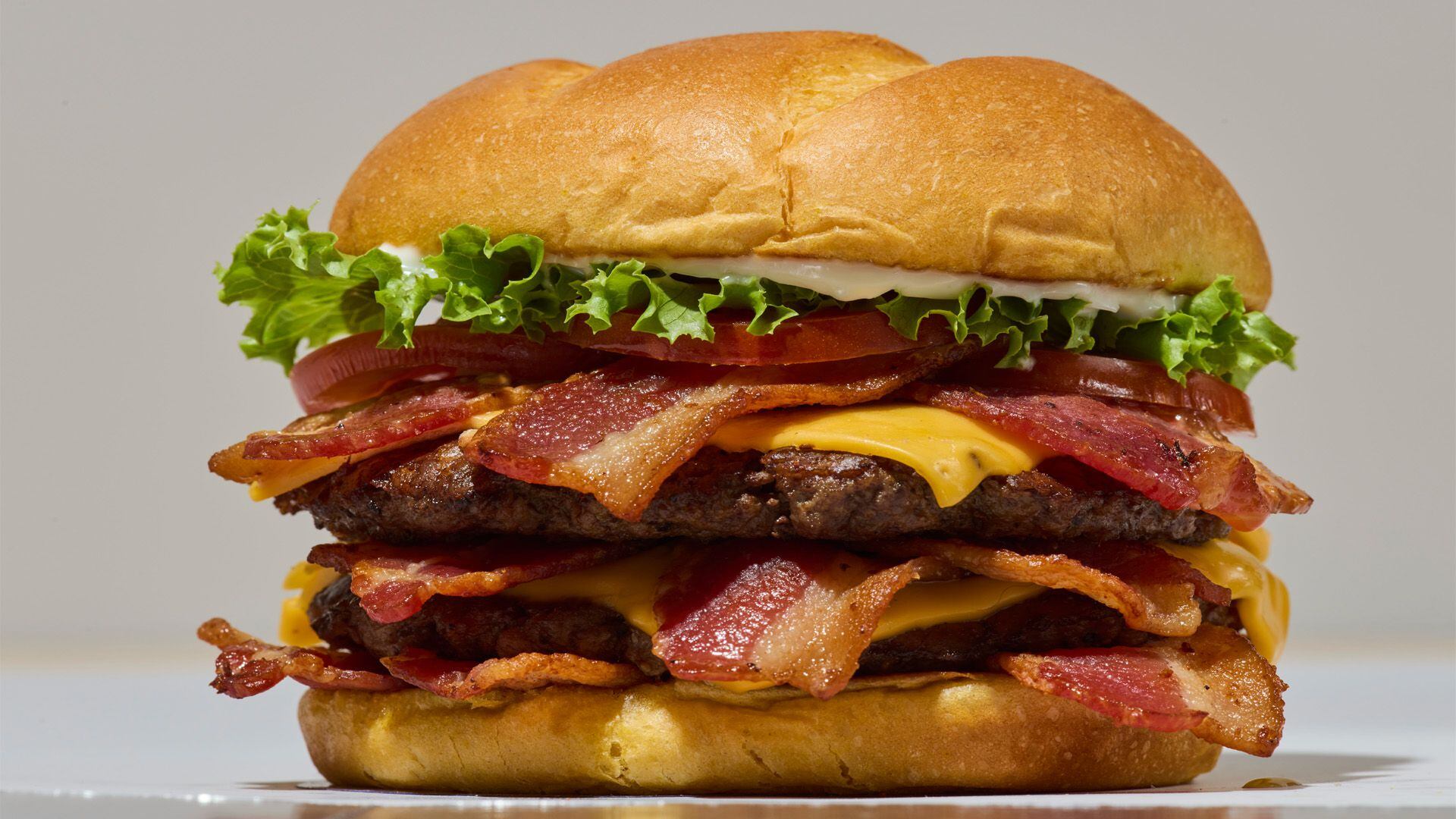
Smashburger CEO Denise Nelsen discusses how her time building the Starbucks brand gave her the tools to lead a Smashburger brand refresh, value wars, and more.
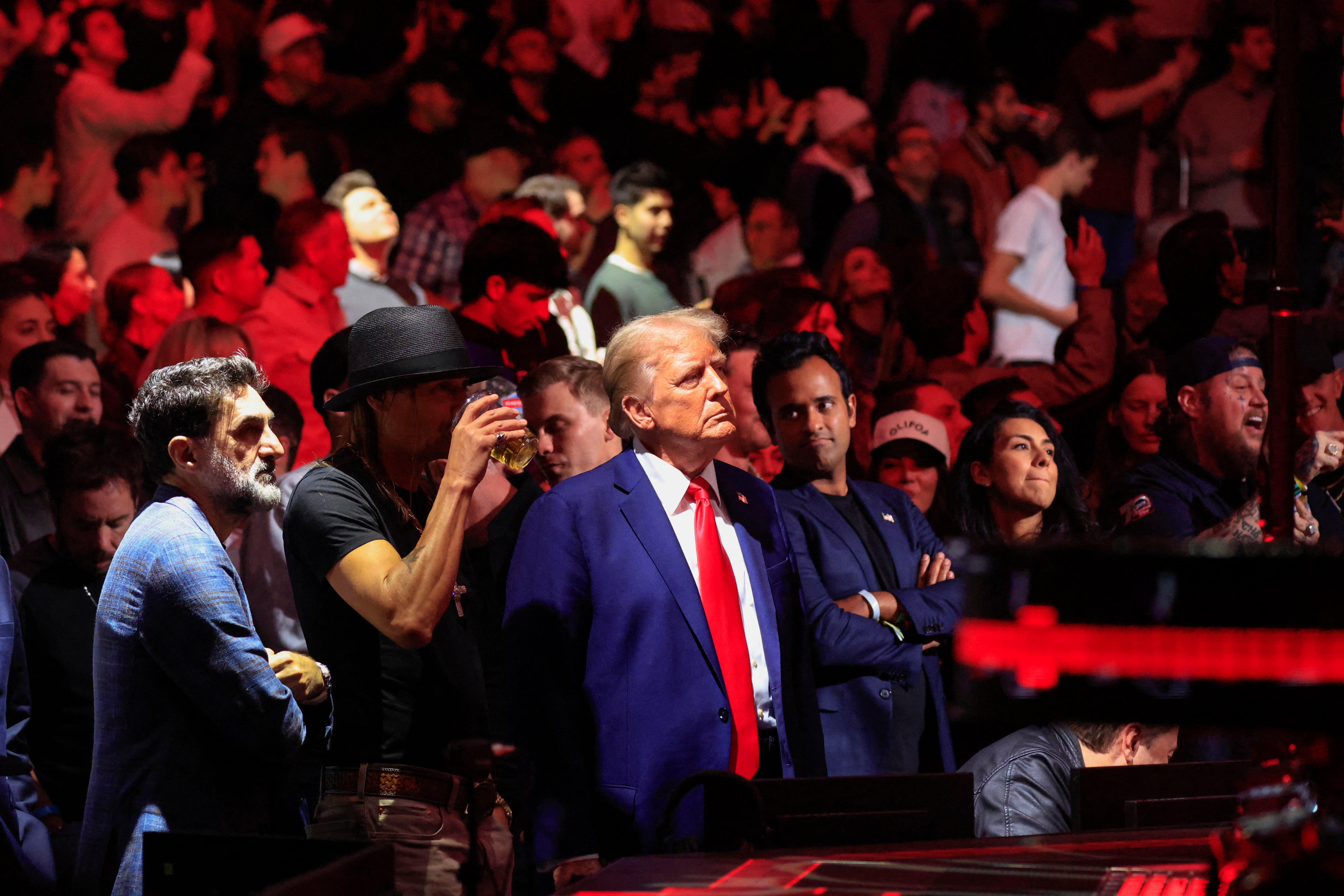
Charles Gillespie, Founder and CEO of Gambling.com Group comments on the billions of dollars in wagers placed on the outcome of the 2024 election and more.
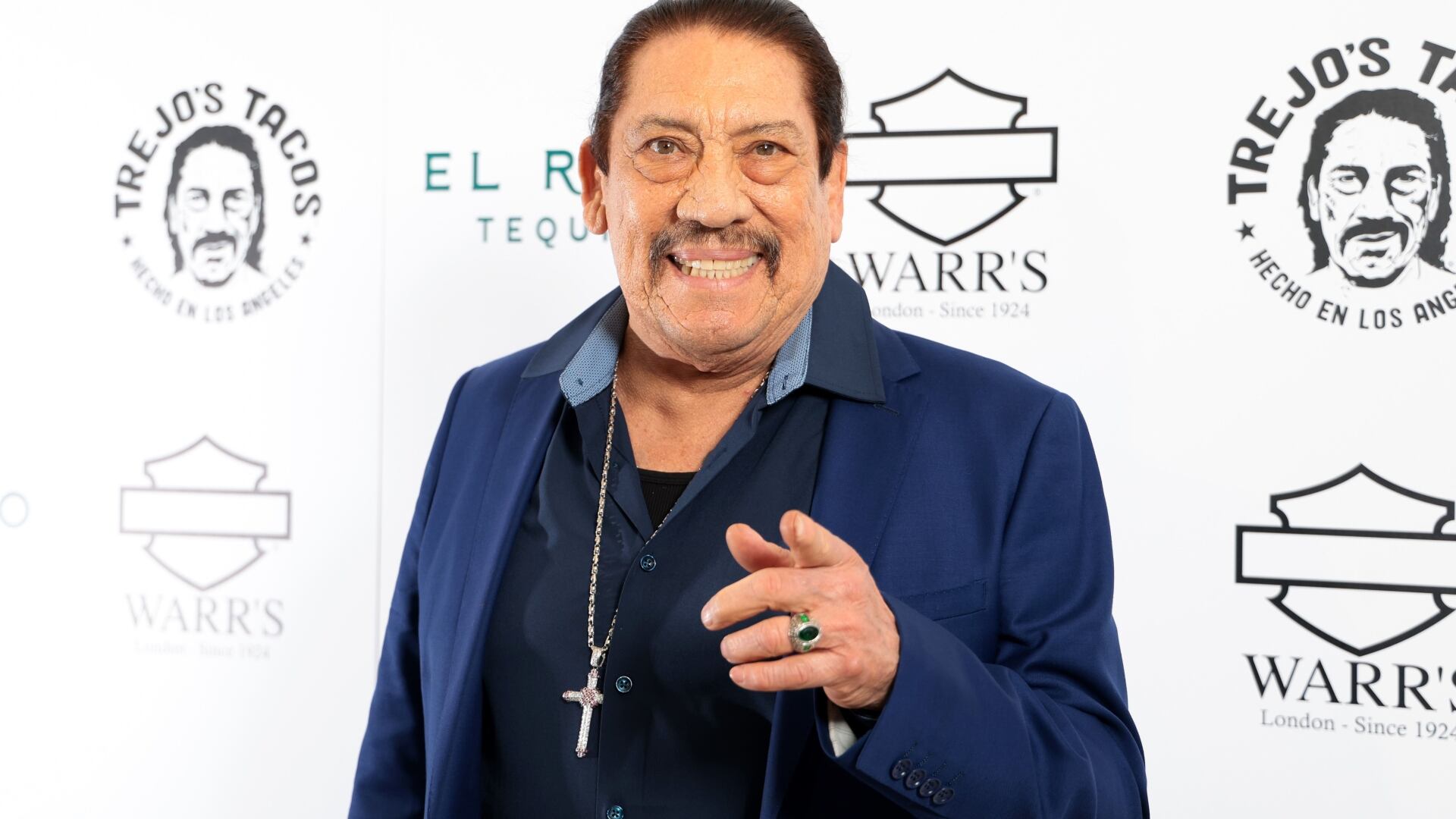
Danny Trejo joined Cheddar to discuss his upcoming show "Mysteries Unearthed" coming to the History Channel and his most recent entrepreneurial ventures.
His Royal Highness Prince Emanuele Filiberto Di Savoia, Prince of Venice, joined Cheddar to discuss his new game that lets everyday folks feel like a royal.
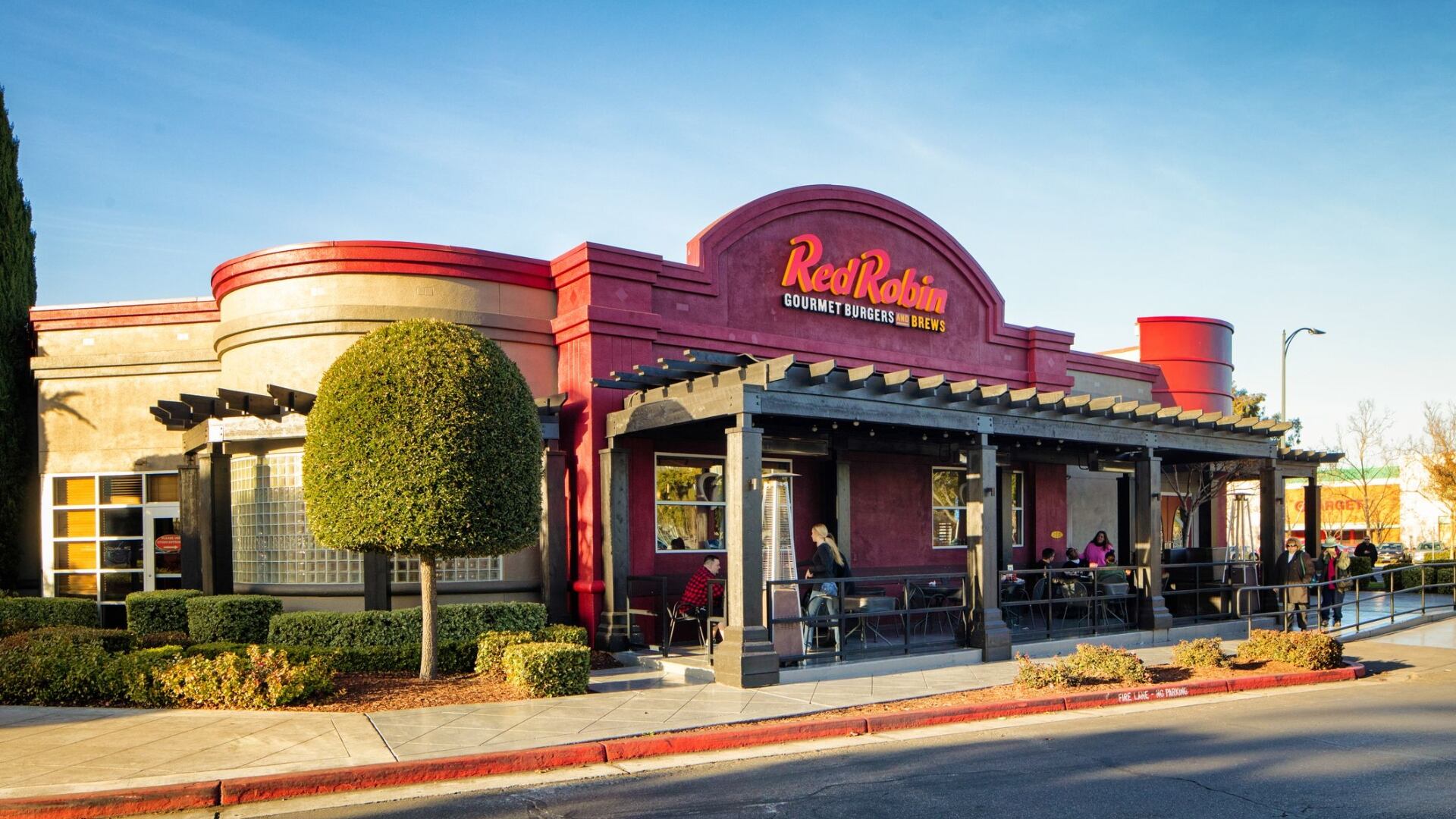
GJ Hart, CEO of Red Robin, discusses the company's place in the "value wars," what's next for the restaurant and his thoughts on Shake Shack in the sky. Watch!
Chiza Vitta, Managing Director Global Analytics at S&P Global Ratings joined Cheddar to discuss S&P's recent Megatrend findings and other 2025 predictions.
Greg O'Hara CEO at Certares joined Cheddar to discuss his personal experience with Wellness Tourism and his predictions for the future of the growing industry.