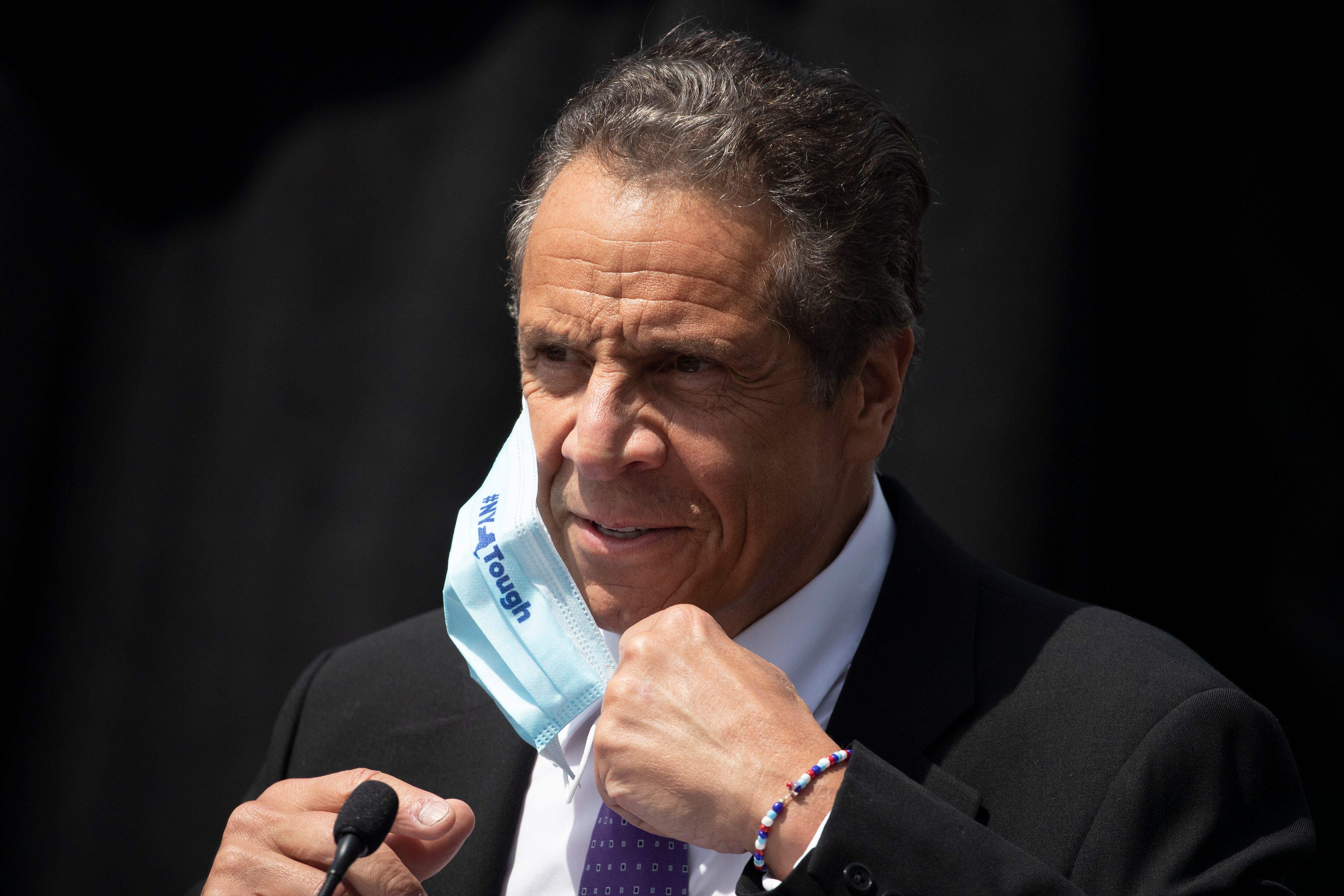
New York Gov. Andrew Cuomo removes a mask as he holds a news conference to announce the opening of a bicycle and pedestrian path across the Gov. Mario M. Cuomo Bridge, Monday, June 15, 2020 in Tarrytown, N.Y. (AP Photo/Mark Lennihan)
Updated 11:59 am ET
New York, Connecticut, and New Jersey will require visitors from states with high infection rates to quarantine for 14 days, New York Gov. Andrew Cuomo said Wednesday.
"We now have to make sure the rates continue to drop," Cuomo said. "We also have to make sure the virus doesn't come on a plane again."
Cuomo announced what was called a "travel advisory" at a briefing jointly via video feeds with New Jersey Gov. Phil Murphy and Connecticut Gov. Ned Lamont, both fellow Democrats.
The states' health departments will provide details of how the rule will work, Murphy said.
The announcement comes as summer travel to the states' beaches, parks, and other attractions -- not to mention New York City -- would normally swing into high gear.
Visitors from states over a set infection rate will have to quarantine, Cuomo said. As of Wednesday, states over the threshold were Alabama, Arkansas, Arizona, Florida, North Carolina, South Carolina, Washington, Utah, and Texas.
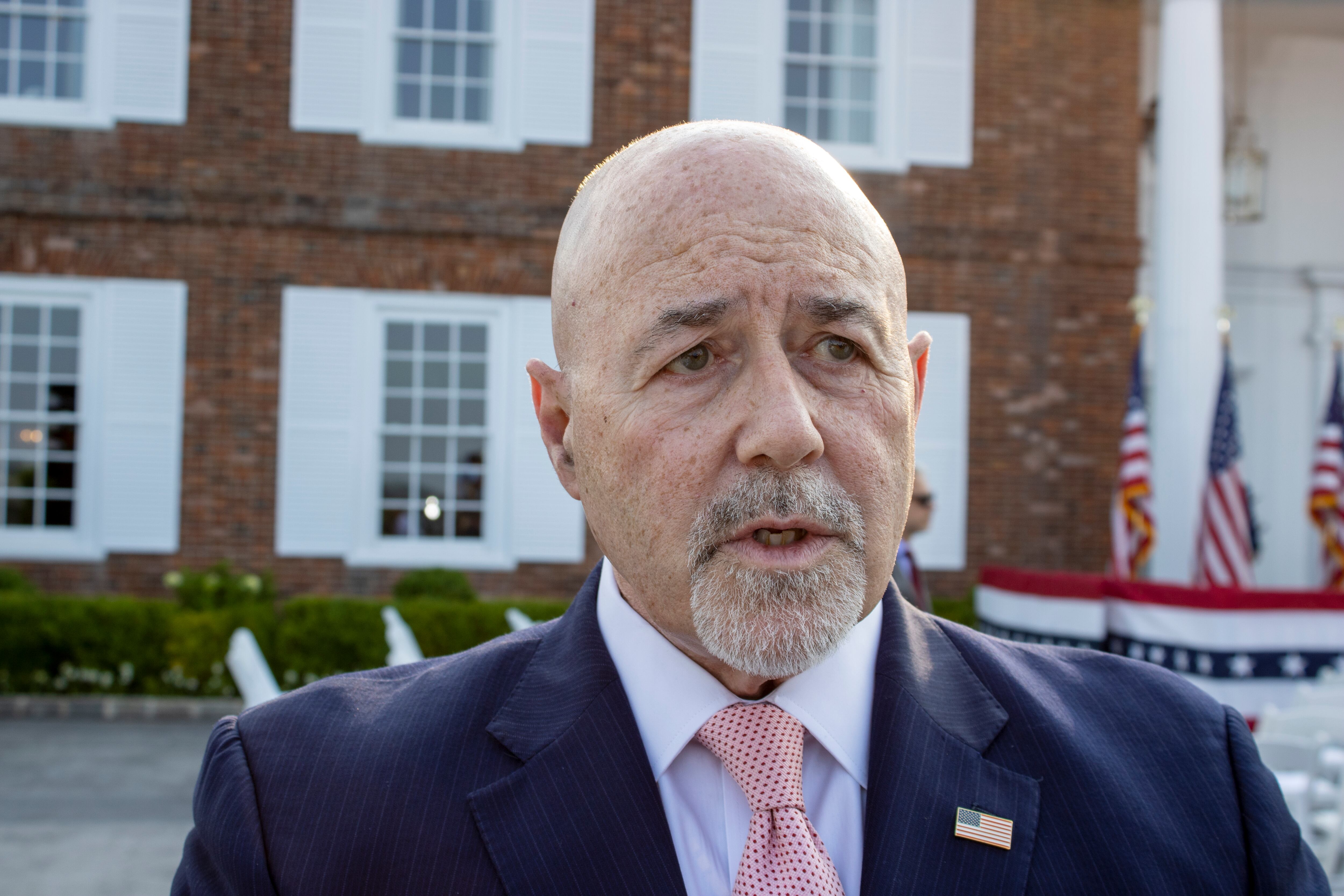
The lawyer for former NYPD commissioner Bernard Kerik turned over thousands of pages and documents to a special counsel as part of an investigation into Kerik's alleged involvement to overturn the results of the 2020 election.
Israel’s parliament on Monday approved the first major law in Prime Minister Benjamin Netanyahu’s contentious plan to overhaul the country’s justice system, triggering a new burst of mass protests and drawing accusations that he was pushing the country toward authoritarian rule.
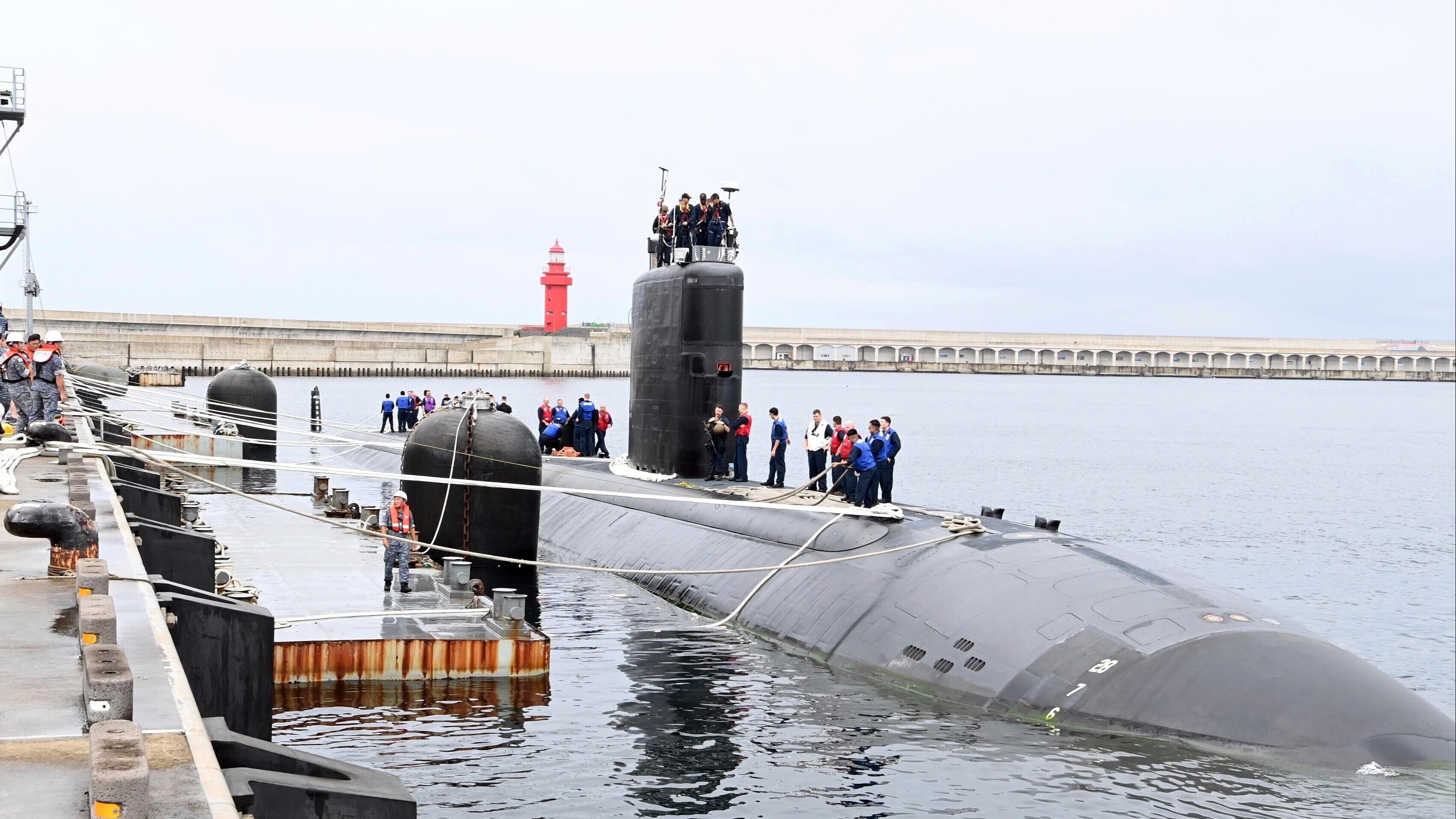
North Korea fired two short-range ballistic missiles into its eastern sea, South Korea’s military said Tuesday, adding to a recent streak in weapons testing that is apparently in protest of the U.S. sending major naval assets to South Korea in a show of force.
Now the federal Mine Safety and Health Administration has proposed a rule that would cut the current limit for silica exposure by half — a major victory for safety advocates. But there is skepticism and concern about the government following through after years of broken promises and delays.
A state trooper's account of officers denying migrants water in 100-degree Fahrenheit (37.7 Celsius) temperatures and razor wire leaving asylum-seekers bloodied has prompted renewed criticism.