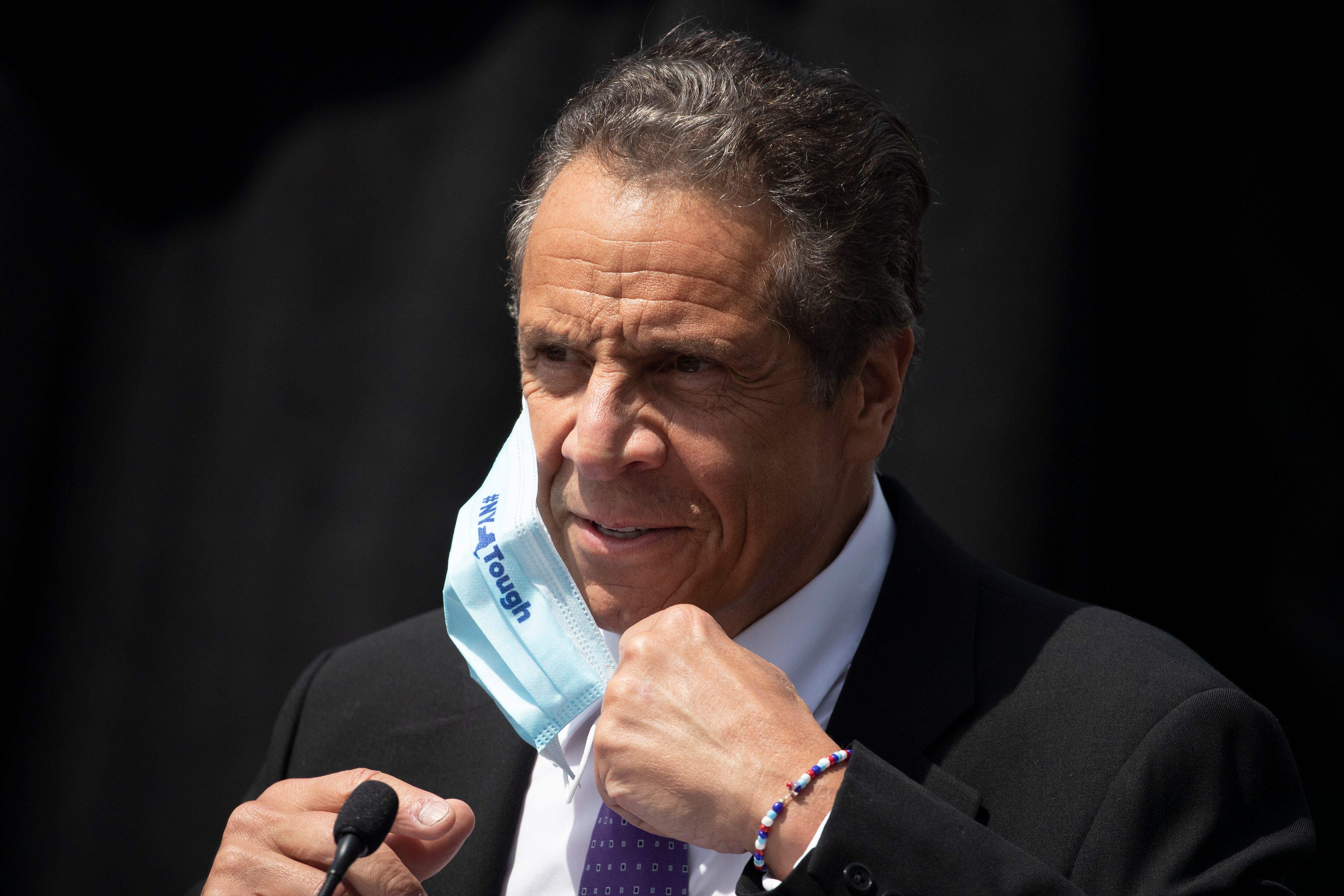
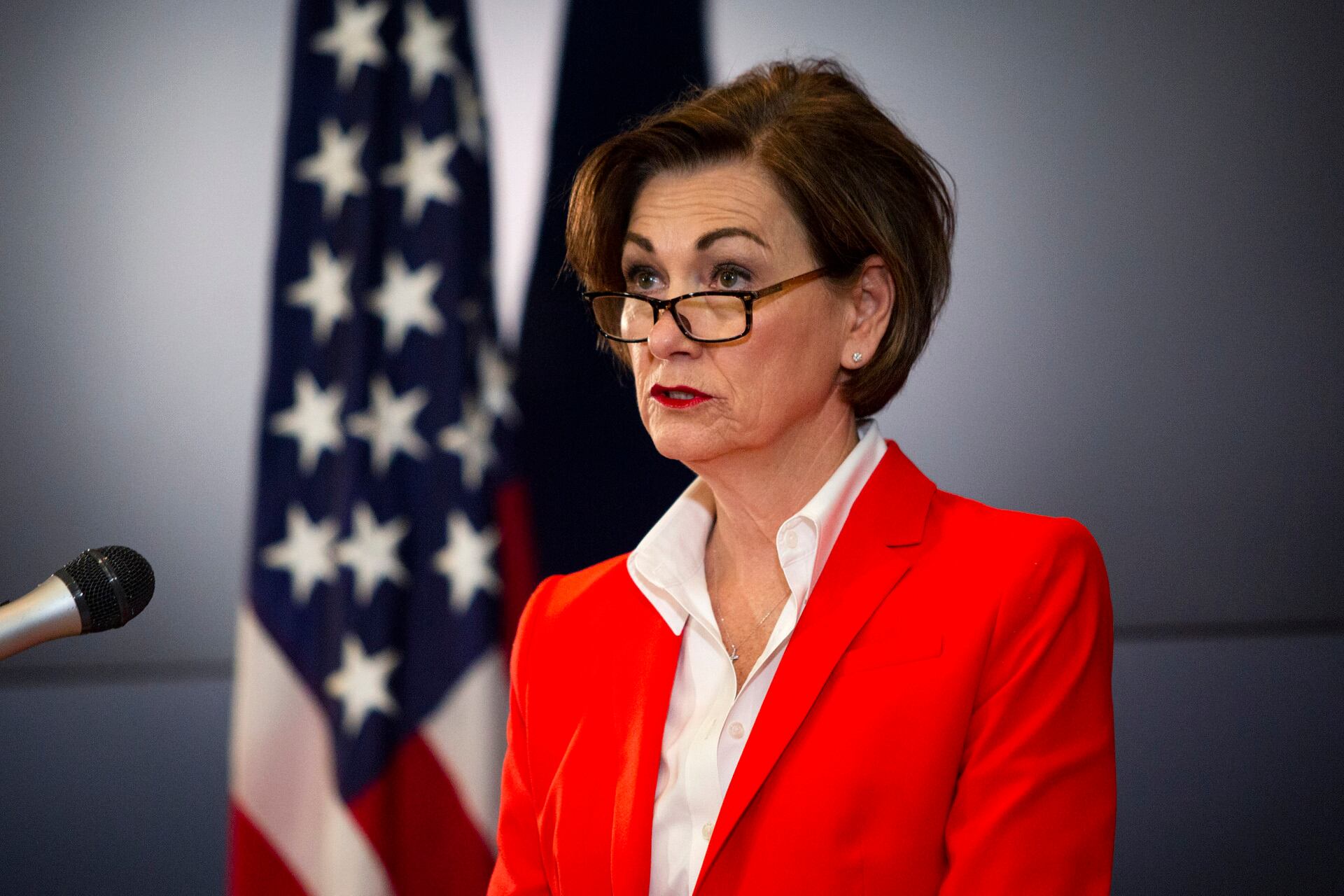
New York Gov. Andrew Cuomo removes a mask as he holds a news conference to announce the opening of a bicycle and pedestrian path across the Gov. Mario M. Cuomo Bridge, Monday, June 15, 2020 in Tarrytown, N.Y. (AP Photo/Mark Lennihan)
Updated 11:59 am ET
New York, Connecticut, and New Jersey will require visitors from states with high infection rates to quarantine for 14 days, New York Gov. Andrew Cuomo said Wednesday.
"We now have to make sure the rates continue to drop," Cuomo said. "We also have to make sure the virus doesn't come on a plane again."
Cuomo announced what was called a "travel advisory" at a briefing jointly via video feeds with New Jersey Gov. Phil Murphy and Connecticut Gov. Ned Lamont, both fellow Democrats.
The states' health departments will provide details of how the rule will work, Murphy said.
The announcement comes as summer travel to the states' beaches, parks, and other attractions -- not to mention New York City -- would normally swing into high gear.
Visitors from states over a set infection rate will have to quarantine, Cuomo said. As of Wednesday, states over the threshold were Alabama, Arkansas, Arizona, Florida, North Carolina, South Carolina, Washington, Utah, and Texas.
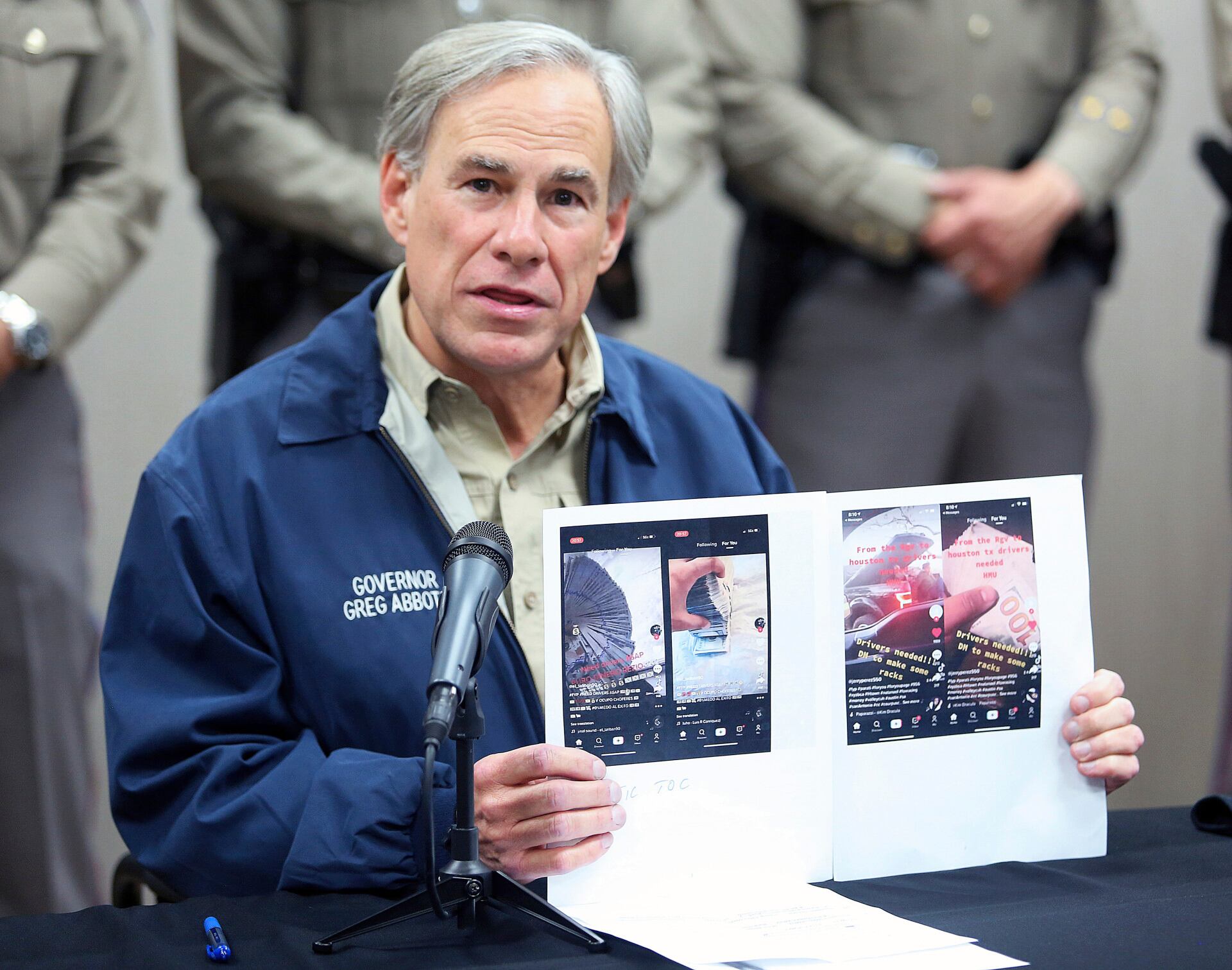
A First Amendment group sued Texas Governor Greg Abbott and others on Thursday over the state’s TikTok ban on official devices, arguing the prohibition – which extends to public universities – is unconstitutional and impedes academic freedom.
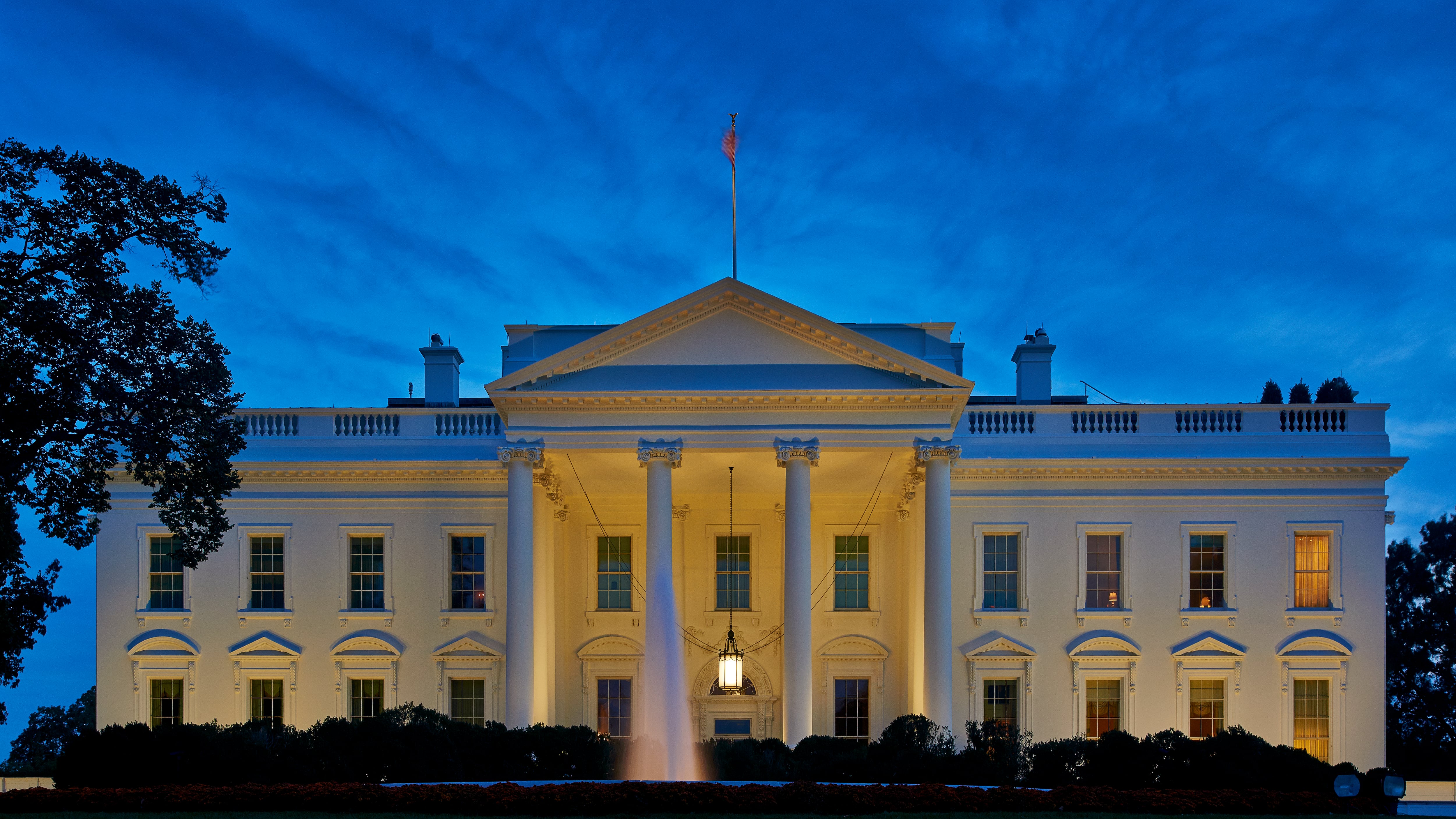
No fingerprints or DNA turned up on the baggie of cocaine found in a lobby at the White House last week despite a sophisticated FBI crime lab analysis, and surveillance footage of the area didn’t identify a suspect, according to a summary of the Secret Service investigation obtained by The Associated Press. There are no leads on who brought the drugs into the building.
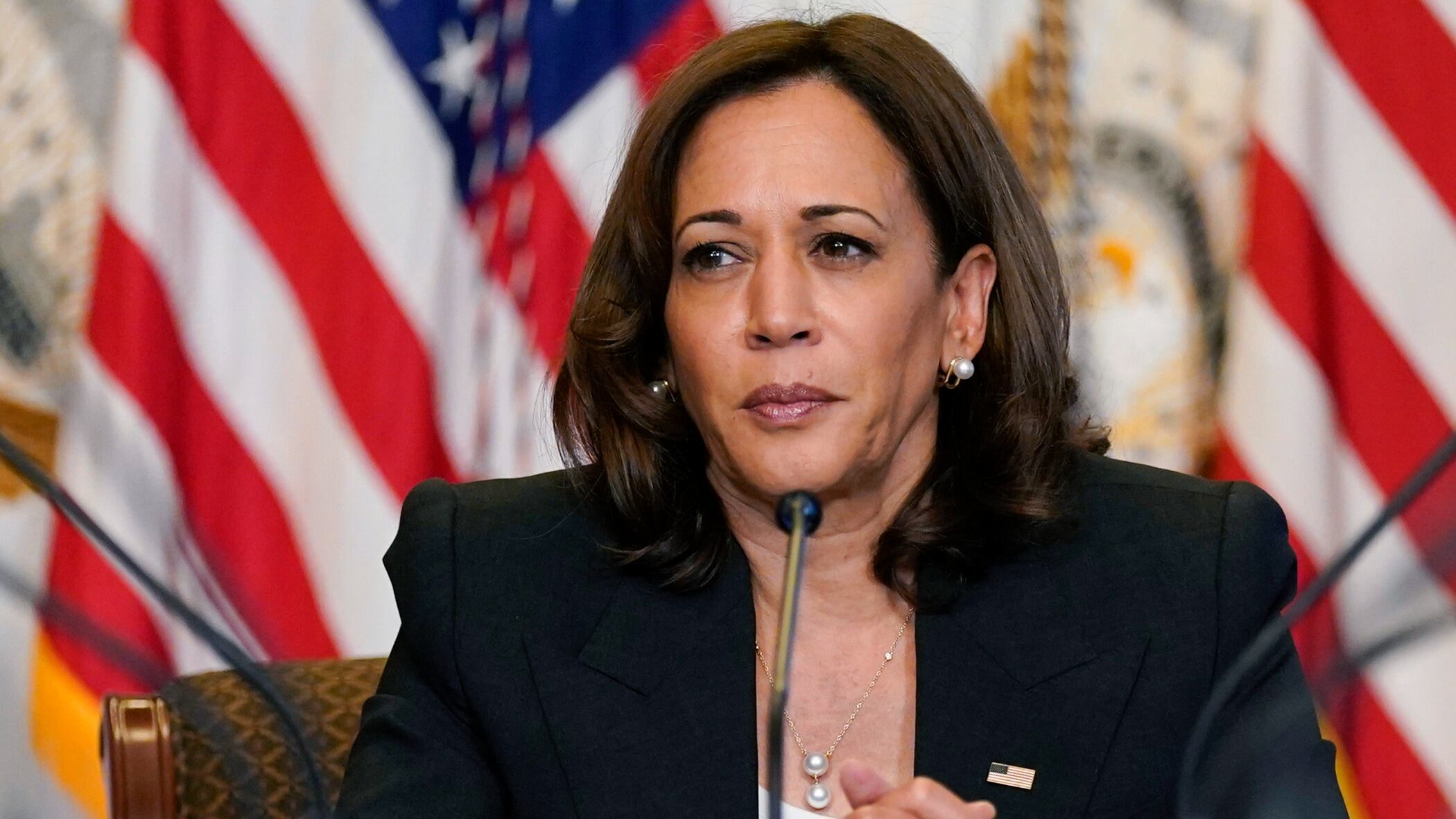
Kamala Harris, who made history as the first woman or person of color to serve as vice president, has made history again by matching the record for most tiebreaking votes in the Senate.
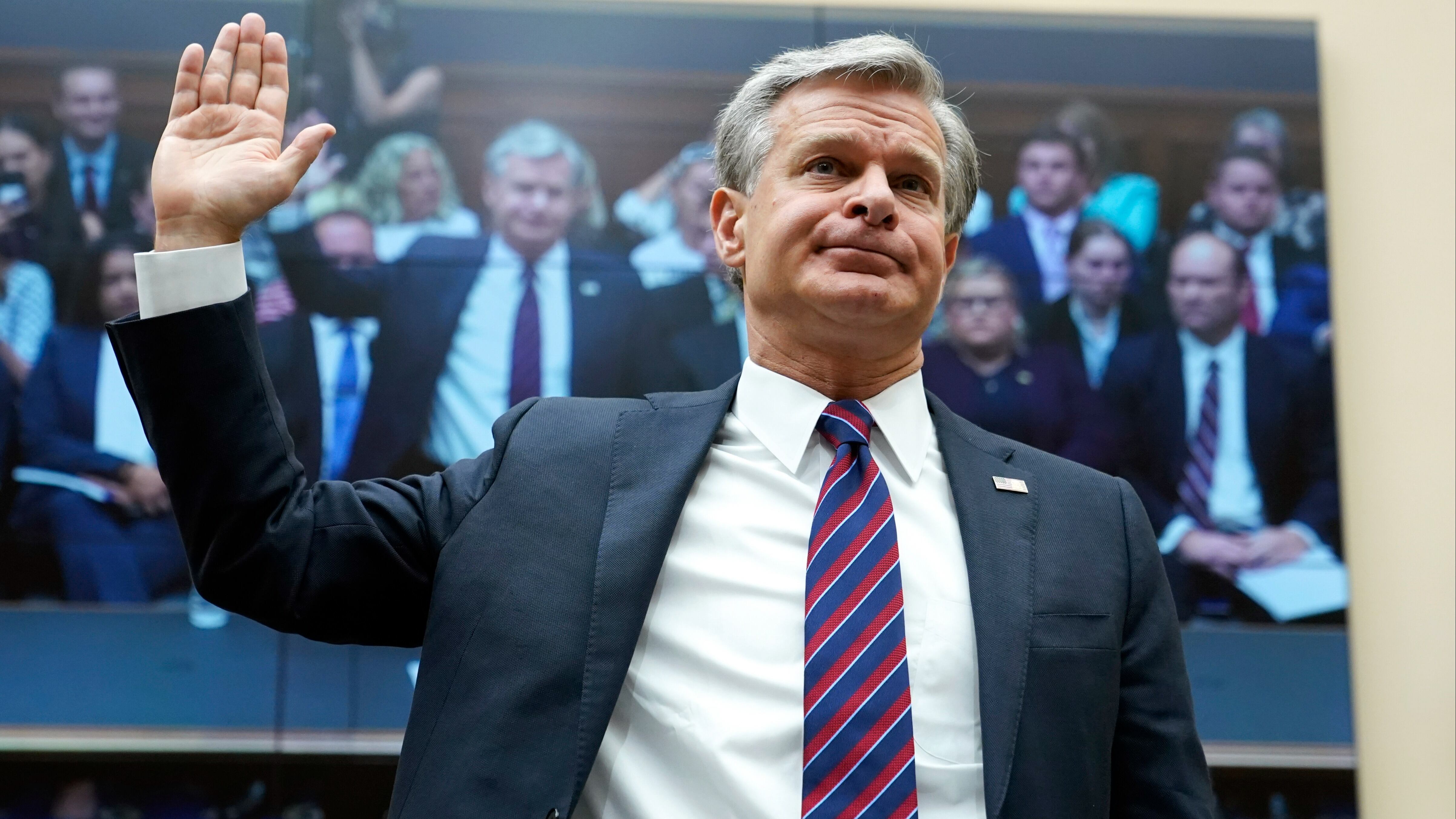
Republicans on the House Judiciary Committee accused the agency of targeting conservatives, suppressing evidence that Covid-19 came from a lab leak and abusing its surveillance powers.
The Biden administration calls it a “student loan safety net.” Opponents call it a backdoor attempt to make college free. And it could be the next battleground in the legal fight over student loan relief.
Nearly 30,000 people in Mississippi were dropped from the state's Medicaid program after an eligibility review that the government ended during the pandemic.