While the rollout of coronavirus vaccines has given hope to the beleaguered travel industry,
Axel Hefer, CEO of Trivago, an online search and price comparison site for hotels, anticipates at least another quarter, if not multiple years, before the sector fully recovers.
"We do think that the first quarter will stay very difficult for the travel industry," Hefer told Cheddar. "The situation is still very serious. It feels more under control, and the vaccine rollout is obviously contributing to that, but the number of infections and also the death toll is still very high in the U.S. and also in many European markets."
He added that next summer in the Northern Hemisphere could offer a reprieve — as those holed up during the pandemic go on their first vacations in over a year — but even when travel does begin to return to normal levels, it could look very different than before COVID-19.
Trends, such as travelers taking more domestic flights or visiting nearby international neighbors that had begun in 2020, are likely to continue next year, Hefer noted. It will also likely take time for travelers' expectations to adjust from new normals that emerged during the pandemic.
"The quarantine requirements that are currently implemented in many, many countries will not be forgotten, so it will take some time to normalize," he said.
For travel businesses, Hefer said preparing for a smaller market that could last years is key to survival.
"Even with a positive outlook for 2021, it will not be anywhere close to 2019, and that obviously has some implications on the size of your business and also on your operations," he said.
As for when travel will return to pre-pandemic levels, Hefer stressed that different parts of the industry will recover at different rates. Business travel, for instance, might never reach its former heights, as more work is done remotely, while local travel could bounce back as early as next year.
Whether a company survives this uneven transition depends largely on its strength going into the crisis and how they have operated during it, he added.
"Not every airline will make it through the crisis. Not every travel business will make it through the crisis."
BiggerPockets Money podcast is now available on Cheddar Wednesdays at 10am ET! Mindy Jensen shares how her podcast is helping people gain financial freedom.
The social video platform's future remains in doubt, as players scramble to profit from the chaos. Plus: Big oil gets bigger, DOGE downsizes, and tariffs!
Ty Young, CEO of Ty J. Young Wealth Management, joins Cheddar to discuss Trump's moves as he returns to Washington D.C. and how it may affect the U.S. economy.
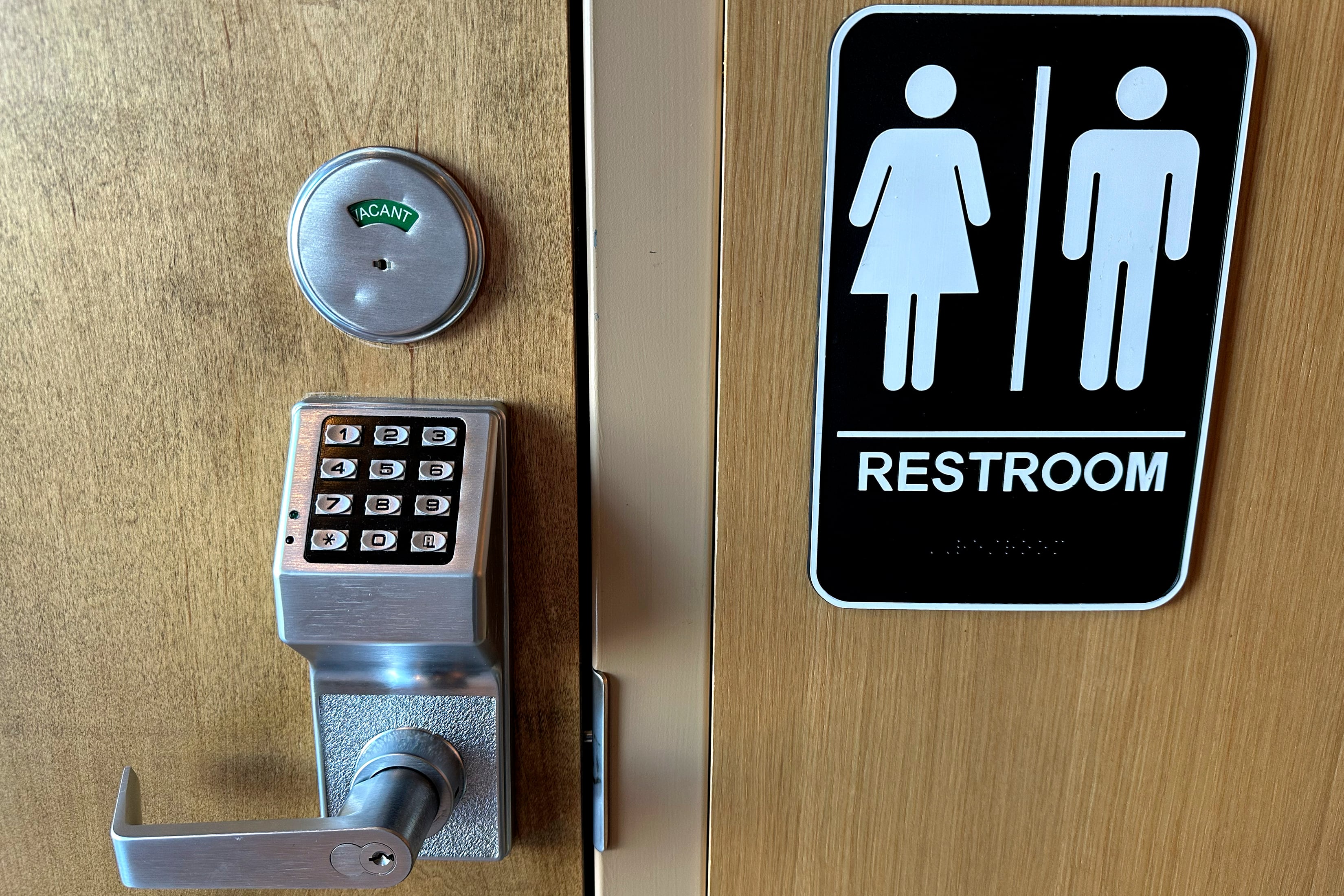
Starbucks’ decision to restrict its restrooms to paying customers has flushed out a wider problem: a patchwork of restroom use policies that varies by state and city. Starbucks announced last week a new code of conduct that says people need to make a purchase if they want to hang out or use the restroom. The coffee chain's policy change for bathroom privileges has left Americans confused and divided over who gets to go and when. The American Restroom Association, a public toilet advocacy group, was among the critics. Rules about restroom access in restaurants vary by state, city and county. The National Retail Federation says private businesses have a right to limit restroom use.
President Donald Trump is talking up a joint venture investing up to $500 billion for infrastructure tied to artificial intelligence by a new partnership formed by OpenAI, Oracle and SoftBank. The new entity, Stargate, will start building out data centers and the electricity generation needed for the further development of the fast-evolving AI in Texas, according to the White House. The initial investment is expected to be $100 billion and could reach five times that sum. While Trump has seized on similar announcements to show that his presidency is boosting the economy, there were already expectations of a massive buildout of data centers and electricity plants needed for the development of AI.
Chris Ruder, Spikeball Founder and CEO, explains how he and his friends put roundnet on the global map, plus, how Spikeball helps people "find their circle."
J.W. Roth, CEO of Venu Holding Corporation, discusses the company's IPO and plans to redefine live music entertainment with their fan founded, fan-owned model.