The Trump administration is seeking to limit the drastic cuts that ailing U.S. airlines can make as they struggle through the COVID-19 pandemic.
The Transportation Department on Tuesday finalized guidance requiring airlines to maintain a minimum level of service to be eligible for some $50 billion in federal aid that was included in the $2 trillion relief package that President Trump signed March 27.
"The order is designed to ensure that covered air carriers maintain a defined minimum level of flights to communities they served prior to March 1," the department said in a statement.
The requirements will remain in place through at least September 30.
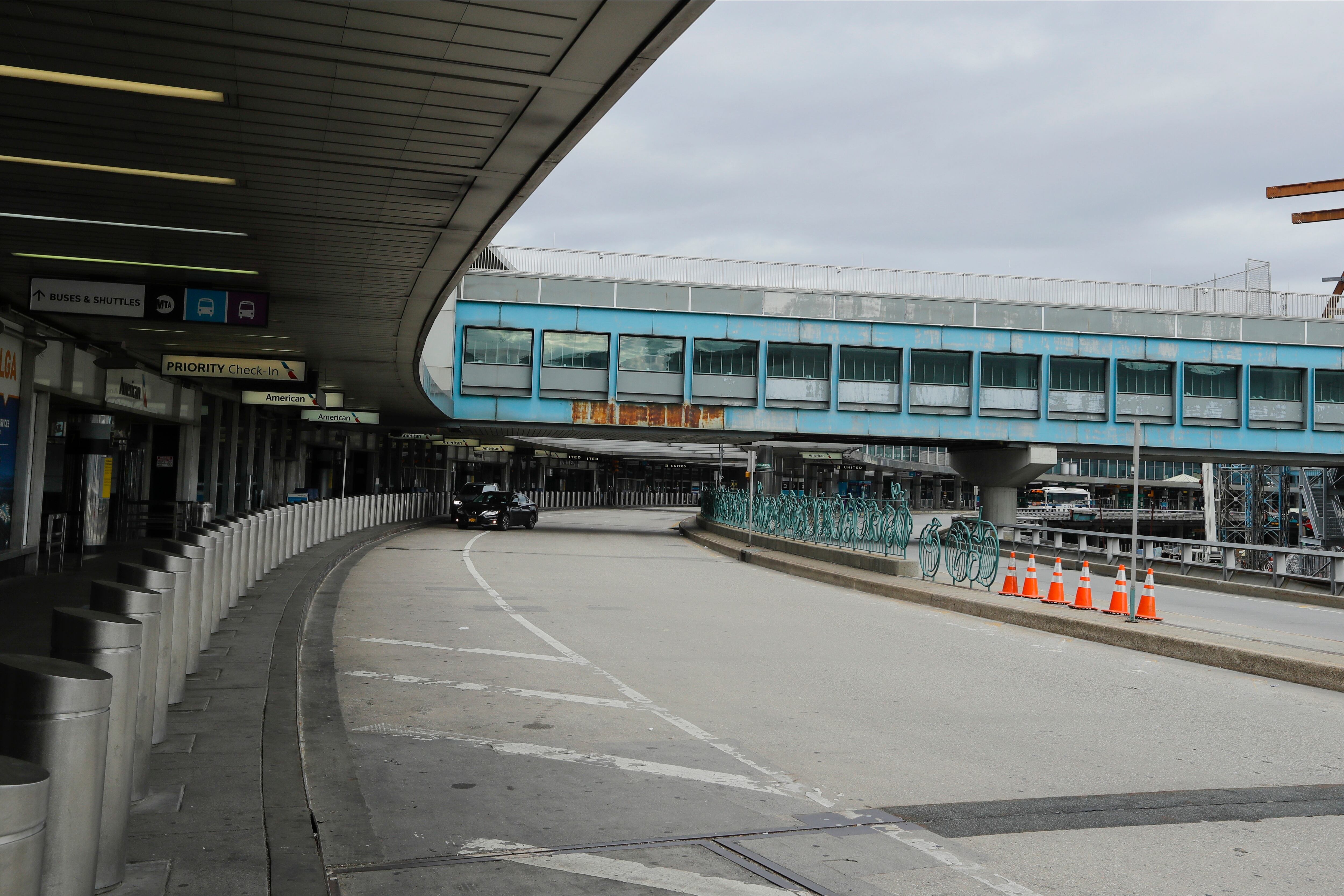
The DOT released the final version of the rule as major U.S. carriers such as American Airlines and United Airlines have instituted dramatic flight cancellations at some of the nation's busiest airports. As passenger travel has slowed to a trickle, American slashed its daily flights from John F. Kennedy, LaGuardia, and Newark airports from 270 to 13. United has meanwhile cut its operations from 157 flights to 17.
Airlines said that they were reviewing the Transportation Department's final order to see whether they would need to seek a waiver from the agency to maintain the flight reductions. One industry insider said that a previous Transportation Department action relaxing the strict use-it-or-lose-it rules governing the lucrative takeoff slots at busy airports may cover the flight reductions that have already been implemented.
However, the DOT's final rule states that some canceled routes may need to be restarted for airlines to receive aid through the Coronavirus Aid, Relief and Economic Security, or CARES, Act.
The final rules ease some of the measures in a draft proposal from last week. Budget carriers such as Allegiant, Spirit, and Sun Country, for example, had argued that the minimum service requirements would impose a disproportionate burden on their operations. The DOT appeared to recognize this feedback in adding a category that allows greater leniency for airlines that make up less than 10 percent of domestic capacity.
"The Department has determined that the impact on these carriers from the approach proposed … would be disproportionate and potentially at odds with the aims of the CARES Act," the rule says. Similarly, it states, "The Department recognizes the significant operational and financial challenges that would be imposed on carriers operating seasonal services should they be required to operate them year-round."