The August sell-off in stocks has investors rushing to the relative safety of bonds, sending the yield of the benchmark 10-year Treasury note to its lowest in nearly three years.
"The bond market is screaming that the economy is slowing; that the trade war is going to escalate," said Jim Bianco, president and macro strategist at Bianco Research.
Bianco told Cheddar on Wednesday, as the Dow Industrials traded lower by nearly 300 points, that treasury yields are telling economists something that the stock market is not. The combination of trade concerns, a cooling global economy, and the Fed's seeming unwillingness to keep cutting rates is flashing warning lights for the U.S. economy.
For those who would point to relatively strong corporate earnings, a 50-year low in unemployment, stable inflation, and high consumer confidence, Bianco responded that those are all "backward-looking" indicators that "discount where we're going." The bond market, however, show "where we're going."
The Fed Funds rate ー which currently is close to 2 percent after last month's rate cut ー may seem low historically, but Bianco said that it's all relative. "It's actually high because it's higher than every other interest rate in the world." In his argument, more rate cuts are in order sooner rather than later because while the Fed can be too late to act, it can't be too early. If further rate cuts now don't help the economy, rate cuts later won't either, he said.
"It's either going to work now or it's not going to work at all."
The market, for its part, is pricing in five rate cuts between last month and next year, which Bianco said is not even remotely the consensus of economists. It's rare ー and worrisome ー that the market is pricing in an extreme like that.
Meanwhile, bond yields continued to move lower in the UK and Germany ー a sign that the flight to safety for fixed-income traders is not isolated to the U.S. and that a trade war with China that continues to show no end in sight is increasingly a global sign of worry about what's to come.
Spain's government has fined Airbnb 64 million euros or $75 million for advertising unlicensed tourist rentals. The consumer rights ministry announced the fine on Monday. The ministry stated that many listings lacked proper license numbers or included incorrect information. The move is part of Spain's ongoing efforts to regulate short-term rental companies amid a housing affordability crisis especially in popular urban areas. The ministry ordered Airbnb in May to remove around 65,000 listings for similar violations. The government's consumer rights minister emphasized the impact on families struggling with housing. Airbnb said it plans to challenge the fine in court.
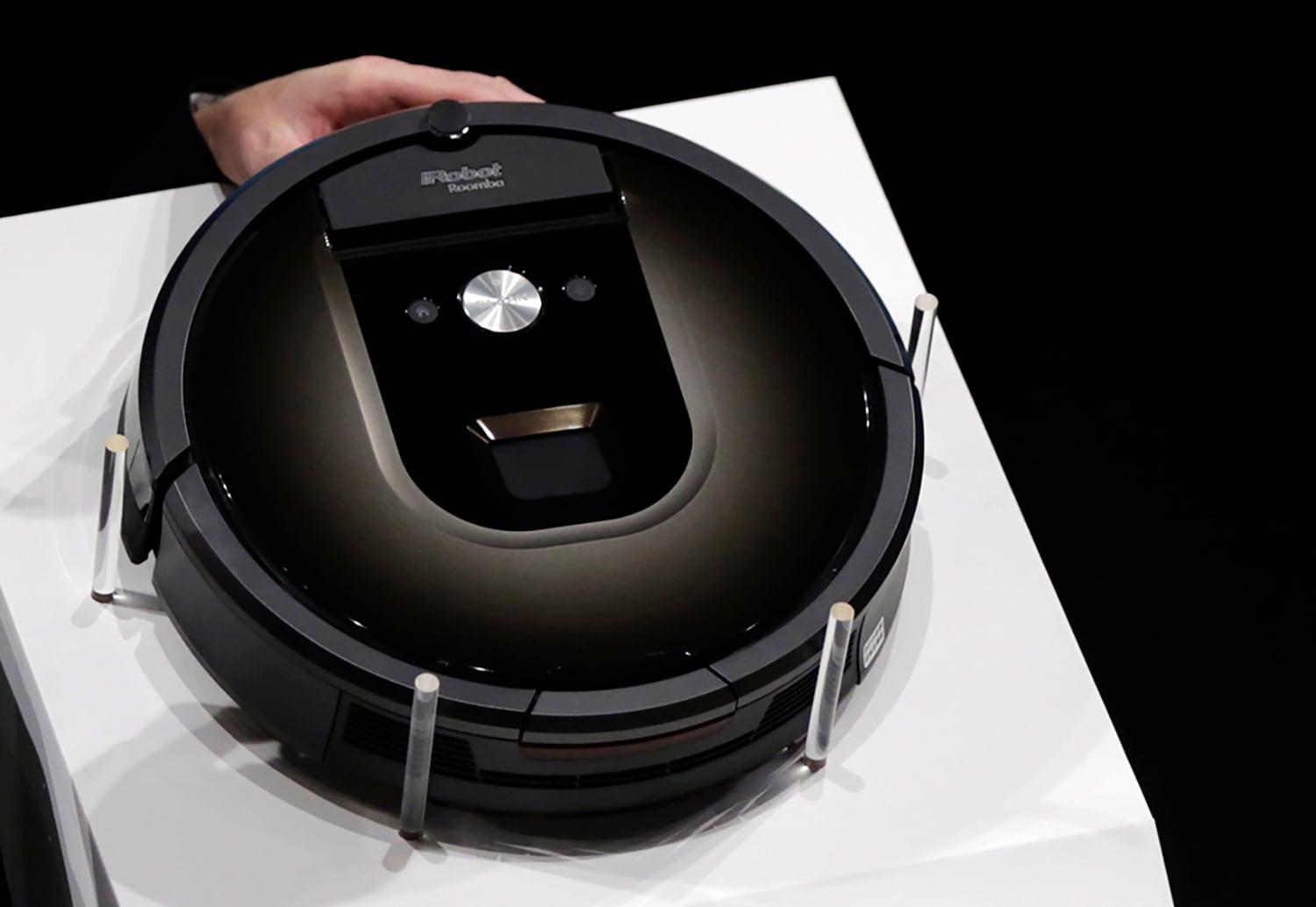
Roomba maker iRobot has filed for Chapter 11 bankruptcy protection, but says that it doesn’t expect any disruptions to devices as the more than 30-year-old company is taken private under a restructuring process. iRobot said that it is being acquired by Picea through a court-supervised process. Picea is the company's primary contract manufacturer. The Bedford, Massachusetts-based anticipates completing the prepackaged chapter 11 process by February.
Serbia’s prosecutor for organized crime has charged a government minister and three others with abuse of position and falsifying of documents related to a luxury real estate project linked to U.S. President Donald Trump’s son-in-law Jared Kushner. The charges came on Monday. The investigation centers on a controversy over a a bombed-out military complex in central Belgrade that was a protected cultural heritage zone but that is facing redevelopment as a luxury compound by a company linked to Kushner. The $500 million proposal to build a high-rise hotel, offices and shops at the site has met fierce opposition from experts at home and abroad. Selakovic and others allegedly illegally lifted the protection status for the site by falsifying documentation.
Wealthfront’s CFO Alan Iberman talks the $2.05B IPO and the major moment for robo banking as the company bets on AI, automation, and “self-driving money."