Toy Company KiwiCo Sees Children as 'Young Innovators'
*By: Madison Alworth*
Many toy makers may feel imperiled by the closing of Toys 'R' Us, but KiwiCo seems to be doing just fine.
The company, which sells kits that encourage kids to build and create their own toys, says sales have grown at an annual rate of about 60 percent a year since its founding in 2011.
"This year we are approaching $100 million in sales," said Sandra Oh Lin, the company's founder and CEO, in an interview with Cheddar.
KiwiCo took in a round of financing to the tune of $10 million early on. It started producing STEM-based toys, but evolved to sell crates of materials to build toys for everything from engineering to art to more.
"In a few weeks we are actually launching a new line called Atlas Crate, which is all about geography and encouraging kids to see themselves as global citizens," Oh Lin said.
"We are really about encouraging kids to see themselves as young innovators. We want them to embrace the thought that they are makers, that they have innate creativity. What we are trying to do is instill that creative confidence as well as the tools."
The crates are available as stand-alone products and through a subscription service. A [monthly subscription](https://www.kiwico.com/) starts at $19.95 but goes down in price if customers sign on for longer periods.
For the full segment, [click here.](https://cheddar.com/videos/kiwico-subscription-services-for-stem-toys)
Credit Suisse saw its shares stabilize after the Swiss National Bank approved a loan of nearly $54 million for the company. A top investor notified Credit Suisse on Wednesday that it wouldn't be able to provide further assistance to the lender.
Cheddar News breaks down what surge pricing is and how it works as a variety of businesses are taking notes from models long used by airlines and ridesharing companies to boost profits.
Fewer Americans applied for jobless claims last week as the labor market continues to thrive despite the Federal Reserve's efforts to cool the economy and tamp down inflation.
Stocks rallied after a group of big banks offered a lifeline to the bank Wall Street had zeroed in on in its hunt for the next victim in the industry’s struggles.
The Federal Reserve on Wednesday evening said its long-awaited digital payment system, the FedNow Service, will start operating in July. The service is designed to provide a national platform for financial institutions to settle payments in real-time and at lower cost. That could include large banks, payment processors, and the U.S. Treasury.
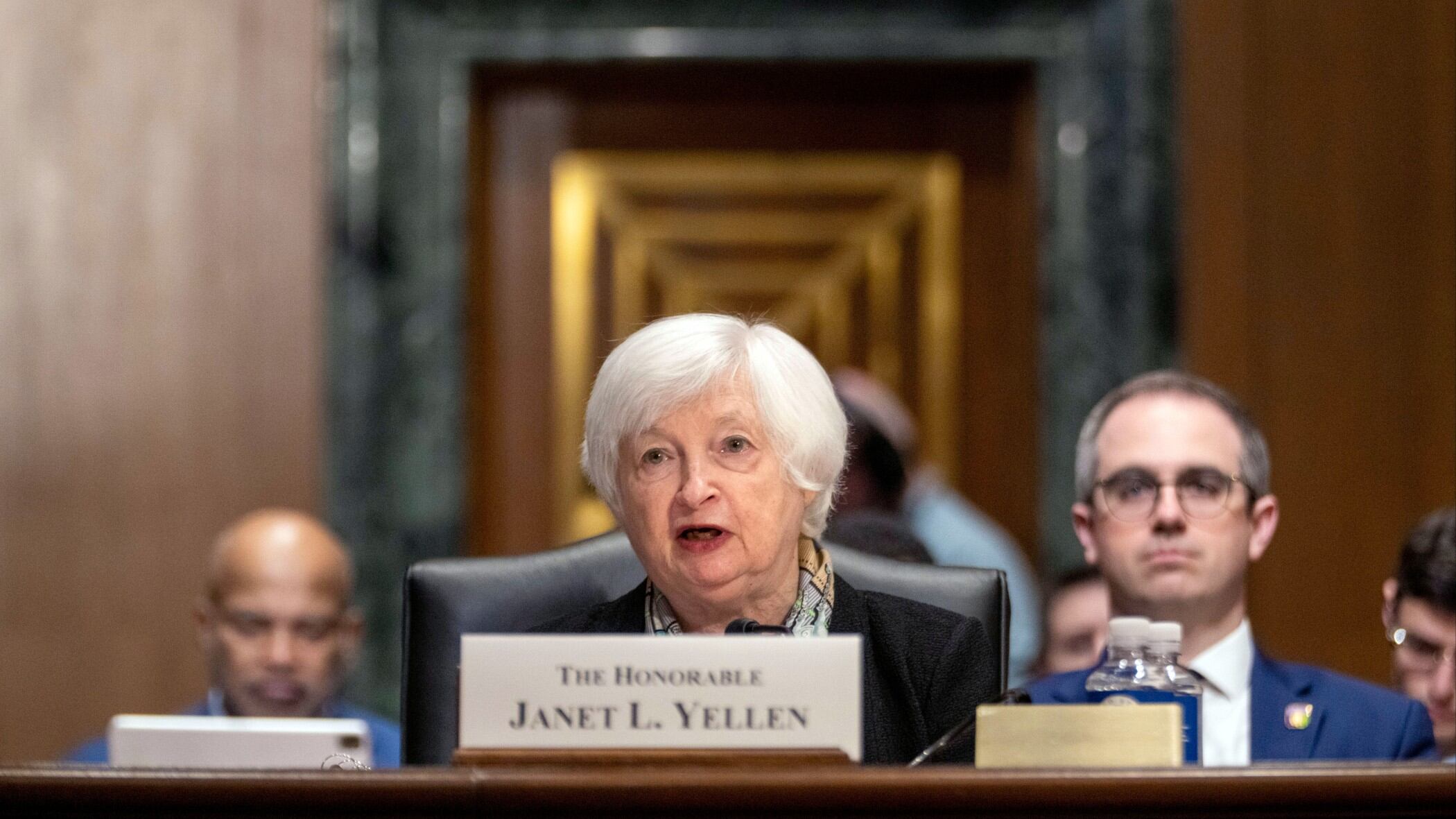
A week after the second-largest bank collapse in U.S. history, Treasury Secretary Janet Yellen is set to tell the Senate Finance Committee that the nation's banking system “remains sound” and Americans "can feel confident” about their deposits.