Google's Arts and Culture app is the most-downloaded free app for both iOS and Android, meaning it's surpassed heavy hitters like Messenger and YouTube in just the past few days. . Arts and Culture has been around since 2016. Until last week, though, not many people used it. The recent surge in popularity comes from the addition of a facial recognition feature. The feature allows users to upload a selfie to find museum paintings that look like them.
Net neutrality may live to see another day. Attorneys General from 22 states--including California, Illinois and Mississippi-- are filing a lawsuit to block the FCC's recent vote to repeal Obama-era regulations.
New York State AG Schneiderman calls the rollback a "disaster for New York consumers and businesses, and for everyone who cares about a free and open internet."
YouTube is setting new rules for its content in an effort to regain advertisers' trust. For starters, employees will watch the platform's most popular videos to ensure paid ads are running alongside content that is not offensive or controversial.
Also, in addition to 10,000 views, channels will need one thousand subscribers and 4,000 hours of view time. YouTube hopes to have the review finished by the end of march
Ian Rogers, Chief Experience Officer, Ledger, joins Cheddar News to discuss innovation in crypto security, and why a hardware wallet is a critical tool for protecting digital assets.
Carlo and Baker cover the latest developments after a devastating tornado outbreak over the weekend, plus an eye on Omicron and inflation, and not even Spielberg can save the box office.
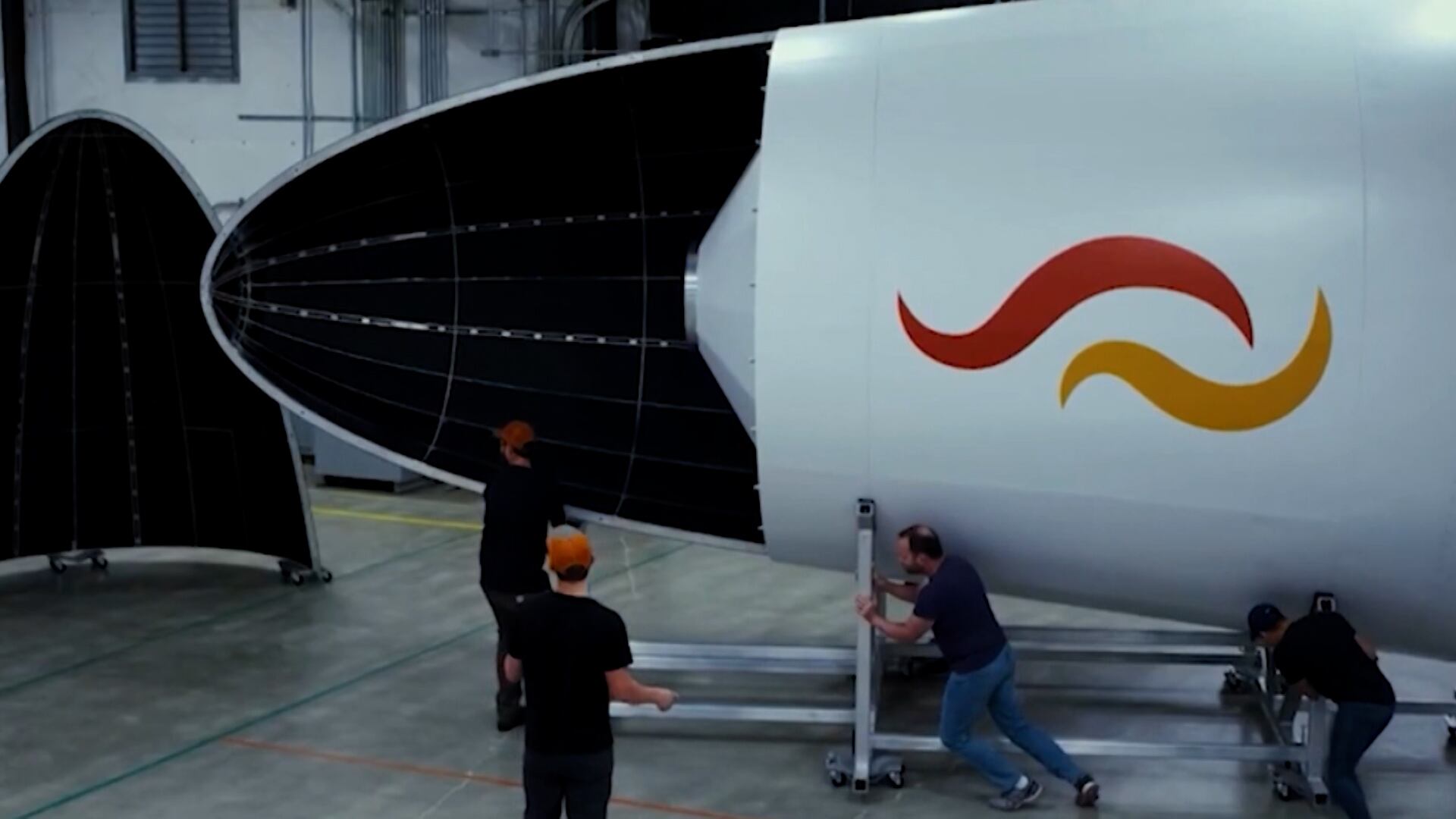
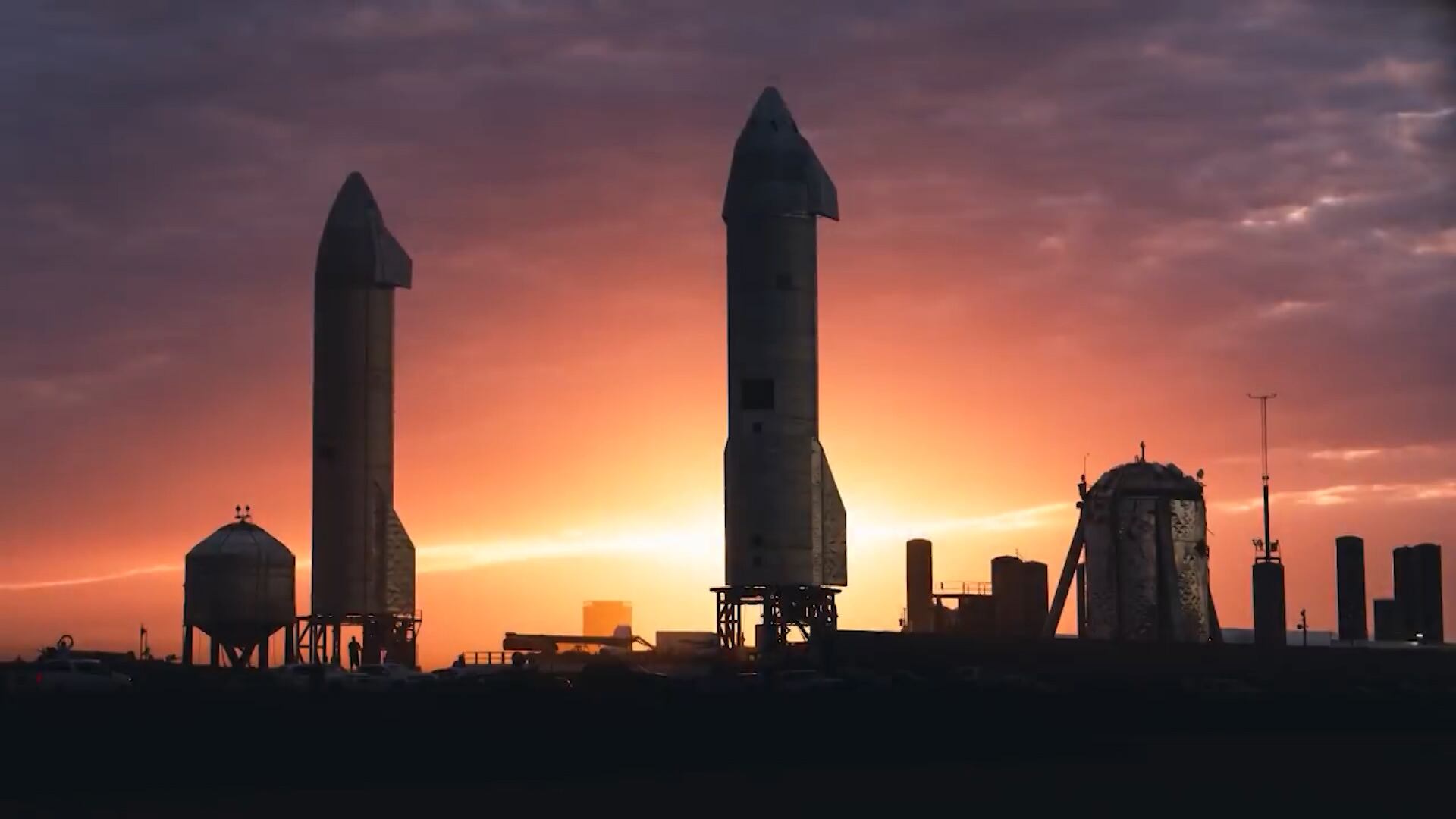
Reusable rocket developer Stoke Space Technologies raised $65 million in a Series A round led by Breakthrough Energy Ventures, a firm founded by Bill Gates. Stoke says its reusable rockets provide the satellite industry with low-cost, on-demand access to and from orbit. As companies like SpacX and Blue Origin are also making commitments to rocket reusability, Stoke says it is taking a different approach with a system designed to be 100% reusable, comprised of rockets designed to fly daily, like an airplane. Stoke co-founder and CEO Andy Lapsa joins Cheddar News' Closing Bell to discuss.
Humans are set to return to a place we have not been in nearly 50 years: the moon. NASA's Artemis program is expected to have astronauts back on the lunar surface by 2025. NASA says it will use what it learns on the moon to take the next giant leap - sending the first astronauts to Mars. The Artemis program also includes contributions from private companies like SpaceX, as well as academic research institutions like Georgia Tech. Georgia Tech professor of practice and former NASA astronaut Sandra Magnus joins Future of Space: Humankind's Leap Forward to discuss.