2017 saw a spike in investor confidence and complacency, as volatility fell significantly and appetite for risk fueled many stocks higher. Chad Morganlander, Portfolio Manager at Washington Crossing Advisors, was with us to discuss whether he expects more of the same for the year ahead.
Morganlander says we are at point in the market cycle where global growth is predictable in the short-term. His firm is somewhat optimistic, but aware that valuations are becoming quite stretched, he adds. Morganlander believes markets are entering a period of low growth for next several years, predicting a 4% to 6% return in U.S. equities.
One of Morganlander's top picks for the year is Hershey’s. He suggests investors stick with "big and boring" companies. With Hershey's, investors can go to sleep for 3-5 years and wake up with tremendous returns, according to Morganlander. Hershey's has also entered a bid for Nestle's U.S. confectionary business, which includes brands such as Butterfunger and Baby Ruth. The potential acquisition is not baked in to Washington Crossing Advisor's outlook. He also recommends shares of Hormel Foods and Dr Pepper Snapple.
As commercial options tighten, more travelers are turning to private aviation. Wheels Up CEO George Mattson breaks down capacity and demand challenges.
Layoffs, hiring slowdowns, and shifting skill demands dominate this year’s job talk. LinkedIn’s Kory Kantenga explains what workers should watch for next.
Retailers face tariffs and cost challenges this holiday season. Wells Fargo's Lauren Murphy shares insights on pricing, promotions, and shopping trends.
Dateability, founded by sisters Jacqueline and Alexa Child, is the only dating app for disabled and chronically ill communities, fostering love without limits.
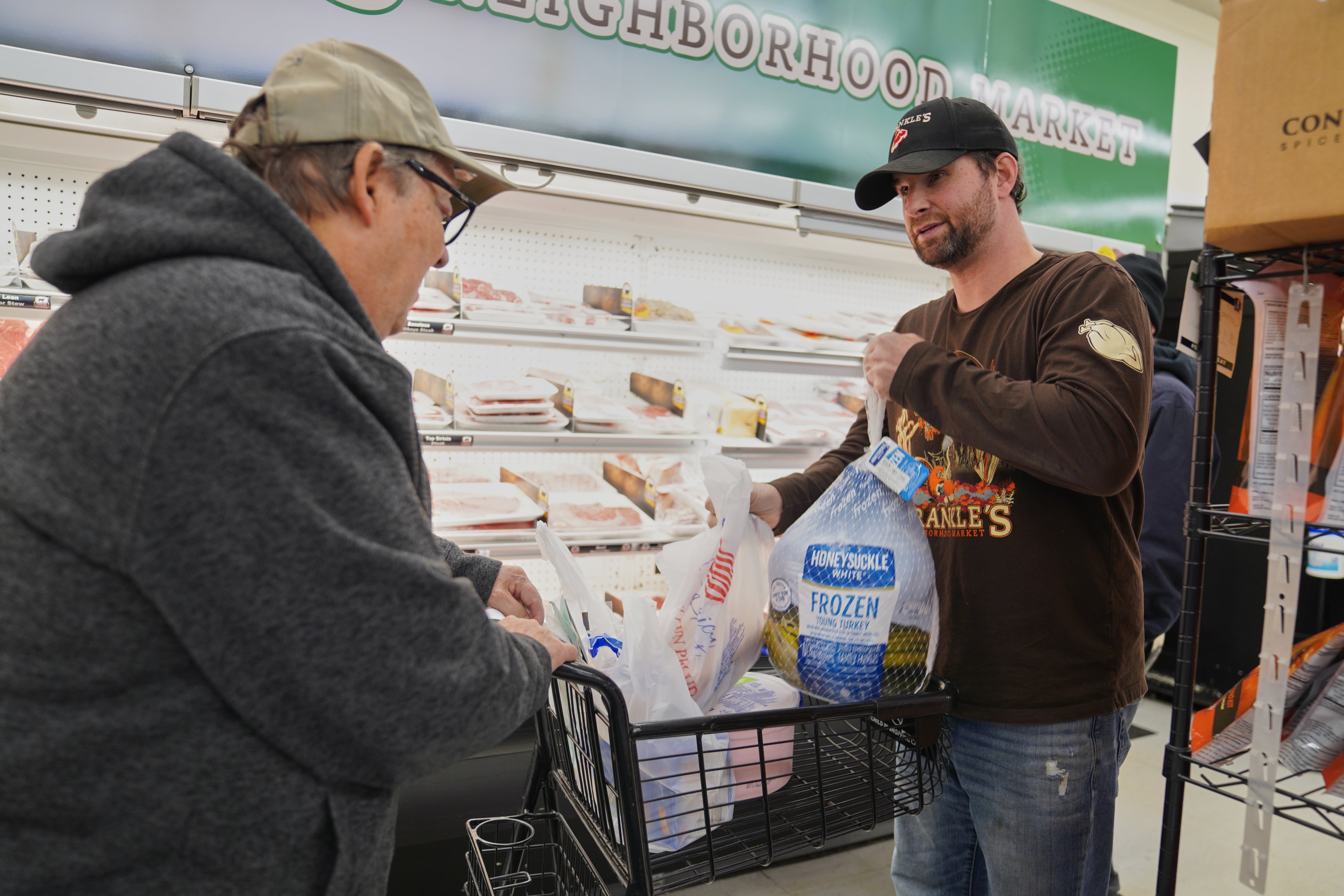
Some small grocery stores and neighborhood convenience stores are eager for the U.S. government shutdown to end and for their customers to start receiving federal food aid again. Late last month, the Trump administration froze funding for the SNAP benefits that about 42 million Americans use to buy groceries. The U.S. Department of Agriculture says about 74% of the assistance was spent last year at superstores like Walmart and supermarkets like Kroger. Around 14% went to smaller stores that are more accessible to SNAP beneficiaries. A former director of the United Nations World Food Program says SNAP is not only a social safety net for families but a local economic engine that supports neighborhood businesses.
Andy Baehr, Head of Product at CoinDesk Indices, breaks down crypto’s Black Friday crash, Bitcoin dipping under $100K, and what’s driving the market rout.