From blockchain to Amazon's dominance, look for last year's biggest business stories to carry into 2018. Fast Company's Noah Robischon joins Cheddar to preview the trends to watch for in the new year. He explains why the technology behind the rise of cryptocurrency is poised for even more headlines this year.
Next, we discuss how retail will continue to fight for its life given the Amazon threat. Robischon says "the cool factor" is one area where traditional retail has an edge over the e-commerce giant. The executive editor also explains why pop-up stores and showrooms are gaining in popularity.
Finally, we breakdown Amazon's year ahead. Robischon says Jeff Bezos is likely to be even more aggressive with his company's move into the pharmaceutical space. The executive editor also says whether he agrees with Gene Munster's prediction that Amazon will acquire Target in 2018.
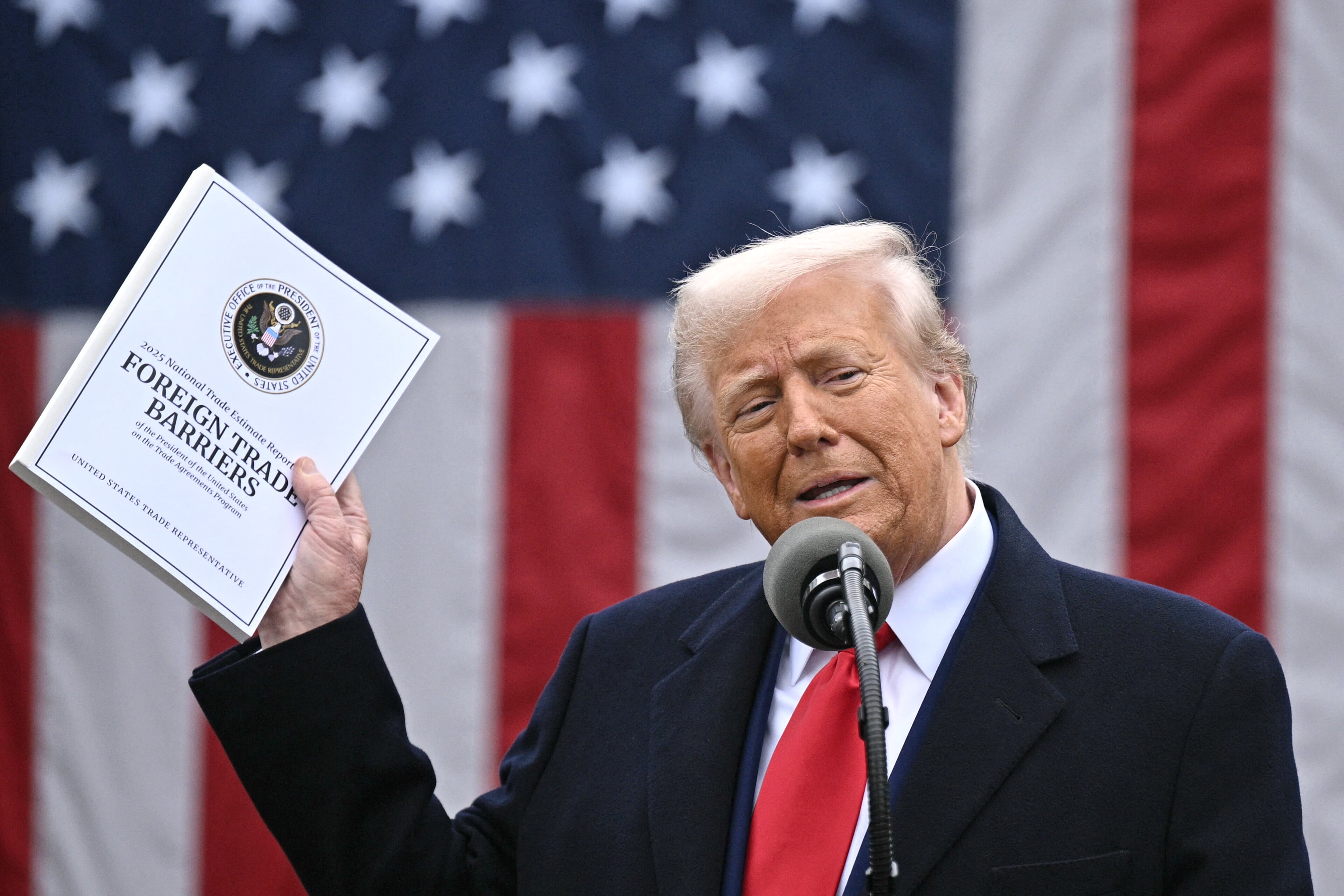
That's what his former Commerce secretary says in this interview. Plus: IRS audits, TV news ratings, nasty insults, Minecraft, Prada, and the Panama Canal.
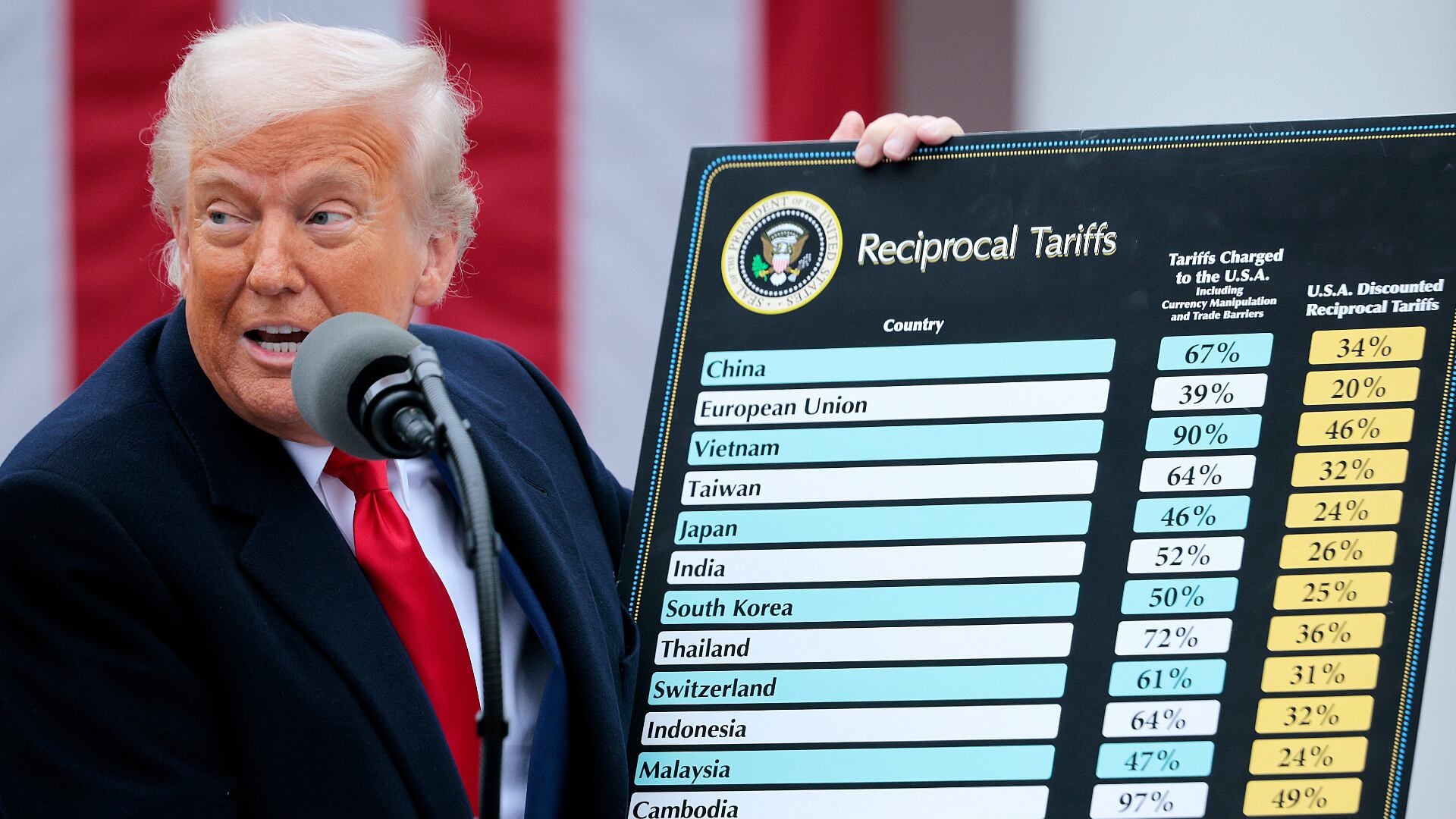
Jeremy Jansen, Head of Global Supply Chain and Trade Sales at Wells Fargo, helps us understand how trade will be affected by tariffs implemented by Trump.
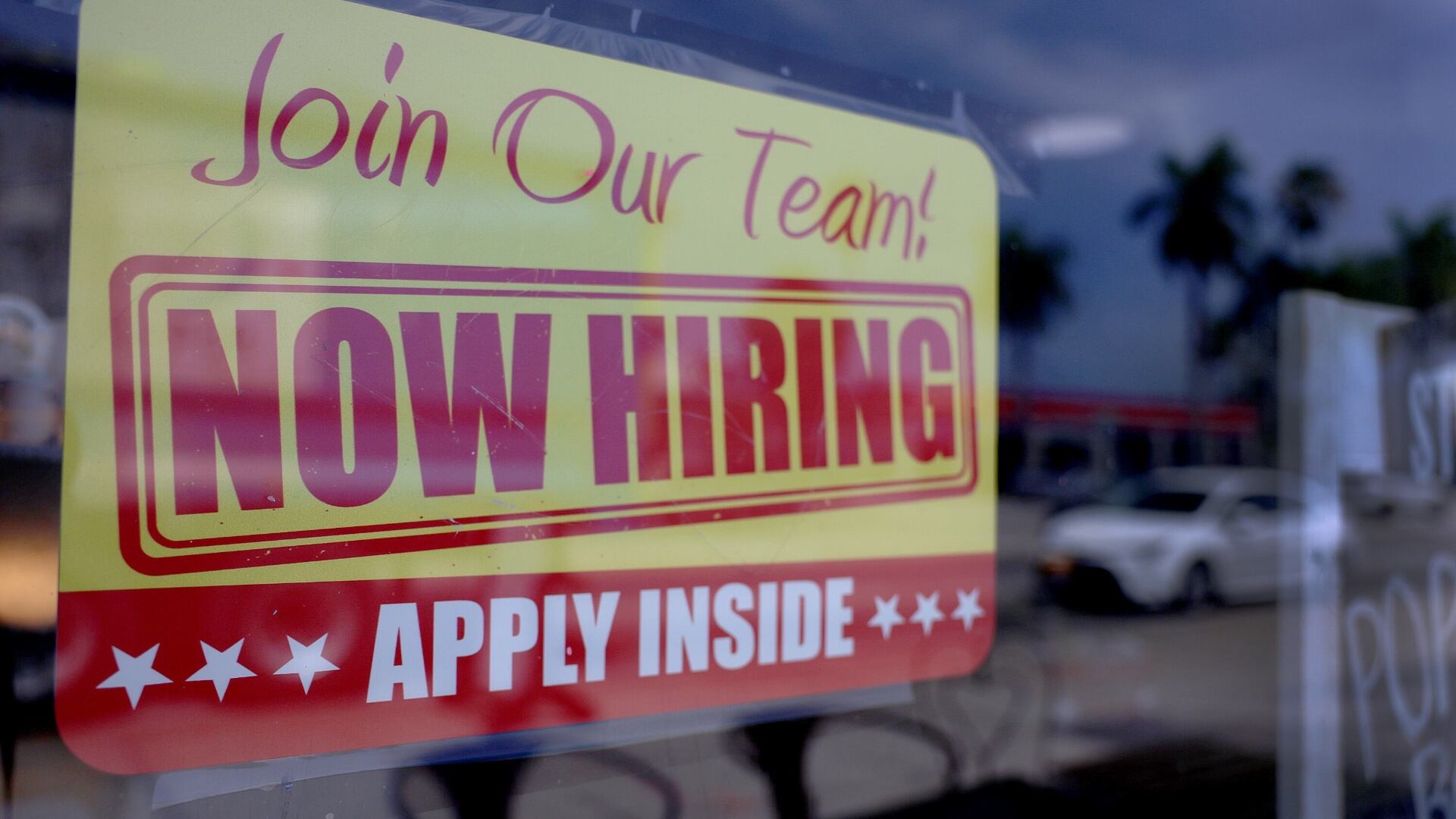
Kory Kantenga, Head of Economics for the Americas at LinkedIn, talks the current state of the labor market and how it has evolved since the pandemic. Watch!
Caraway CEO, Jordan Nathan, joins Cheddar to discuss how one bad accident turned into a successful business venture and how it will help you in the kitchen.
Chelsey Dulaney, reporter from The Wall Street Journal, takes us inside her piece about American Exceptionalism Trade and explains how it will affect consumers.