From blockchain to Amazon's dominance, look for last year's biggest business stories to carry into 2018. Fast Company's Noah Robischon joins Cheddar to preview the trends to watch for in the new year. He explains why the technology behind the rise of cryptocurrency is poised for even more headlines this year.
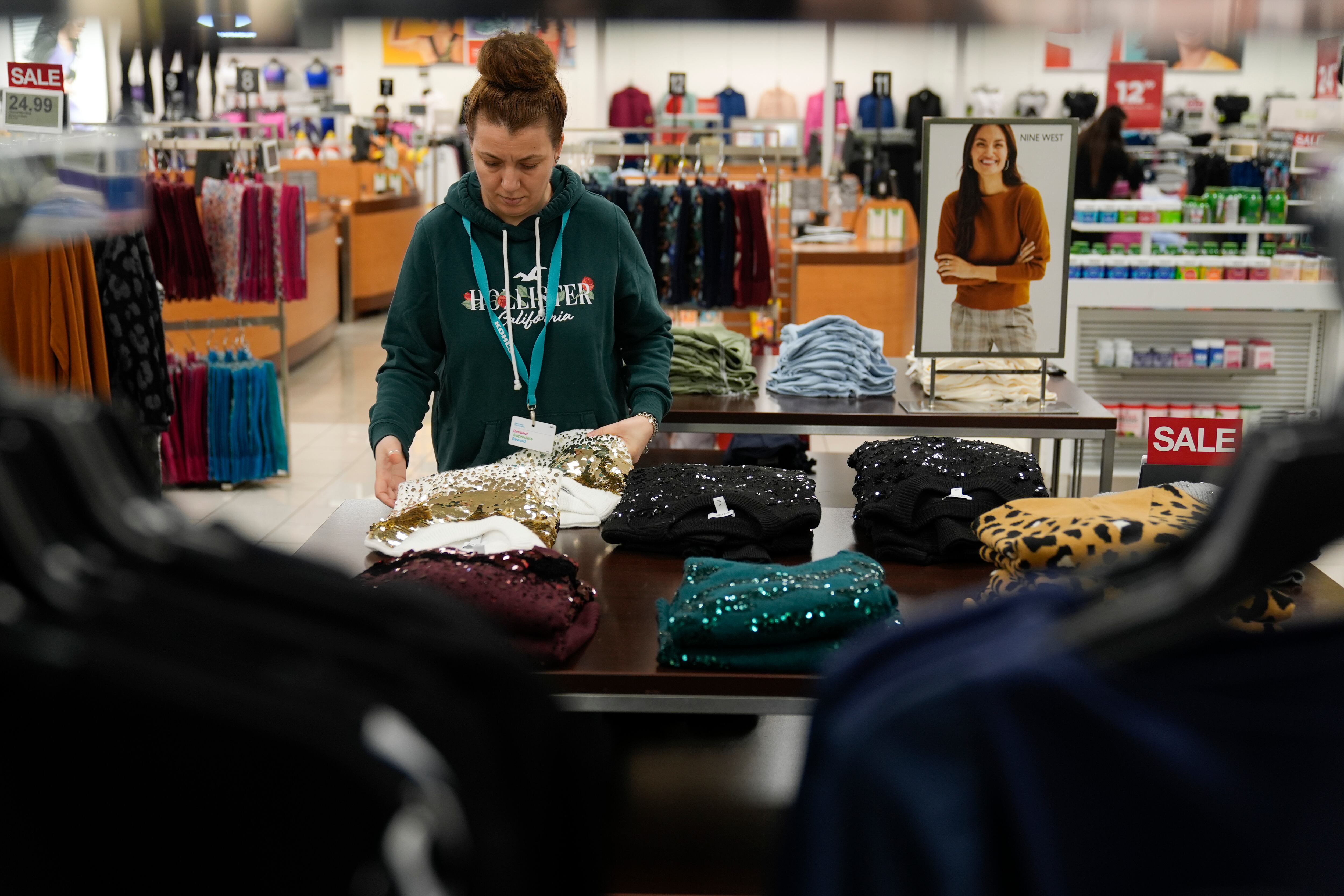
Next, we discuss how retail will continue to fight for its life given the Amazon threat. Robischon says "the cool factor" is one area where traditional retail has an edge over the e-commerce giant. The executive editor also explains why pop-up stores and showrooms are gaining in popularity.
Finally, we breakdown Amazon's year ahead. Robischon says Jeff Bezos is likely to be even more aggressive with his company's move into the pharmaceutical space. The executive editor also says whether he agrees with Gene Munster's prediction that Amazon will acquire Target in 2018.
Geoff Freeman, president and CEO of the U.S. Travel association, explains why other nations are outcompeting the U.S., and the innovations that would put American back on top.
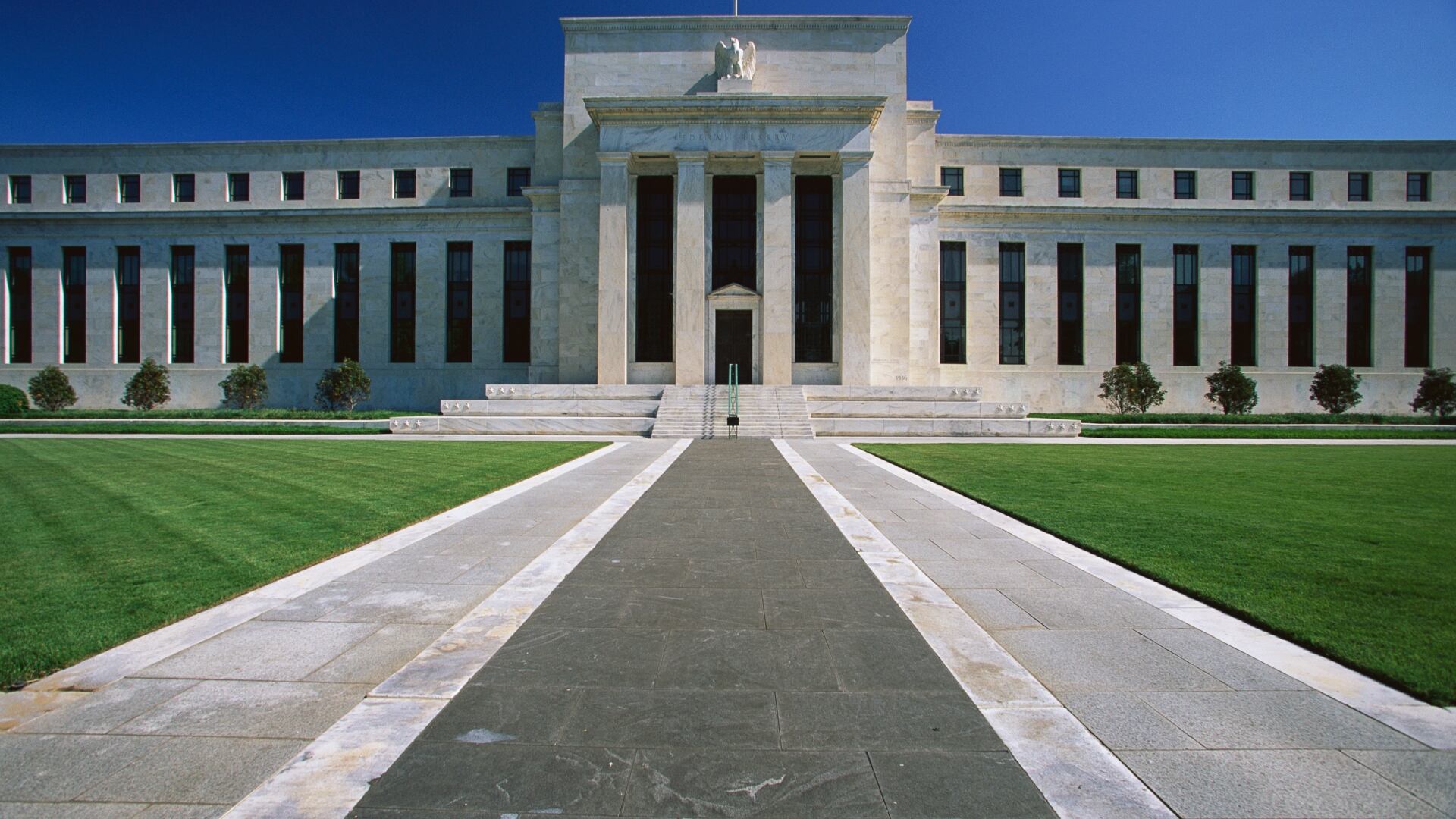
Tony Drake, founder of Drake & Associates, breaks down the latest CPI report, why ‘inflation is still trending down,’ and why the Fed doesn’t want to cut rates too soon.
Make sure your love don't cost a thing this Valentine's Day to any scammers. Note: we're not talking about your partner that didn't do the dishes after saying they would.
Landing founder and CEO Bill Smith shares how the company’s new Nomad pass and partnership with Frontier Airlines allows subscribers unlimited airfare and accommodations.
The pandemic yielded government financial support and (eventually) a surprisingly strong job market — but racial wealth disparities grew. Why is it so difficult to close the wealth gap?
Plenty of retailers and suppliers are reducing the variety of their offerings to focus instead on what they think will sell best. Many businesses have decided less is better, justifying their limited selection by asserting shoppers don’t want so much choice.
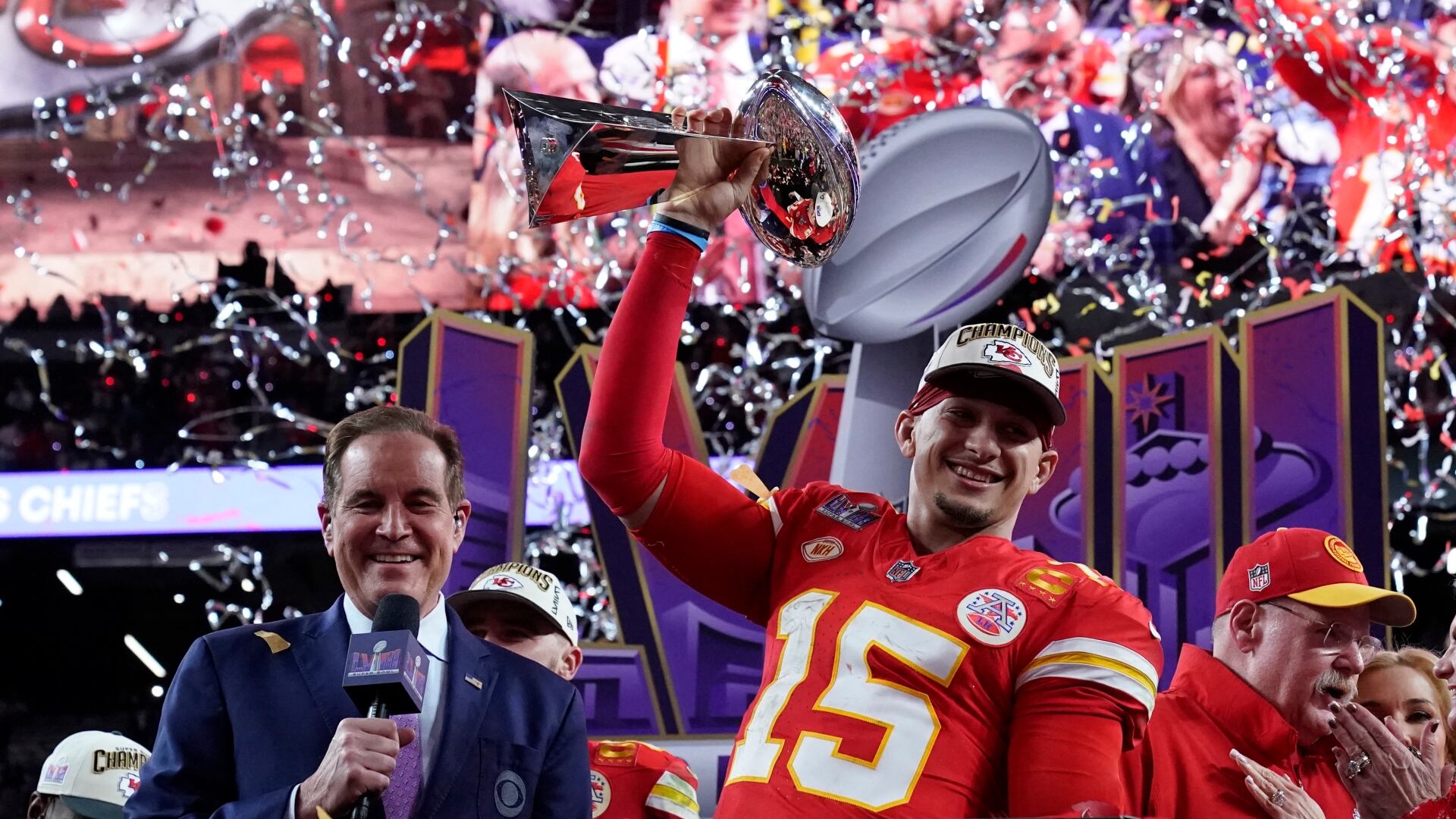
Joe Pompliano, author of the Huddle Up newsletter, breaks down the biggest moments from Super Bowl LVIII, from potentially record-breaking viewership to Taylor Swift’s highly anticipated appearance.
David Wright, President and owner of Wright Financial Group, shares his thoughts on why the Federal Reserve seems hesitant to cut rates, and why regional bank stocks could help move the needle.