From blockchain to Amazon's dominance, look for last year's biggest business stories to carry into 2018. Fast Company's Noah Robischon joins Cheddar to preview the trends to watch for in the new year. He explains why the technology behind the rise of cryptocurrency is poised for even more headlines this year.
Next, we discuss how retail will continue to fight for its life given the Amazon threat. Robischon says "the cool factor" is one area where traditional retail has an edge over the e-commerce giant. The executive editor also explains why pop-up stores and showrooms are gaining in popularity.
Finally, we breakdown Amazon's year ahead. Robischon says Jeff Bezos is likely to be even more aggressive with his company's move into the pharmaceutical space. The executive editor also says whether he agrees with Gene Munster's prediction that Amazon will acquire Target in 2018.
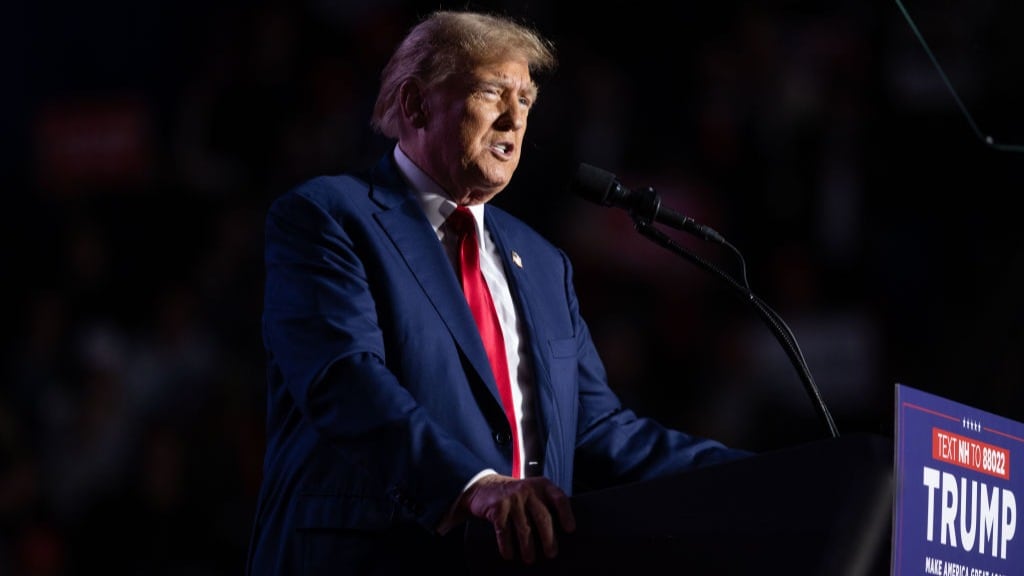
The U.S. Supreme Court unanimously decided Monday to restore former president Donald Trump to 2024 presidential primary ballots. The court Monday rejected state attempts to hold the Republican former president accountable for the Capitol riot.
Voyager Ventures founding partners Sarah Sclarsic and Sierra Peterson discuss how they choose products and companies to invest in, and why there’s such high demand for sustainable tech.