As fears of recession loom, the consumer price index up 6.5 percent and inflation at historic highs, funds that Americans saved during the COVID-19 pandemic are nearing depletion.
During the height of the pandemic, Americans were able to save more than $2.7 trillion as businesses shuttered. Investment bank Goldman Sachs estimated that 35 percent of COVID-19 relief funds have already been spent and by the end of 2023, that number will be up to 65 percent.
Lower income households have seen their savings diminish first. Folks that make under $50,000 annually saw their savings slashed by 36 percent compared to people who make between $100,000 and 15,000 who lost just 14 percent of their savings.
The use of credit has surged during this time as well, pushing the credit card debt to a new record of more than $930 billion at the end of 2022. It's a jump of 18 percent from the previous year.
Meanwhile, Treasury Secretary Janet Yellen rejected concerns that the U.S. isn't headed for a recession and believes that inflation can be eased.
"You don't have a recession when you have 500,000 jobs and the lowest unemployment rate in more than 50 years. What I see is a path in which inflation is declining significantly, and the economy is remaining strong," she said in an interview with ABC's Good Morning America.
Anyone in the U.S. who had an account at any time between May 24, 2007, and December 22, 2022, is eligible to receive a payment. The 2022 settlement resolves a lawsuit alleging that Facebook allowed millions of its users’ personal information to be fed to Cambridge Analytica, a firm that supported Donald Trump’s 2016 presidential campaign.
Irrigation might have saved Jackson's hay, but she and her husband rejected the idea about 10 years ago over the cost: as much as $75,000 for a new well and all the equipment. But now — with an extended drought and another U.S. heat wave this week that will broil her land about an hour northwest of Dallas for days in 100-degree-plus temperatures — Jackson said she is “kind of rethinking.”
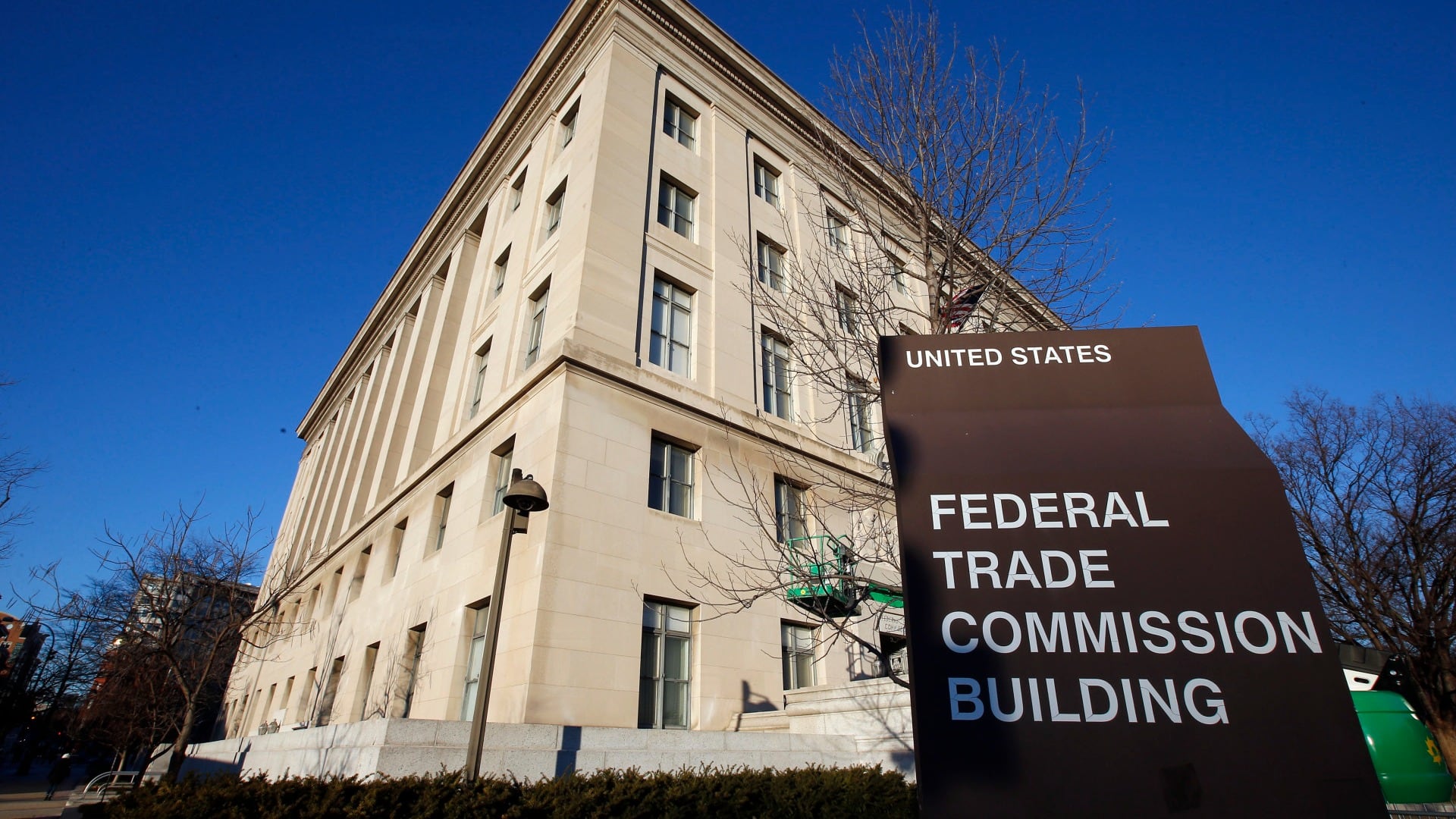
Children’s advocacy groups including Fairplay and Common Sense Media are asking the Federal Trade Commission to investigate Google, saying the tech giant serves personalized ads to kids on YouTube despite federal law prohibiting the practice.