As fears of recession loom, the consumer price index up 6.5 percent and inflation at historic highs, funds that Americans saved during the COVID-19 pandemic are nearing depletion.
During the height of the pandemic, Americans were able to save more than $2.7 trillion as businesses shuttered. Investment bank Goldman Sachs estimated that 35 percent of COVID-19 relief funds have already been spent and by the end of 2023, that number will be up to 65 percent.
Lower income households have seen their savings diminish first. Folks that make under $50,000 annually saw their savings slashed by 36 percent compared to people who make between $100,000 and 15,000 who lost just 14 percent of their savings.
The use of credit has surged during this time as well, pushing the credit card debt to a new record of more than $930 billion at the end of 2022. It's a jump of 18 percent from the previous year.
Meanwhile, Treasury Secretary Janet Yellen rejected concerns that the U.S. isn't headed for a recession and believes that inflation can be eased.
"You don't have a recession when you have 500,000 jobs and the lowest unemployment rate in more than 50 years. What I see is a path in which inflation is declining significantly, and the economy is remaining strong," she said in an interview with ABC's Good Morning America.
Where you live can dictate how much you pay for housing. Danielle Hale, chief economist with Realtor.com, joined Cheddar News to discuss where the hottest markets for real estate are and how you can find a home in a current difficult market.
Financial stress can take a mental toll on people. Dr. Regine Muradian, clinical psychologist and member of the National Debt Relief Financial Wellness Board, joined Cheddar News to discuss strategies to ease those worries over money.
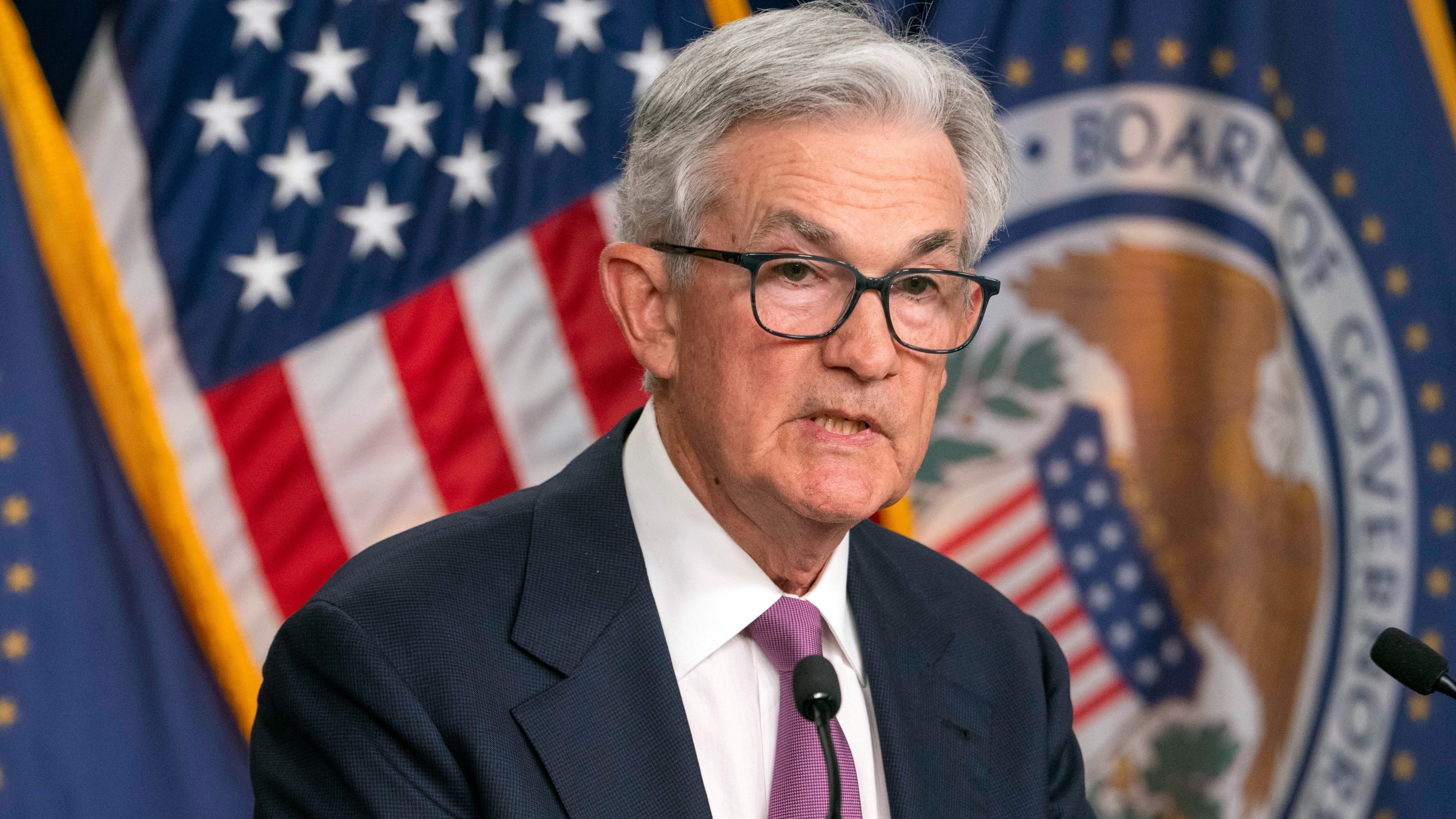
The continued resilience of the U.S. economy could require further interest rate increases, Federal Reserve Chair Jerome Powell said Friday in a closely watched speech that also highlighted the uncertain nature of the economic outlook.
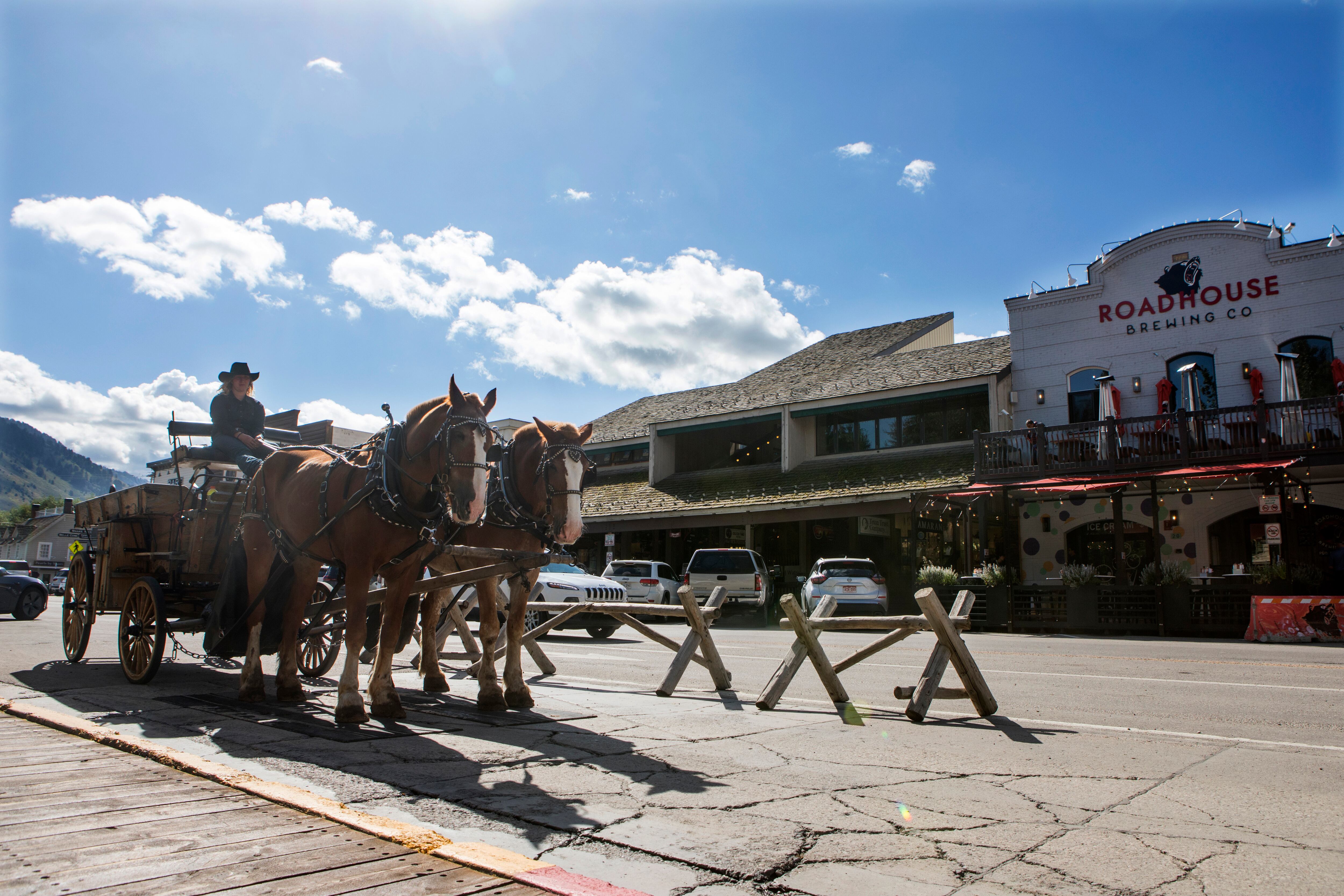
As the Federal Reserve prepares to hold its annual economic conference in Jackson Hole on Friday and Saturday, its policymakers are trying to guide the U.S. economy toward something akin to what's happening in Jackson Hole.