To Make Amends, Uber Looks Ahead, and Facebook Looks Back
*By Madison Alworth*
Uber's new [national TV ad](https://www.youtube.com/watch?v=WMZyw5lPKgE) doesn't tout new services or offer limited-time discounts. This minute-long video makes a solemn promise, from Uber's new CEO himself, Dara Khosrowshahi, "to always do the right thing."
It's part of Uber's effort since Khosrowshahi took over last August to present the company as a better, more caring corporate citizen of the world. After years of bad news about Uber's cutthroat strategy to grow at any cost, this ad represents a carefully crafted pivot.
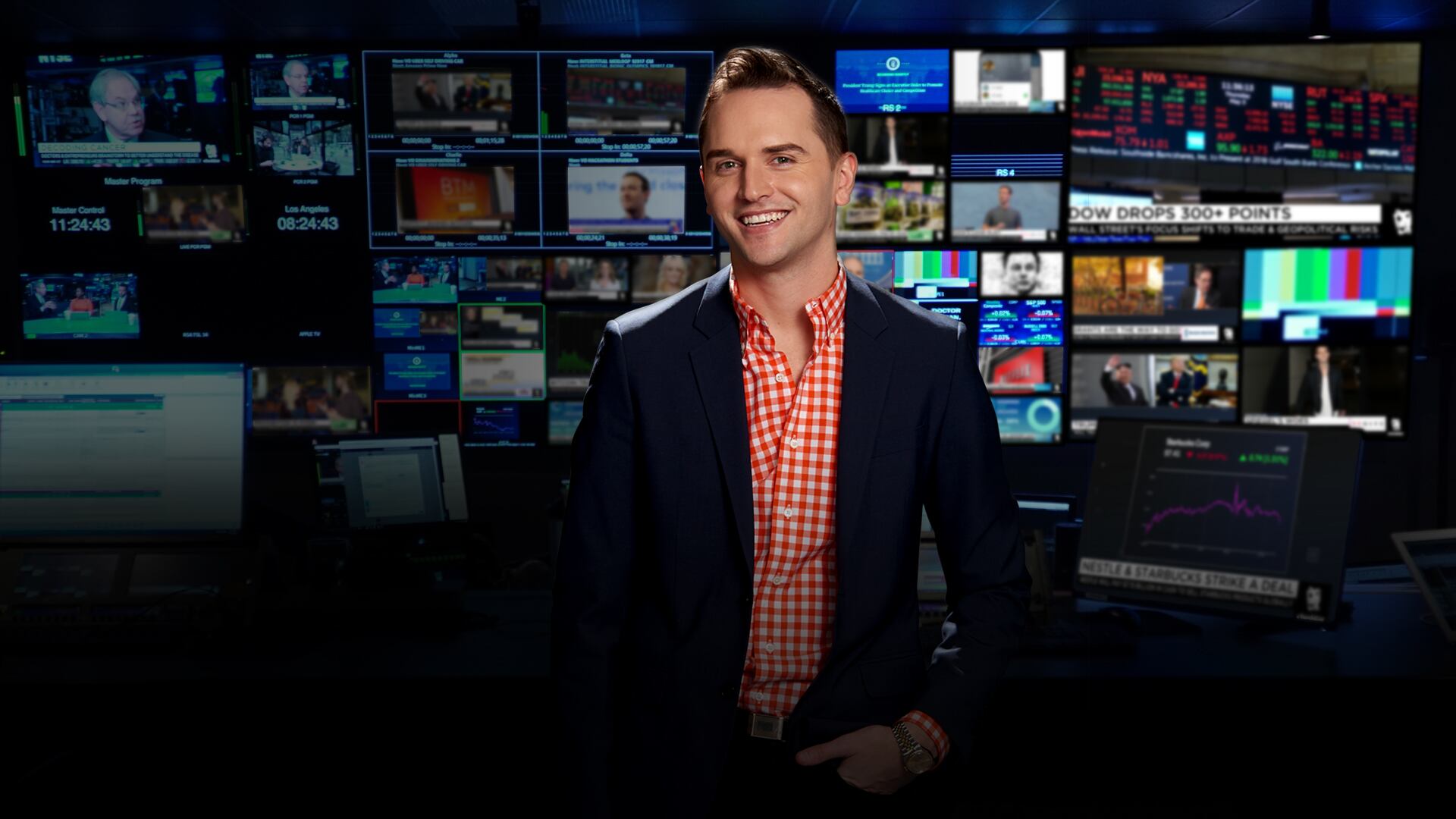
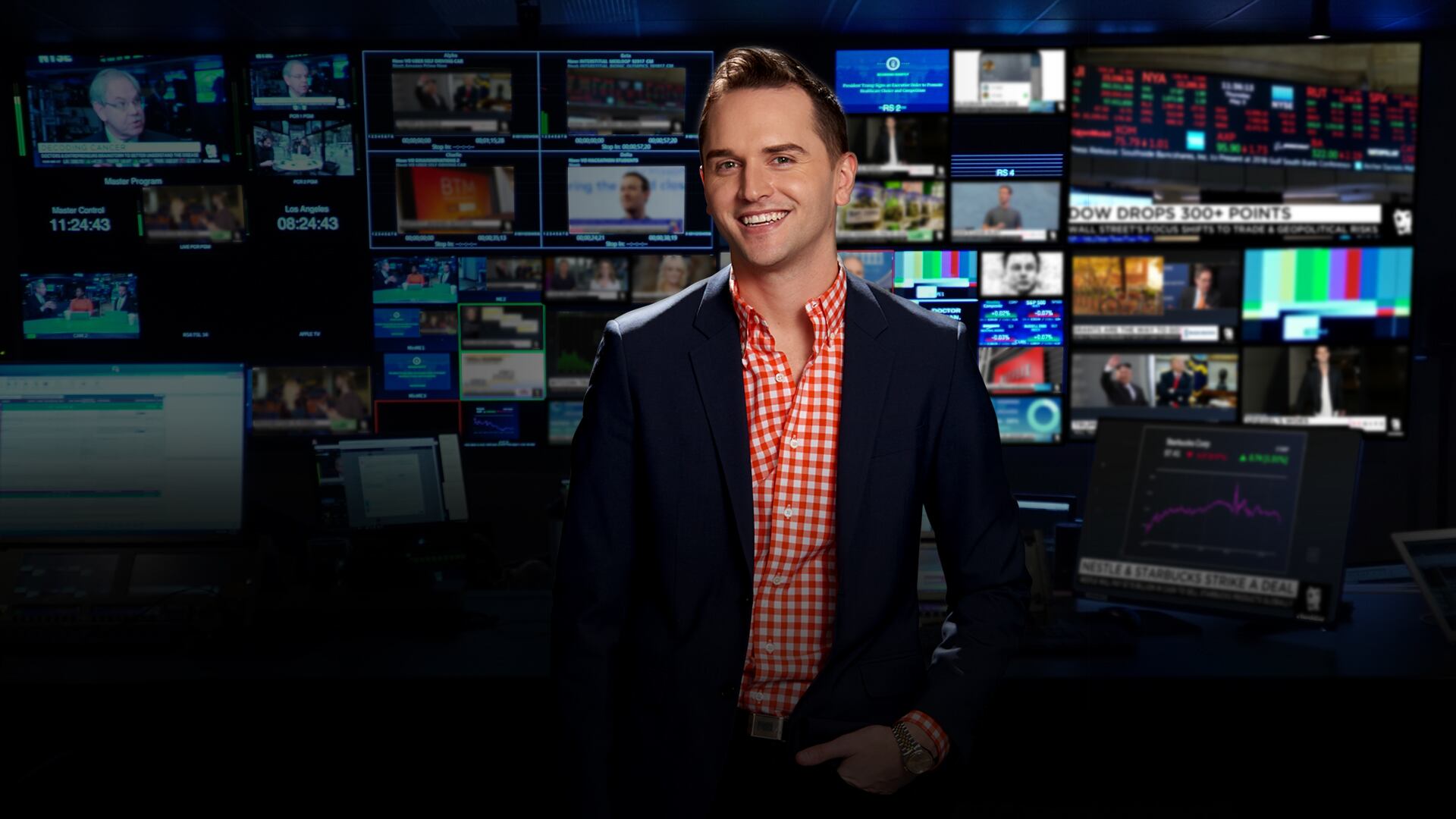
"I do think its effective," said Jon Swartz, a senior reporter at Barron's. "I actually think of it as kind of a State of the Union address from Dara."
Khosrowshahi inherited from the founder and former CEO Travis Kalanick a company dealing with investor lawsuits, a federal investigation into stolen trade secrets, and software used to hide its vehicles from law enforcement. Not to mention an incriminating video of Kalanick [berating an Uber driver](https://www.bloomberg.com/news/articles/2017-02-28/in-video-uber-ceo-argues-with-driver-over-falling-fares). The advertisement serves as a reset of public expectations.
"I think what Dara is doing is really, really good," said Swartz. "In fact, what he's doing is he's starting his administration, so to speak, on a positive angle."
Uber is not the only company looking to publicly make amends for past transgressions. Facebook has also released an advertisement, ["Here Together,"](https://www.youtube.com/watch?v=Q4zd7X98eOs) which promises a return to what users may have first liked about Facebook.
Swartz said the Facebook ad is different from Uber's because the social media company is in a different stage of the so-called public apology tour.
"The difference between the two is that Uber is trying to take a first wave of the new administration and set a precedent," Swartz said in an interview Thursday on Cheddar. "While Facebook is kind of retrenching and trying to correct what has been a problem and what will continue to probably be a problem when we hear about other data breaches or problems that occur there."
It remains to be see how the public ー and investors ー will respond to the companies' new promises.
"I think there's this general sense that tech is not well liked throughout the rest of the country," Swartz said, adding that these ads cold have a broad impact with consumers who have impressions of the companies shaped by what they hear as much as what they experience.
"You're resetting the company and its expectations, because again, in Silicon Valley, the companies are reflected by their CEOs," Swartz said. "That's the personality of the company, whether good, or bad, or indifferent."
For the full interview, [click here](https://cheddar.com/videos/silicon-valley-is-sorry).
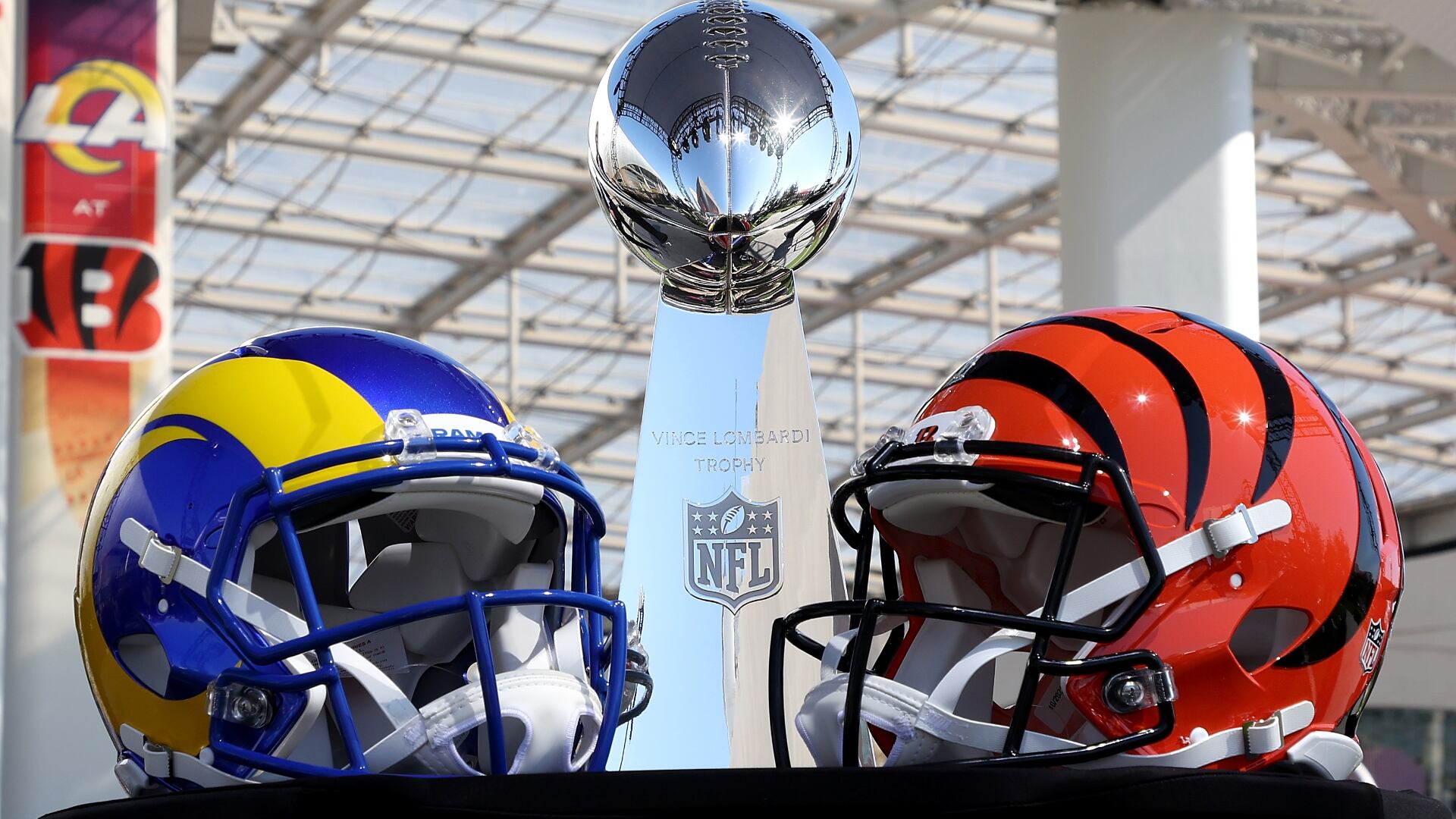
The Super Bowl is only a few days away, and the game is currently tracking to be the most expensive one ever.
Gametime, a website and app for last-minute tickets, says the average ticket price for the NFL's championship game is $9,502.50, with the most expensive seats costing nearly $38,000. That's a far cry away from the average ticket price of the first-ever Super Bowl in 1967, which was only $12. The average ticket price increased by more than $8,000 in just the past decade. Matt Rados, Senior Operations Manager at Gametime, joins Cheddar News' Closing Bell to discuss.
Earlier this week, digital investment advisor Betterment announced that it has hired Makara, a company known for its management of cryptocurrency portfolios. Sarah Levy, CEO of Betterment, joins Cheddar News' Closing Bell, where she explains why crypto represents such a promising long-term play and how her company stands to benefit from this latest move.
At-home medical labs company Getlabs raised $20 million in a Series A round, led by Emerson Collective and the Minderoo Foundation. Getlabs aims to be the boots-on-the-ground partner to telehealth. The company says more than 70% of medical decisions still require collecting diagnostic tests in person, and that it fills that void by delivering health care directly to their patients' homes. Founder & CEO of Getlabs Kyle Michelson joined Cheddar News' Closing Bell to discuss.
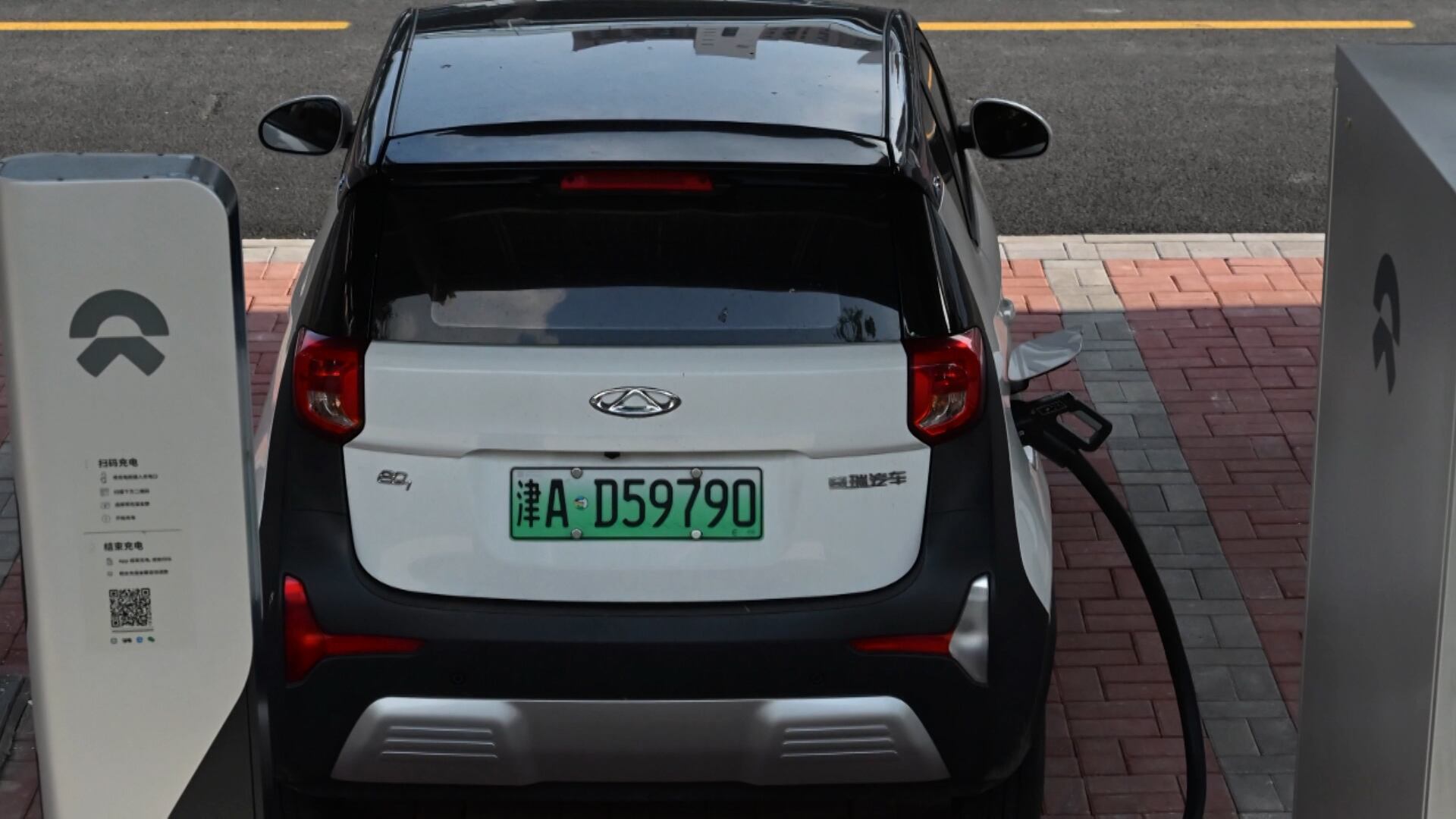
The White House laid out plans for a $5 billion investment into a national network of charging stations to ease EV driving anxiety. Bruce Brimacombe, CEO of EV infrastructure GOe3 joined Cheddar News to discuss how much needs to be done for drivers to get over the fear of running out of energy. "People need to be able to do what they're doing now," he said. "But that is the way that if you're going to buy an electric car, you got to feel like you're not changing your world." Brimacombe noted that building out the infrastructure between cities was GOe3's own focus.
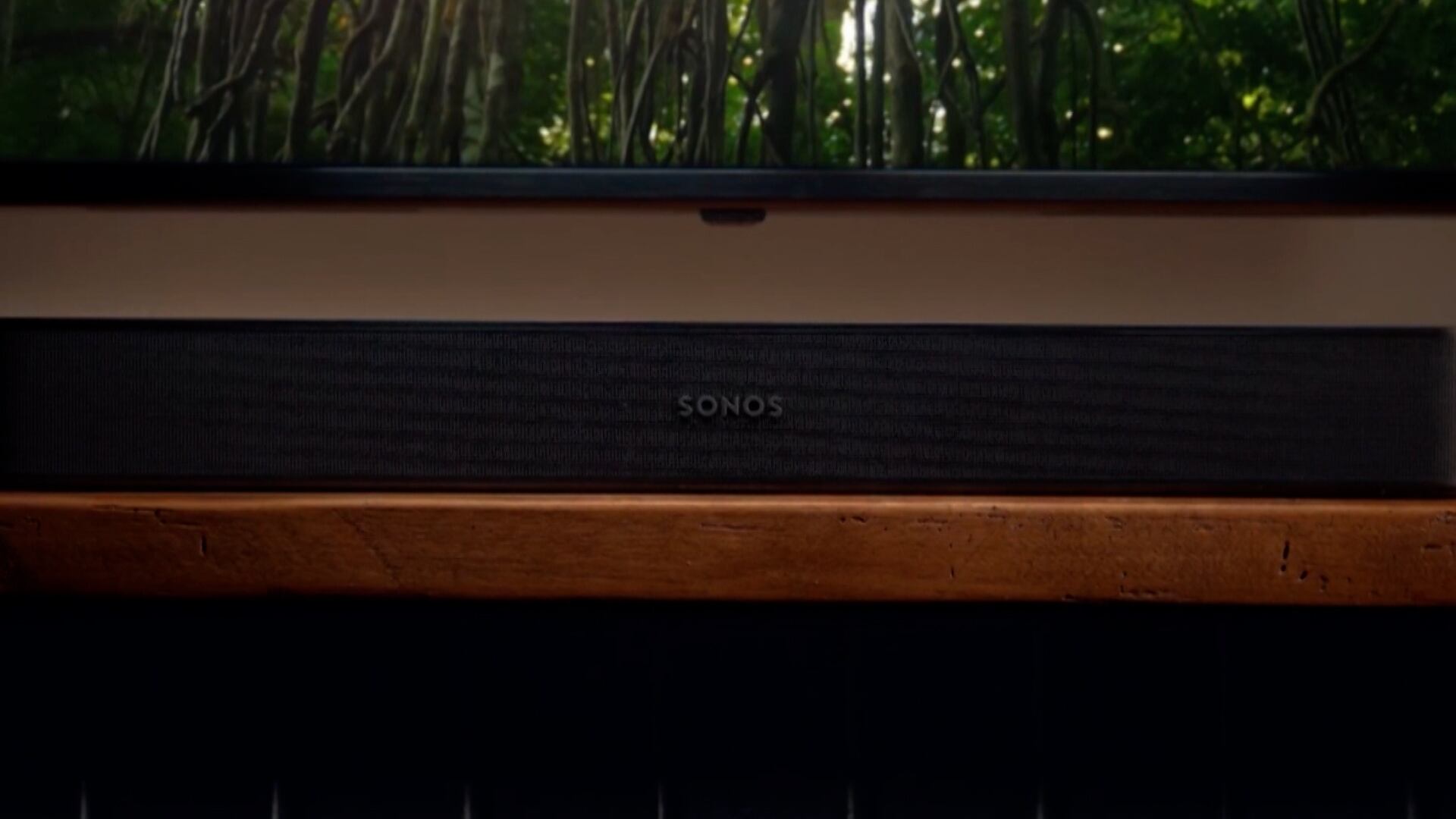
Sonos reported better than expected Q1 earnings amid chip shortage with the release of its Roam product. CFO Brittany Bagley joined Cheddar News to discuss the smart speaker maker's successful report and its plans to hit its 2024 targets as people leave their homes as pandemic restrictions ease. "Even as people head out in the world, it doesn't mean they don't like to listen to music at home or watch a streaming movie at home," she said. "So there's still a real role for us and our products in peoples lives, sort of, no matter what else they're doing."
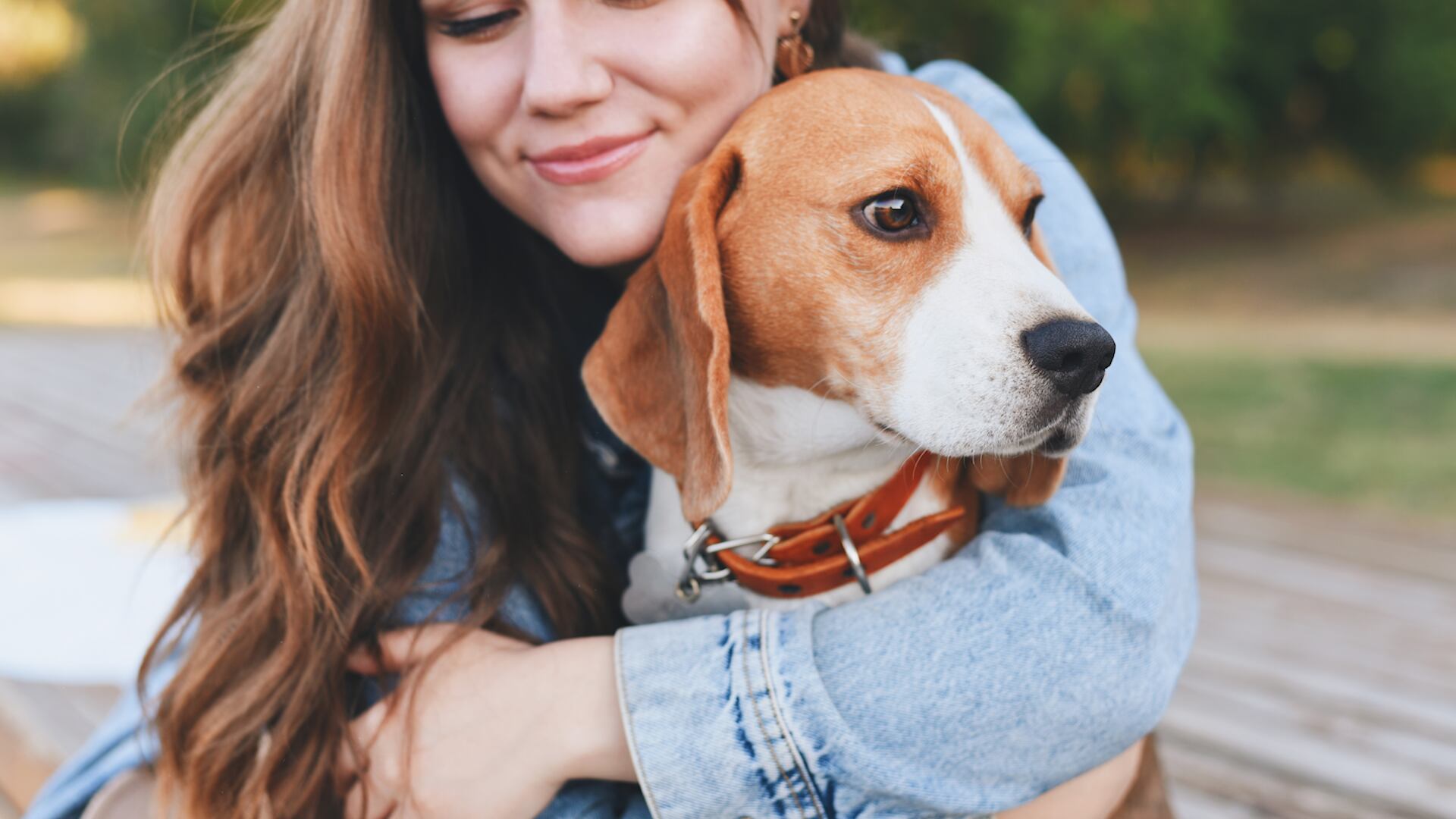
Kalle Marsal, Chief Operating Officer at PetDx, joins Cheddar Innovates to discuss how next-generation sequencing technology is being used to detect cancer in pets early.
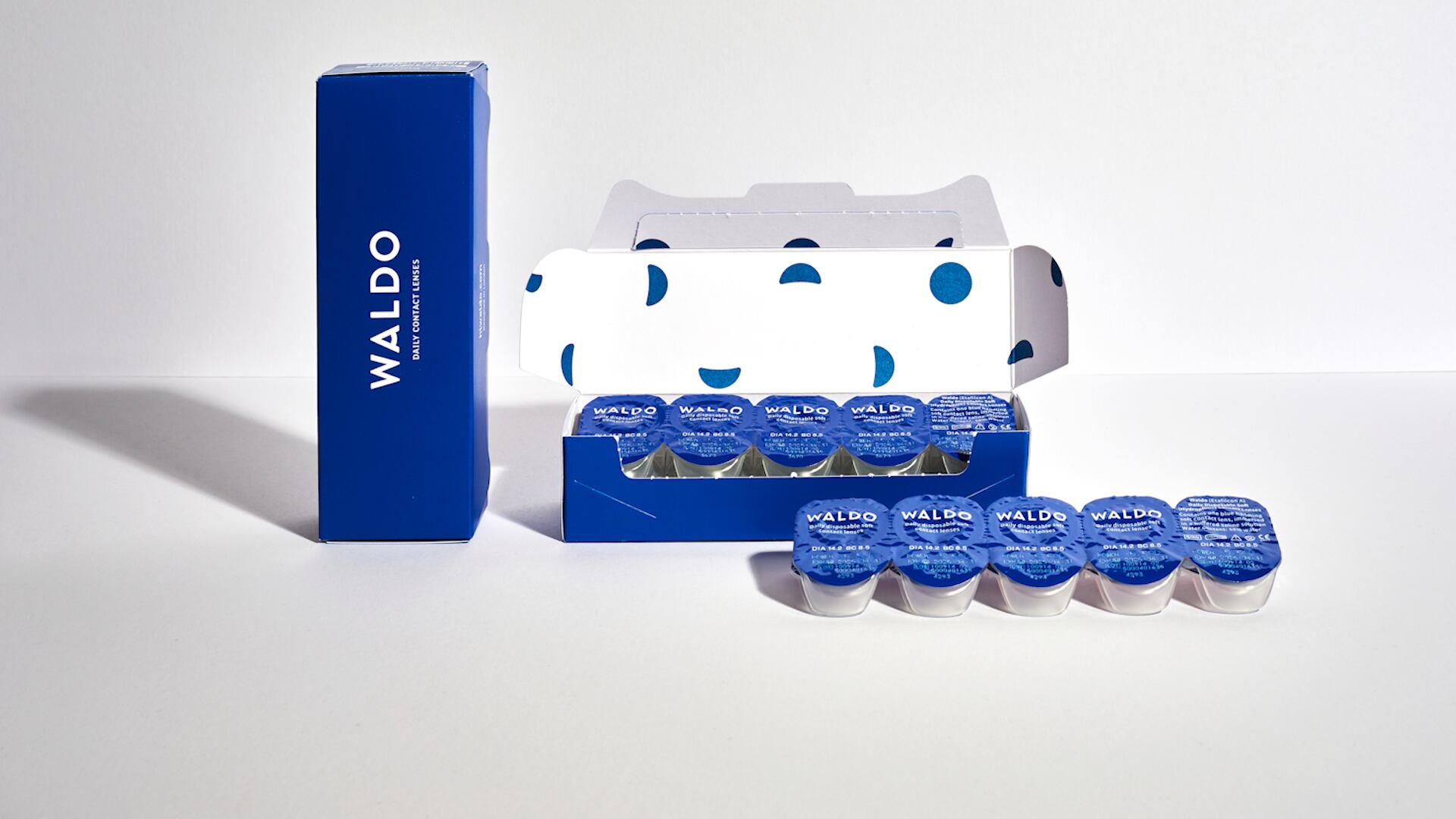
Ashleigh Hinde, Founder and CEO of WALDO, joins Cheddar Innovates to discuss why now is a good time to make eyecare a priority, and how they are democratizing access to eyecare for all.
On this episode of Cheddar Innovates: WALDO CEO breaks down why now is a good time to make eyecare a priority, and how they are democratizing access to eyecare for all; COO at PetDx explains how next-generation sequencing technology is being used to detect cancer in pets early; Cheddar gets a look at Curiosity Stream's 'Inside The Mind of a Con Artist.'