The “Bomb Cyclone” whipped the East Coast Thursday, with winds of up to 60 mph and snow falling at the rate of two inches per hour.
One meteorologist told Cheddar the arctic blast dubbed “Grayson” is even more powerful than 1993’s “Storm of the Century.”
“Fortunately is located just off-shore, so we are not seeing the very worst of it,” said Bob Henson, blogger at Weather Underground. “It’s also moving so quickly that the snowfall amounts, the totals, are not going to be as high as they were in that 1993 storm. However, the winds are going to be hellacious.”
The 1993 storm caused the equivalent of $9.3 billion in damages from the Deep South through the East Coast.
But this year’s blizzard, despite its ominous-sounding descriptor, may be less scary than it sounds. The National Oceanic and Atmospheric Administration notes the term “Bomb Cyclone” comes from the term “bombogenesis,” which describes pressures that drop to at least 24 millibars over 24 hours.
Still, Henson points out, Grayson has already claimed some victims.
“We just had a couple of fatalities in North Carolina of people out on the roads and their trucks slid of the roads,” he said. He added that the cold temperatures can also be deadly.
In order to stay safe, Henson suggests staying in a warm place, avoiding travel, and keeping off the road as the most important steps.
For full interview [click here](https://cheddar.com/videos/climate-changes-role-in-winter-storm-grayson).
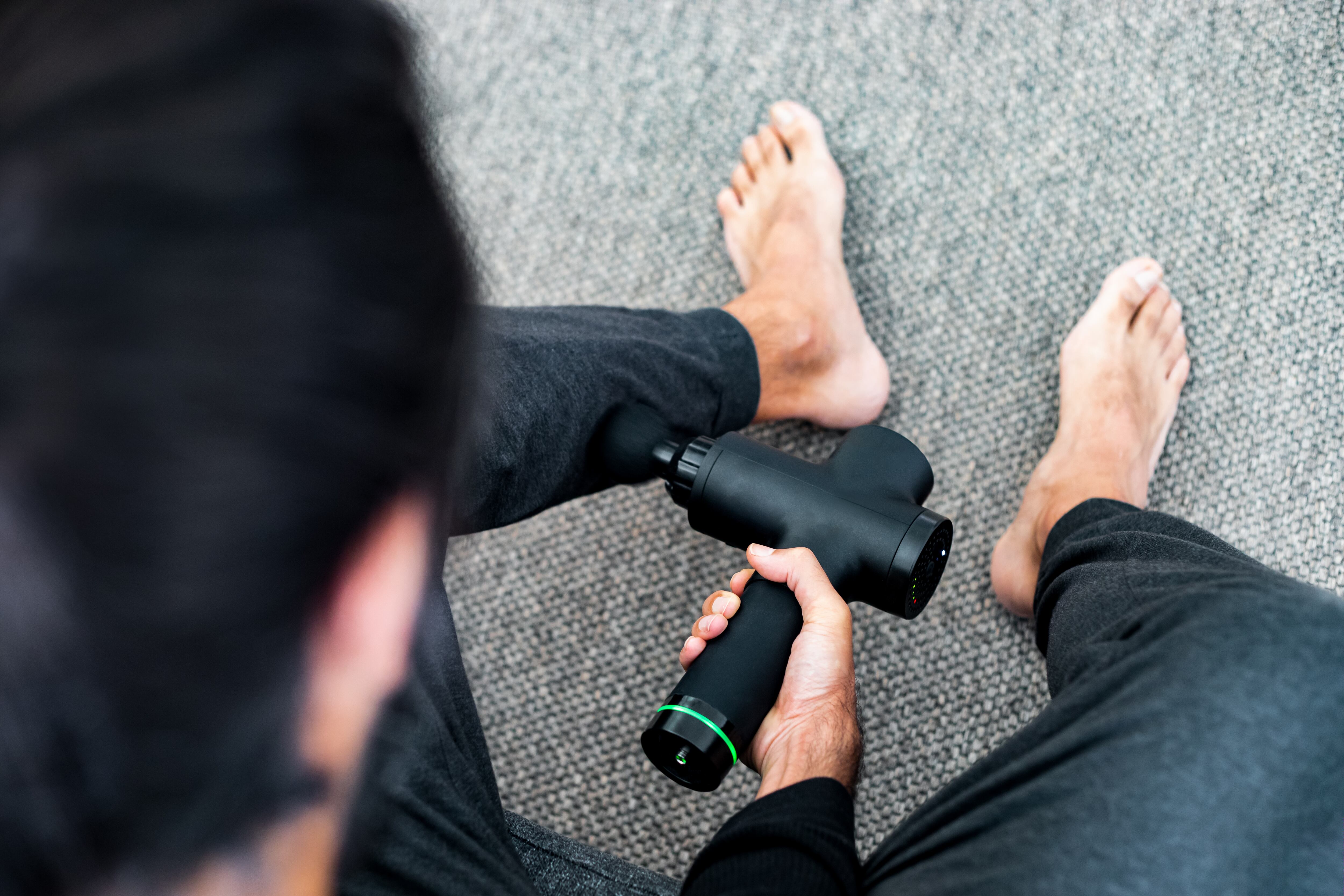
Melissa Whitely, personal trainer for Life Time Fitness, spoke with Cheddar News about the importance of recovery following a tense workout session. "If we're not going through the proper recovery methods, we can have undue pain, discomfort, tightness in our muscles and all those other things we can avoid," she said.
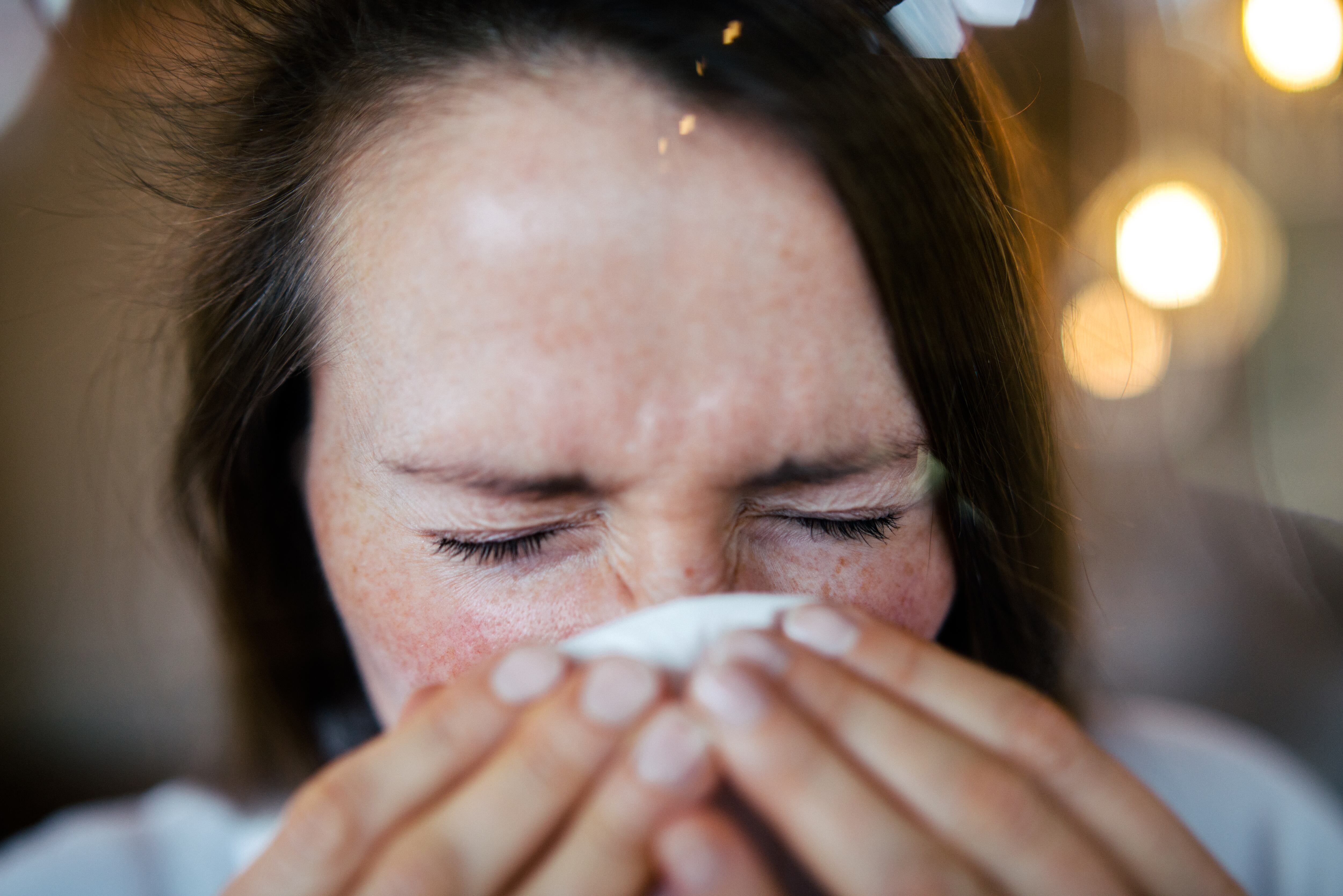
Dr. Payel Gupta, medical director of allergy, asthma, immunology & ENT for LifeMD.com, joined Cheddar News to discuss some tips on how to cope with allergy season. "With the warmer temperatures, we're seeing that the seasons arrive sooner and actually last longer, and also the elevated CO2 levels actually cause the plants to release more pollen," she said.
A new survey from the National Council for Mental Wellbeing shows that four in five behavioral health workers were concerned that labor shortages in their field “negatively impact society as a whole.”
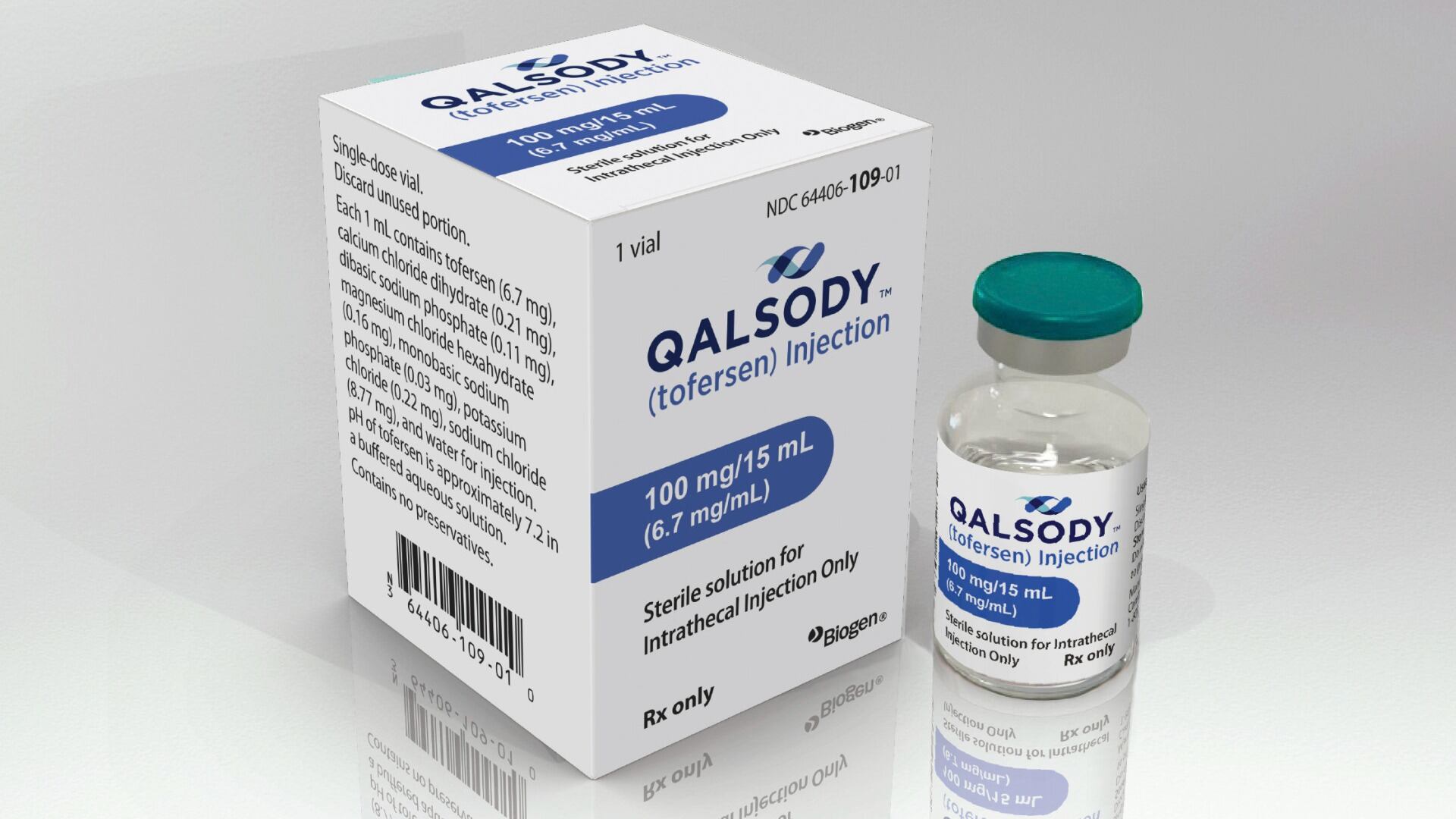
Food and Drug Administration regulators on Tuesday approved a first-of-a-kind drug for a rare form of Lou Gehrig’s disease, though they are requiring further research to confirm it truly helps patients.
A Japanese company's attempt to land a spacecraft on the moon has apparently failed. Flight controllers lost contact Wednesday with the lander after it descended from lunar orbit, aiming for the dusty surface.
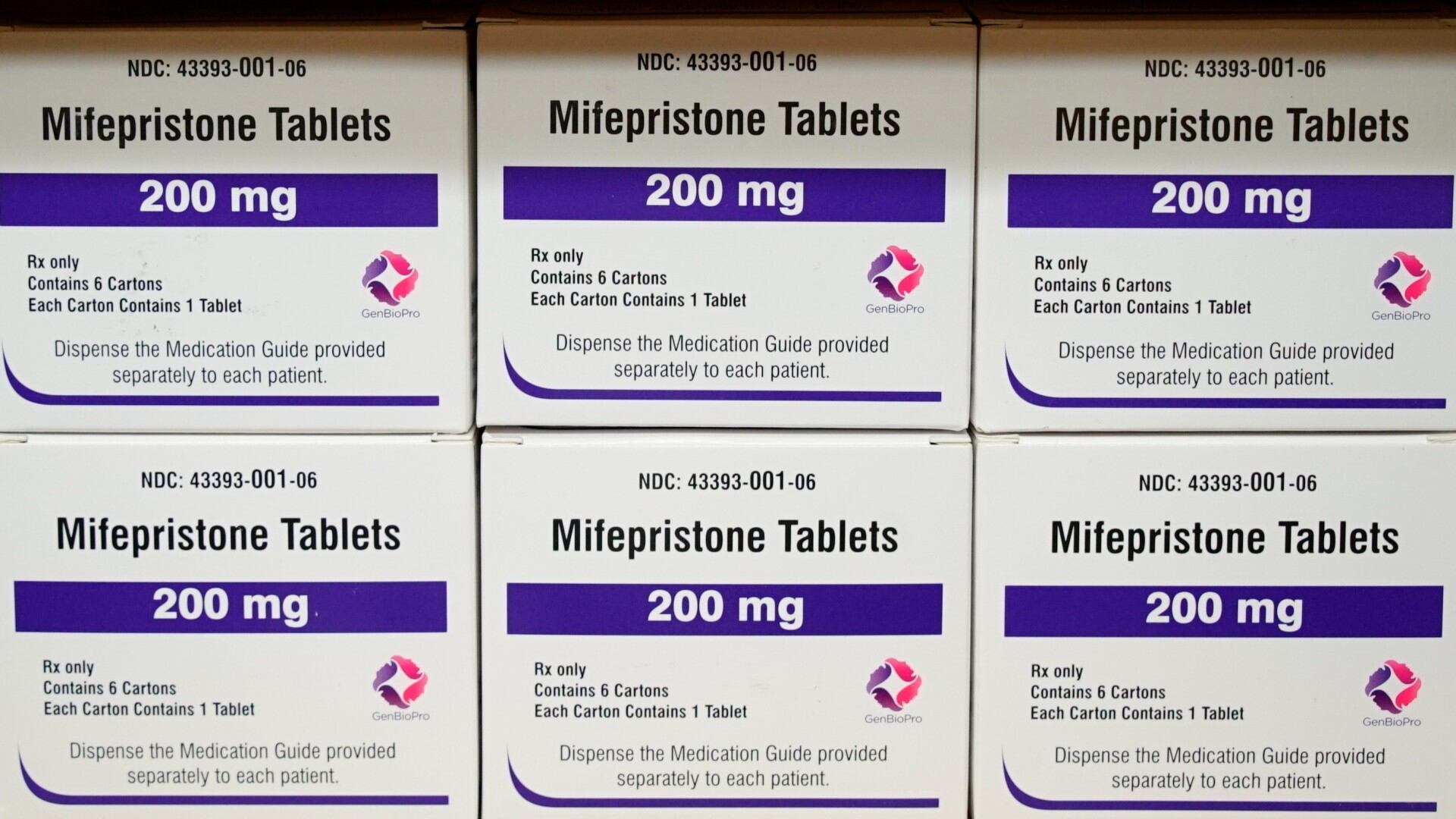
The Supreme Court on Friday preserved women’s access to a drug used in the most common method of abortion, rejecting lower-court restrictions while a lawsuit continues.