The “Bomb Cyclone” whipped the East Coast Thursday, with winds of up to 60 mph and snow falling at the rate of two inches per hour.
One meteorologist told Cheddar the arctic blast dubbed “Grayson” is even more powerful than 1993’s “Storm of the Century.”
“Fortunately is located just off-shore, so we are not seeing the very worst of it,” said Bob Henson, blogger at Weather Underground. “It’s also moving so quickly that the snowfall amounts, the totals, are not going to be as high as they were in that 1993 storm. However, the winds are going to be hellacious.”
The 1993 storm caused the equivalent of $9.3 billion in damages from the Deep South through the East Coast.
But this year’s blizzard, despite its ominous-sounding descriptor, may be less scary than it sounds. The National Oceanic and Atmospheric Administration notes the term “Bomb Cyclone” comes from the term “bombogenesis,” which describes pressures that drop to at least 24 millibars over 24 hours.
Still, Henson points out, Grayson has already claimed some victims.
“We just had a couple of fatalities in North Carolina of people out on the roads and their trucks slid of the roads,” he said. He added that the cold temperatures can also be deadly.
In order to stay safe, Henson suggests staying in a warm place, avoiding travel, and keeping off the road as the most important steps.
For full interview [click here](https://cheddar.com/videos/climate-changes-role-in-winter-storm-grayson).
A recent survey by research firm Cohn & Wolfe found that 86 percent of Americans think companies should be socially and environmentally responsible. Burt's Bees is carbon-neutral certified and hasn't sent any waste to a landfill since 2010. Paula Alexander, Director of Sustainable Business at the company, tells Cheddar why it's important to work for a company that makes a difference.
Peter Loftus, Reporter at the Wall Street Journal, is skeptical of pharmaceutical companies touting lower drug prices. Merck may be cutting prices on medications, Loftus told Cheddar, but the ones affected represent a smaller percentage of the company's total sales.
These are the headlines you Need2Know
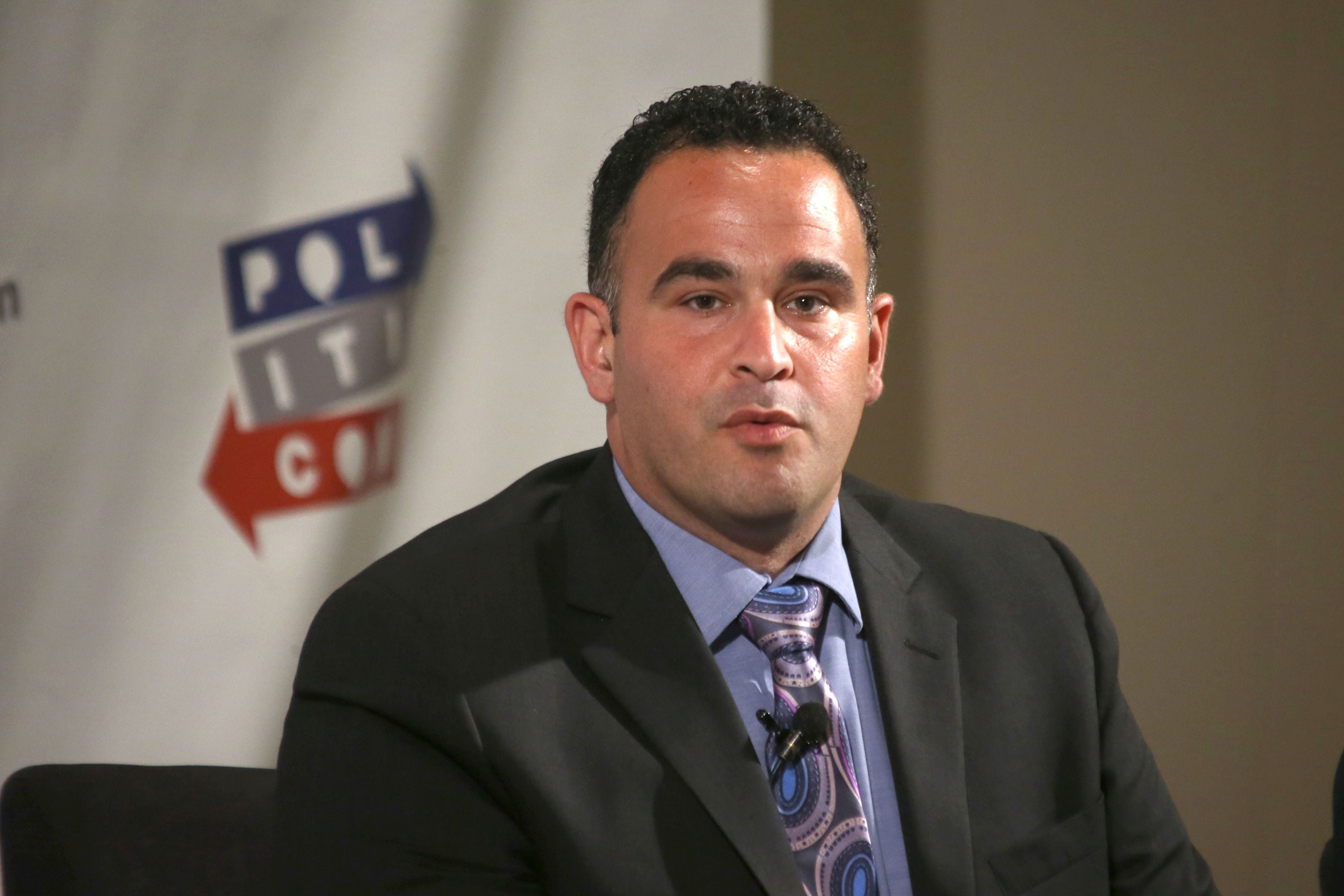
Kevin Sabet, who co-founded a nonprofit called Smart Approaches To Marijuana, compares the current state of the cannabis industry to the early days of the tobacco business. Back then, he points out, "we had a relatively new industry that had a product that [had] been around for a long time, but that they started marketing and developing into something addictive."
Cigna CEO David Cordani is co-author of "The Courage To Go Forward," a new book that explores the unique impact of micro communities. Cordani hopes Cigna's recent acquisition of Express Scripts will localize healthcare networks and expand his consumer base.
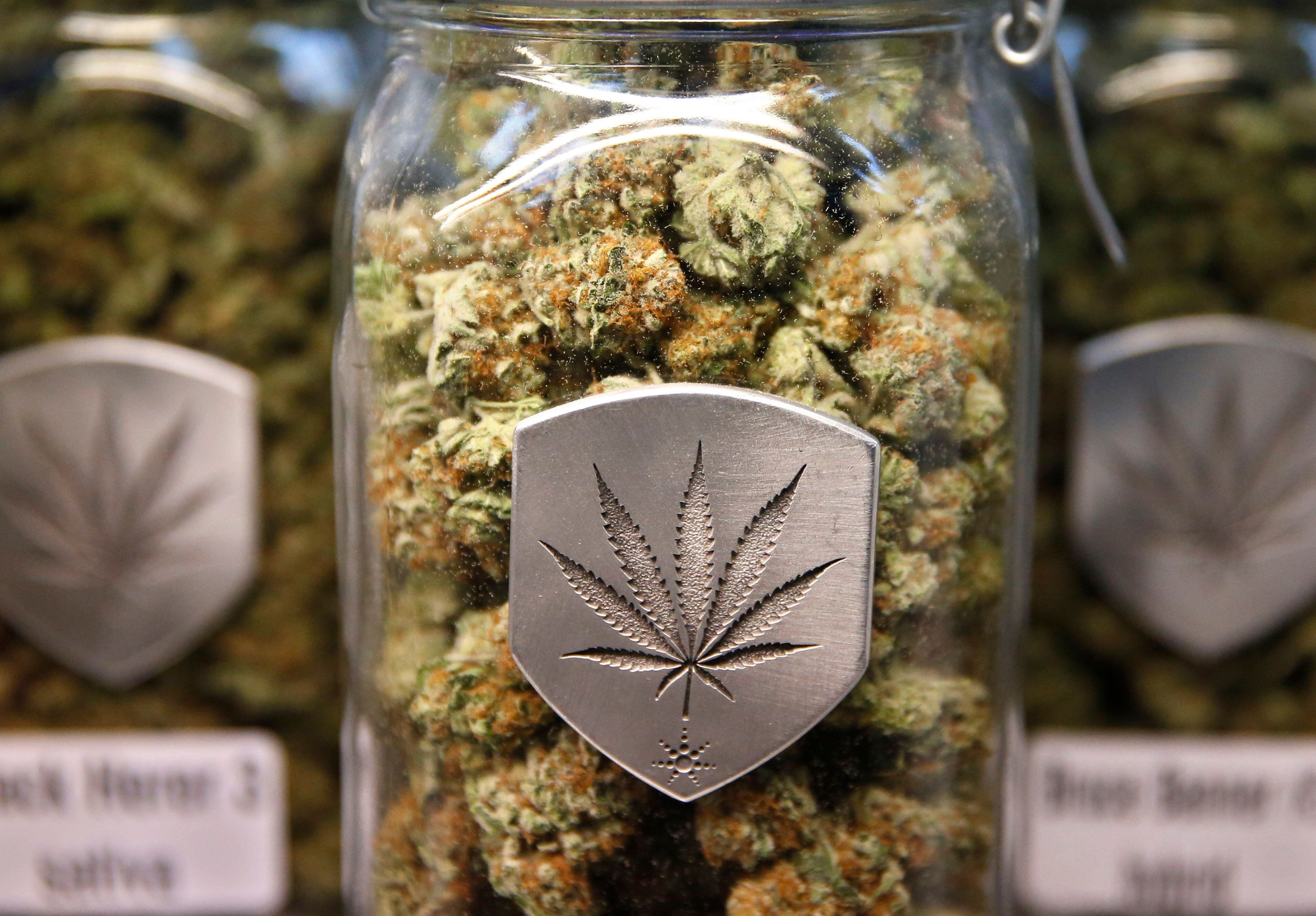
Regulators in Colorado have to keep up with and adapt to a fast-growing, ever-changing industry which consistently introduces new products into the market. "It is a challenge, but the engagement we have with stakeholders has been really valuable in helping us navigate those issues," says Dominique Mendiola, recently-appointed director of marijuana coordination in the state.
These are the headlines you Need2Know:
Trump Faces Bipartisan Backlash
Russian Woman Charged With Election Meddling
Hawaii's 'Lava Bomb' Injures Tourists
Deadly Fire Near Yosemite National Park Doubles
The subscription toy company creates boxes of creative DIY projects that are both educational and fun, says CEO Sandra Oh Lin. “We’re trying to instill that creative confidence as well as the tools.”
A massive heat wave has engulfed the east coast of the United States and has even made its way far to the west. Andrew Freedman, science editor at Axios, discusses why the weather system is so intense, and what has temperatures rising so much.
The e-commerce giant said on Thursday it plans to purchase Boston-based PillPack, which organizes, packages and delivers medications to consumers. Shares of traditional pharmacy companies like CVS and Walgreens plunged on the news.