The “Bomb Cyclone” whipped the East Coast Thursday, with winds of up to 60 mph and snow falling at the rate of two inches per hour.
One meteorologist told Cheddar the arctic blast dubbed “Grayson” is even more powerful than 1993’s “Storm of the Century.”
“Fortunately is located just off-shore, so we are not seeing the very worst of it,” said Bob Henson, blogger at Weather Underground. “It’s also moving so quickly that the snowfall amounts, the totals, are not going to be as high as they were in that 1993 storm. However, the winds are going to be hellacious.”
The 1993 storm caused the equivalent of $9.3 billion in damages from the Deep South through the East Coast.
But this year’s blizzard, despite its ominous-sounding descriptor, may be less scary than it sounds. The National Oceanic and Atmospheric Administration notes the term “Bomb Cyclone” comes from the term “bombogenesis,” which describes pressures that drop to at least 24 millibars over 24 hours.
Still, Henson points out, Grayson has already claimed some victims.
“We just had a couple of fatalities in North Carolina of people out on the roads and their trucks slid of the roads,” he said. He added that the cold temperatures can also be deadly.
In order to stay safe, Henson suggests staying in a warm place, avoiding travel, and keeping off the road as the most important steps.
For full interview [click here](https://cheddar.com/videos/climate-changes-role-in-winter-storm-grayson).
Stocks are falling in midday trading on Wall Street, erasing 2 percent from major indexes, a day after they surged 4 percent as the mood swings back to fear about economic fallout from the virus outbreak.
These are the headlines you Need 2 Know for Thursday, March 5, 2020.
The U.S. death toll from the coronavirus climbed to 11 on Wednesday with a victim succumbing in California — the nation's first reported fatality outside Washington state — as officials, schools and businesses came under pressure to respond more aggressively to the outbreak.
The company known for home thermostats said it will release "the most powerful quantum computer yet" within the next three months.
These are the headlines you Need 2 Know for Wednesday, March 4, 2020.
The Dow Jones Industrial Average dropped 785 points and bond prices surged after an emergency interest-rate cut by the Federal Reserve failed to reassure markets racked by worries that a fast-spreading virus outbreak could lead to a recession.
HotelPlanner CEO Tim Hentschel told Cheddar that the travel industry is taking the worst hit it has seen in nearly two decades thanks to the coronavirus outbreak paralyzing multiple countries.
Stocks are whipping up and down after the Federal Reserve swooped into the market with an emergency rate cut in hopes of shielding the economy from the effects of the fast-spreading virus. Tuesday's surprise move gave stocks a strong, brief boost, but it took just 15 minutes for the gains to evaporate.
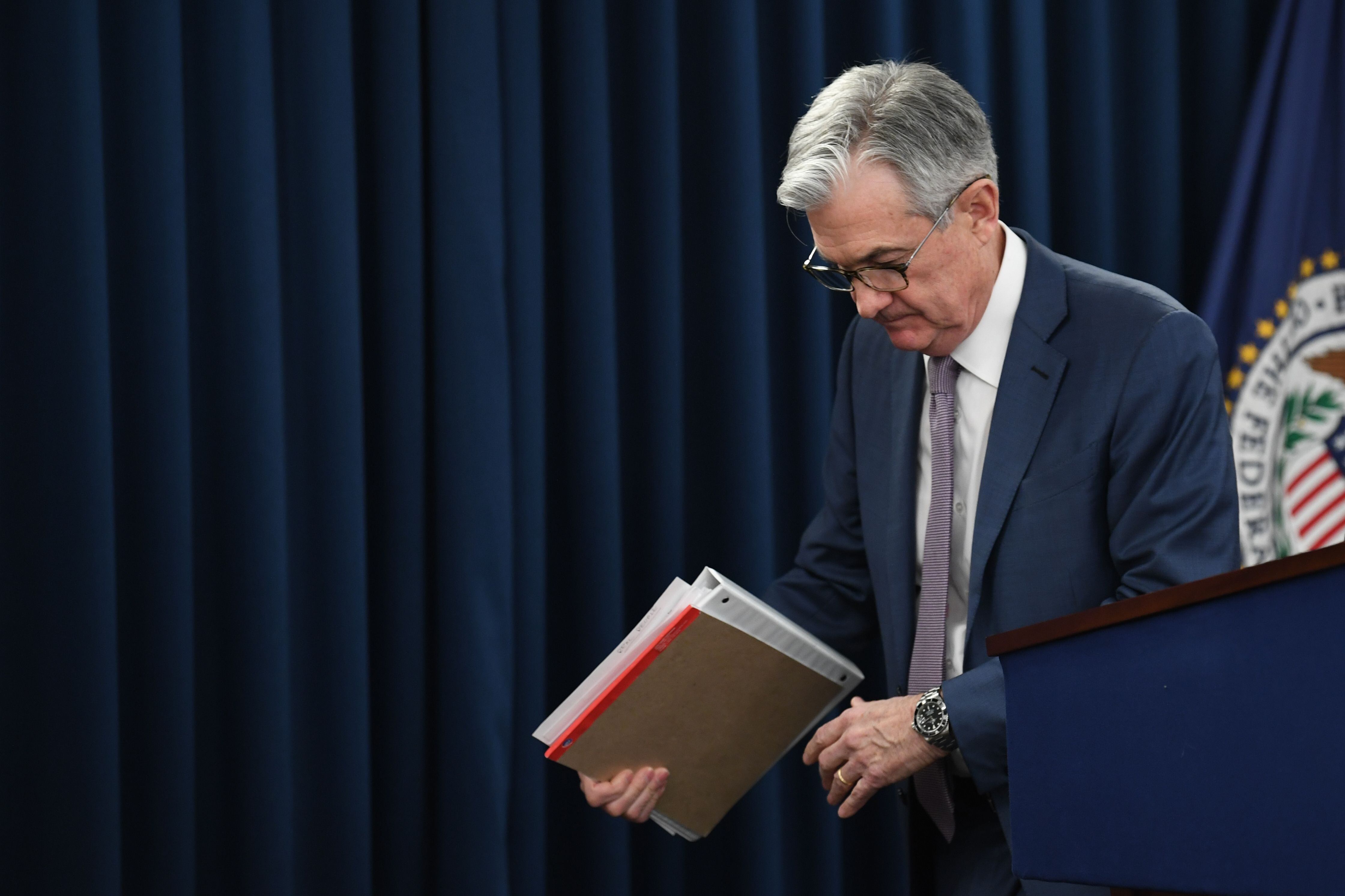
Chairman Jerome Powell said at a news conference that the virus “will surely weigh on economic activity both here and abroad for some time.” It was the Fed's first rate cut since last year, when it reduced its key short-term rate three times.
The Federal Reserve will cut interest rates by a half-percentage point in its first emergency rate cut since the Great Recession in response to the spreading coronavirus.