The “Bomb Cyclone” whipped the East Coast Thursday, with winds of up to 60 mph and snow falling at the rate of two inches per hour.
One meteorologist told Cheddar the arctic blast dubbed “Grayson” is even more powerful than 1993’s “Storm of the Century.”
“Fortunately is located just off-shore, so we are not seeing the very worst of it,” said Bob Henson, blogger at Weather Underground. “It’s also moving so quickly that the snowfall amounts, the totals, are not going to be as high as they were in that 1993 storm. However, the winds are going to be hellacious.”
The 1993 storm caused the equivalent of $9.3 billion in damages from the Deep South through the East Coast.
But this year’s blizzard, despite its ominous-sounding descriptor, may be less scary than it sounds. The National Oceanic and Atmospheric Administration notes the term “Bomb Cyclone” comes from the term “bombogenesis,” which describes pressures that drop to at least 24 millibars over 24 hours.
Still, Henson points out, Grayson has already claimed some victims.
“We just had a couple of fatalities in North Carolina of people out on the roads and their trucks slid of the roads,” he said. He added that the cold temperatures can also be deadly.
In order to stay safe, Henson suggests staying in a warm place, avoiding travel, and keeping off the road as the most important steps.
For full interview [click here](https://cheddar.com/videos/climate-changes-role-in-winter-storm-grayson).
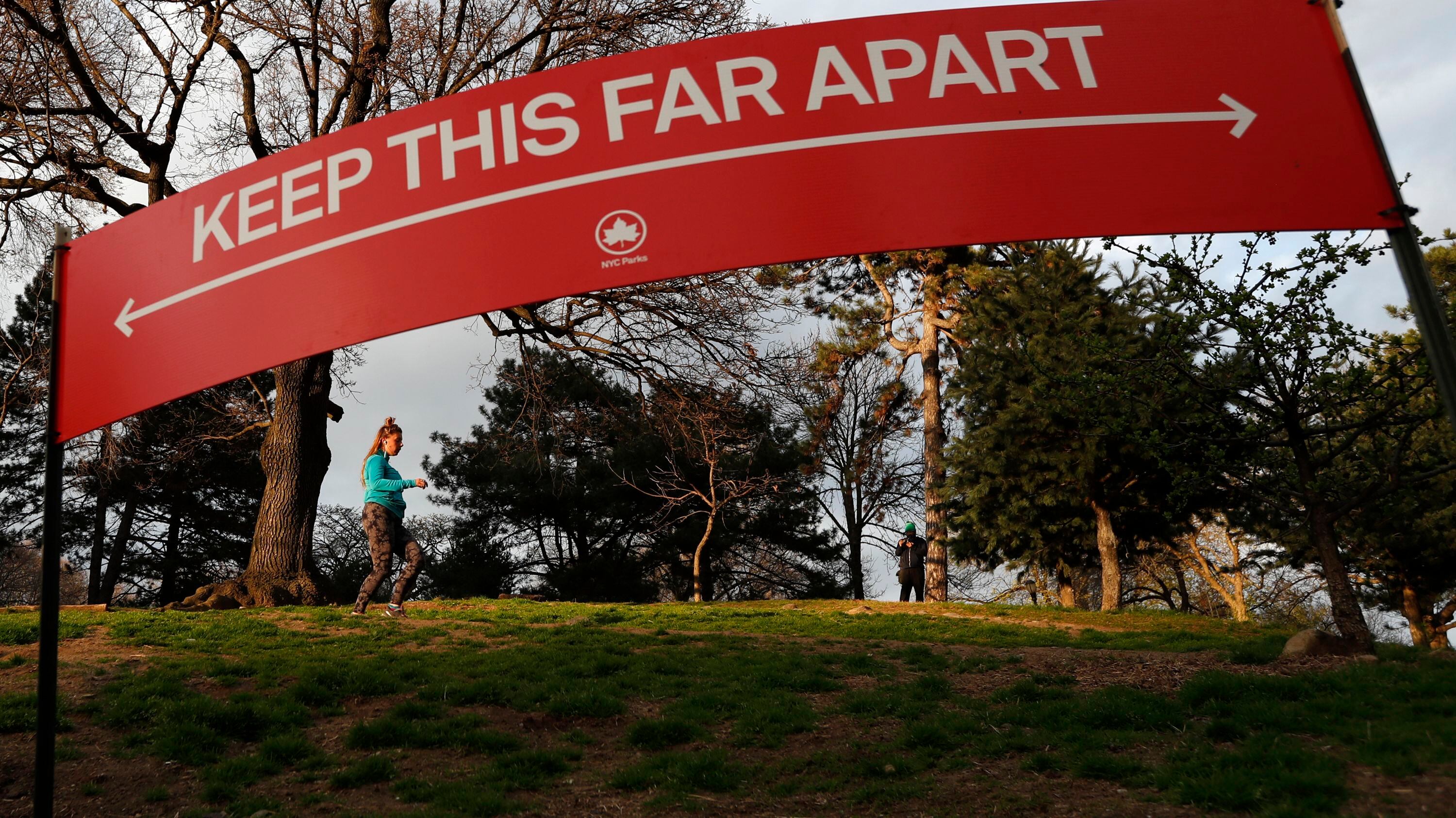
As large swaths of the U.S. are stuck in place as the coronavirus pandemic continues to sweep the country, experts warn that consuming too much news media could heighten the growing anxiety among the populace.
New Jersey Gov. Phil Murphy delivered a message of cautious optimism on Monday while relaying the latest COVID-19 data gathered by the state.
Announcing 599 deaths in the last 24 hours, Cuomo called the fatality number “effectively flat for two days,” which he said hints at a possible flattening of New York’s curve, along with fewer hospital and ICU admissions
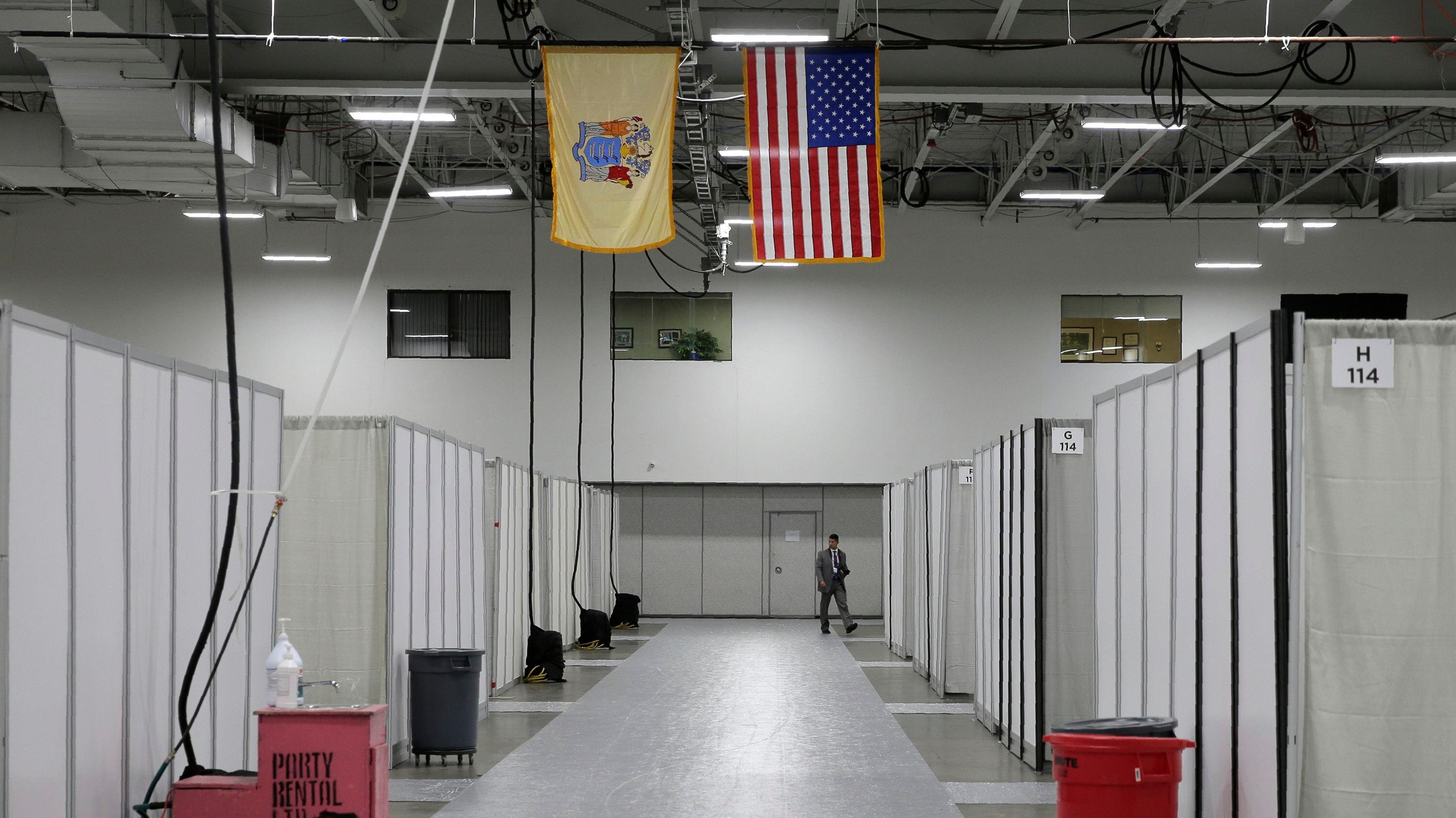
New Jersey is emerging as another hot spot of COVID-19 with nearly 40,000 confirmed cases and 917 deaths. However, the head of one of the state's health care systems said officials there hope they are beginning to see a peak.
With the number of coronavirus patients exploding in hotspots like New York and hospitals facing a critical shortage of life-saving equipment, health care providers may soon be facing an excruciating choice: Who gets to live. And who doesn’t.
Experts maintain that despite social distancing and quarantining measures during the coronavirus pandemic, people should still attempt to socialize "serendipitously" and commit to acts of kindness to mitigate the stress.
Rep. Greg Walden (R-Ore. 2nd District) supports the "basic public health protocol" is leading to drastic mitigation of the pandemic in his state of Oregon.
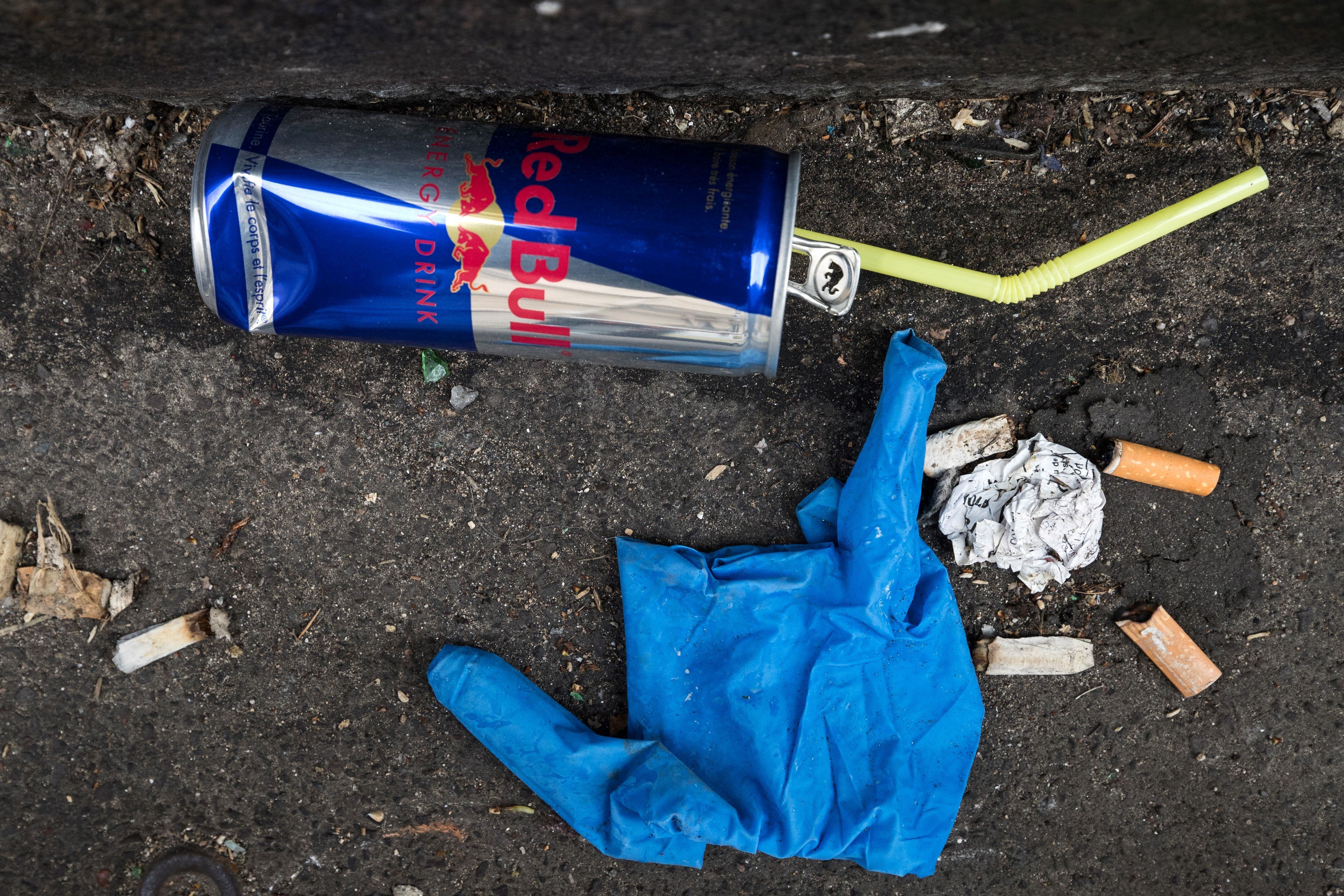
Like many of you out there, everyone at Cheddar is cooped up at home for maximum social distancing. And we’ve noticed something: in our respective self-quarantines, we’re taking out the trash a lot more than usual.
So our Megan Pratz teamed up with HEATED’s Emily Atkin to figure out the impact this extra waste is having on our communities.
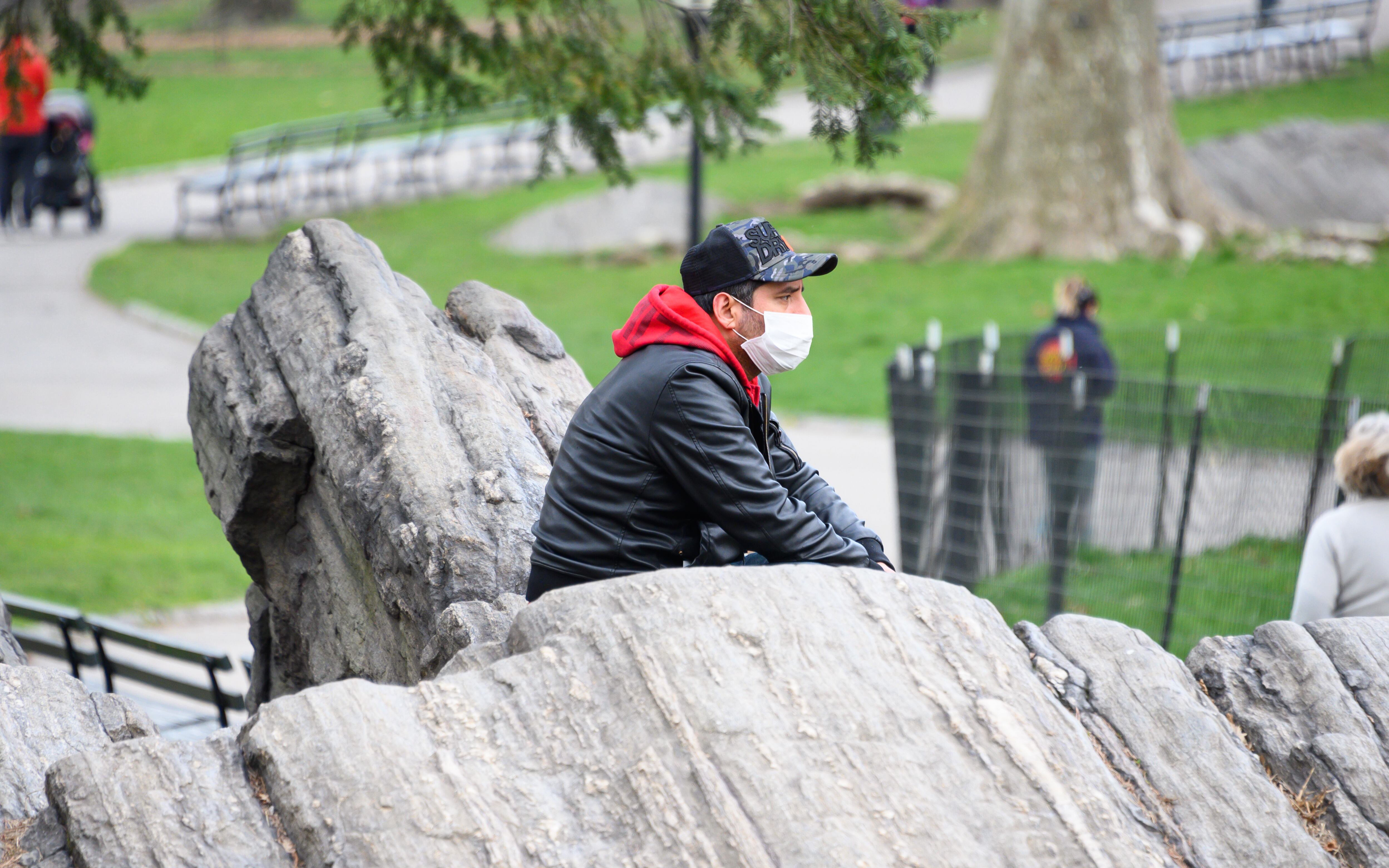
The Trump administration is formalizing new guidance to recommend that many Americans wear face coverings in an effort to slow the spread of the new coronavirus, as the president is aggressively defending his response to the public health crisis.
The coronavirus outbreak has triggered a stunning collapse in the U.S. workforce, with 10 million people losing their jobs in the past two weeks. Meanwhile, the number of confirmed infections worldwide has hit 1 million, with more than 50,000 deaths, according to the tally kept by Johns Hopkins University.