The “Bomb Cyclone” whipped the East Coast Thursday, with winds of up to 60 mph and snow falling at the rate of two inches per hour.
One meteorologist told Cheddar the arctic blast dubbed “Grayson” is even more powerful than 1993’s “Storm of the Century.”
“Fortunately is located just off-shore, so we are not seeing the very worst of it,” said Bob Henson, blogger at Weather Underground. “It’s also moving so quickly that the snowfall amounts, the totals, are not going to be as high as they were in that 1993 storm. However, the winds are going to be hellacious.”
The 1993 storm caused the equivalent of $9.3 billion in damages from the Deep South through the East Coast.
But this year’s blizzard, despite its ominous-sounding descriptor, may be less scary than it sounds. The National Oceanic and Atmospheric Administration notes the term “Bomb Cyclone” comes from the term “bombogenesis,” which describes pressures that drop to at least 24 millibars over 24 hours.
Still, Henson points out, Grayson has already claimed some victims.
“We just had a couple of fatalities in North Carolina of people out on the roads and their trucks slid of the roads,” he said. He added that the cold temperatures can also be deadly.
In order to stay safe, Henson suggests staying in a warm place, avoiding travel, and keeping off the road as the most important steps.
For full interview [click here](https://cheddar.com/videos/climate-changes-role-in-winter-storm-grayson).
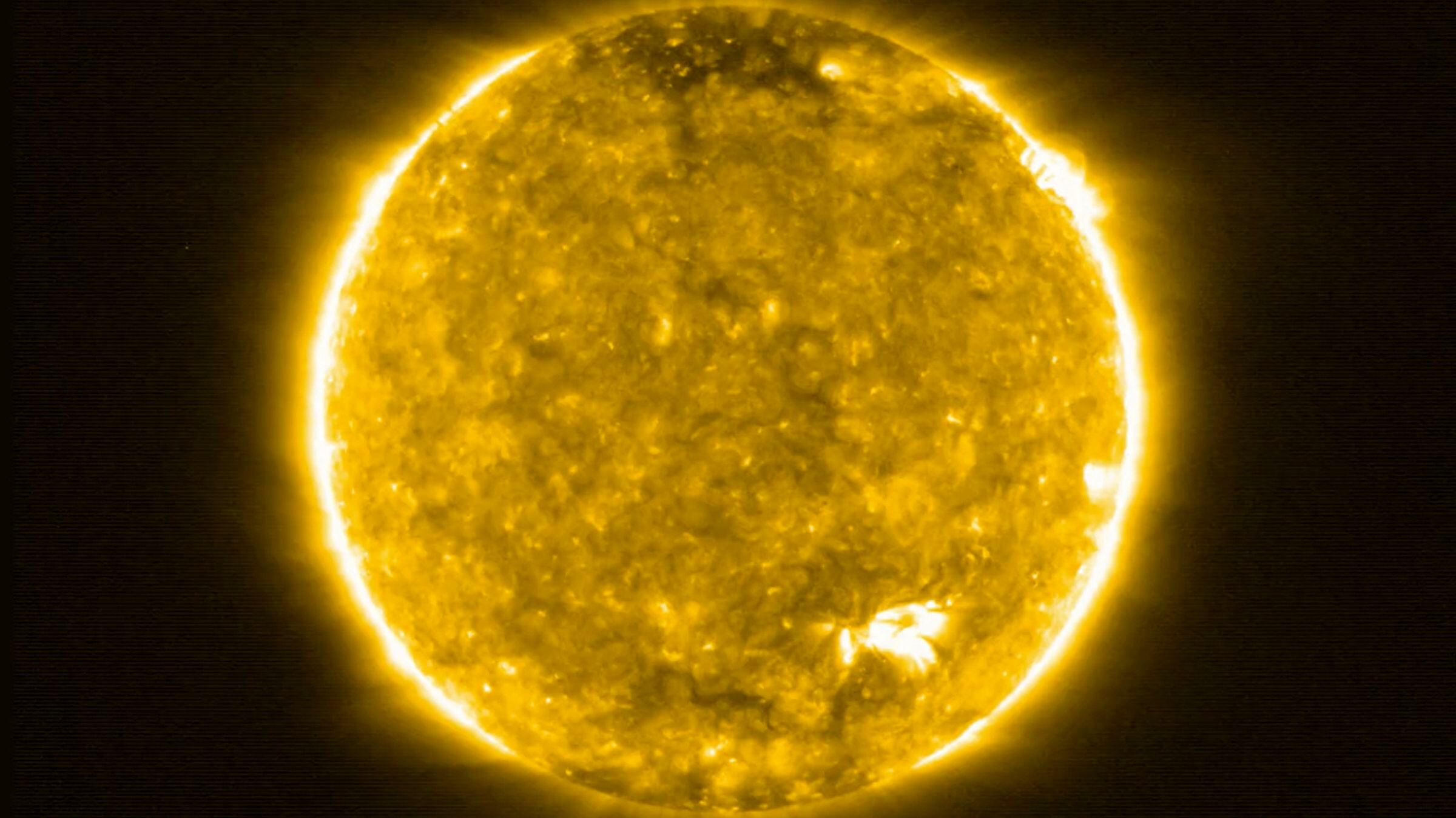
A European and NASA spacecraft has snapped the closest pictures ever taken of the sun and revealed countless tiny "campfires" flaring everywhere.
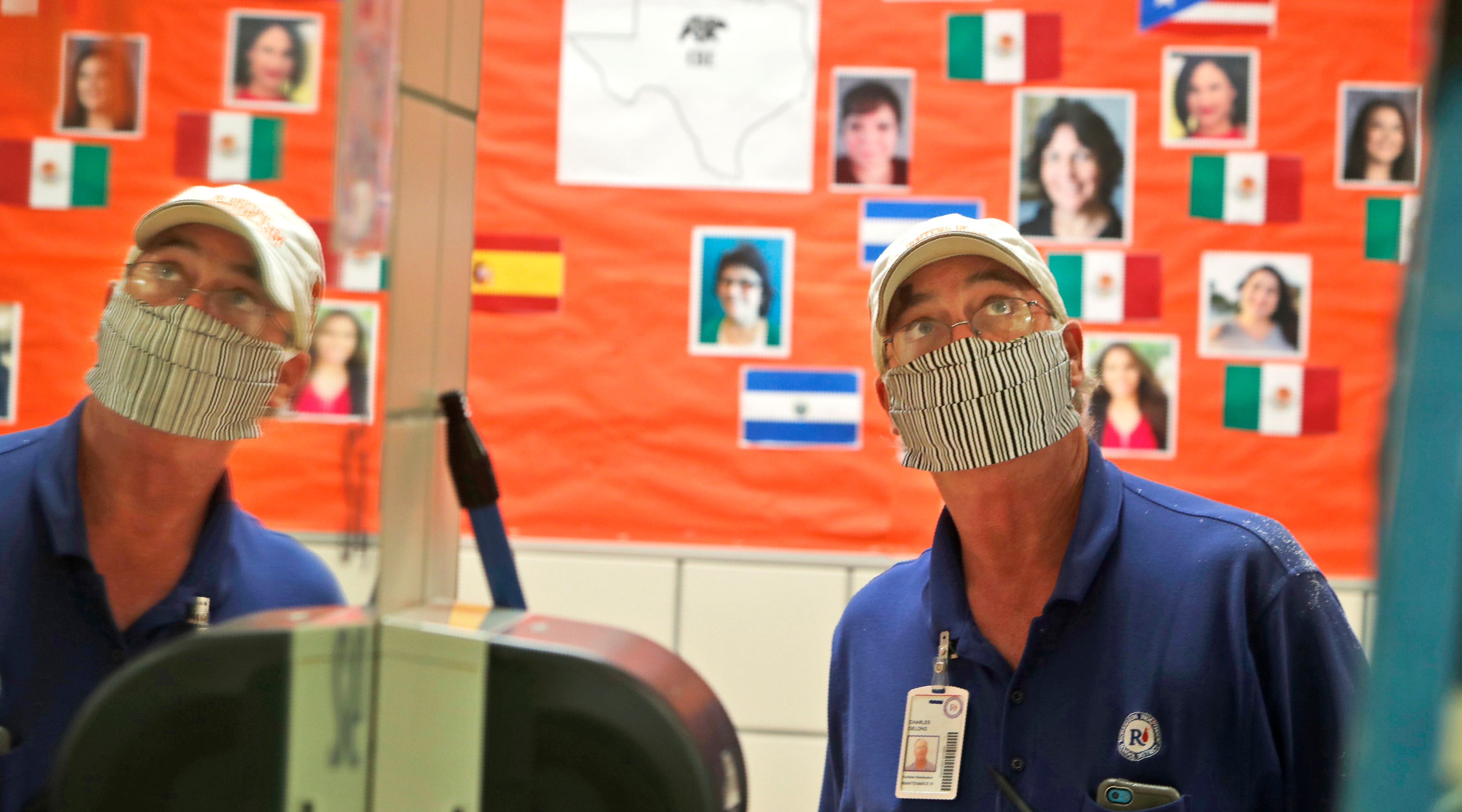
Arizona, Texas, and Florida are together reporting about 25,000 new coronavirus cases as new restrictions aimed at combating the spread of the pandemic take hold in the United States and around the world.
Early-stage testing showed the first COVID-19 vaccine tested in the U.S. revved up people’s immune systems the way scientists had hoped.
In partnership with MIT, 3M is in the early stages of developing a rapid COVID-19 test. Dr. John Banovetz, chief technology officer at 3M, said the est would yield results in 15 minutes.
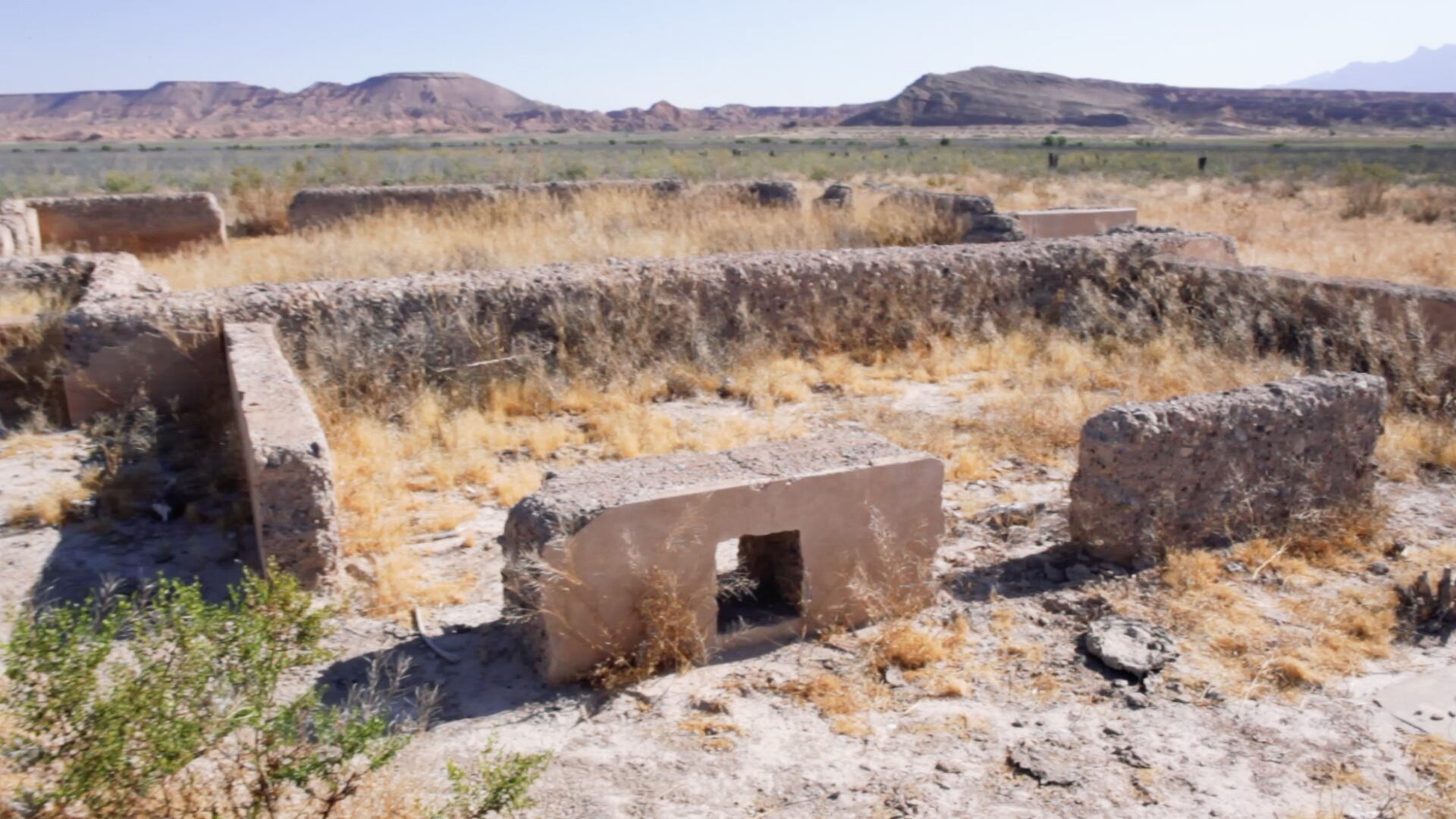
Millions of people thrive in the American West’s deserts today, but not every is thriving. You’ve probably heard of droughts and wildfires in California, of groundwater drying up in Arizona, and of entire communities, like those on the Navajo Nation, that have been left without running water. The region is finally coming to terms with decades of infrastructure projects, coupled with using more water than nature can provide, as the threat of climate change moves in. Cheddar explains why the American West is running out of water.
Joe Biden released a plan Tuesday aimed at combating climate change and spurring economic growth in part by overhauling America’s energy industry.
Burger King has rebalanced the diet of some of the cows by adding lemon grass in a bid to limit bovine contributions to climate change.
Hope is set to reach Mars in February 2021, the year the UAE celebrates 50 years since its formation. Two other Mars missions are planned in coming days by the U.S. and China.
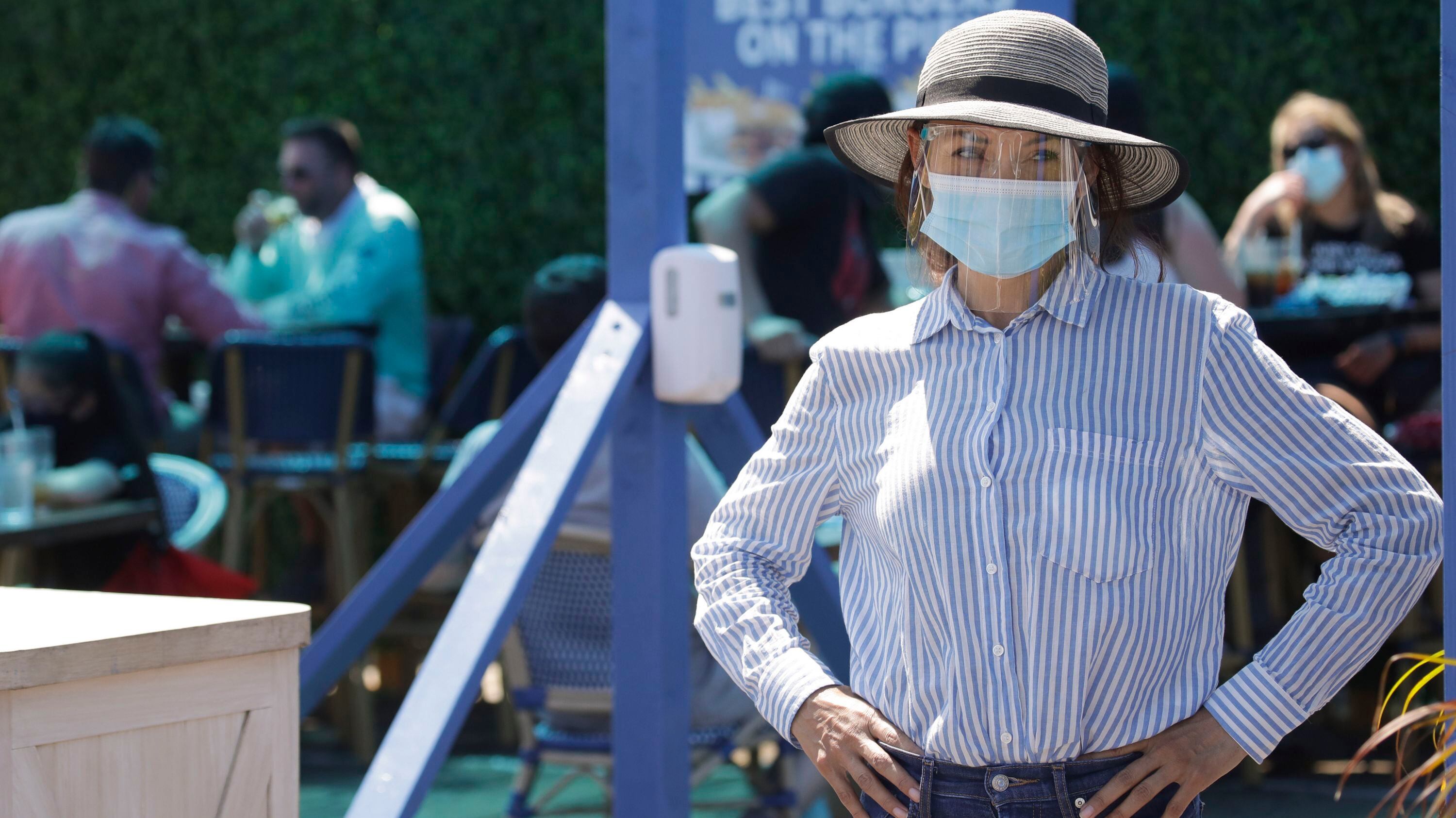
California Gov. Gavin Newsom has extended the closure of bars and indoor dining statewide and has ordered gyms, churches and hair salons closed in most places as coronavirus cases keep rising.
The United States is grappling with the worst coronavirus outbreak in the world, as Florida shattered the national record for a state’s largest single-day increase in new confirmed cases with a reported 15,299.