The “Bomb Cyclone” whipped the East Coast Thursday, with winds of up to 60 mph and snow falling at the rate of two inches per hour.
One meteorologist told Cheddar the arctic blast dubbed “Grayson” is even more powerful than 1993’s “Storm of the Century.”
“Fortunately is located just off-shore, so we are not seeing the very worst of it,” said Bob Henson, blogger at Weather Underground. “It’s also moving so quickly that the snowfall amounts, the totals, are not going to be as high as they were in that 1993 storm. However, the winds are going to be hellacious.”
The 1993 storm caused the equivalent of $9.3 billion in damages from the Deep South through the East Coast.
But this year’s blizzard, despite its ominous-sounding descriptor, may be less scary than it sounds. The National Oceanic and Atmospheric Administration notes the term “Bomb Cyclone” comes from the term “bombogenesis,” which describes pressures that drop to at least 24 millibars over 24 hours.
Still, Henson points out, Grayson has already claimed some victims.
“We just had a couple of fatalities in North Carolina of people out on the roads and their trucks slid of the roads,” he said. He added that the cold temperatures can also be deadly.
In order to stay safe, Henson suggests staying in a warm place, avoiding travel, and keeping off the road as the most important steps.
For full interview [click here](https://cheddar.com/videos/climate-changes-role-in-winter-storm-grayson).
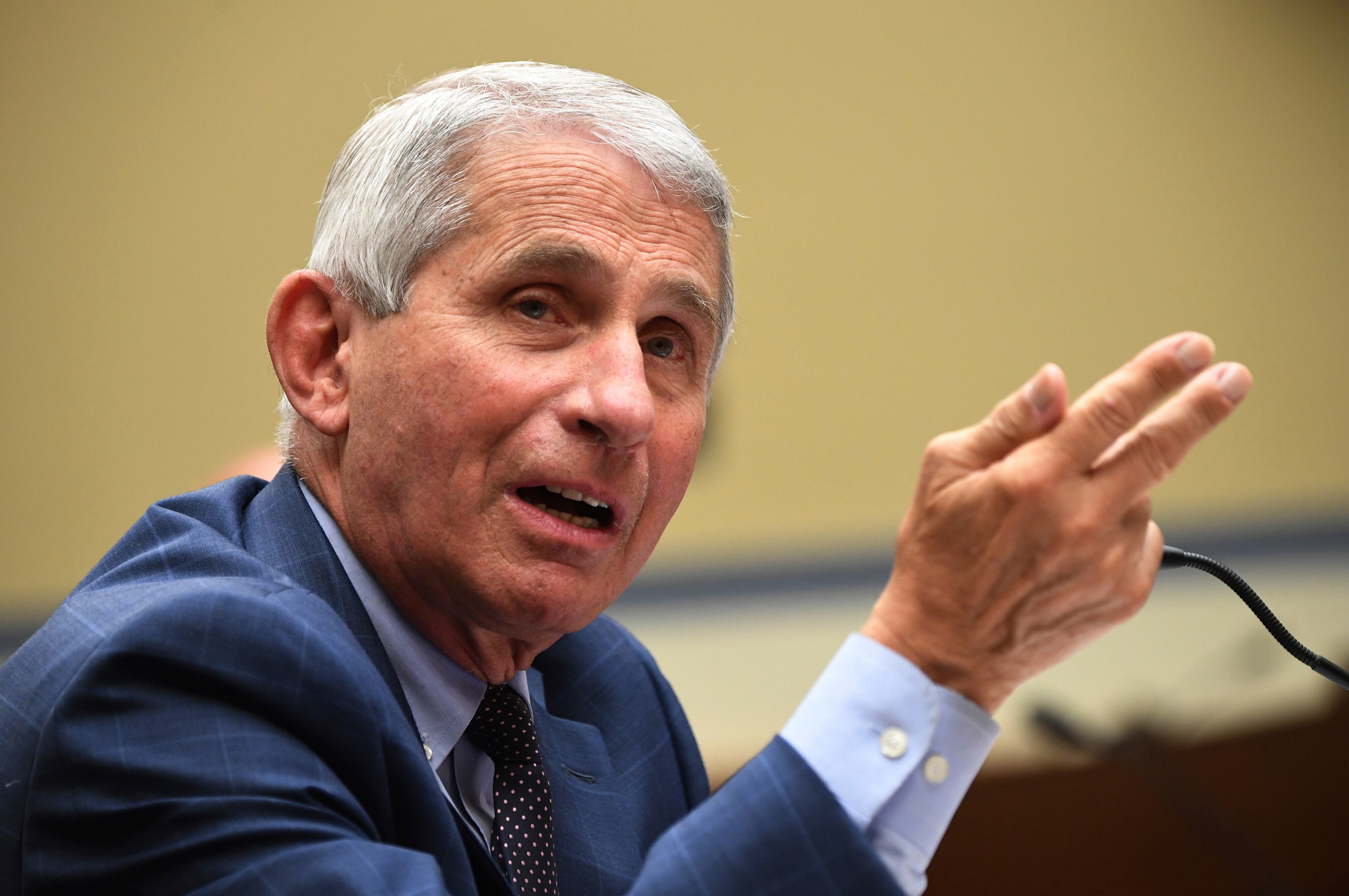
Dr. Anthony Fauci says AstraZeneca's suspension of its COVID-19 vaccine study shows “one of the safety valves” built into the research to spot any potential problems.
Scientists who sent bulked-up, mutant “mighty mice” to the International Space Station say the animals held onto their muscle during the monthlong flight.
Top executives of nine drugmakers likely to produce the first vaccines against the new coronavirus are taking the extraordinary step of promising they'll be safe and effective.
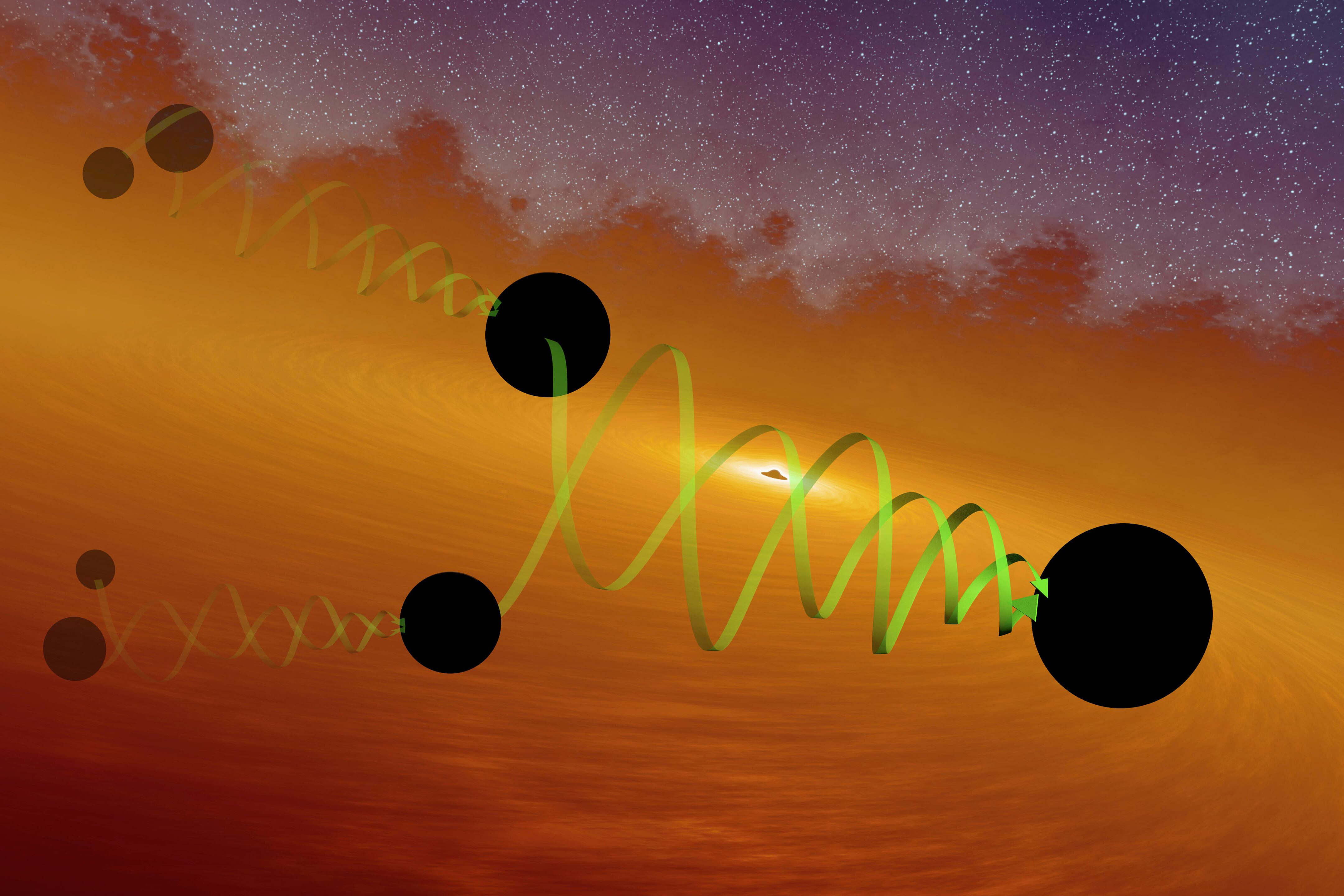
Astrophysicists detected the signal from a long ago violent collision of two black holes that created a new one of a size that had never been seen before.
The timeline raised concern among public health experts about an “October surprise" — a vaccine approval driven by political considerations ahead of a presidential election, rather than science.
Thailand’s prime minister is congratulating the nation for having achieved 100 days without a confirmed locally transmitted case of the coronavirus.
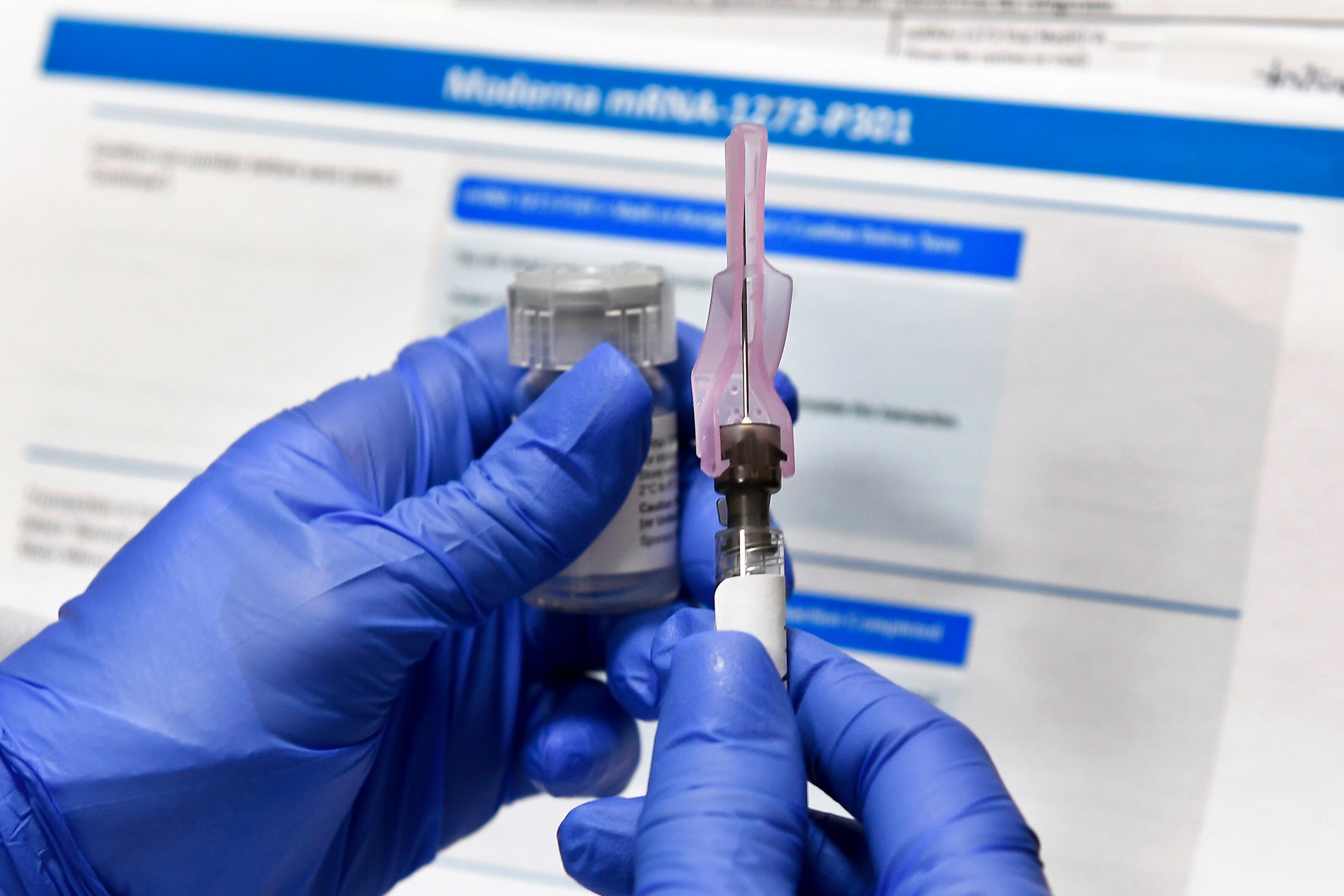
A third leading candidate COVID-19 vaccine has entered a final stage of human testing in the United States.
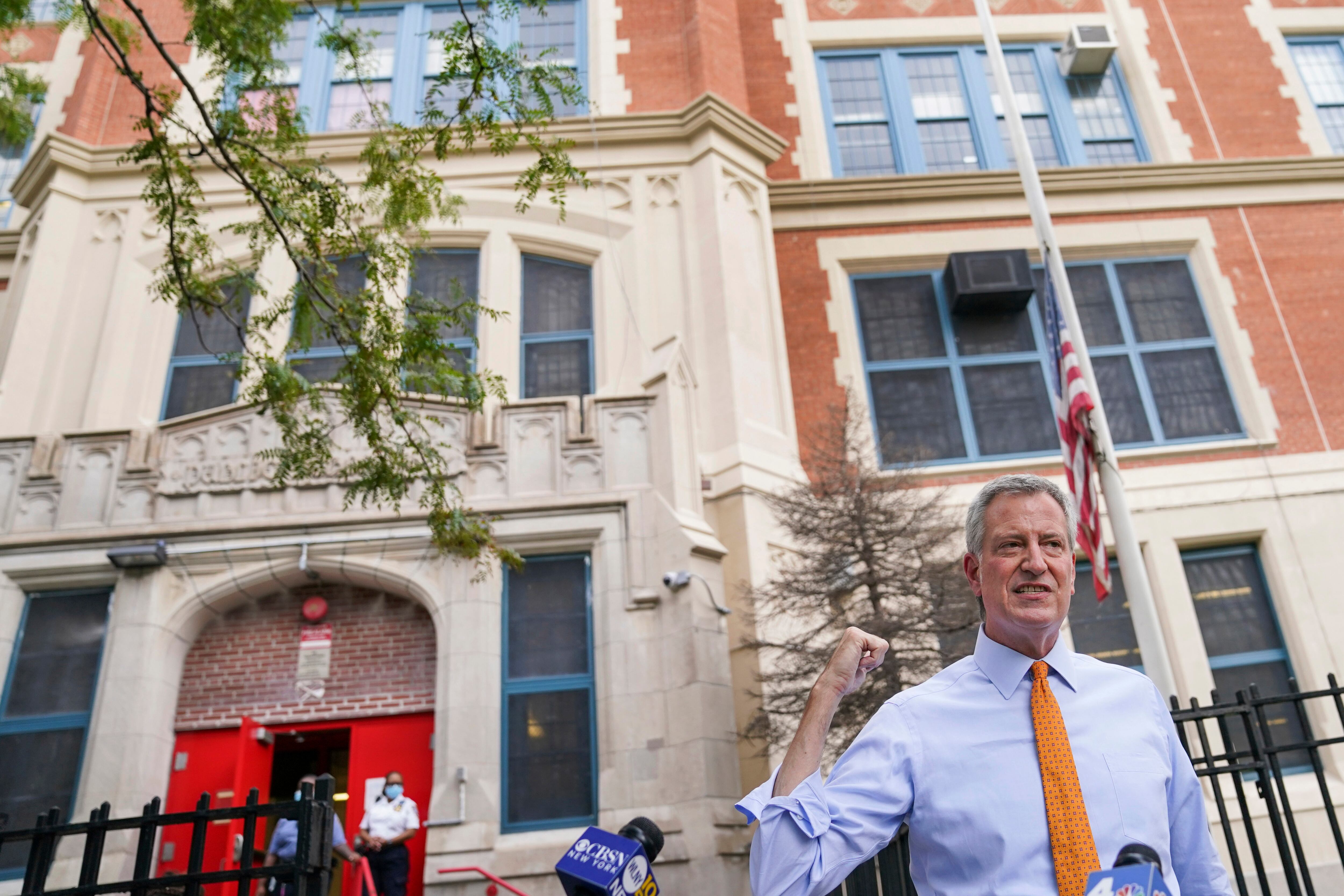
Mayor Bill de Blasio says New York City is delaying sending students back to classrooms in the nation’s largest public school system.
West Virginia University has developed technology that can predict coronavirus outbreaks with 90 percent accuracy. Dr. Ali Rezai, executive chair of WVU's Rockefeller Neuroscience Institute, joined Cheddar to discuss the technology and protocols the university will implement to mitigate the spread of COVID-19.
How and whether companies participate in COVID-19 vaccination programs could mean the difference between a successful roll-out, and one fraught with suspicion and misunderstanding.