The “Bomb Cyclone” whipped the East Coast Thursday, with winds of up to 60 mph and snow falling at the rate of two inches per hour.
One meteorologist told Cheddar the arctic blast dubbed “Grayson” is even more powerful than 1993’s “Storm of the Century.”
“Fortunately is located just off-shore, so we are not seeing the very worst of it,” said Bob Henson, blogger at Weather Underground. “It’s also moving so quickly that the snowfall amounts, the totals, are not going to be as high as they were in that 1993 storm. However, the winds are going to be hellacious.”
The 1993 storm caused the equivalent of $9.3 billion in damages from the Deep South through the East Coast.
But this year’s blizzard, despite its ominous-sounding descriptor, may be less scary than it sounds. The National Oceanic and Atmospheric Administration notes the term “Bomb Cyclone” comes from the term “bombogenesis,” which describes pressures that drop to at least 24 millibars over 24 hours.
Still, Henson points out, Grayson has already claimed some victims.
“We just had a couple of fatalities in North Carolina of people out on the roads and their trucks slid of the roads,” he said. He added that the cold temperatures can also be deadly.
In order to stay safe, Henson suggests staying in a warm place, avoiding travel, and keeping off the road as the most important steps.
For full interview [click here](https://cheddar.com/videos/climate-changes-role-in-winter-storm-grayson).
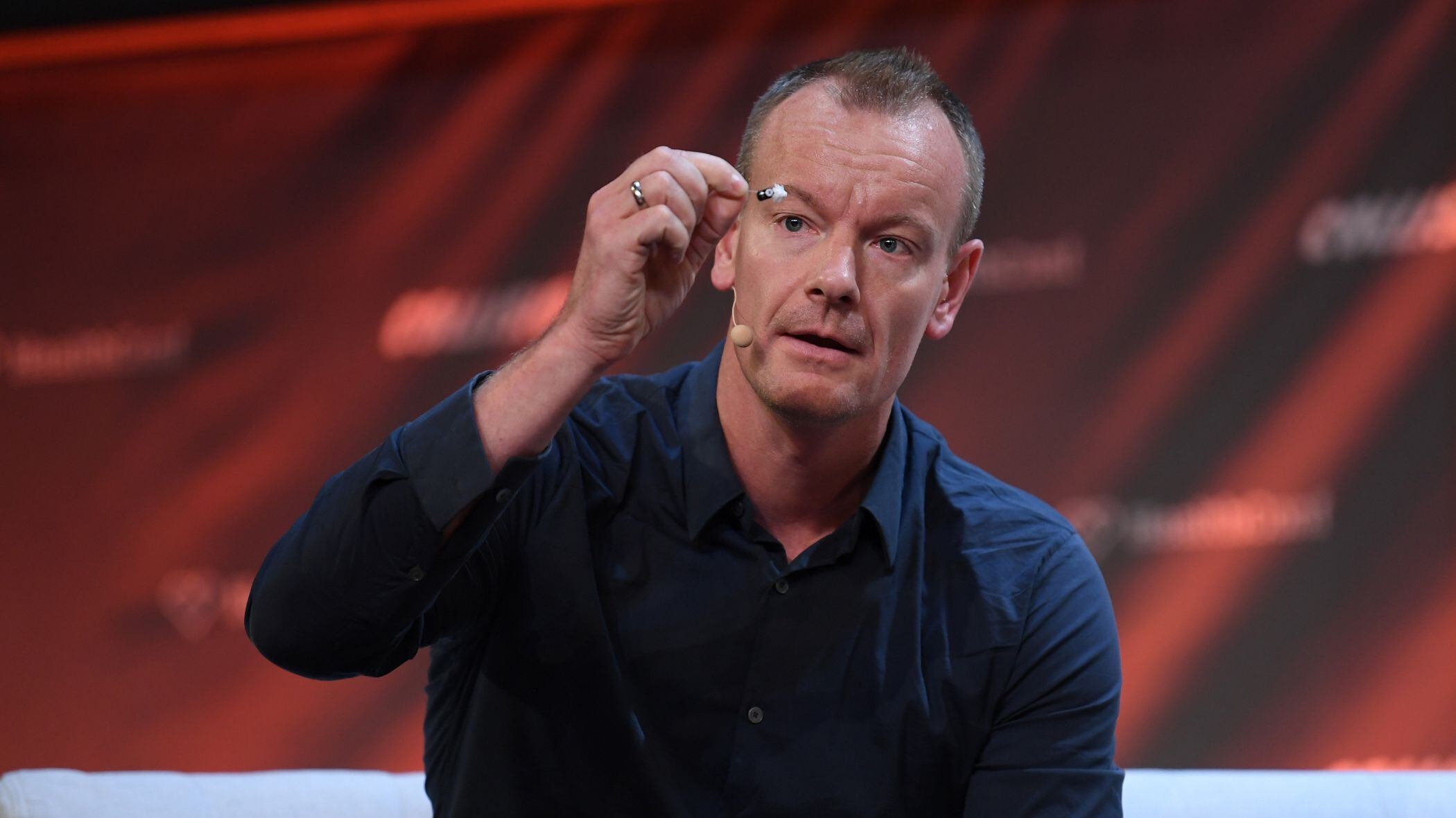
Christian Gormsen, Eargo CEO, joined Cheddar to discuss the hearing aid company going public. and also about the path to expanding insurance coverage to include hearing aids.
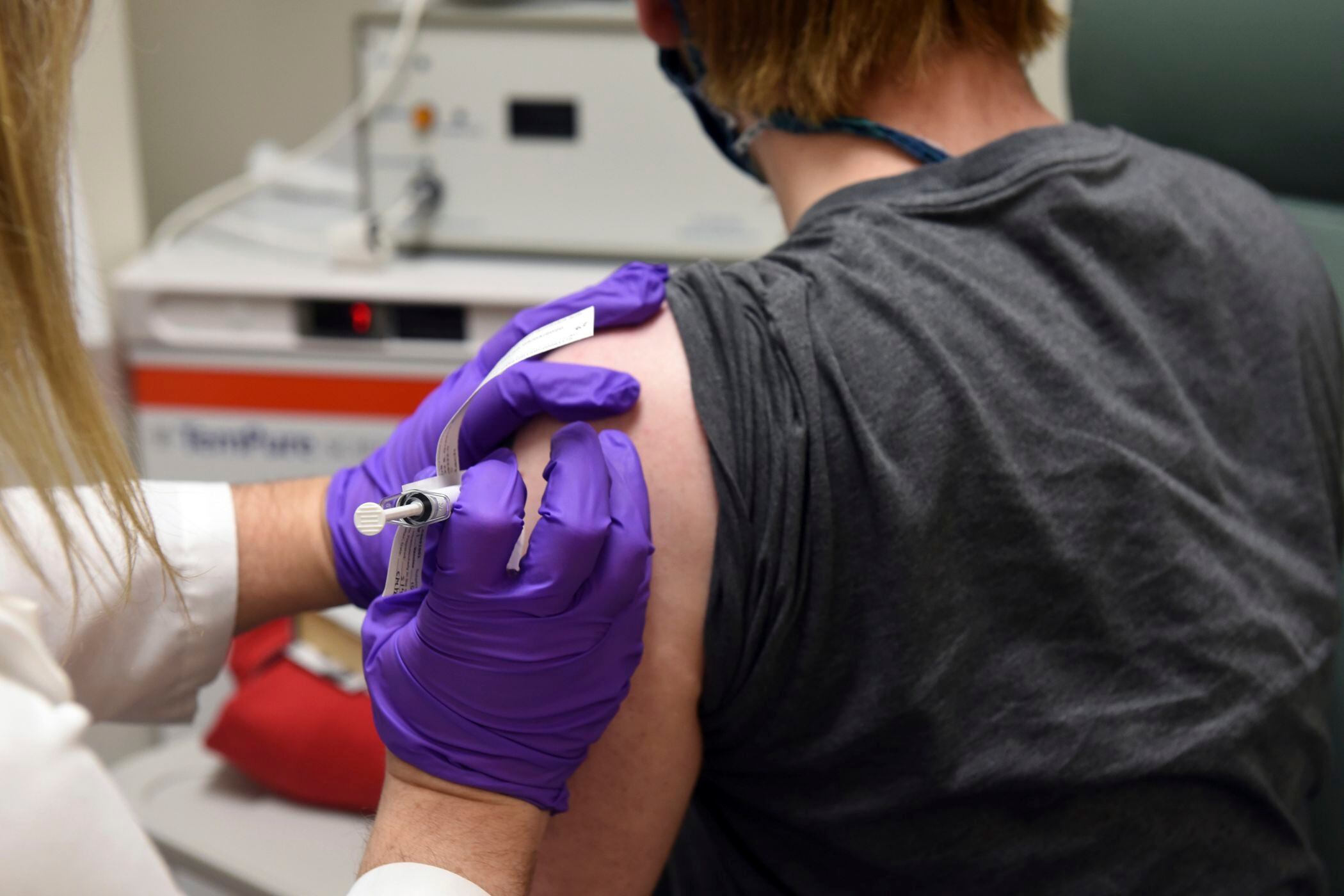
Pfizer CEO says it can't seek emergency authorization of its COVID-19 vaccine before the third week of November — and that's if everything goes well.
A trio of scientists is championing a controversial alternative to coronavirus lockdowns in a 500-word document called the Great Barrington Declaration, which is stirring up significant backlash from other public health experts.
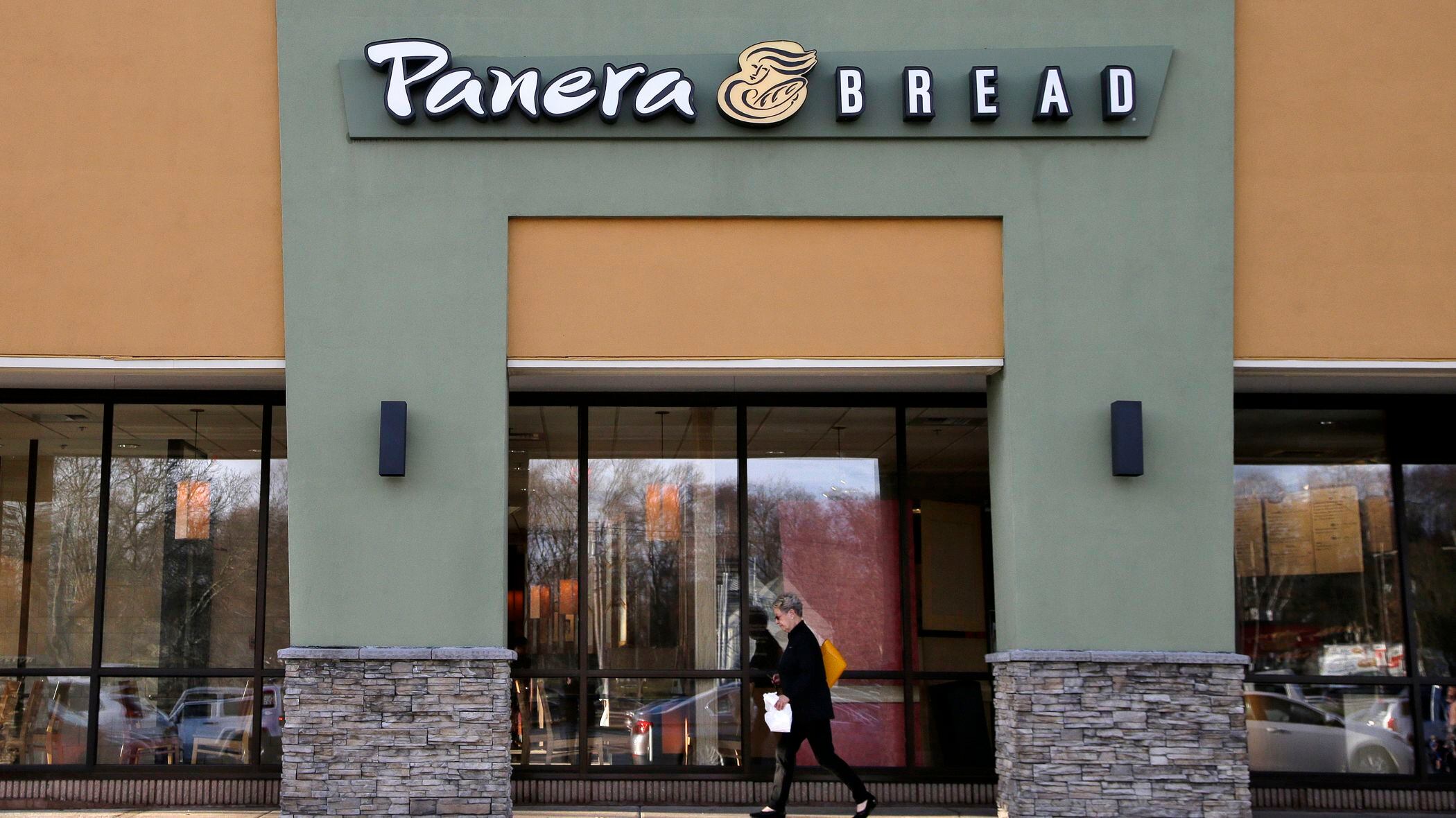
Panera is doing its part to go green, upgrading its menu options to include the carbon footprint of each item. CEO Niren Chaudhary joined Cheddar to break down food production's link to climate change.
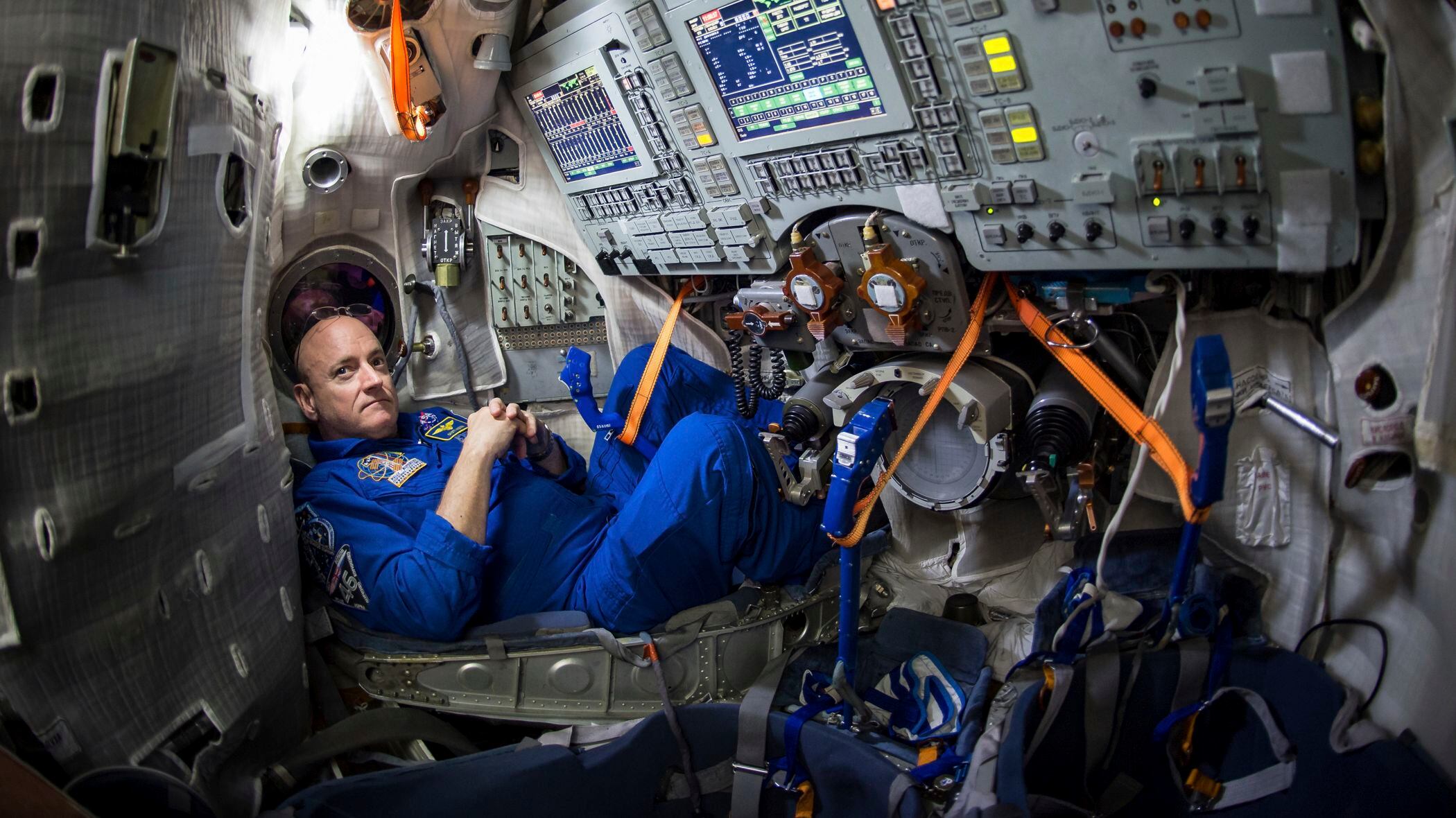
Former NASA astronaut, Scott Kelly provides some insight into the impacts of being isolated, particularly as people around the world experience it amid the coronavirus pandemic.
US Scientists calculate that Earth hit its warmest September on record last month. The National Oceanic and Atmospheric Administration Wednesday said there's nearly a two-to-one chance that 2020 will end up as the hottest year on record.
Facing public skepticism about rushed COVID-19 vaccines, U.S. health officials are planning an extra layer of safety scrutiny for the first people vaccinated when shots become available.
A late-stage study of Johnson & Johnson’s COVID-19 vaccine candidate has been paused while the company investigates whether a study participant’s “unexplained illness” is related to the shot.
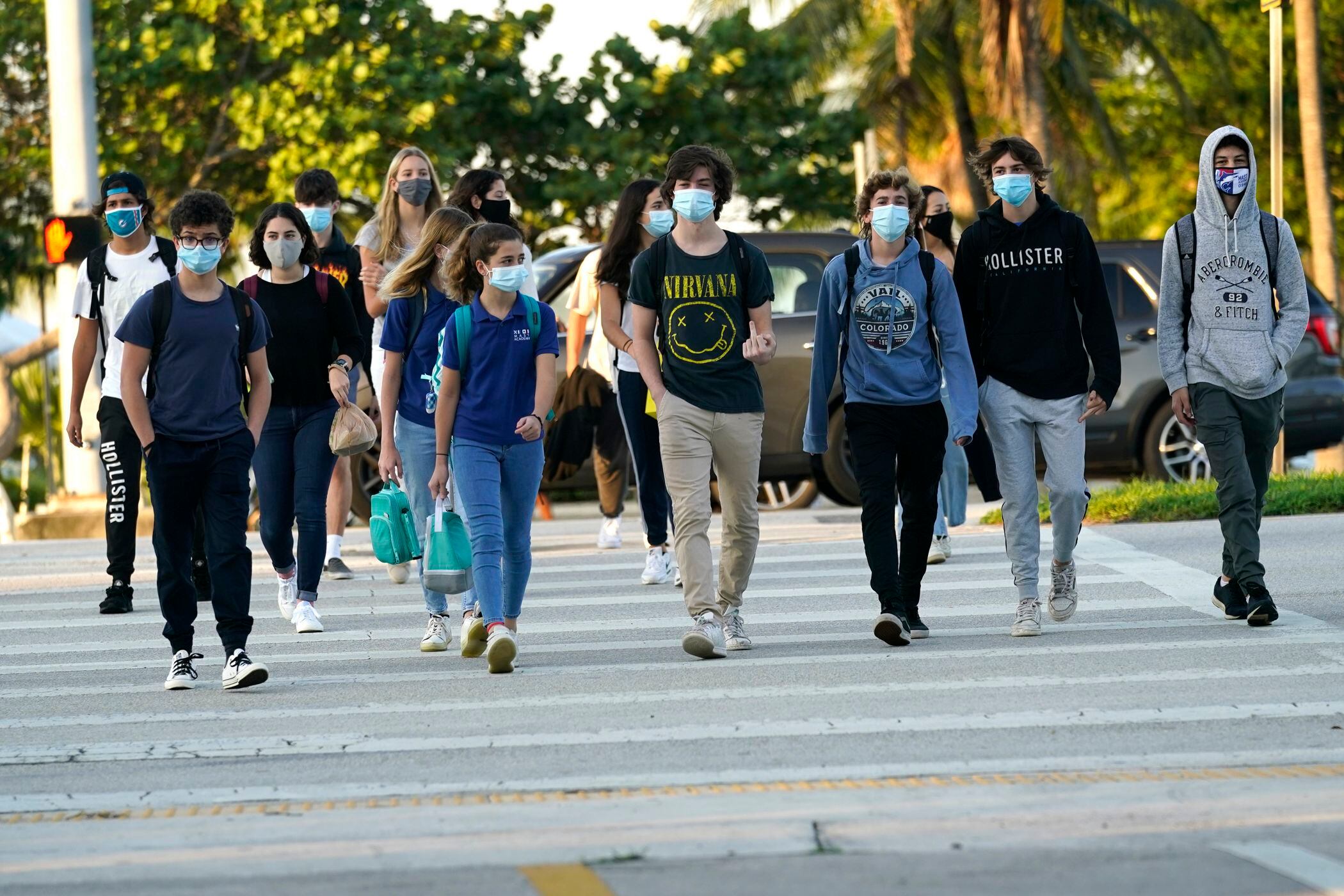
At least 2 percent of American children are being raised by their grandparents, an arrangement that already has unique challenges for such families, but the COVID-19 pandemic is adding even more obstacles to contend with.
From Wall Street to Silicon Valley, these are the top stories that moved markets and had investors, business leaders, and entrepreneurs talking this week on Cheddar.