The “Bomb Cyclone” whipped the East Coast Thursday, with winds of up to 60 mph and snow falling at the rate of two inches per hour.
One meteorologist told Cheddar the arctic blast dubbed “Grayson” is even more powerful than 1993’s “Storm of the Century.”
“Fortunately is located just off-shore, so we are not seeing the very worst of it,” said Bob Henson, blogger at Weather Underground. “It’s also moving so quickly that the snowfall amounts, the totals, are not going to be as high as they were in that 1993 storm. However, the winds are going to be hellacious.”
The 1993 storm caused the equivalent of $9.3 billion in damages from the Deep South through the East Coast.
But this year’s blizzard, despite its ominous-sounding descriptor, may be less scary than it sounds. The National Oceanic and Atmospheric Administration notes the term “Bomb Cyclone” comes from the term “bombogenesis,” which describes pressures that drop to at least 24 millibars over 24 hours.
Still, Henson points out, Grayson has already claimed some victims.
“We just had a couple of fatalities in North Carolina of people out on the roads and their trucks slid of the roads,” he said. He added that the cold temperatures can also be deadly.
In order to stay safe, Henson suggests staying in a warm place, avoiding travel, and keeping off the road as the most important steps.
For full interview [click here](https://cheddar.com/videos/climate-changes-role-in-winter-storm-grayson).
Here are the headlines you Need2Know for Tuesday, November 25, 2020:
Deep in the Mars-like landscape of Utah’s red-rock desert lies a mystery: A gleaming metal monolith in one of the most remote parts of the state.
Despite the expected arrival of COVID-19 vaccines in just a few weeks, it could take several months — probably well into 2021 — before things get back to something close to normal in the United States.
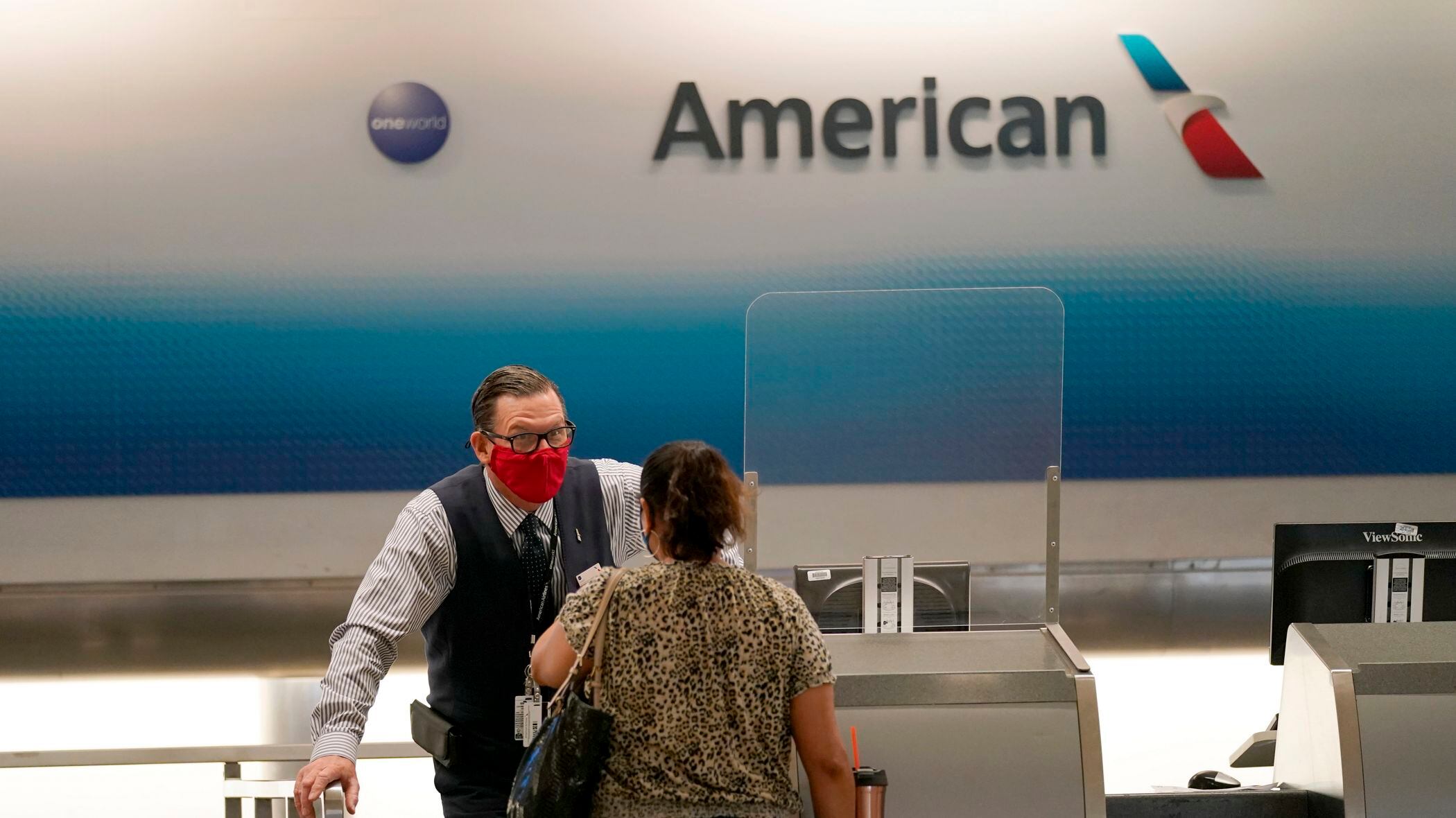
American Airlines is expanding its COVID-19 pilot pre-flight testing program to London in an effort to get more international flyers in the sky.
AstraZeneca reported that its vaccine is 90% effective and cheaper to distribute than vaccines from its competitors. Meanwhile, the U.S. is averaging 1,500 deaths per day according to Johns Hopkins.
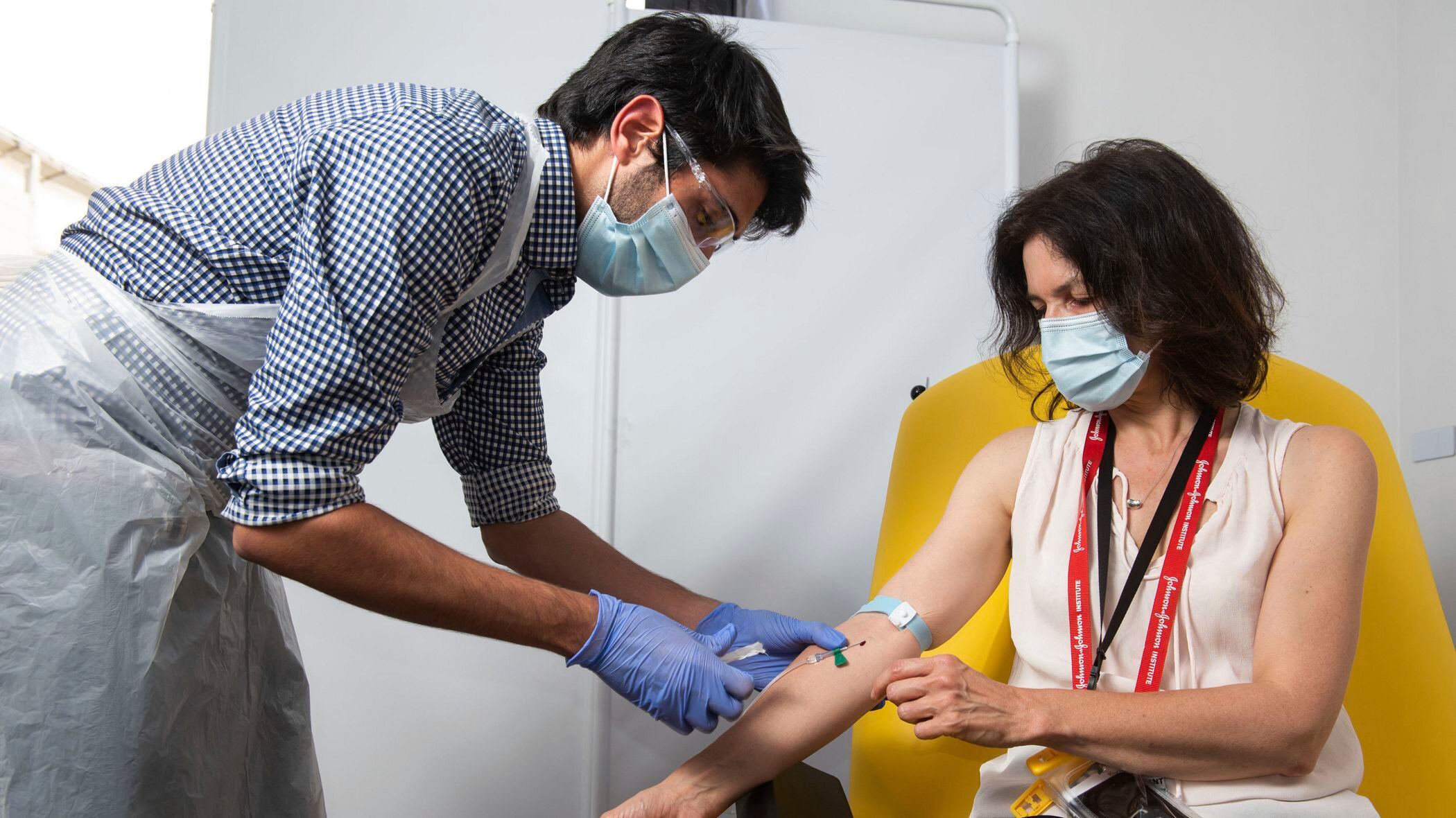
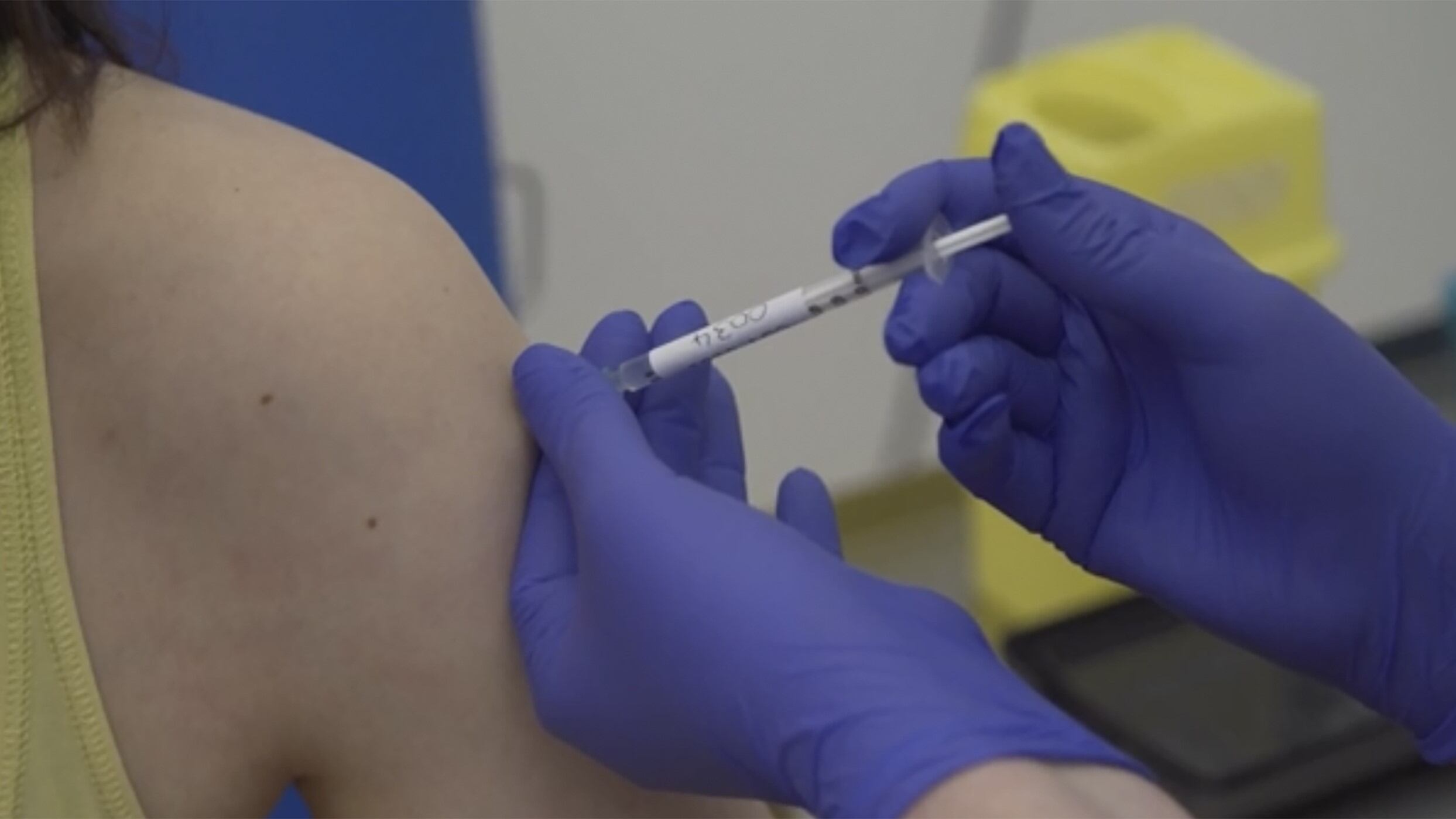
Pharmaceutical company AstraZeneca said Monday that late-stage trials showed its coronavirus vaccine was up to 90% effective, giving public health officials hope they may soon have access to a vaccine that is cheaper and easier to distribute than some of its rivals.
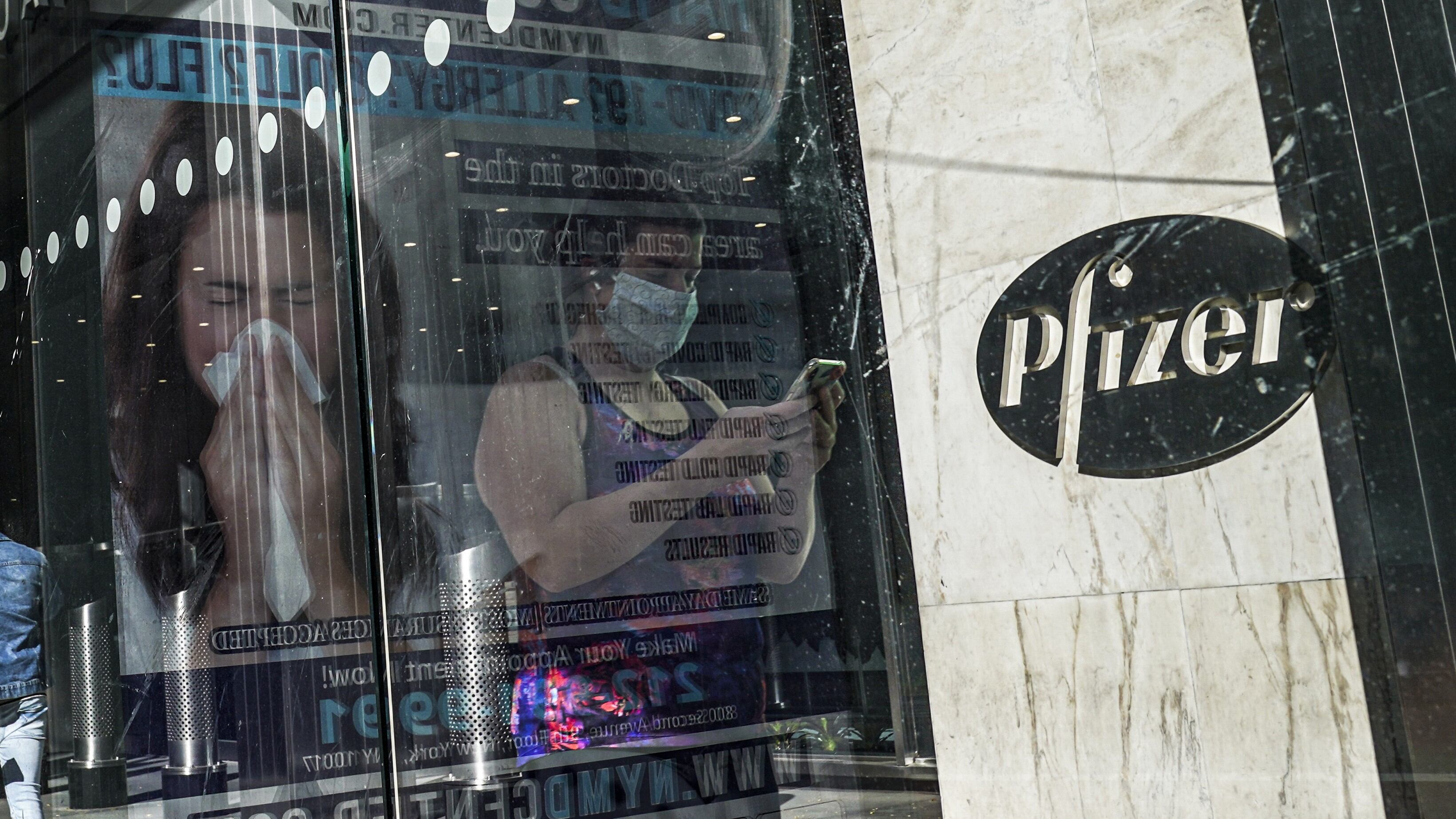
Pfizer said Friday it is asking U.S. regulators to allow emergency use of its COVID-19 vaccine, starting the clock on a process that could bring limited first shots as early as next month and eventually an end to the pandemic -- but not until after a long, hard winter.
A satellite jointly developed by Europe and the United States being launched this weekend will greatly help scientists keep track of the rise in global sea levels, one of the most daunting effects of climate change, a senior official at the European Space Agency said Friday.
The use of mRNA technology in COVID-19 vaccines is groundbreaking for a number of reasons. However, there is a drawback to the vaccines: they have to be stored in brutally cold temperatures.
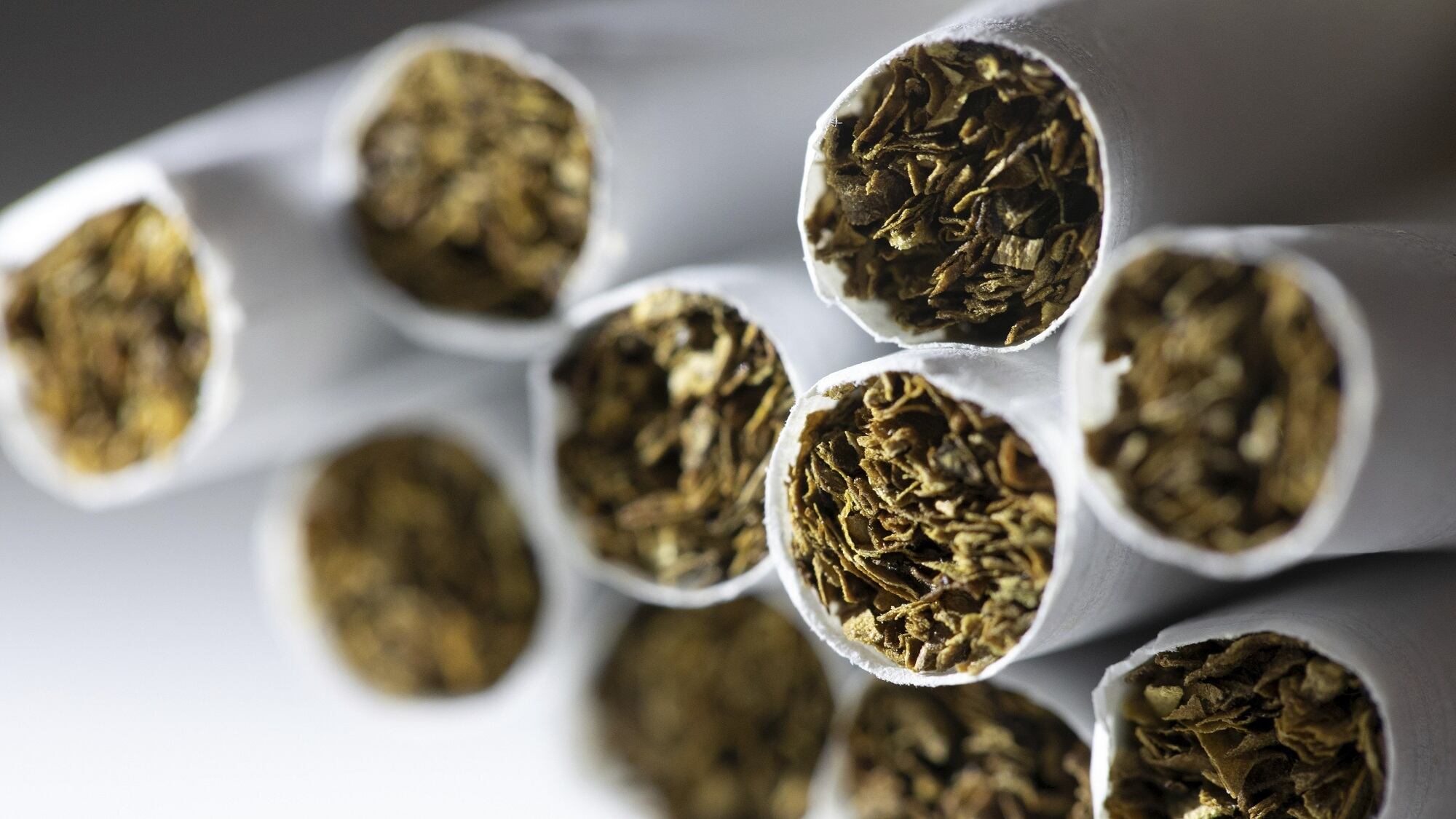
The U.S. decline in cigarette smoking could be stalling while the adult vaping rate appears to be rising, according to a government report released Thursday.