The “Bomb Cyclone” whipped the East Coast Thursday, with winds of up to 60 mph and snow falling at the rate of two inches per hour.
One meteorologist told Cheddar the arctic blast dubbed “Grayson” is even more powerful than 1993’s “Storm of the Century.”
“Fortunately is located just off-shore, so we are not seeing the very worst of it,” said Bob Henson, blogger at Weather Underground. “It’s also moving so quickly that the snowfall amounts, the totals, are not going to be as high as they were in that 1993 storm. However, the winds are going to be hellacious.”
The 1993 storm caused the equivalent of $9.3 billion in damages from the Deep South through the East Coast.
But this year’s blizzard, despite its ominous-sounding descriptor, may be less scary than it sounds. The National Oceanic and Atmospheric Administration notes the term “Bomb Cyclone” comes from the term “bombogenesis,” which describes pressures that drop to at least 24 millibars over 24 hours.
Still, Henson points out, Grayson has already claimed some victims.
“We just had a couple of fatalities in North Carolina of people out on the roads and their trucks slid of the roads,” he said. He added that the cold temperatures can also be deadly.
In order to stay safe, Henson suggests staying in a warm place, avoiding travel, and keeping off the road as the most important steps.
For full interview [click here](https://cheddar.com/videos/climate-changes-role-in-winter-storm-grayson).
Australia’s Great Barrier Reef is spawning in an explosion of color as the World Heritage-listed natural wonder recovers from life-threatening coral bleaching episodes.
Climate change that may have contributed to a lobster boom in Maine could soon lead to a bust. Chloe Aiello reports.
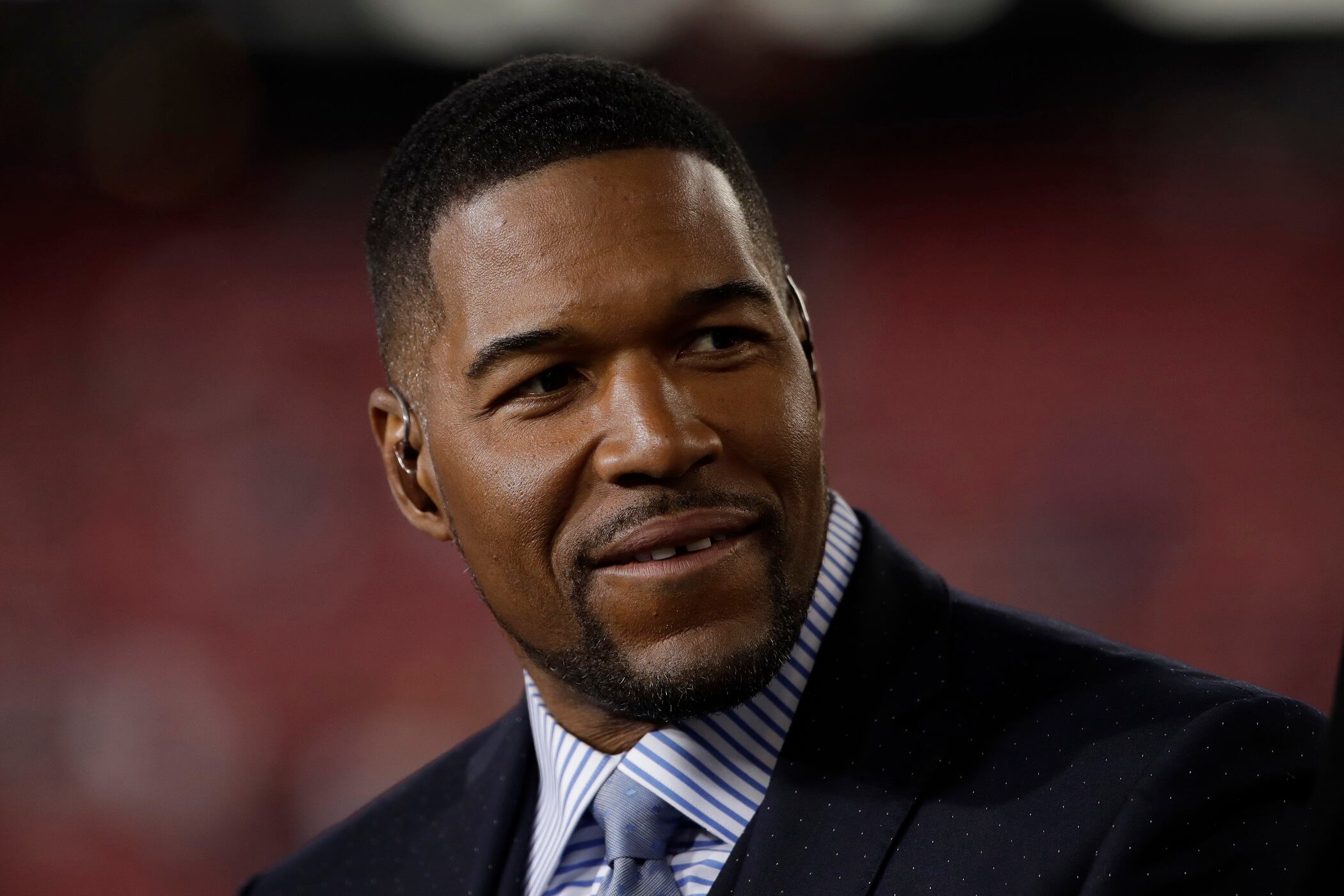
Good Morning America co-host Michael Strahan will be among the crew on Blue Origin’s next flight to space.
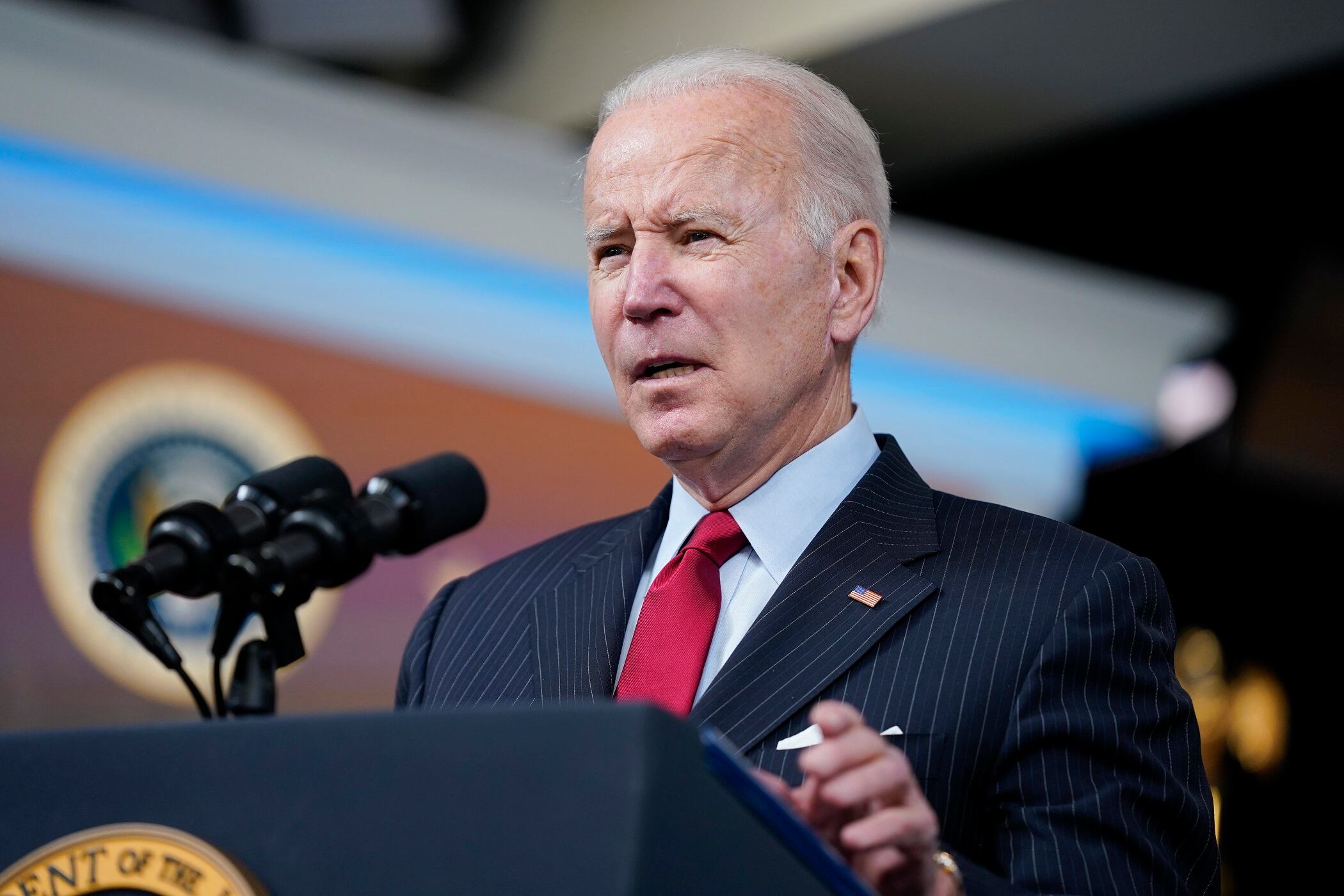
President Joe Biden is ordering a record-setting 50 million barrels of oil released from America's strategic reserve to help bring down energy costs.
All the news you Need2Know for Tuesday, November 23, 2021.
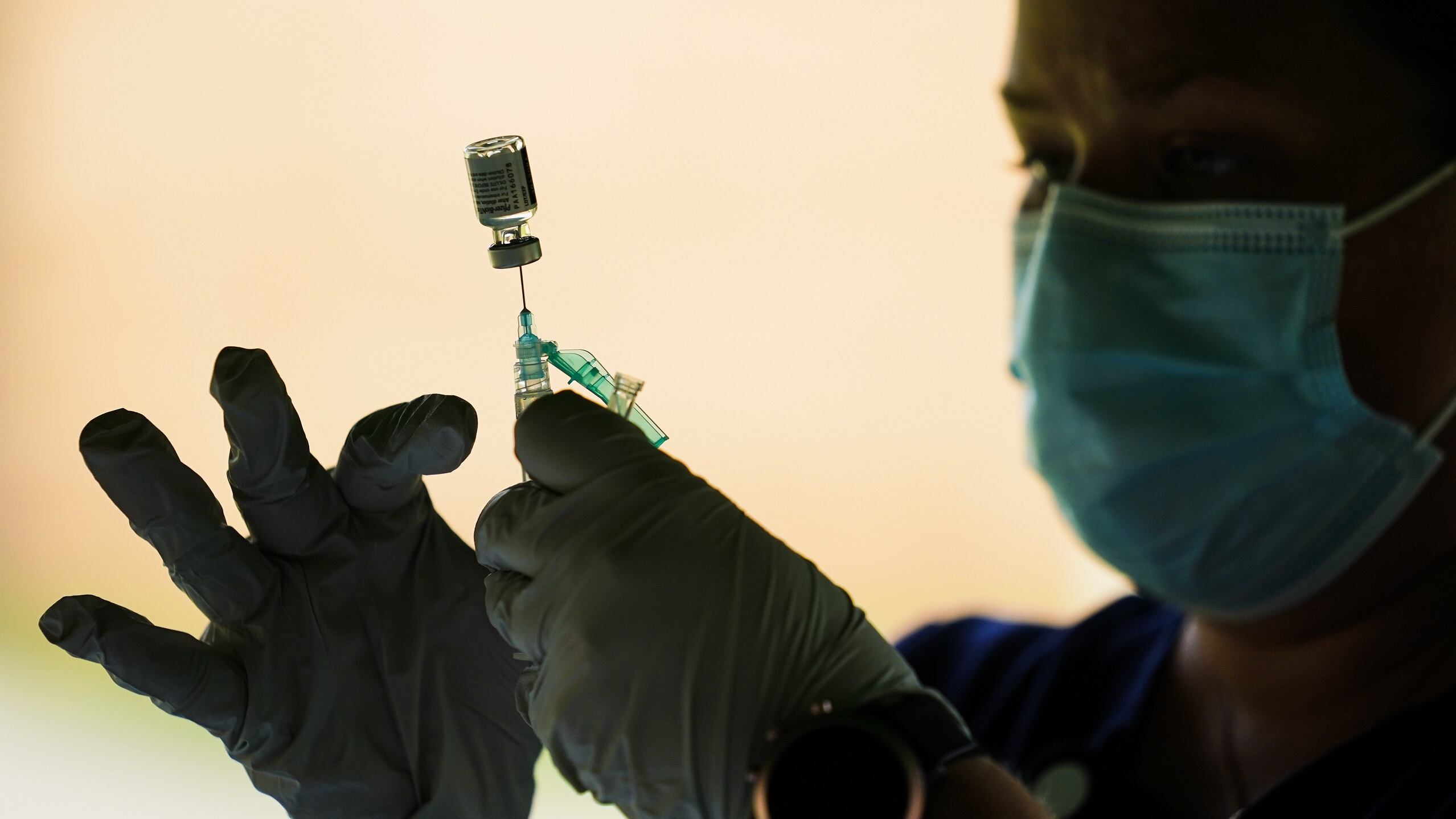
The U.S. is moving to open up COVID-19 booster shots to all adults, letting them choose another dose of either the Pfizer or Moderna vaccine.
U.S. health officials say an estimated 100,000 Americans died of drug overdoses in one year. That's a total the nation has never seen.
Russian officials on Tuesday rejected accusations that they endangered astronauts aboard the International Space Station by conducting a weapons test that created more than 1,500 pieces of space junk.
Austria has taken what its leader called the “dramatic” step of implementing a nationwide lockdown for unvaccinated people who haven’t recently had COVID-19.
Pfizer Inc. said Friday that its experimental antiviral pill for COVID-19 cut rates of hospitalization and death by nearly 90% in high-risk adults, as the drugmaker joins the race to bring the first easy-to-use medication against the coronavirus to the U.S. market.