The “Bomb Cyclone” whipped the East Coast Thursday, with winds of up to 60 mph and snow falling at the rate of two inches per hour.
One meteorologist told Cheddar the arctic blast dubbed “Grayson” is even more powerful than 1993’s “Storm of the Century.”
“Fortunately is located just off-shore, so we are not seeing the very worst of it,” said Bob Henson, blogger at Weather Underground. “It’s also moving so quickly that the snowfall amounts, the totals, are not going to be as high as they were in that 1993 storm. However, the winds are going to be hellacious.”
The 1993 storm caused the equivalent of $9.3 billion in damages from the Deep South through the East Coast.
But this year’s blizzard, despite its ominous-sounding descriptor, may be less scary than it sounds. The National Oceanic and Atmospheric Administration notes the term “Bomb Cyclone” comes from the term “bombogenesis,” which describes pressures that drop to at least 24 millibars over 24 hours.
Still, Henson points out, Grayson has already claimed some victims.
“We just had a couple of fatalities in North Carolina of people out on the roads and their trucks slid of the roads,” he said. He added that the cold temperatures can also be deadly.
In order to stay safe, Henson suggests staying in a warm place, avoiding travel, and keeping off the road as the most important steps.
For full interview [click here](https://cheddar.com/videos/climate-changes-role-in-winter-storm-grayson).
Ryan Shearman, chief alchemist and co-founder at Aether, and Henry Elkus, founder of Helena, join Cheddar News to talk about the completion of an $18 million Series A funding round led by Helena.
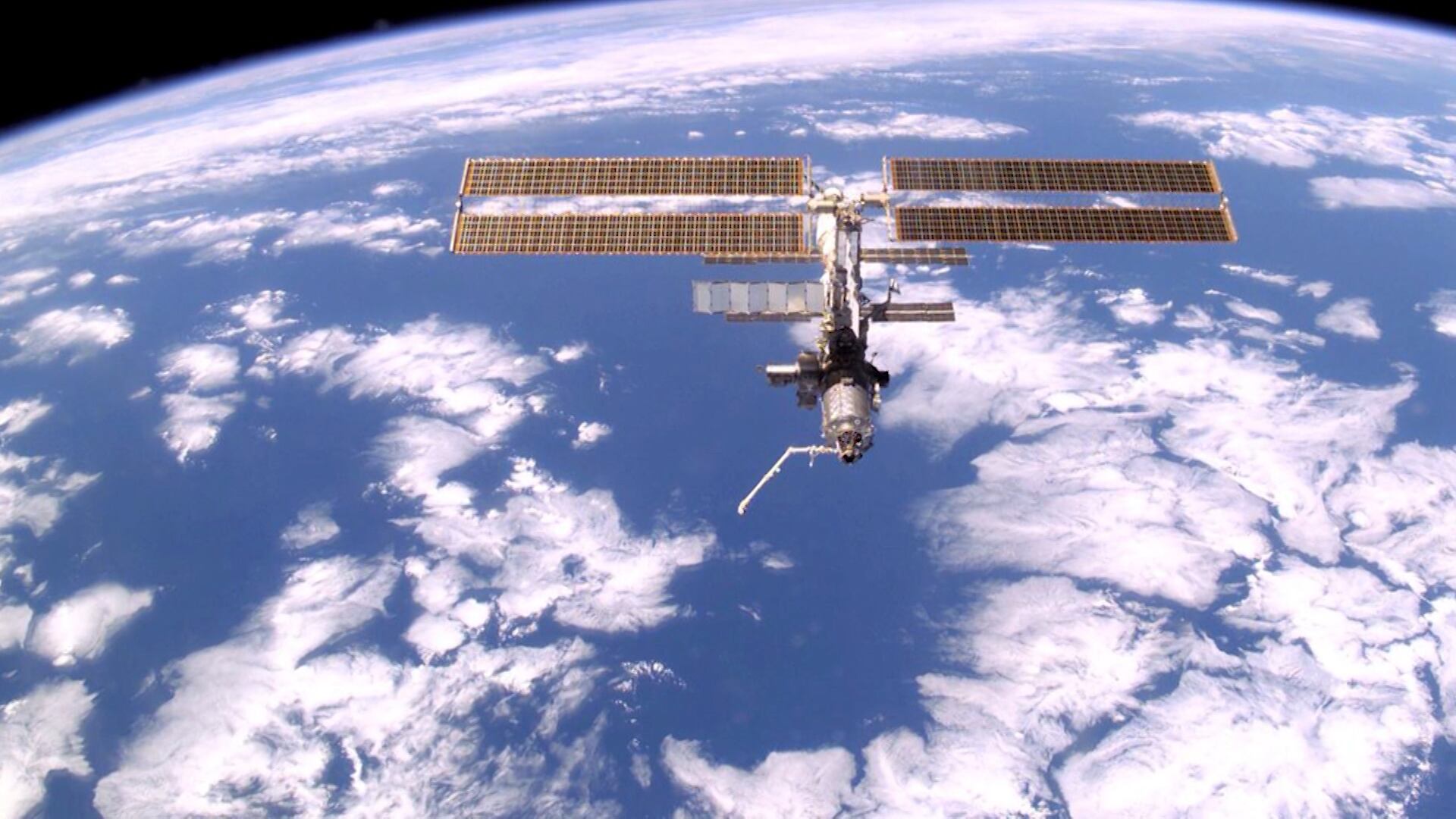
As the Russia-Ukraine conflict continues to grow, so do concerns over the impact it could have on the international space community, and more specifically, the International Space Station. Those concerns come after Dmitry Rogozin, the director of Russia's state space agency, posted several tweets over the last few weeks in which he threatened to 'destroy Russia's cooperation on the ISS.' Olympia LePoint, rocket scientist and author of 'Answers Unleashed II: The Science of Attracting What You Want,' joined Cheddar News' Closing Bell to discuss.
A new study shows that Americans feel record levels of stress amid inflation and global uncertainty about the war in Ukraine. Cheddar News speaks with Lynn Bufka of the American Psychological Association about how to best put your worries aside.
Colgate-Palmolive is shedding light on the little-known fact that oral health is integral to overall health. The consumer products company will commit $100 million over five years to transform the way the world thinks about and addresses oral health. Maria Ryan, Chief Clinical Officer at Colgate-Palmolive, discusses why oral health is so vital to our physical and mental well-being.
Scientists say they have found the sunken wreck of polar explorer Ernest Shackleton’s ship Endurance, more than a century after it was lost to the Antarctic ice.
Researchers say a large spider native to East Asia that proliferated in Georgia last year could spread to much of the East Coast. The Joro spider’s golden web took over yards all over north Georgia in 2021, unnerving some residents.
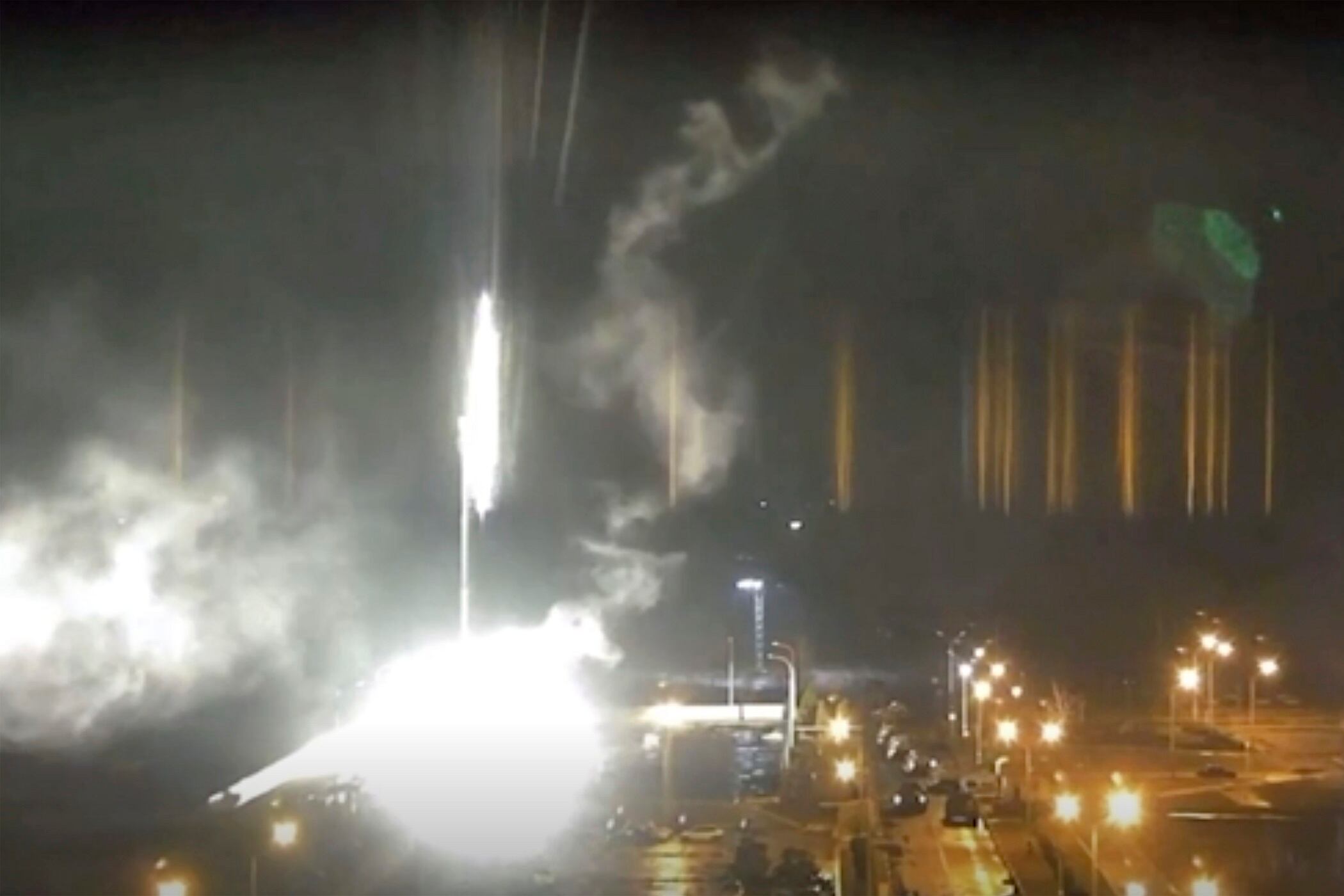
News of Russian forces taking control of a Ukrainian after artillery bombardment of a nuclear power plant raised concerns this week. Nuclear policy expert and Quincy Institute Distinguished Fellow Joe Cirincione joined Cheddar News to discuss the implications for a potential disaster. “I’m with the director general of the IAEA, the International Atomic Energy Agency. He says that he is extremely concerned, and that this Russian attack is a severe risk and that Russia clearly violated the fundamental principle of preserving the integrity of nuclear power plants," Cirincione said.
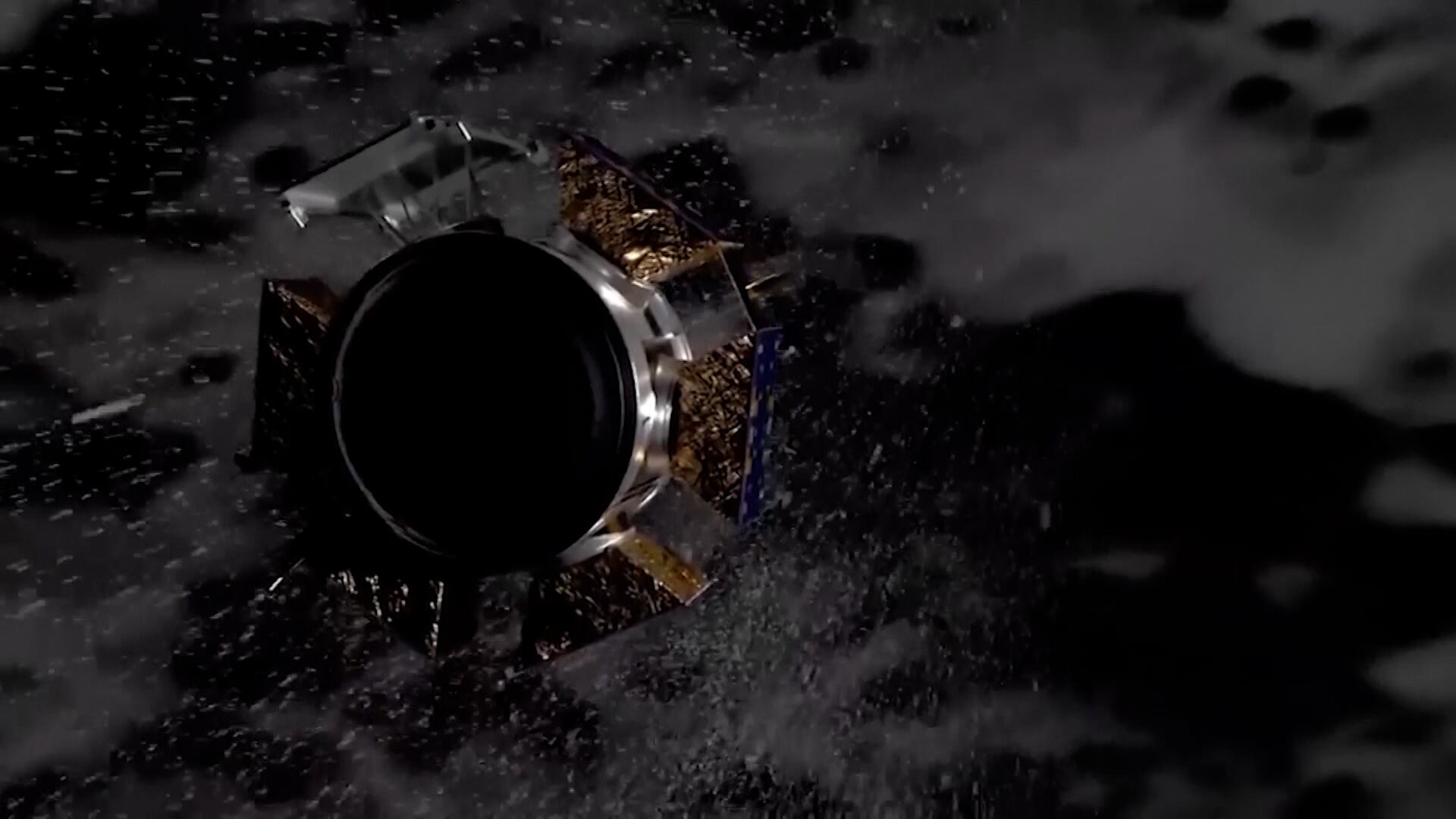
Adam Battle, research assistant at University of Arizona's Lunar and Planetary Laboratory, joins Cheddar News to discuss space junk heading to the moon and if more should be done to prevent space junk in the future.
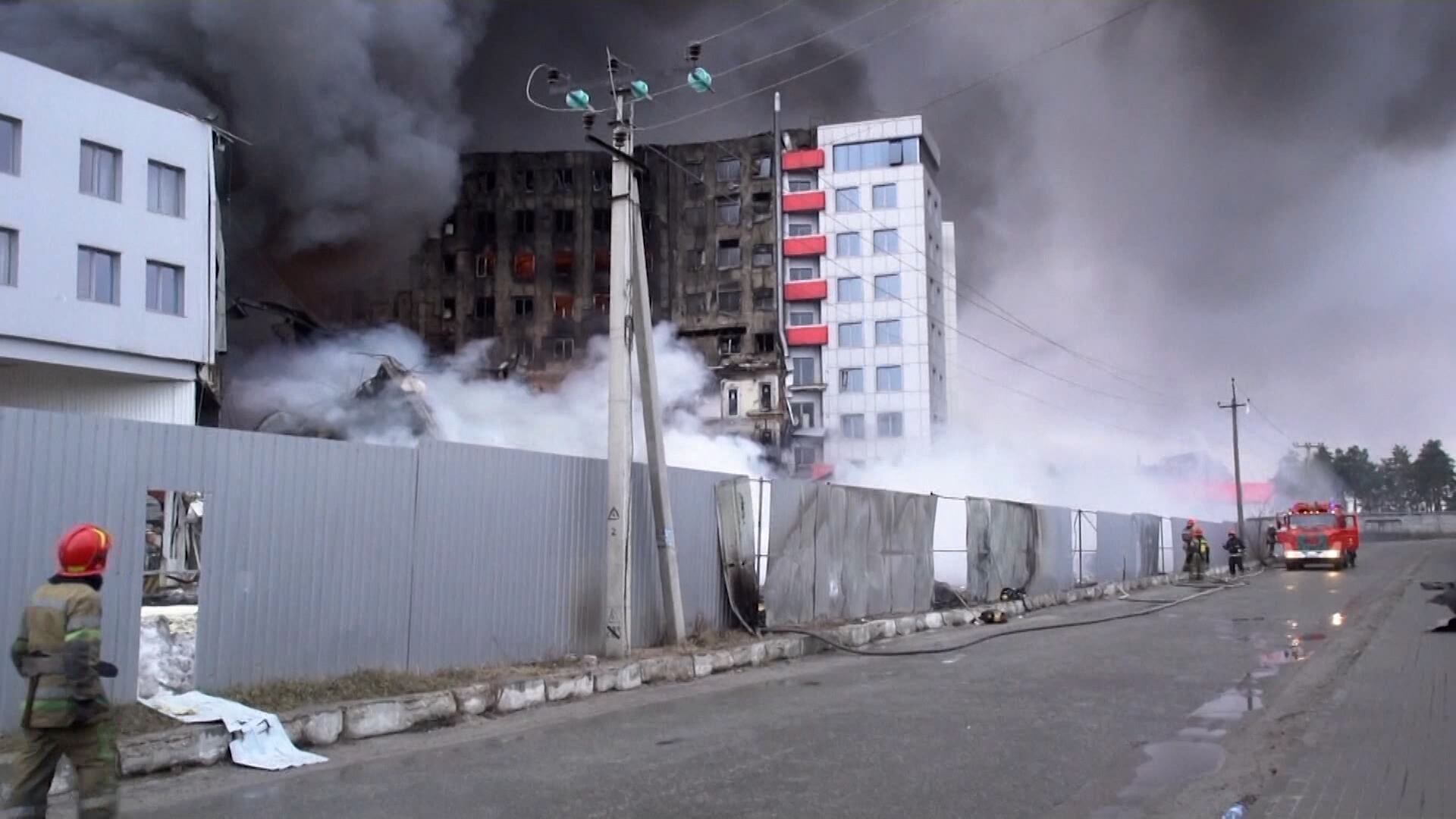
UN and Ukrainian officials say no radiation was released from a Russian attack at Europe’s biggest nuclear power plant in Ukraine and firefighters have extinguished a blaze at the facility..