The “Bomb Cyclone” whipped the East Coast Thursday, with winds of up to 60 mph and snow falling at the rate of two inches per hour.
One meteorologist told Cheddar the arctic blast dubbed “Grayson” is even more powerful than 1993’s “Storm of the Century.”
“Fortunately is located just off-shore, so we are not seeing the very worst of it,” said Bob Henson, blogger at Weather Underground. “It’s also moving so quickly that the snowfall amounts, the totals, are not going to be as high as they were in that 1993 storm. However, the winds are going to be hellacious.”
The 1993 storm caused the equivalent of $9.3 billion in damages from the Deep South through the East Coast.
But this year’s blizzard, despite its ominous-sounding descriptor, may be less scary than it sounds. The National Oceanic and Atmospheric Administration notes the term “Bomb Cyclone” comes from the term “bombogenesis,” which describes pressures that drop to at least 24 millibars over 24 hours.
Still, Henson points out, Grayson has already claimed some victims.
“We just had a couple of fatalities in North Carolina of people out on the roads and their trucks slid of the roads,” he said. He added that the cold temperatures can also be deadly.
In order to stay safe, Henson suggests staying in a warm place, avoiding travel, and keeping off the road as the most important steps.
For full interview [click here](https://cheddar.com/videos/climate-changes-role-in-winter-storm-grayson).
Jonah Goldman, the managing director at Bill Gates-founded Breakthrough Energy, joined Cheddar News to talk about the promising growth in the climate change-conscious investments the organization has made over the years. ”I mean when we're looking at some of the hard to abate technologies and cement and steel and aviation fuel, all of those have promising pathways that weren't there again just a few years ago," he said. "We invest across all of the technology areas that are driving emissions, greenhouse gas emissions and there really are exciting products and technologies coming out in almost every one of those sectors.”
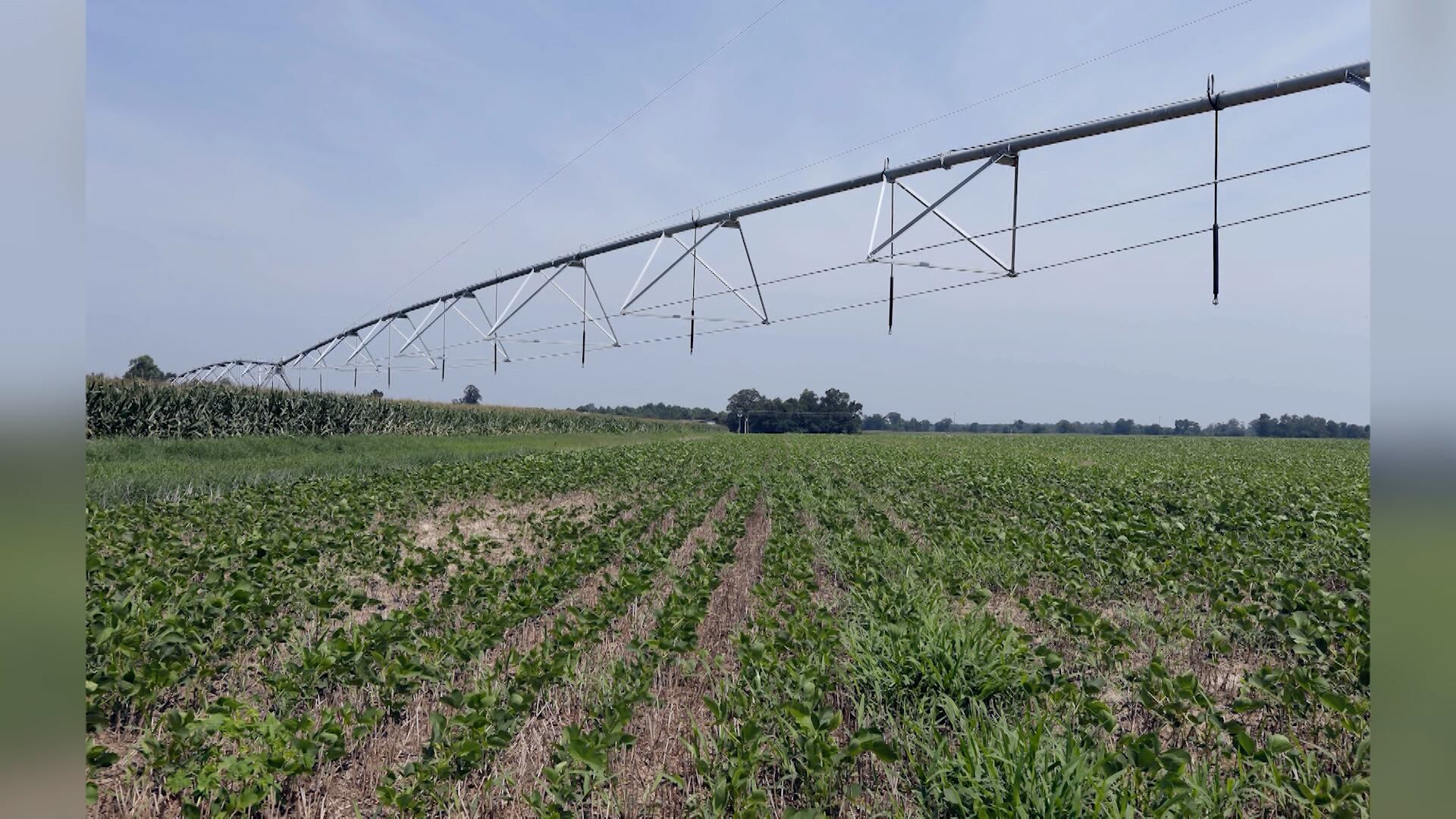
Robert Bonnie, farm production and conservation undersecretary for the USDA, spoke to Cheddar about climate-smart strategies to help farmers reduce carbon emissions from agriculture. "We share the costs of installing those practices on their lands in ways that will protect the climate and maintain agricultural productivity, and we're also partnering with farmers to draw in private investment in greenhouse gas emissions reductions provided by agriculture and forestry," he said. The hope is to get farmers and ranchers to produce climate-smart commodities to lessen the impact of climate change.
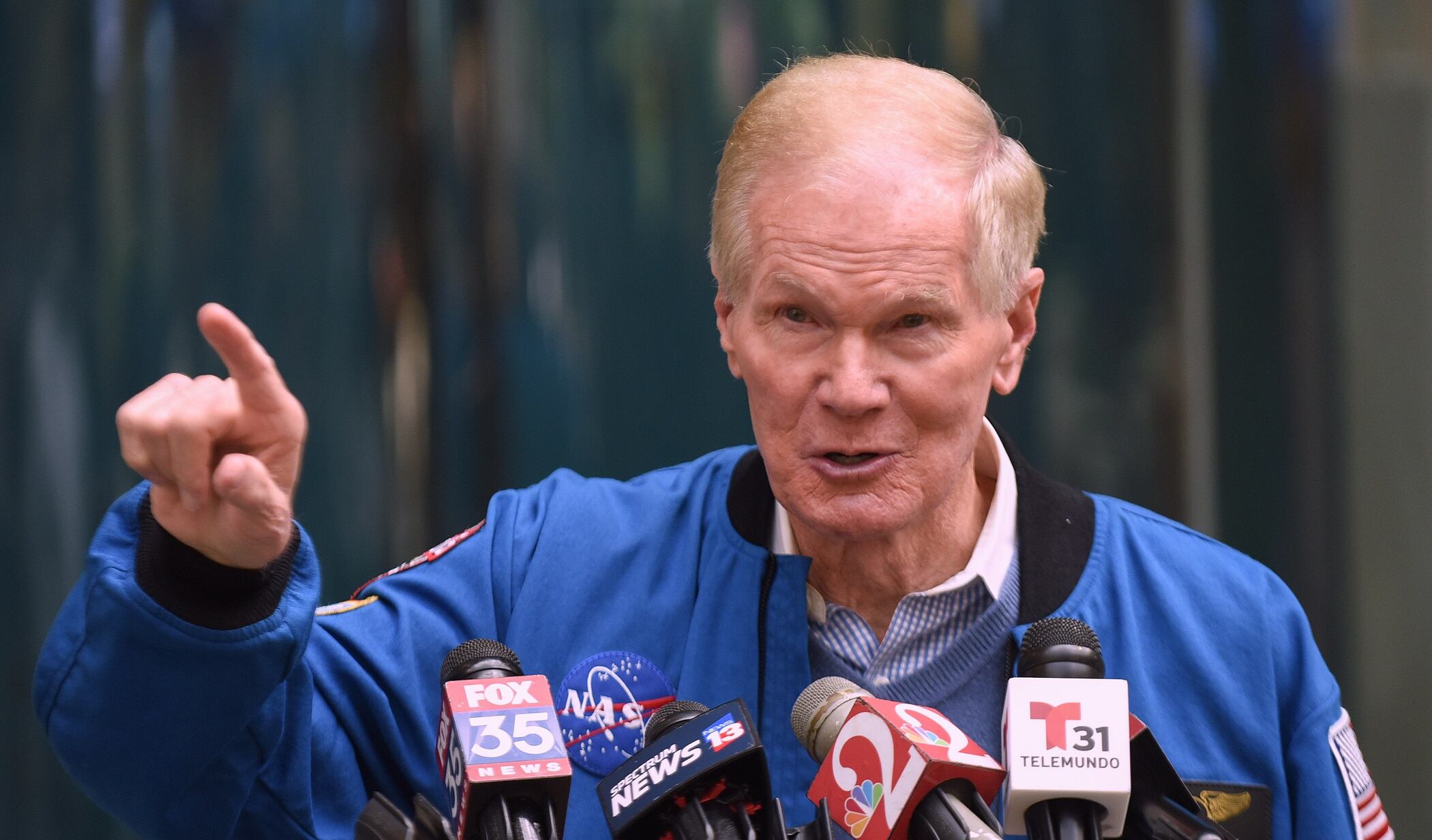
Cheddar's J.D. Durkin caught up with the head of NASA Bill Nelson, a former senator, who feels one thing that seems less rancorous on Capitol Hill these days is the work of the space agency.
Catching you up on what you need to know on April 22, 2022, with updates on a new Ukraine aid package, a new missile test by Russia, DOJ announcement of $150 Million in COVID-related fraud, the Florida senate supports Gov. DeSantis in stripping Disney of its special tax district, and more.
Scientists say a U.K. patient with a severely weakened immune system had COVID-19 for almost a year and a half. The case underscores the importance of protecting vulnerable people from the coronavirus.
Cheddar's Lawrence Banton speaks with entrepreneurs leading the way on textile and clothing recycling in an effort to help stem waste in fashion amid the climate crisis.
The FDA just approved a first-of-its-kind treatment for individuals with blood cancer that has proven results of 5-year survival rates. Christi Shaw, CEO of Kite, a Gilead company, joins Cheddar Innovates to discuss how this treatment works and compares to others currently on the market.
Dr. Neta Lavon, CTO and VP of R&D at Aleph Farms, joins Cheddar Innovates to discuss how the team sent cow cells to space to further research the production of meat in space, and why developing cultivated meat is so critical to the future of space travel.
Catching you up on what you need to know on April 21, 2022, with President Biden set to announce more security assistance funding to Ukraine, polls showing a majority of Americans in favor of transit mask mandates, rapper A$AP Rocky's arrest, and more.