Tips for Throwing a 'Zero Waste' Wedding from RealSimple.com
*By Kate Gill*
Some millennials are vowing to protect the environment along with their relationships when they walk down the aisle ー with "zero waste" weddings.
Given the potential for waste ー discarded florals, trimmings, and food ー an eco-friendly wedding is a lofty goal, but it can be done, according to Rachel Sylvester, a lifestyle editor at RealSimple.com.
What constitutes "zero waste"? The goal, Sylvester said, is to orchestrate an event that doesn't produce any trash in a landfill. In other words, a wedding made from recyclable materials.
Sylvester shared her tips with Cheddar to execute a zero waste wedding:
**Communicate with Vendors:**
Be transparent with your vendors about your environmental needs.
"I think you just need to be very open with your vendors about zero waste," Sylvester said.
**Focus on Florals:**
Keep your floral arrangements simple.
"There's always a focus on florals, and there's this idea that you need to have a ton of them," Sylvester said. Simplifying your floral decorations will help cut back on waste.
Most importantly, she said, ask your florist to forgo using foam blocks to structure the centerpieces.
**Keep Your Guest List Short:**
Stick to close friends and family. (Don't tell your third cousins you're getting hitched.)
"One of the biggest things to keep in mind is you're able to achieve that goal of a zero-waste wedding if you kind of cut down on your guest list. If you get your guest list down to under 100, it is definitely doable."
**E-vites:**
Go paperless to save trees ー and time.
"I encourage you to embrace the e-vite. Paperless is more and more common and lot of people are taking that approach and ultimately it's easier to track your RSVPs."
**Shop Vintage:**
Go on a treasure hunt for a vintage dress.
"Check out your local consignment shops and ask around. Maybe your grandmother is just dying to have you kind of re-purpose her gown or your mother or even a best friend who says, 'Take my veil.'"
For full interview [click here](https://cheddar.com/videos/saying-i-do-with-sustainability-on-the-mind).
Briana Marbury, Executive Director of the Interledger Foundation, joins ChedHER to discuss how she's creating pathways to financial access, and advice for pursuing a career in philanthropy.
Sharon Marcil, North America Regional Chair of Boston Consulting Group, joins ChedHER to discuss how she's paving the way for women in leadership positions, and advice for career advancement.
On this episode of ChedHER: North America Regional Chair of Boston Consulting Group breaks down how she's closing retention gaps in business, and advice for advancing in your career; Executive Director of the Interledger Foundation explains how she's working to create pathways to financial access; A look at how JPMorgan Chase is helping business owners in the Harlem community.
Ian Rogers, Chief Experience Officer, Ledger, joins Cheddar News to discuss innovation in crypto security, and why a hardware wallet is a critical tool for protecting digital assets.
Carlo and Baker cover the latest developments after a devastating tornado outbreak over the weekend, plus an eye on Omicron and inflation, and not even Spielberg can save the box office.
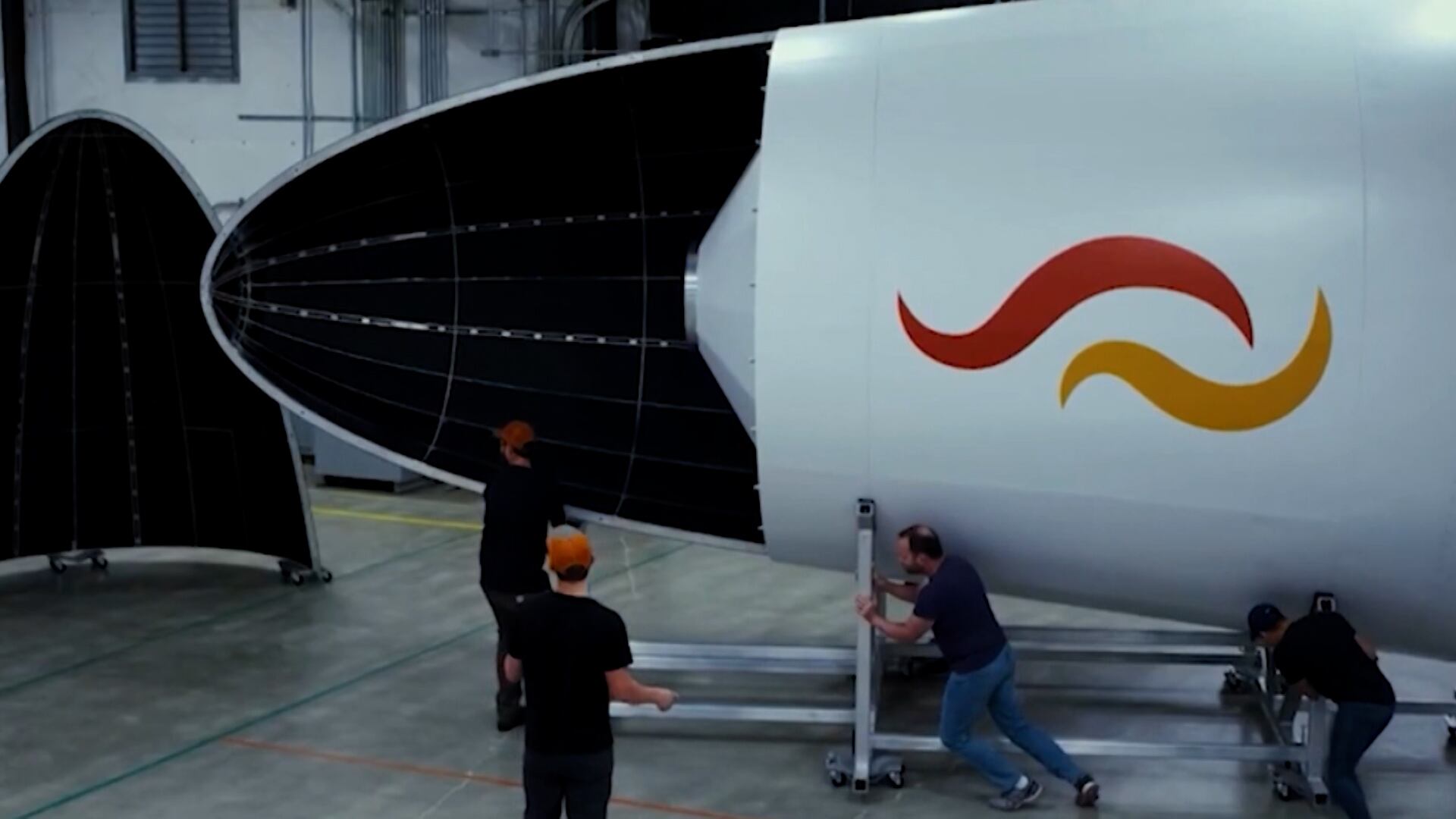
Reusable rocket developer Stoke Space Technologies raised $65 million in a Series A round led by Breakthrough Energy Ventures, a firm founded by Bill Gates. Stoke says its reusable rockets provide the satellite industry with low-cost, on-demand access to and from orbit. As companies like SpacX and Blue Origin are also making commitments to rocket reusability, Stoke says it is taking a different approach with a system designed to be 100% reusable, comprised of rockets designed to fly daily, like an airplane. Stoke co-founder and CEO Andy Lapsa joins Cheddar News' Closing Bell to discuss.
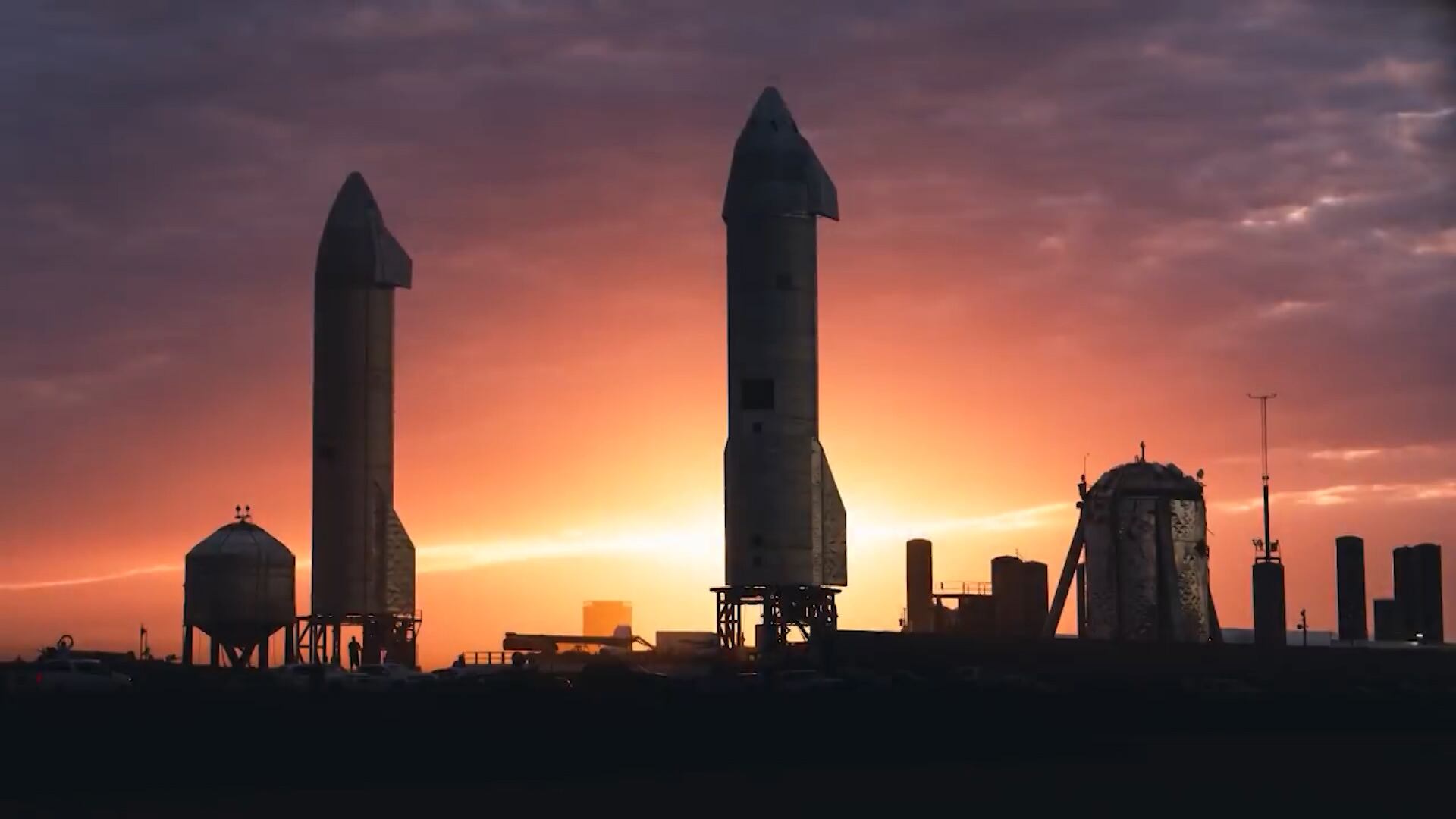
Humans are set to return to a place we have not been in nearly 50 years: the moon. NASA's Artemis program is expected to have astronauts back on the lunar surface by 2025. NASA says it will use what it learns on the moon to take the next giant leap - sending the first astronauts to Mars. The Artemis program also includes contributions from private companies like SpaceX, as well as academic research institutions like Georgia Tech. Georgia Tech professor of practice and former NASA astronaut Sandra Magnus joins Future of Space: Humankind's Leap Forward to discuss.