Tips for Throwing a 'Zero Waste' Wedding from RealSimple.com
*By Kate Gill*
Some millennials are vowing to protect the environment along with their relationships when they walk down the aisle ー with "zero waste" weddings.
Given the potential for waste ー discarded florals, trimmings, and food ー an eco-friendly wedding is a lofty goal, but it can be done, according to Rachel Sylvester, a lifestyle editor at RealSimple.com.
What constitutes "zero waste"? The goal, Sylvester said, is to orchestrate an event that doesn't produce any trash in a landfill. In other words, a wedding made from recyclable materials.
Sylvester shared her tips with Cheddar to execute a zero waste wedding:
**Communicate with Vendors:**
Be transparent with your vendors about your environmental needs.
"I think you just need to be very open with your vendors about zero waste," Sylvester said.
**Focus on Florals:**
Keep your floral arrangements simple.
"There's always a focus on florals, and there's this idea that you need to have a ton of them," Sylvester said. Simplifying your floral decorations will help cut back on waste.
Most importantly, she said, ask your florist to forgo using foam blocks to structure the centerpieces.
**Keep Your Guest List Short:**
Stick to close friends and family. (Don't tell your third cousins you're getting hitched.)
"One of the biggest things to keep in mind is you're able to achieve that goal of a zero-waste wedding if you kind of cut down on your guest list. If you get your guest list down to under 100, it is definitely doable."
**E-vites:**
Go paperless to save trees ー and time.
"I encourage you to embrace the e-vite. Paperless is more and more common and lot of people are taking that approach and ultimately it's easier to track your RSVPs."
**Shop Vintage:**
Go on a treasure hunt for a vintage dress.
"Check out your local consignment shops and ask around. Maybe your grandmother is just dying to have you kind of re-purpose her gown or your mother or even a best friend who says, 'Take my veil.'"
For full interview [click here](https://cheddar.com/videos/saying-i-do-with-sustainability-on-the-mind).
On this episode of ChedHER: Podcast Host of 'That's Total Mom Sense' breaks down the biggest challenges mothers are facing today; CEO of Joro explains how her app can help users track, reduce, and automatically offset the carbon footprint of their purchases; Three ways to improve your financial wellbeing and set goals for yourself and your future.
Kanika Chadda-Gupta, TV Journalist and Podcast Host of 'That's Total Mom Sense,' joins ChedHER to discuss the challenges mothers are facing today and gives advice for changing up your career path.
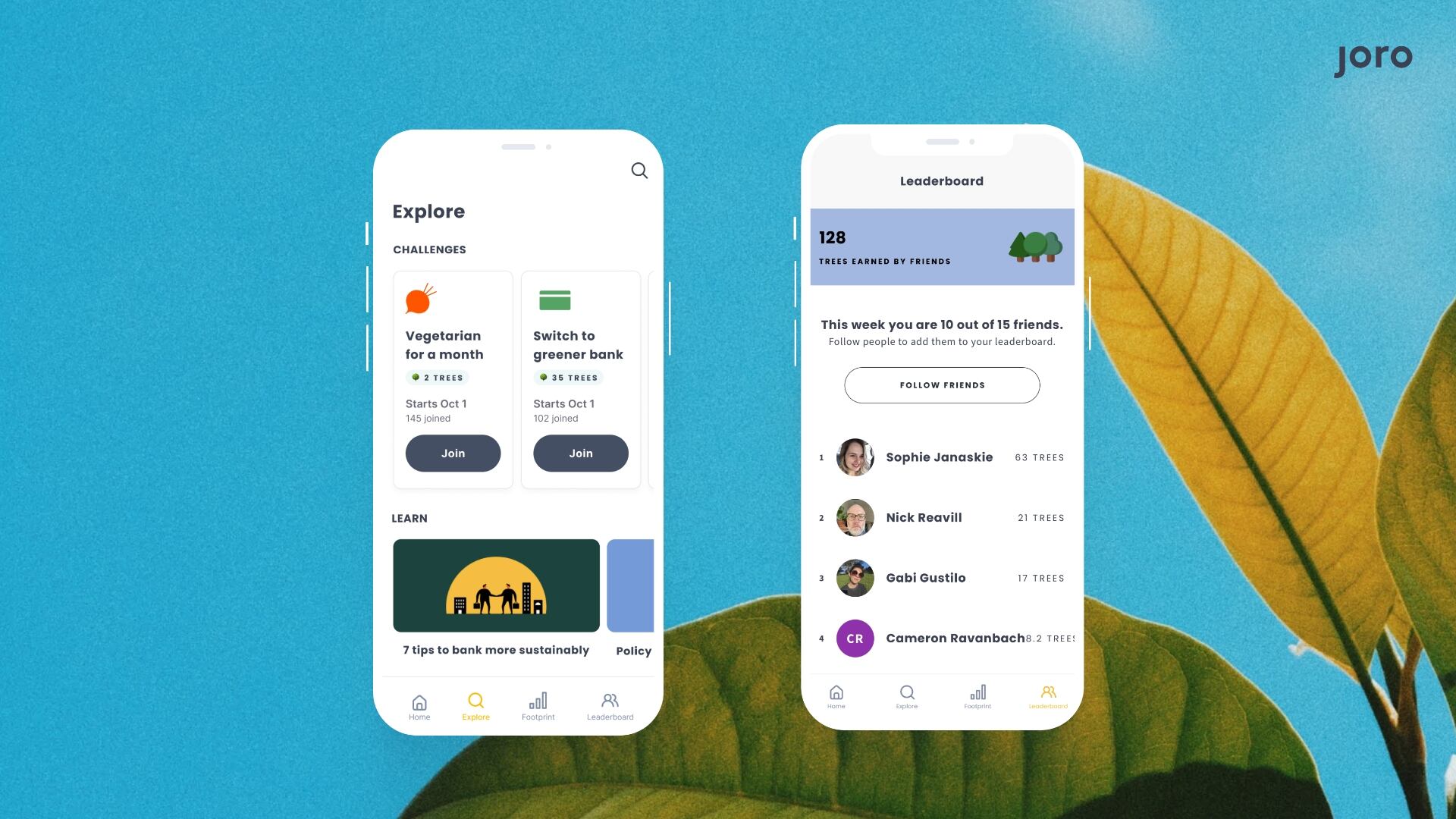
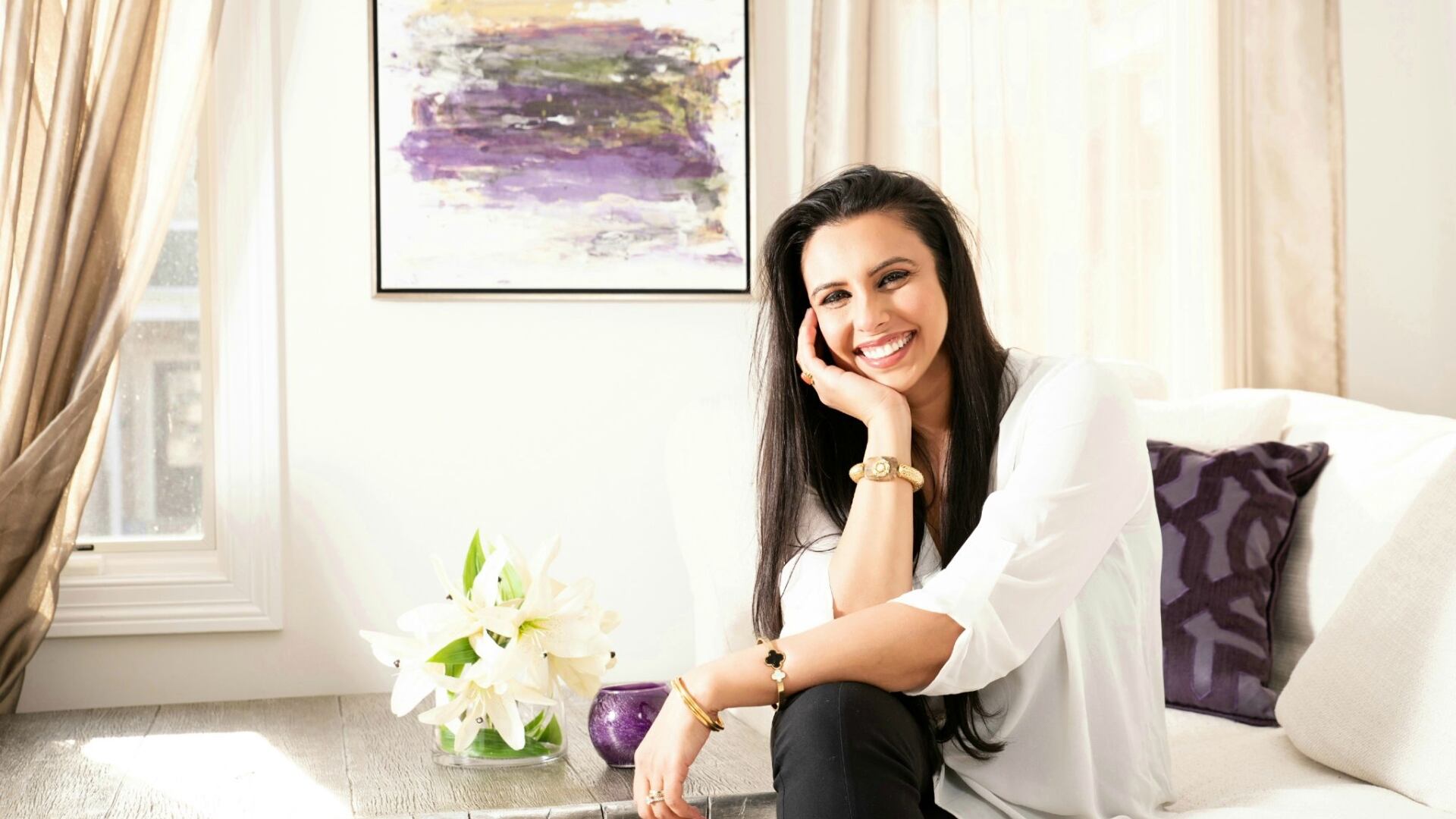
Sanchali Pal, Founder and CEO of Joro, joins ChedHER to discuss how her app can help users track, reduce, and automatically offset the carbon footprint of their purchases, and gives advice for other women seeking careers in climate.
According to a recent analysis in the NYTimes, young Americans have begun to take on the habit of smoking cigarettes despite the decades of evidence showing just how dangerous they are. Contributor at New York Times John Ortved, joined Cheddar to discuss more.
Terrell Jermaine Starr, senior fellow with the Atlantic Council and host of the Black Diplomats podcast joins Cheddar News to discuss Russia's attempt to invade Ukraine.
Aditi Mayer, a climate justice activist joins Cheddar News to discuss her partnership with DoSomething.org and how a new PSA is working to shine a light on environmental racism.
Connected cars software development platform Smartcar announced this week it has raised $24 million in a Series B round led by Energize Ventures. Smartcar's software can be integrated into mobile and web apps from mobility businesses. It allows users to do things like locate and unlock a vehicle, as well as check its mileage, fuel level, and battery if the vehicle is electric. Smartcar's technology is compatible with 22 different vehicle brands in 31 different countries. Smartcar co-founder and CEO Sahas Katta joined Cheddar News' Closing Bell to discuss.
The drama surrounding tennis star Novak Djokovic continues after he was deported from Australia over the weekend due to the nation's COVID-19 vaccine requirements. Djokovic was forced to leave the country on the eve of what was to be his first match in defense of his Australian Open title after three judges ruled in favor of his removal and revealed their reasoning for doing so. Adding to his woes, a law recently passed in France is putting his chances of defending his French Open title in jeopardy. The director of Marist's Center for Sports Communication, Jane McManus, joined Cheddar to discuss the ongoing fallout.