Tinder users this month will have a new, far more interactive way of finding potential love interests than simply swiping left or right.
The app rolled out an apocalyptic-themed adventure game, called Swipe Night, which allows users to dictate what happens next in the story. The user's decisions will then match them with other like-minded players.
"It's entertaining but the core of it is that it is a way to tell something about yourself … And that becomes an icebreaker," said Elie Seidman, Tinder's CEO. The game is live on the app every Sunday evening in October. "You're in it. It's immersive. It's not a story, it's your story."
Founded in 2012 in Los Angeles, Tinder is one of the earliest location-based, smartphone dating apps and popularized the swiping feature, which is now widely used by other platforms such as Bumble. The app has now logged over 30 billion matches worldwide and reports two billion app views per day.
Swipe Night is Tinder's first responsive, streaming video feature and was built to specifically target Generation Z users, which make up over 50 percent of all users.
"We know Gen Z speaks in content, so we intentionally built an experience that is native to how they interact," Ravi Mehta, Tinder's chief product officer, said in a statement. "Our hope is that it will encourage new, organic conversations based on a shared content experience."
Over 25 million people in the U.S. currently use smartphone dating apps, according to eMarketer. The number of users is expected to grow by 5.3 percent this year, which is a slowdown compared to years prior. Yet the sector did gain a major new addition last month with the highly anticipated launch of Facebook Dating.
Tinder, however, continues to dominate the sector. In August, the app's parent company, Match Group ($MTCH), reported that the platform had 5.2 million subscribers in the second quarter of 2019, which marked a 1.5 million year-over-year increase.
Match Group, which took in nearly $500 million last quarter, also owns several other top dating platforms such as OkCupid, Plenty of Fish, and Hinge.
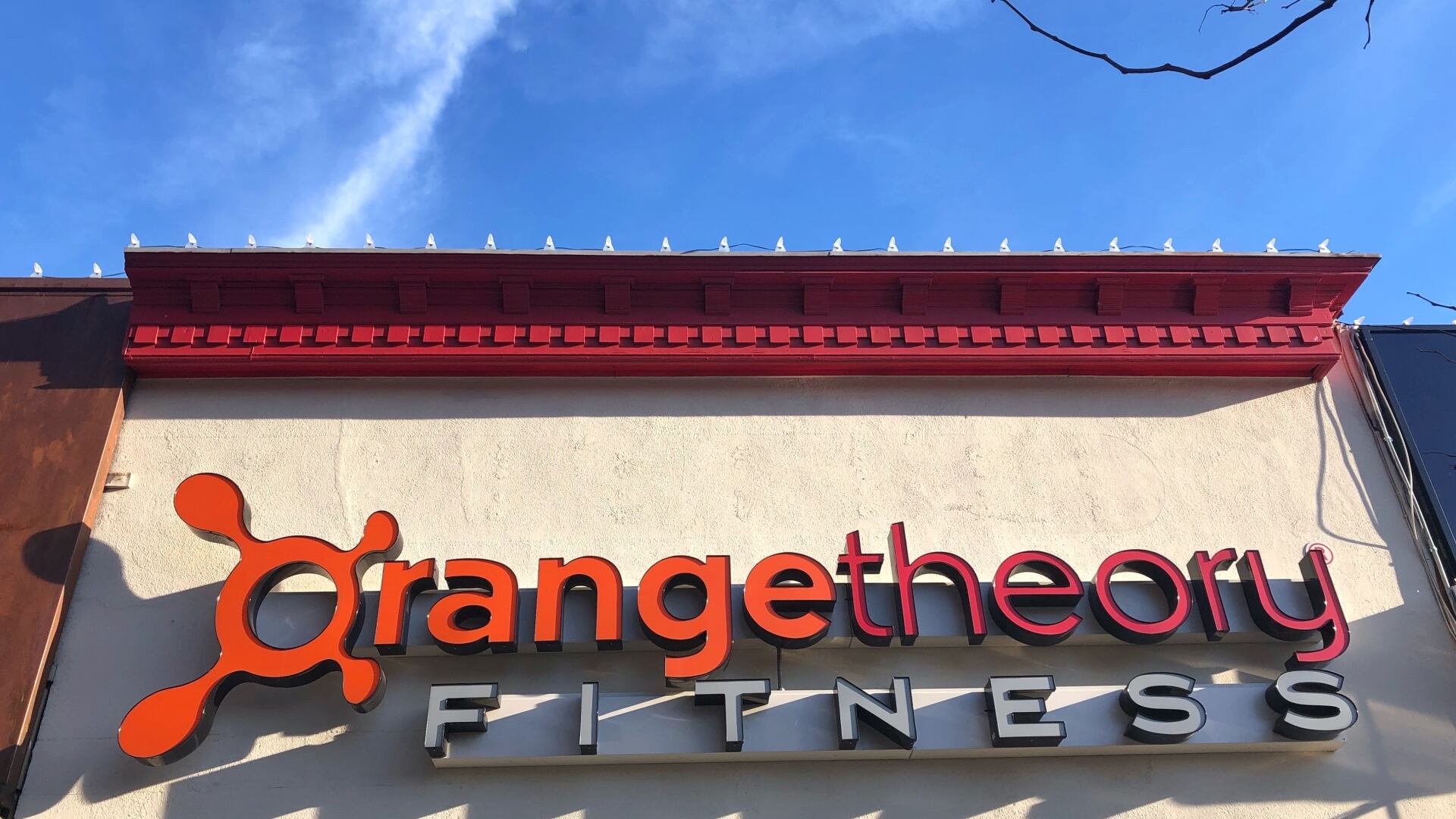
Dave Long, CEO and Co-Founder of Orangetheory Fitness joins Cheddar to chat trends in the industry for 2024. He updates us on the company's plans to expand and what the state of the economy has meant for business.
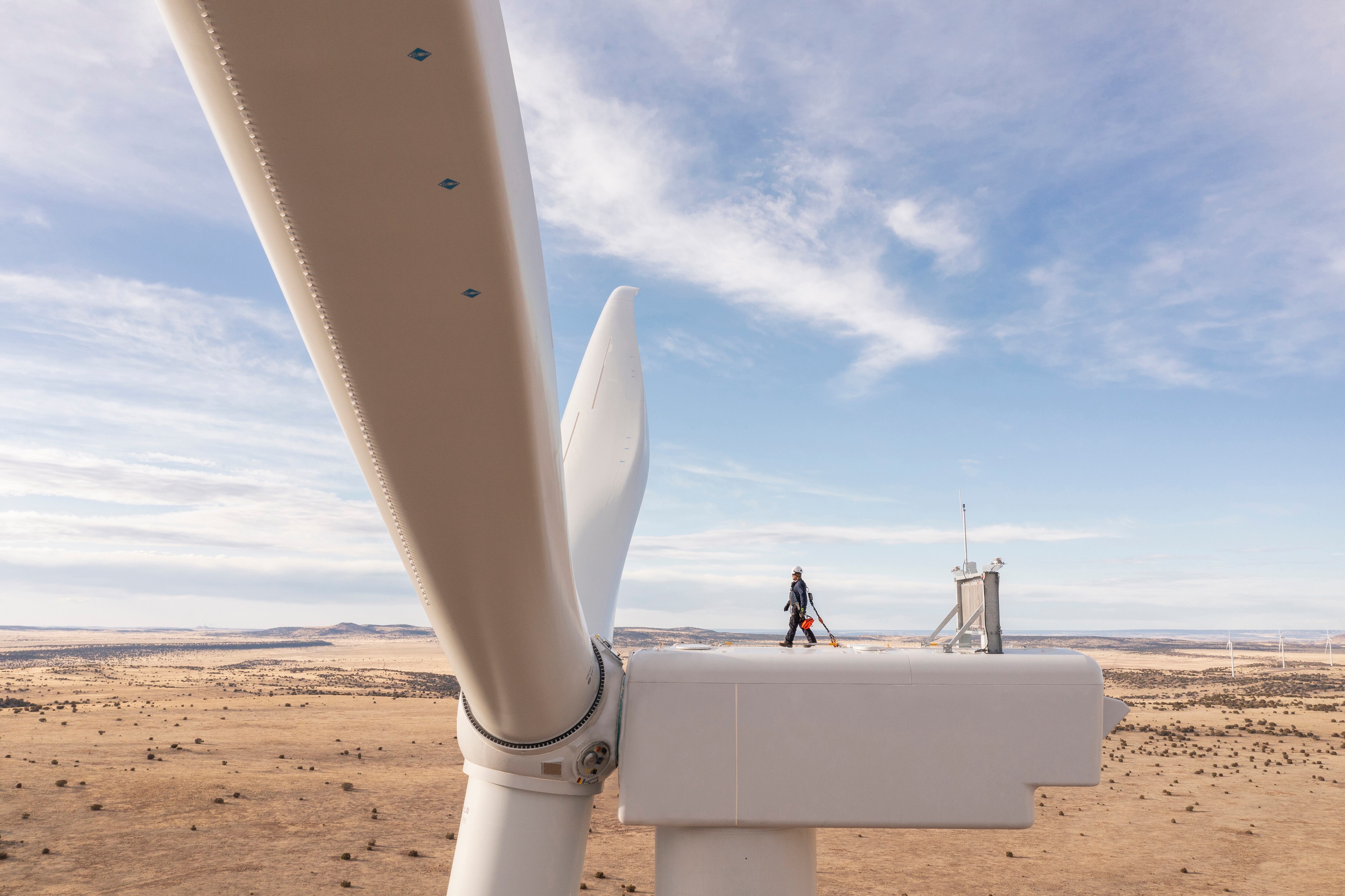
One of the world's largest renewable energy developers will be getting hundreds of wind turbines from General Electric spinoff GE Vernova as part of a record equipment order and long-term service deal.
A moon landing attempt by a private US company appears doomed because of a fuel leak on the newly launched spacecraft. Astrobotic Technology managed to orient the lander toward the sun Monday so its solar panel could capture sunlight and charge its onboard battery.
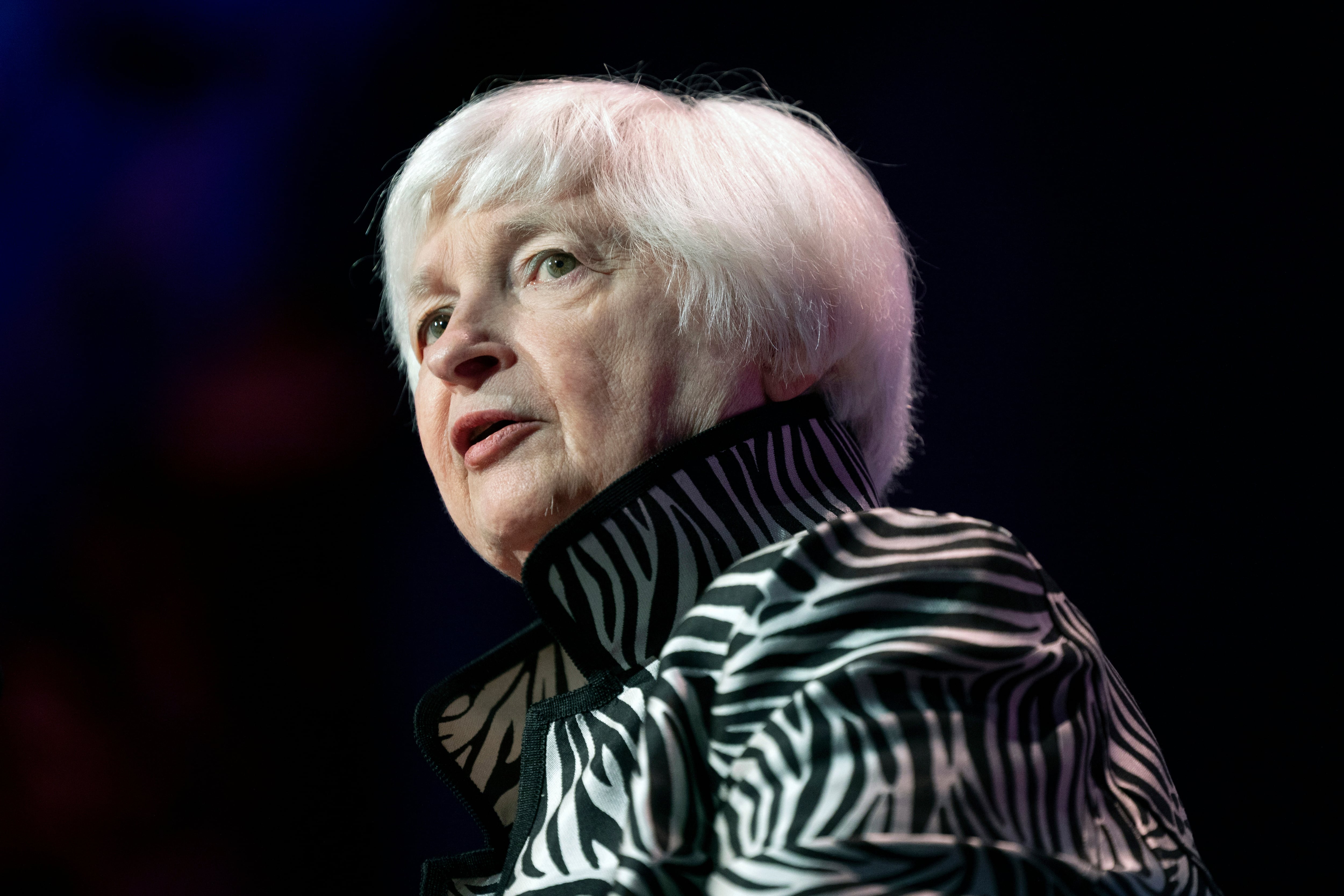
Treasury Secretary Janet Yellen has announced that 100,000 businesses have signed up for a new database that collects ownership information intended to help unmask shell company owners. Yellen says the database will send the message that “the United States is not a haven for dirty money.”
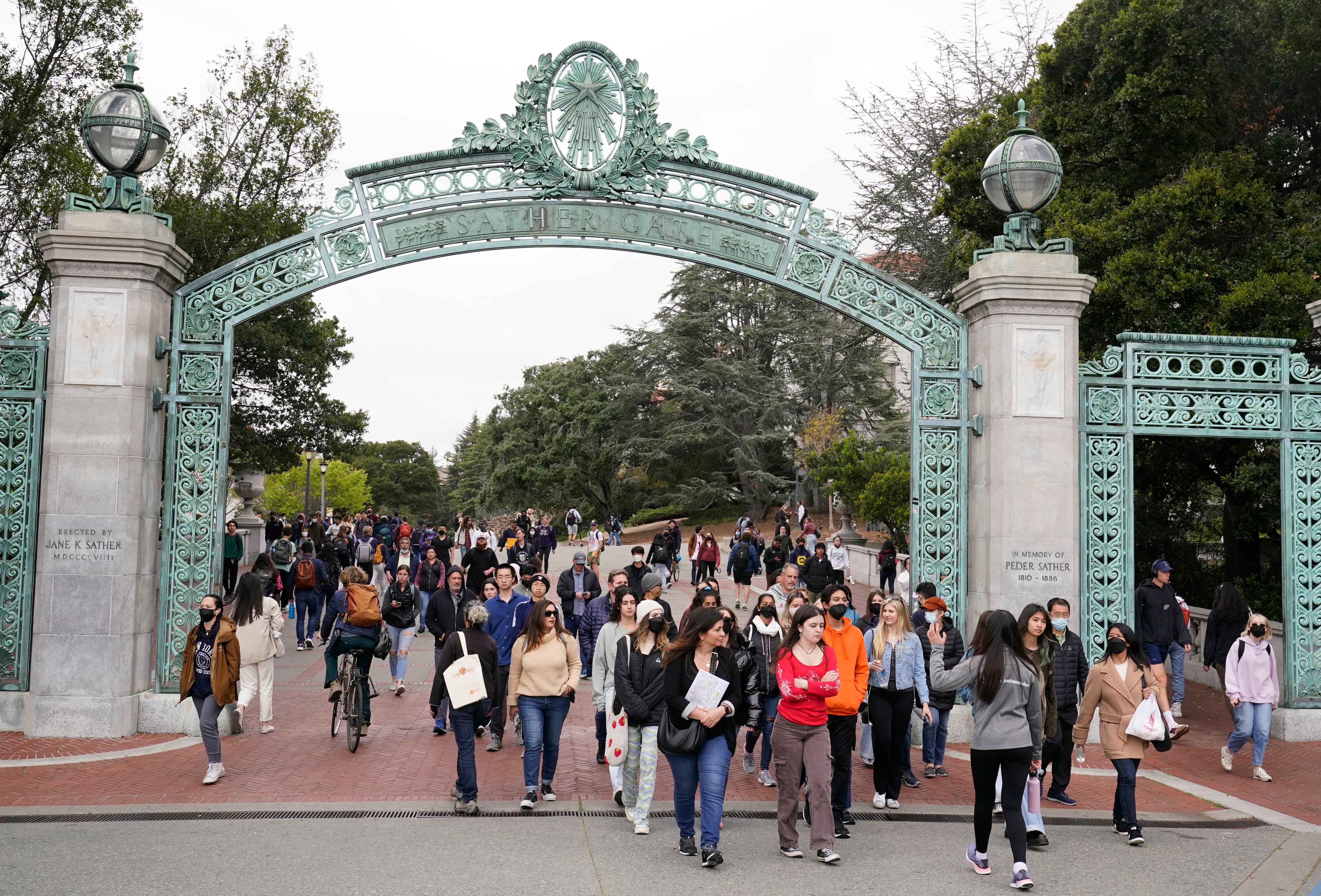
A new version of the federal student aid application known as the FAFSA is available for the 2024-2025 school year, but only on a limited basis as the U.S. Department of Education works on a redesign meant to make it easier to apply.
A steep budget deficit caused by plummeting tax revenues and escalating school voucher costs will be in focus Monday as Democratic Gov. Katie Hobbs and the Republican-controlled Arizona Legislature return for a new session at the state Capitol.
The first U.S. lunar lander in more than 50 years is on its way to the moon. The private lander from Astrobotic Technology blasted off Monday from Cape Canaveral, Florida, catching a ride on United Launch Alliance's brand new rocket Vulcan.
Global prices for food commodities like grain and vegetable oil fell last year from record highs in 2022, when Russia’s war in Ukraine, drought and other factors helped worsen hunger worldwide, the U.N. Food and Agriculture Organization said Friday.
Wall Street is drifting higher after reports showed the job market remains solid, but key parts of the economy still don’t look like they’re overheating.