*By Madison Alworth*
People around the world will spend more time online than watching television next year as global internet usage climbs in countries where smartphones have become more readily available than TV, according to new data from Zenith [cited by Recode](https://www.recode.net/2018/6/8/17441288/internet-time-spent-tv-zenith-data-media).
Advertisers' dollars are set to follow: Globally, they're expected to spend $60 billion more on Internet ads in 2019 than TV advertising.
However in the United States, the largest media consumption market in the world, television is still king.
"Americans still spend far more time watching television than on the internet," said Sara Fischer, a media reporter for Axios. Though many Americans seem to spend more time on their phones, Fischer said, is not necessarily engaged time.
"If you were to take a look at it from a minute-by-minute basis, more often than not, people spend more media consumption time on television than they do with some of their mobile properties," Fischer said in an interview with Cheddar. "Even though they might check them up to 100 times a day, it's not like they're sitting there, spending a ton of time."
For full interview, [click here](https://cheddar.com/videos/internet-consumption-outpacing-television).
Topps unveiled an expansion of its Godzilla NFT collections while New York Comic Con held a panel on the crypto collectibles showing the surging interest in the space.
From Wall Street to Silicon Valley, these are the top stories that moved markets and had investors, business leaders, and entrepreneurs talking this week on Cheddar.
Google is cracking down on digital ads promoting false climate change claims or being used to make money from such content, hoping to limit revenue for climate change deniers and stop the spread of misinformation on its platforms.
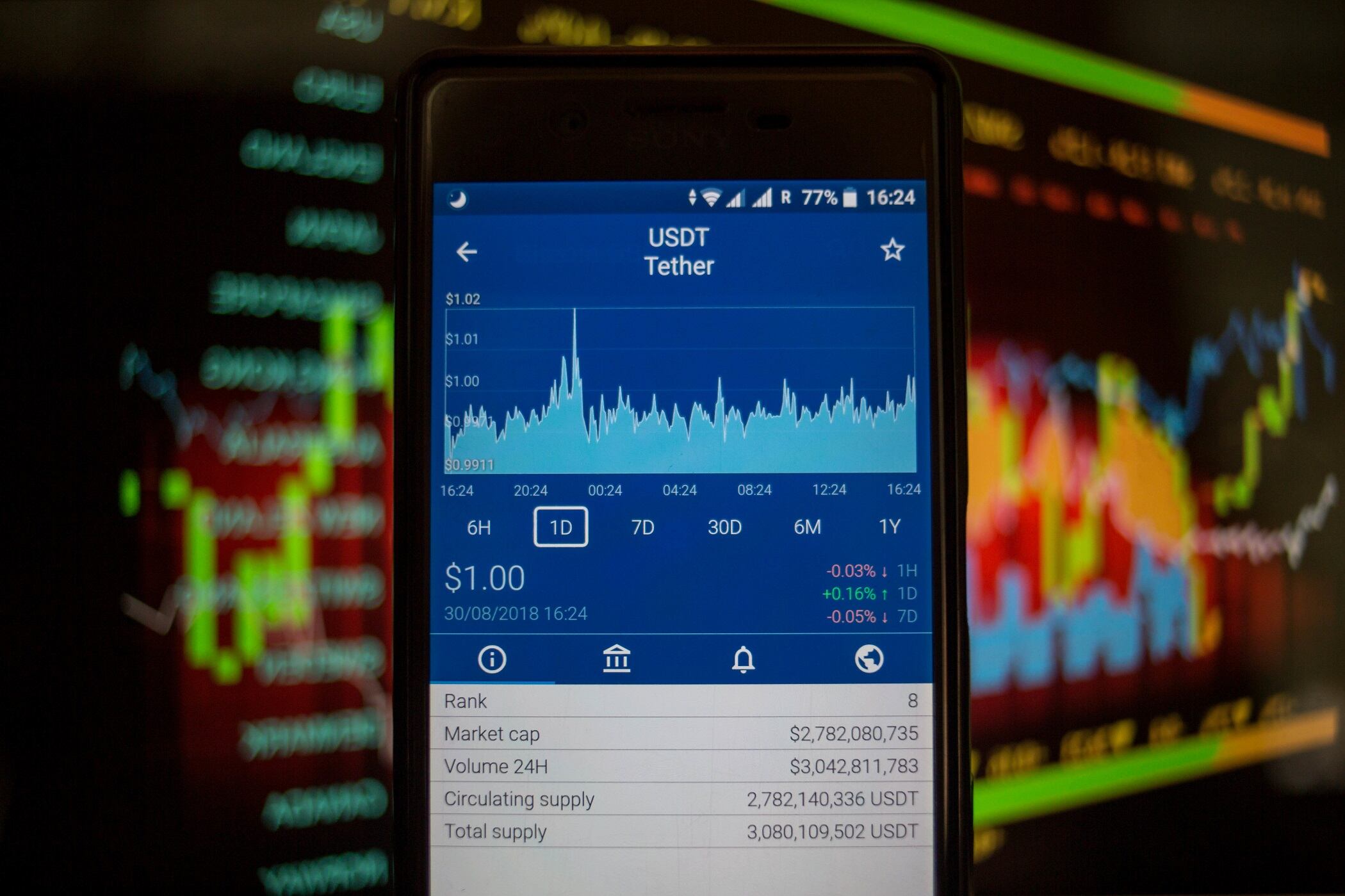
With the Biden administration reportedly looking into regulating stablecoins like Tether and Circle, just what might those rules look like going forward?
General Motors plans to cash in as the world switches from combustion engines to battery power, promising to double its annual revenue by 2030.
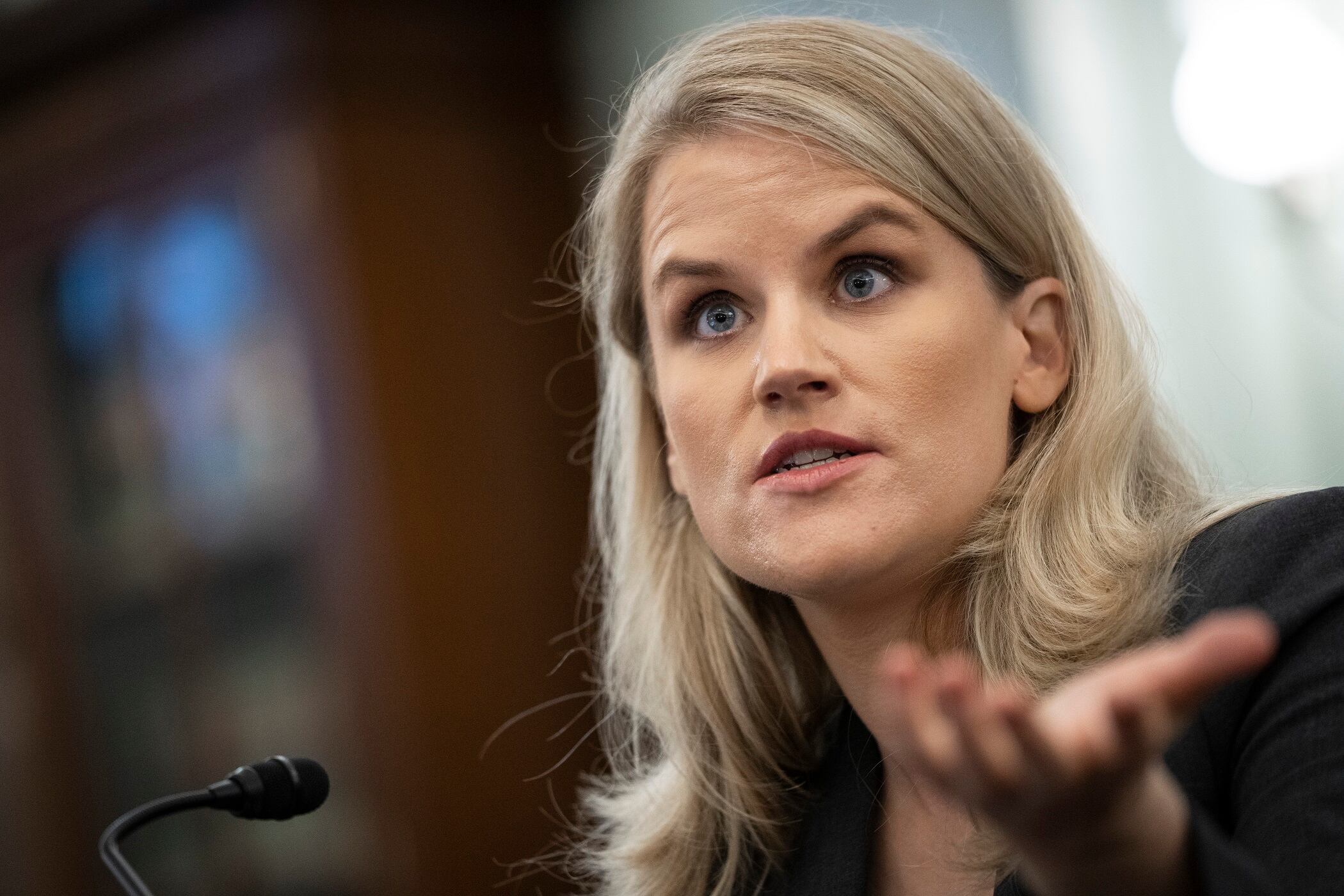
A former Facebook data scientist has told Congress that the social network giant’s products harm children and fuel polarization in the U.S. while its executives refuse to change because they elevate profits over safety.
A Russian actor and a film director have rocketed into space to make the world’s first movie in orbit.
Facebook and its Instagram and WhatsApp platforms have suffered a worldwide outage.
Tesla says it delivered 241,300 electric vehicles in the third quarter even as it wrestled with a global shortage of computer chips that has hit the entire auto industry.
From Wall Street to Silicon Valley, these are the top stories that moved markets and had investors, business leaders, and entrepreneurs talking this week on Cheddar.