*By Madison Alworth*
People around the world will spend more time online than watching television next year as global internet usage climbs in countries where smartphones have become more readily available than TV, according to new data from Zenith [cited by Recode](https://www.recode.net/2018/6/8/17441288/internet-time-spent-tv-zenith-data-media).
Advertisers' dollars are set to follow: Globally, they're expected to spend $60 billion more on Internet ads in 2019 than TV advertising.
However in the United States, the largest media consumption market in the world, television is still king.
"Americans still spend far more time watching television than on the internet," said Sara Fischer, a media reporter for Axios. Though many Americans seem to spend more time on their phones, Fischer said, is not necessarily engaged time.
"If you were to take a look at it from a minute-by-minute basis, more often than not, people spend more media consumption time on television than they do with some of their mobile properties," Fischer said in an interview with Cheddar. "Even though they might check them up to 100 times a day, it's not like they're sitting there, spending a ton of time."
For full interview, [click here](https://cheddar.com/videos/internet-consumption-outpacing-television).
Blue Bear Capital, a venture and growth equity firm focusing on AI-powered solutions for the world’s energy, infrastructure, and climate challenges, recently announced it has raised $150 million dollars in new funding. Ernst Sack, Partner at Blue Bear Capital, joins Cheddar Climate the vision his company has when it comes to combating climate change.
Tinder is working to keep users on the platform for longer periods by introducing its own in-app currency. Users can collect coins by staying active on the dating app or purchasing them. The currency can then be used on features like Super Likes or Boosts.
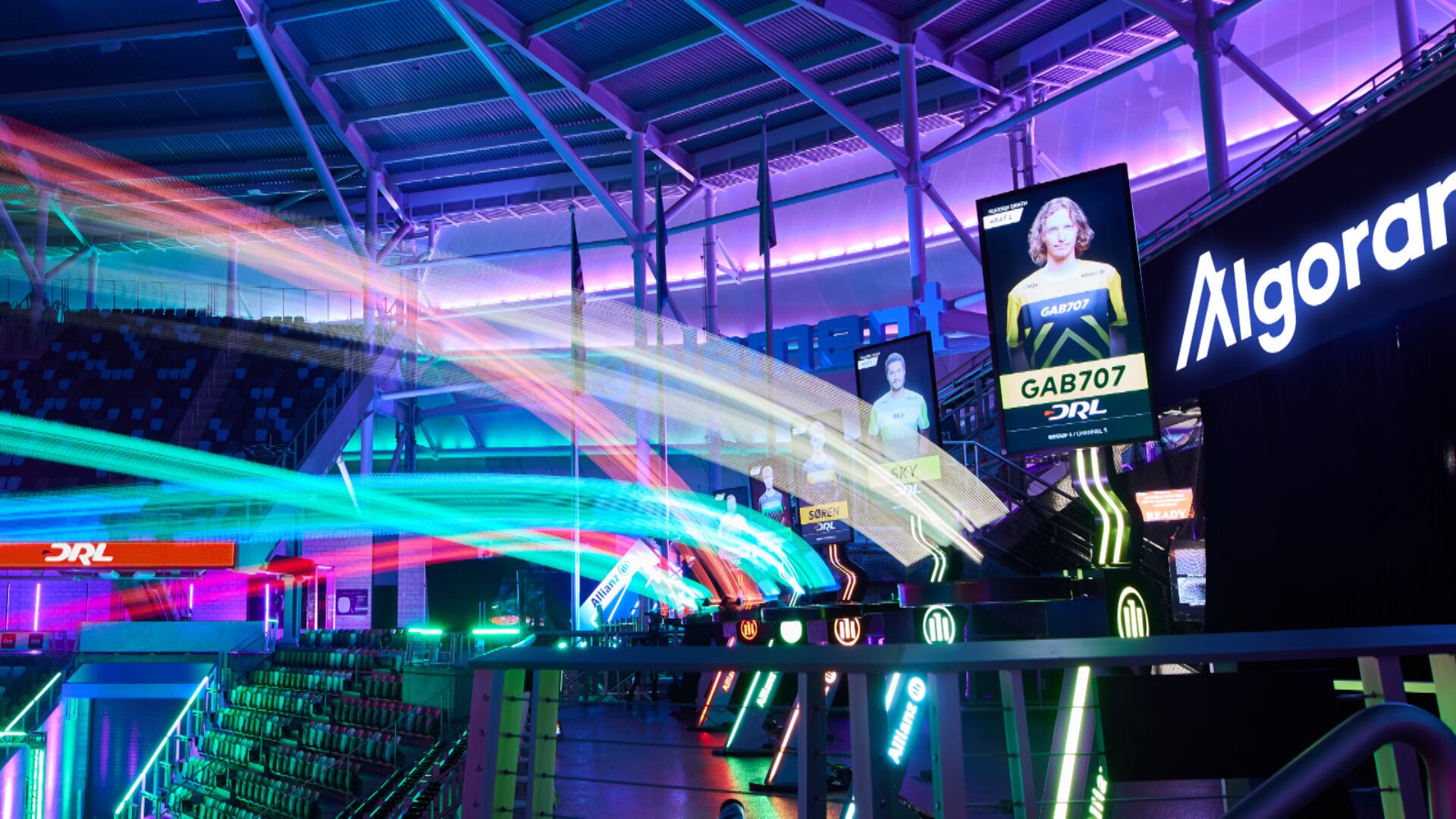
The Drone Racing League kicked off its 2021-2022 world championship season this week. Spanning across 14 different locations over the course of the year, 12 of the world's best drone pilots will be racing against each other to bring home the title. Drone racing has grown in popularity over the past year, with the Drone Racing League seeing an uptick of nearly 200 percent average viewership, 90 percent in virtual drone racing participation and 60 percent fanbase growth over social media. Rachel Jacobson, President of the Drone Racing League, discusses the future of the sport and why she thinks drone racing will soon be on par with traditional sports.