*By Madison Alworth*
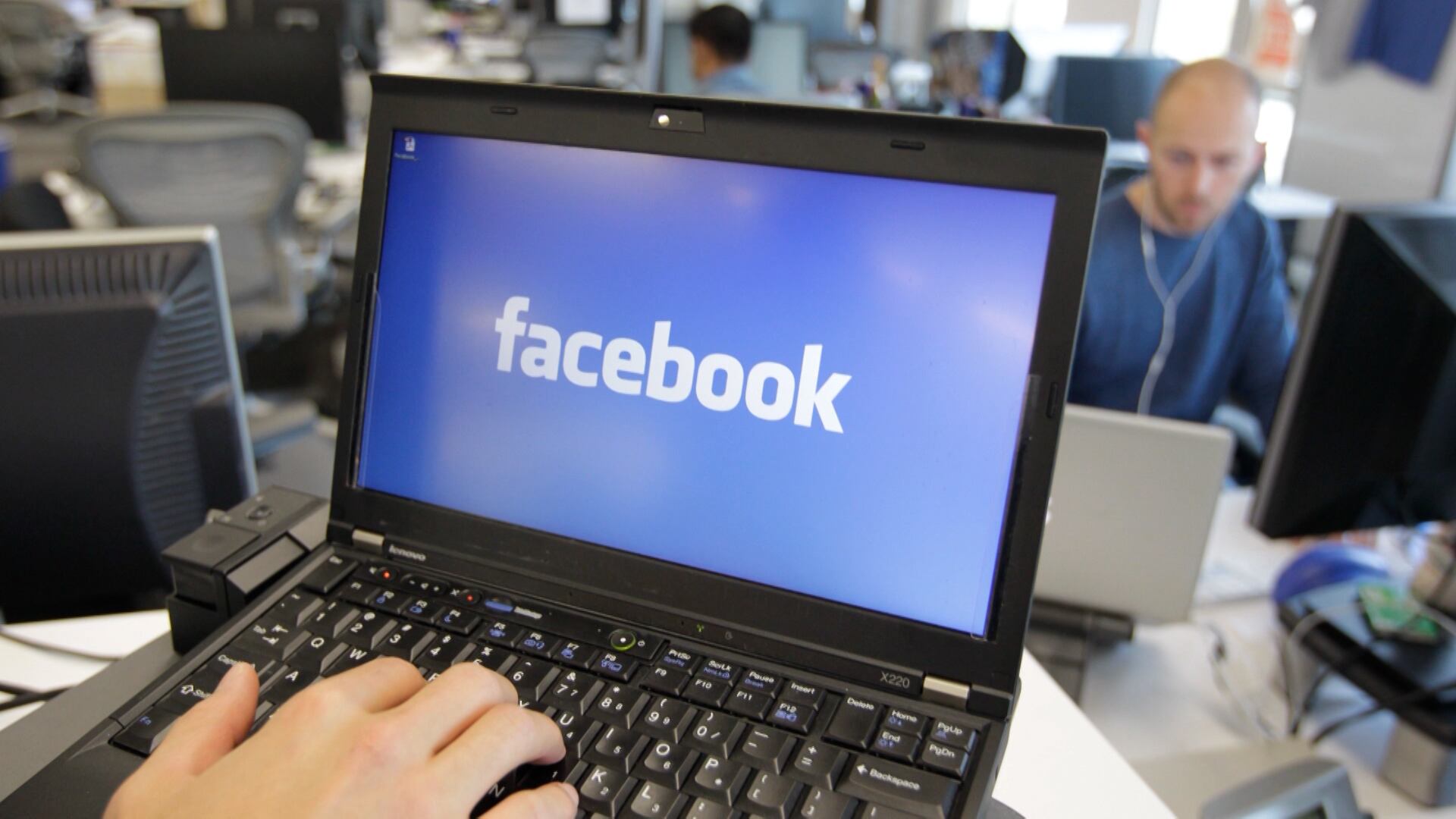
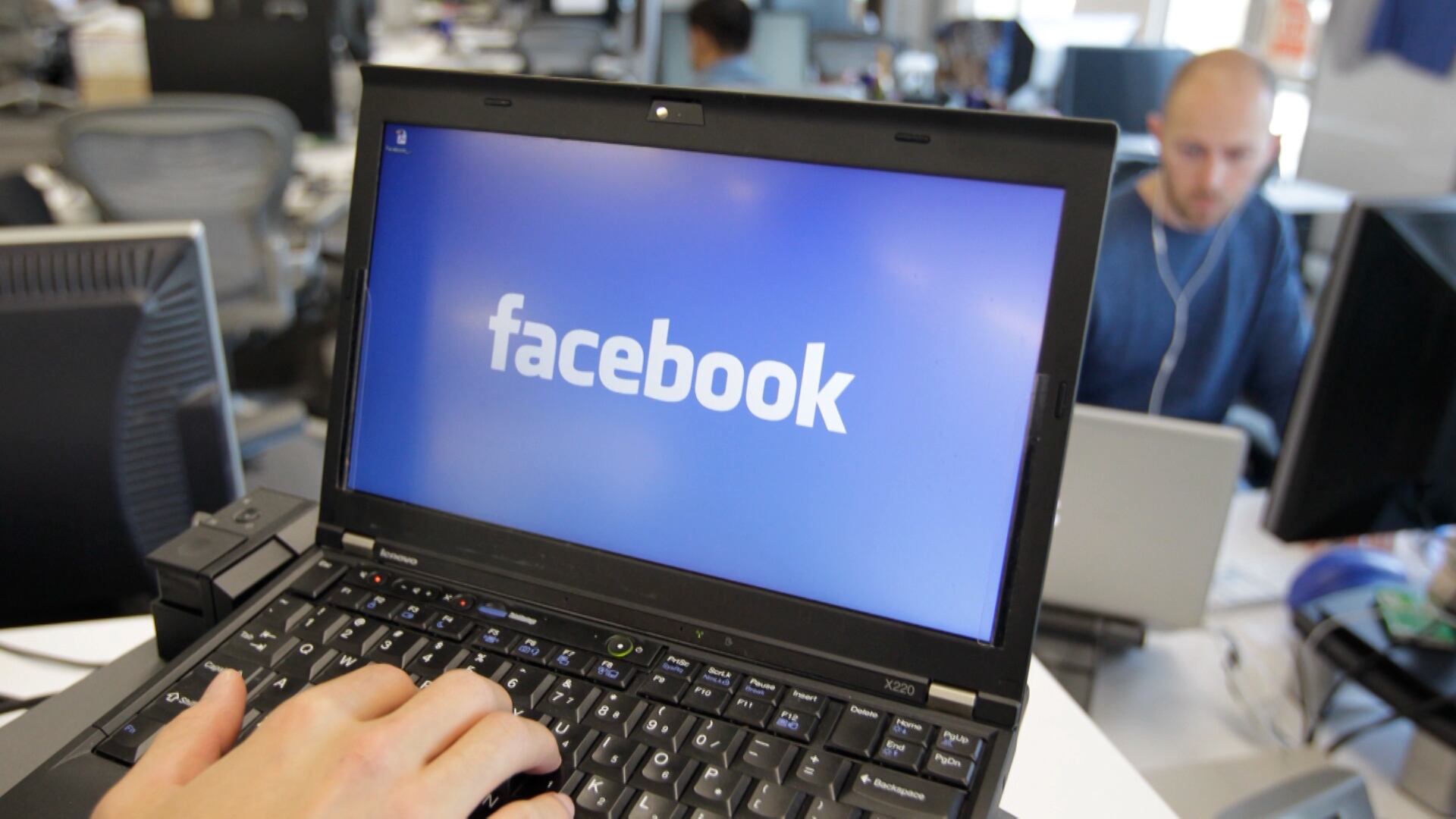
People around the world will spend more time online than watching television next year as global internet usage climbs in countries where smartphones have become more readily available than TV, according to new data from Zenith [cited by Recode](https://www.recode.net/2018/6/8/17441288/internet-time-spent-tv-zenith-data-media).
Advertisers' dollars are set to follow: Globally, they're expected to spend $60 billion more on Internet ads in 2019 than TV advertising.
However in the United States, the largest media consumption market in the world, television is still king.
"Americans still spend far more time watching television than on the internet," said Sara Fischer, a media reporter for Axios. Though many Americans seem to spend more time on their phones, Fischer said, is not necessarily engaged time.
"If you were to take a look at it from a minute-by-minute basis, more often than not, people spend more media consumption time on television than they do with some of their mobile properties," Fischer said in an interview with Cheddar. "Even though they might check them up to 100 times a day, it's not like they're sitting there, spending a ton of time."
For full interview, [click here](https://cheddar.com/videos/internet-consumption-outpacing-television).
Apple could soon face a Department of Justice antitrust lawsuit after intensifying its probe into the tech giant, according to a report. The added scrutiny comes after the tech giant had already faced questioning in Washington and concluded an antitrust case brought by Epic Games.
John Nosta, WHO Technology Expert, joins Cheddar News to discuss evolving technology in the healthcare industry and the role 5G is playing in advancing healthcare delivery.
A stacked week of earnings this week as Facebook, Twitter, Amazon and several others gear up to release their quarterly results. Earnings have so far exceeded expectations despite supply chain concerns and the ongoing pandemic. Daniel Newman, Futurum Research principal analyst, tells Cheddar which companies he's paying attention to this week.
Last week, shares of Digital World Acquisition Corp skyrocketed after following Former Present Trump's announcement that he would be partnering with the company as part of a Special Purpose Acquisition Company, or SPAC. Christian Munafo, Chief Investment Officer of Liberty Street Advisors and portfolio Manager of the Private Shares Fund broke down the latest, including whether or not Wall Street is currently experiencing a SPAC boom.
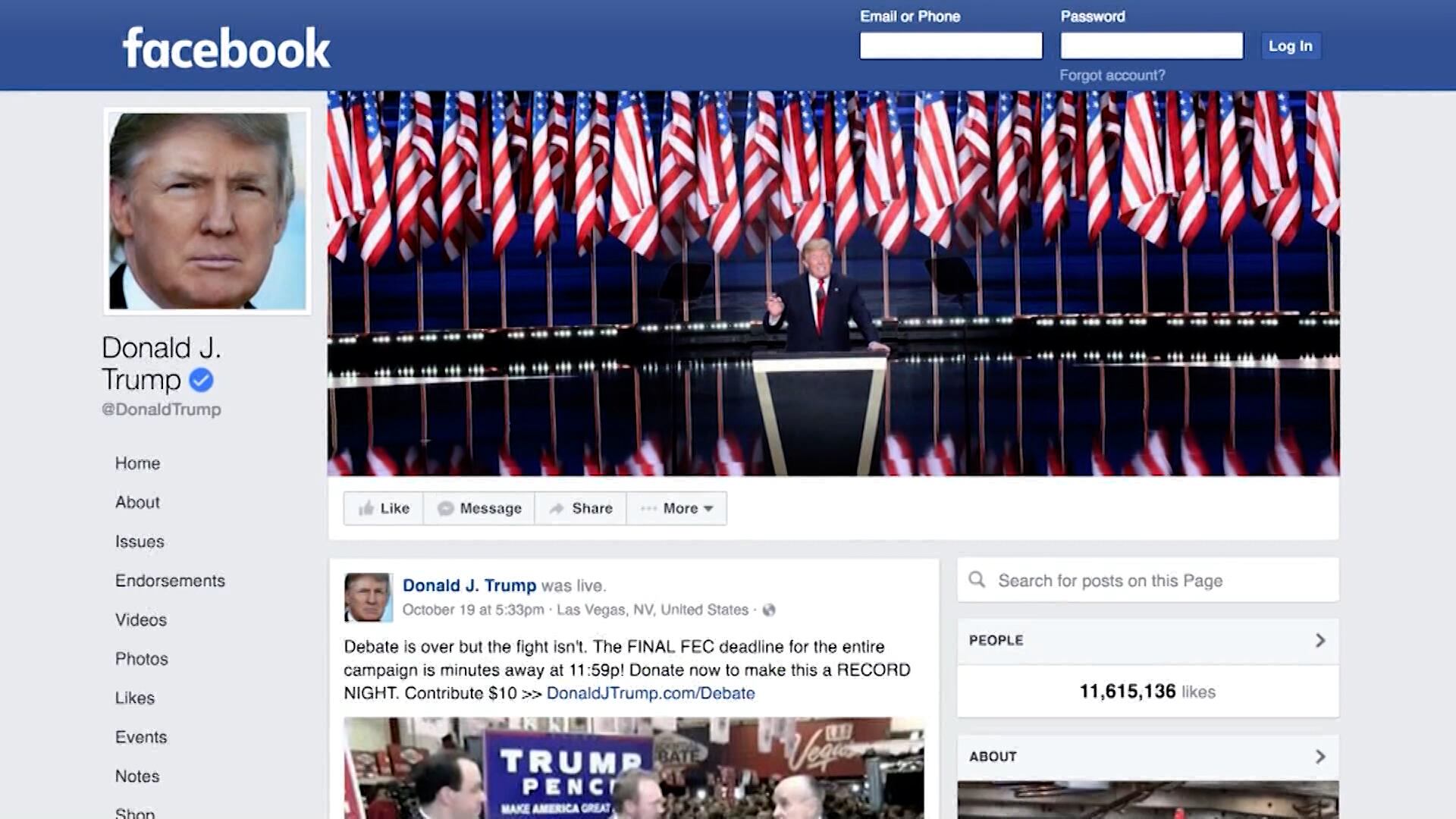
Facebook reported a beat on its Q3 earnings on Monday, despite a miss on revenue. This comes as the social media giant has found itself entrenched in negative headlines of late. Timothy Lesko, Partner and Portfolio Manager at Granite Investment Advisors, joined Cheddar to break down the latest.
Facebook has been in the midst of a media firestorm thanks to the Wall Street Journal scathing report and Frances Haugen's whistleblowing among other news. With the social media giant set to release its Q3 earnings after the bell, Cheddar News caught up with John Quelch, Dean of Miami Herbery Business School to discuss what to expect.
Jill and Carlo cover the news out of Facebook's latest earnings, Tesla's monumental day, Dave Chappelle addresses controversy and the tragedy of the climate emergency.