*By Madison Alworth*
People around the world will spend more time online than watching television next year as global internet usage climbs in countries where smartphones have become more readily available than TV, according to new data from Zenith [cited by Recode](https://www.recode.net/2018/6/8/17441288/internet-time-spent-tv-zenith-data-media).
Advertisers' dollars are set to follow: Globally, they're expected to spend $60 billion more on Internet ads in 2019 than TV advertising.
However in the United States, the largest media consumption market in the world, television is still king.
"Americans still spend far more time watching television than on the internet," said Sara Fischer, a media reporter for Axios. Though many Americans seem to spend more time on their phones, Fischer said, is not necessarily engaged time.
"If you were to take a look at it from a minute-by-minute basis, more often than not, people spend more media consumption time on television than they do with some of their mobile properties," Fischer said in an interview with Cheddar. "Even though they might check them up to 100 times a day, it's not like they're sitting there, spending a ton of time."
For full interview, [click here](https://cheddar.com/videos/internet-consumption-outpacing-television).
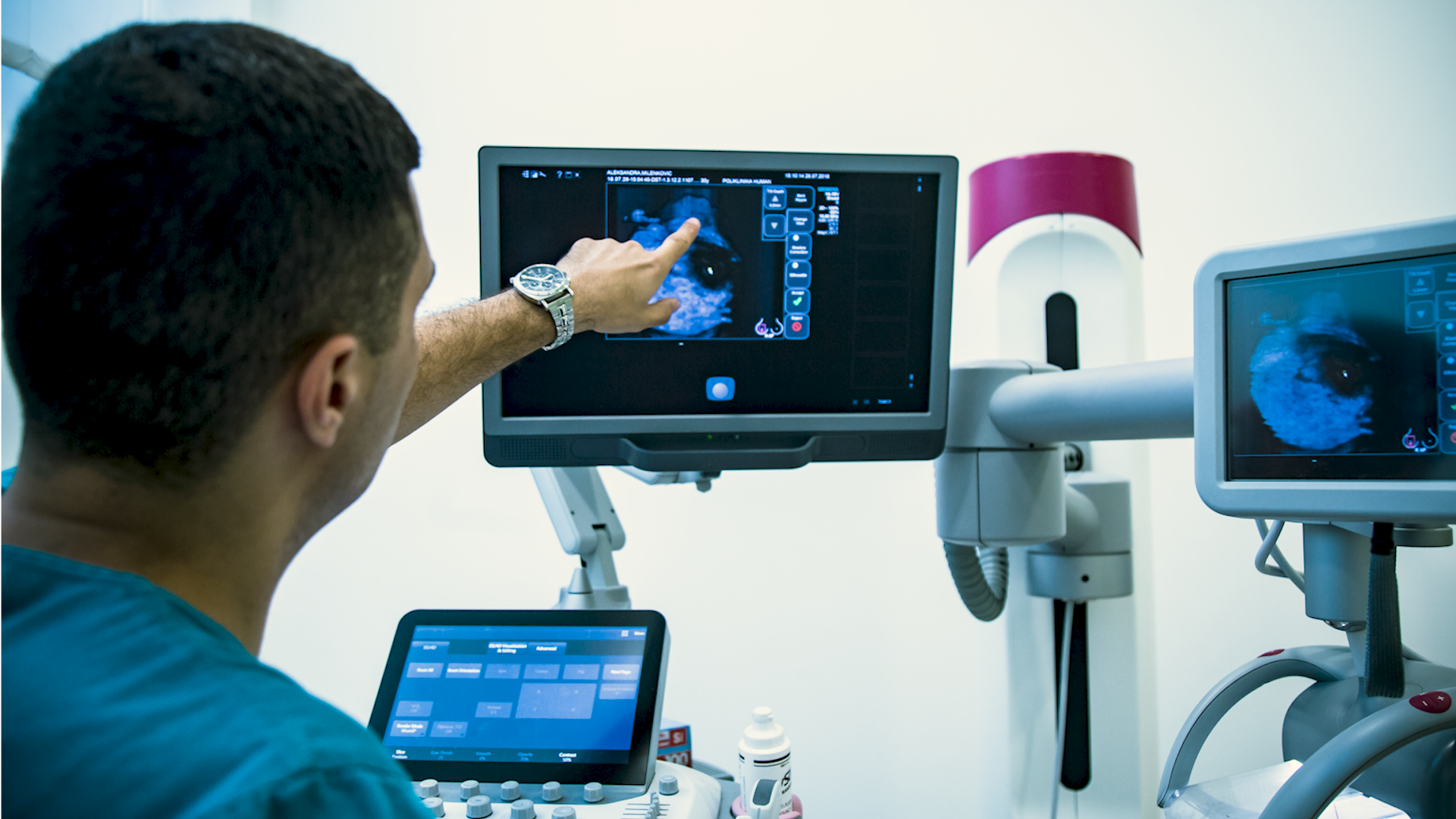
Stacey Stevens, President of iCAD, joins 'Cheddar Innovates' to discuss how 'Profound A.I. Risk' works as a short-term breast cancer risk estimation for women.
On this episode of 'Cheddar Innovates': President of iCAD breaks down how its technology is being used as a short-term breast cancer risk estimation for women; A look at Curiosity Stream's 'The Science of Thrills.'
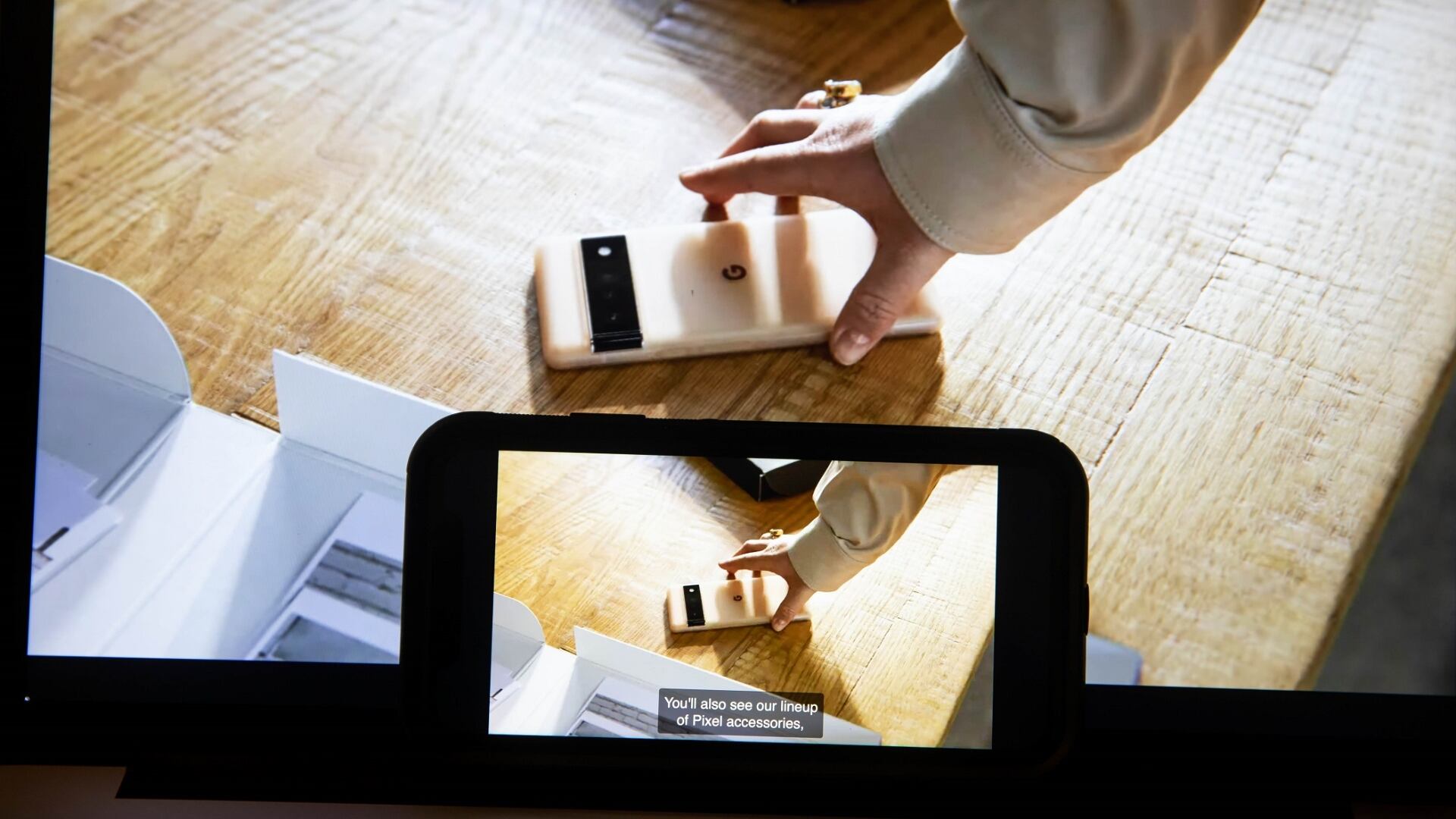
Cheddar's Ken Buffa took the Pixel 6 Pro for a test drive, highlighting some of the new features. The latest Google smartphone comes with an upgraded camera visor that holds three cameras in place as well as Gorilla Glass Victus covering the front and back protecting against drops and scratches. The device also contains Google's first homemade processor chip called Tensor and retails for about $899.
Dems race for a deal on President Biden's economic agenda ahead of his big foreign trip. What to make of the latest threat assessment in Afghanistan. Plus, the meme cryptocurrency of the moment that's now worth more than many Fortune 500 companies.
GM exceeded earnings expectations, yet still felt the chip shortage squeeze. Baron's Senior Writer Al Root discussed GM's segue into the electric car car world despite its struggles.