With one more day until the election, Cheddar spoke with several large U.S. companies that are either closing for the day or offering paid time off to employees so they have the time and flexibility to vote.
For some, this is the first time they've offered this kind of benefit, while others are refining their practices after taking them for a test-run in 2016. And it is not just about getting time off to vote: some companies have also added PTO for nonpartisan poll workers.
In this Q&A series, we speak with corporate execs about their plans for Election Day and why they chose now to change the role of corporations in the voting process.
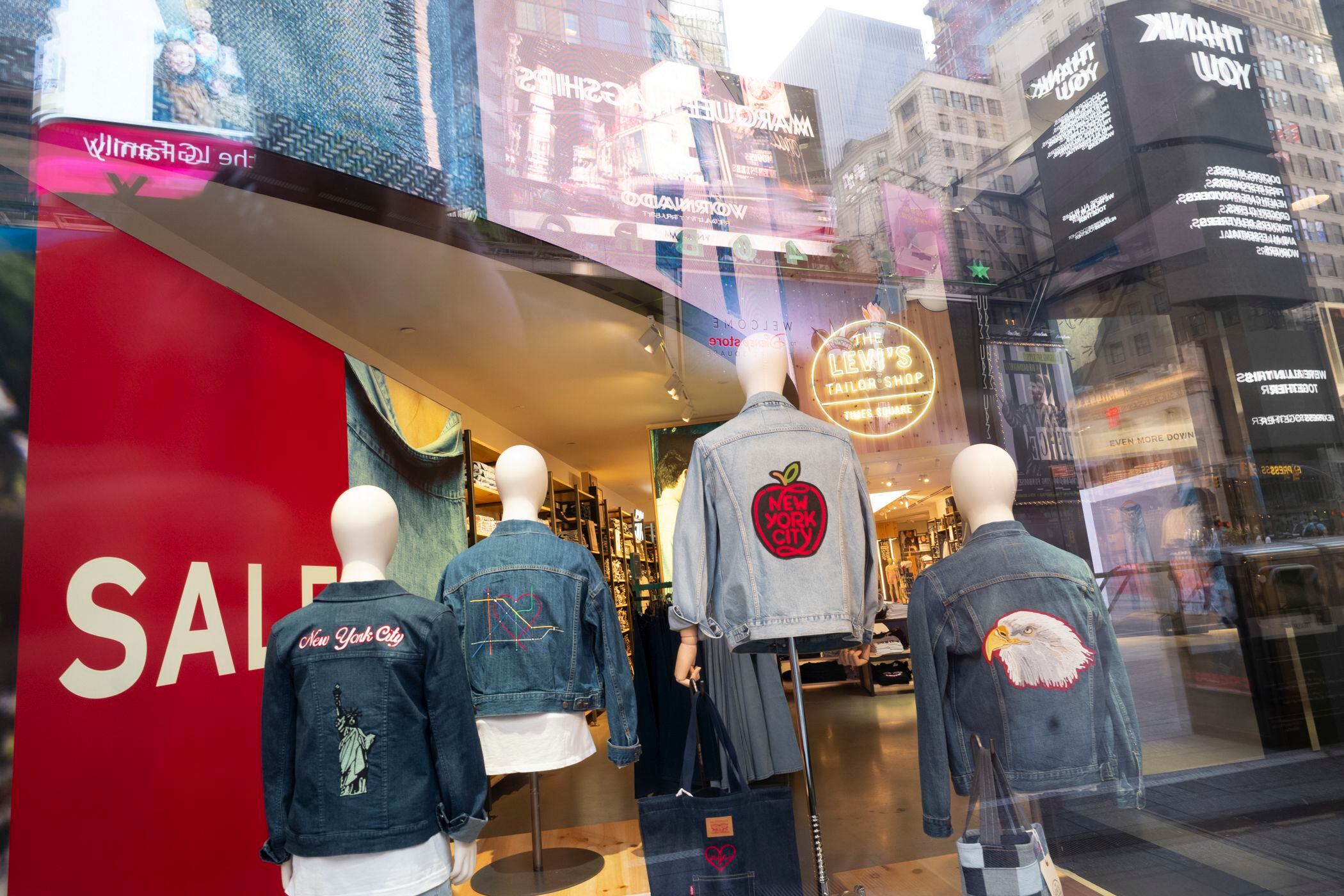
For this entry, Kelly Mason, director of corporate communications for clothing brand Levi Strauss & Co., told us about the iconic retailer's plans for November 3, as well as a larger initiative that it's supporting to push the corporate sector toward giving employees more leeway to vote.
What is Levi's plan for voting day? How did it come up with this particular approach?
For both corporate and retail employees, we offer paid time off and a flexible schedule so they have the time they need to cast their ballot. We also provide paid time off to volunteer in election-related work. This year, we partnered with Power the Polls to give our employees the opportunity to volunteer to help fill the nationwide poll worker shortage. We’ve had people sign up to volunteer in precincts across the country.
We’ve also encouraged other companies to make it easier for their employee to vote through our leadership of the Time to Vote movement. So far, more than 1,800 companies have joined and made the commitment to a culture of voting within their workforce.
Read more: Time Off to Vote: Away
How does this compare with Levi's policies in past elections?
We also offered paid time off to employees for the 2018 midterms, but this year we’ve taken additional steps to ensure voters don’t have to sacrifice their health for their vote. We encouraged our employees to volunteer as poll workers to help meet the anticipated shortage due to COVID and upped our investment in voter education and awareness. We supported initiatives like Vote Early Day and are directing voters to resources so they know what options are available to them to vote safely, and early if possible.
What has changed in recent years to inspire the change of course?
COVID-19 has had a significant impact on this year’s election. From the number of poll workers to the potential confusion around voting options in different states, we’ve done more to ensure we’re addressing the specific challenges that the pandemic has created.
And as our CEO Chip Bergh said earlier this year, "We have so much at stake in this year's election at the local, state, and national levels… the nation has so much work to do to get on the right track.” Voting is how we make our voices heard on the issues that matter most.
Going forward, what roles can corporations play in making voting easier?
To start, we encourage companies to join the Time to Vote movement and make a commitment to giving their employees a work schedule that supports and encourages voting. But there’s no one size fits all approach to civic engagement. We encourage every company to consider how they can help remove some of the barriers that prevent their employees from getting to the polls.
Does Levi's expect to change its policies for future elections?
Democracy only works when people vote. Our policies may evolve, but it will always be a priority to help our employees engage in our democracy, use their voice, and have the time and resources they need to vote.
Note: Minor edits were made for clarity.


