TikTok is banning deepfakes amid increasing pressure from the U.S. government over privacy and security concerns. CEO Shou Zi Chew announced the policy in a TikTok video on Tuesday two days ahead of his scheduled appearance before congress.
In the video, Chew stressed the stakes of a potential government ban on Tiktok — an idea floated by U.S. lawmakers in recent months. “Some politicians have started talking about banning TikTok," he said. "Now this could take TikTok away from all 150 million of you."
He also highlighted TikTok's updated rules and standards, which includes explicit restrictions on deepfakes (any synthetic media produced by artificially intelligent technology). Manipulated content that shows realistic scenes must now be properly labeled as fake.
“These principles are based on our commitment to uphold human rights and aligned with international legal frameworks,” said Julie de Bailliencourt, TikTok’s global head of product policy.
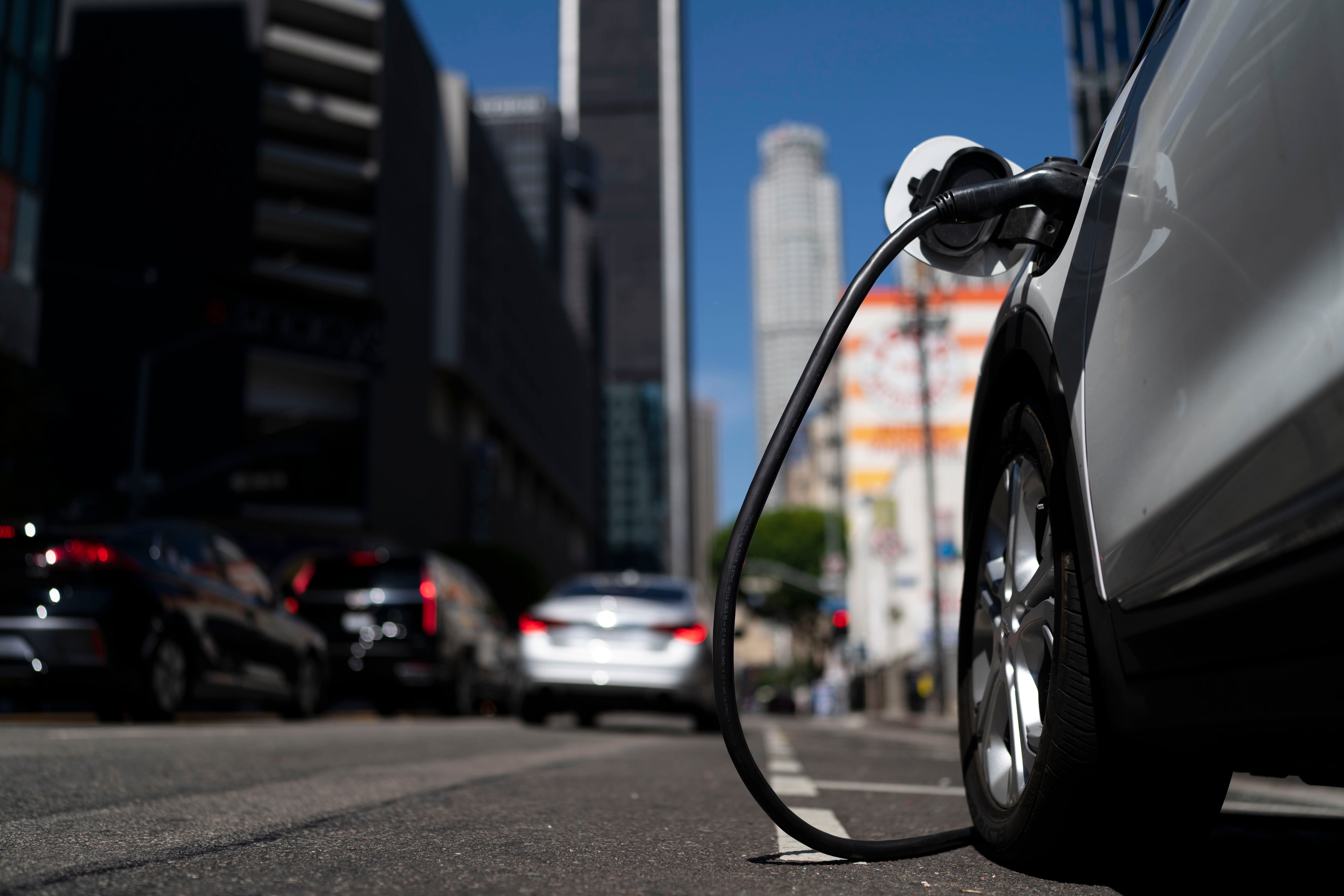
Paul Miller, certified public accountant and founder of Miller & Company LLP, joined Cheddar News to discuss what electric vehicle owners should know about tax credits and the new rules to qualify for them. "I would definitely make a phone call to your accountant ... to your CPA to ensure that you're getting the credit and it's applicable," he said.
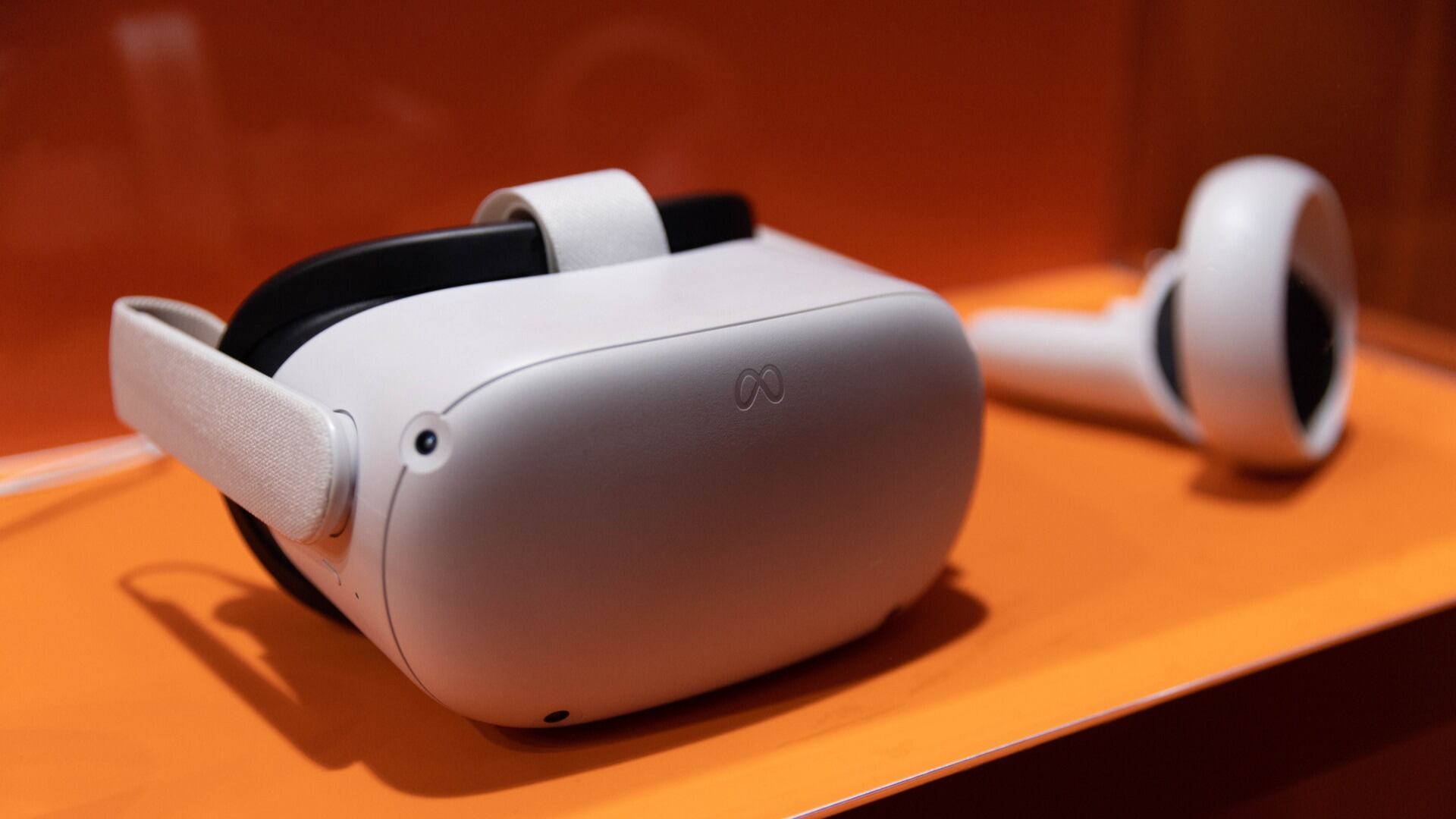
Meta is now allowing teenagers to access its virtual reality app, Horizon Worlds, even as critics of the technology say it could have harmful consequences for mental health. Cheddar News Senior Reporter Michelle Castillo breaks down the announcement.
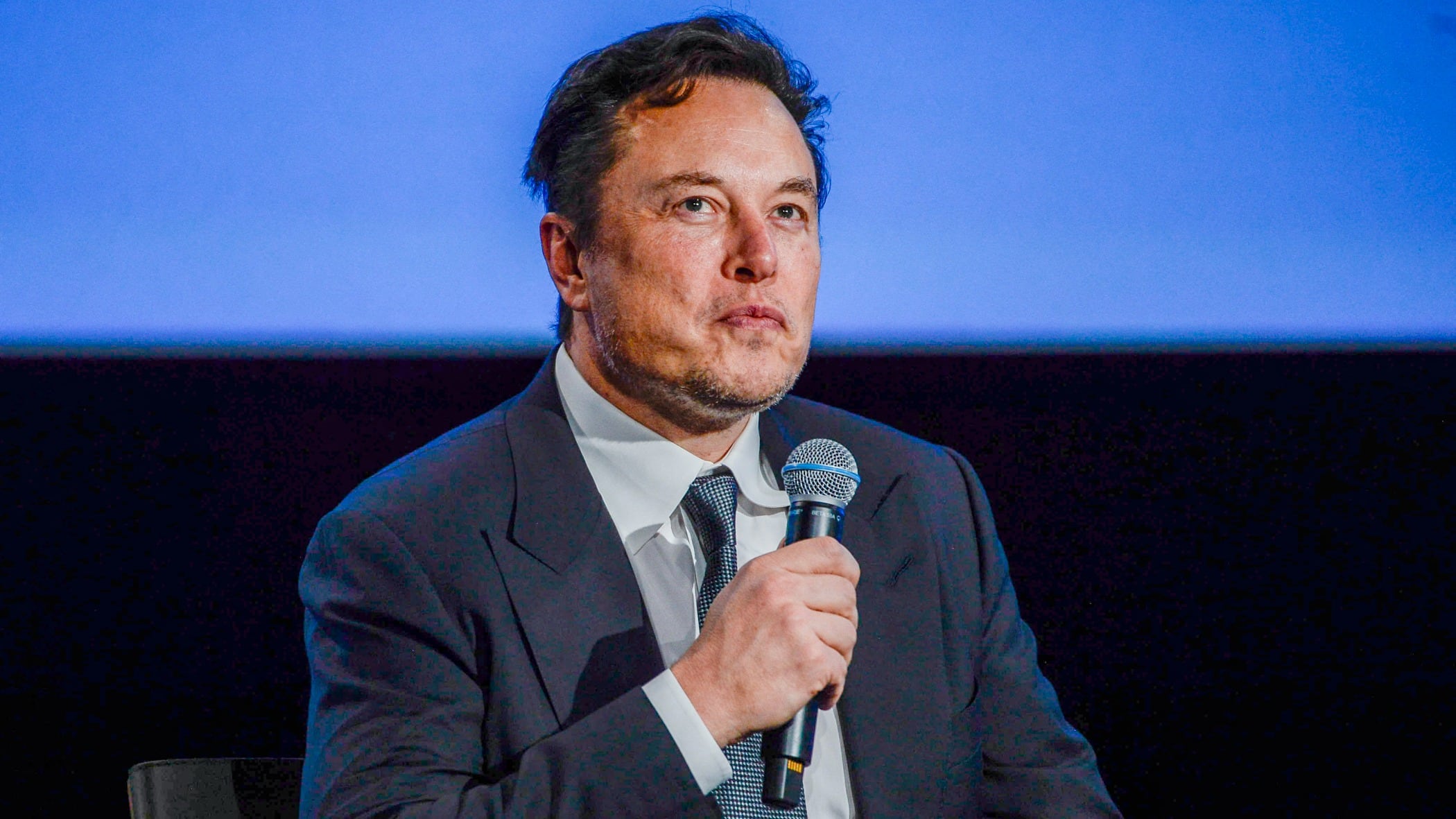
Elon Musk claimed that artificial intelligence has the potential to cause 'civilization destruction.' The billionaire is currently planning to come out with an AI platform, TruthGPT.
Ten electric or plug-in hybrid vehicles will be eligible for a $7,500 U.S. tax credit, while another seven could get $3,750 under new federal rules that go into effect on Tuesday.