By Zen Soo
TikTok CEO Kevin Mayer resigned Thursday amid U.S. pressure for its Chinese owner to sell the popular video app, which the White House says is a security risk.
In a letter to employees, Mayer said that his decision to leave comes after the "political environment has sharply changed."
His resignation follows President Donald Trump's order to ban TikTok unless its parent company, ByteDance, sells its U.S. operations to an American company within 90 days.
"I have done significant reflection on what the corporate structural changes will require, and what it means for the global role I signed up for," he said in the letter. "Against this backdrop, and as we expect to reach a resolution very soon, it is with a heavy heart that I wanted to let you all know that I have decided to leave the company."
Bytedance is currently in talks with Microsoft for the U.S. firm to buy TikTok's U.S. operations.
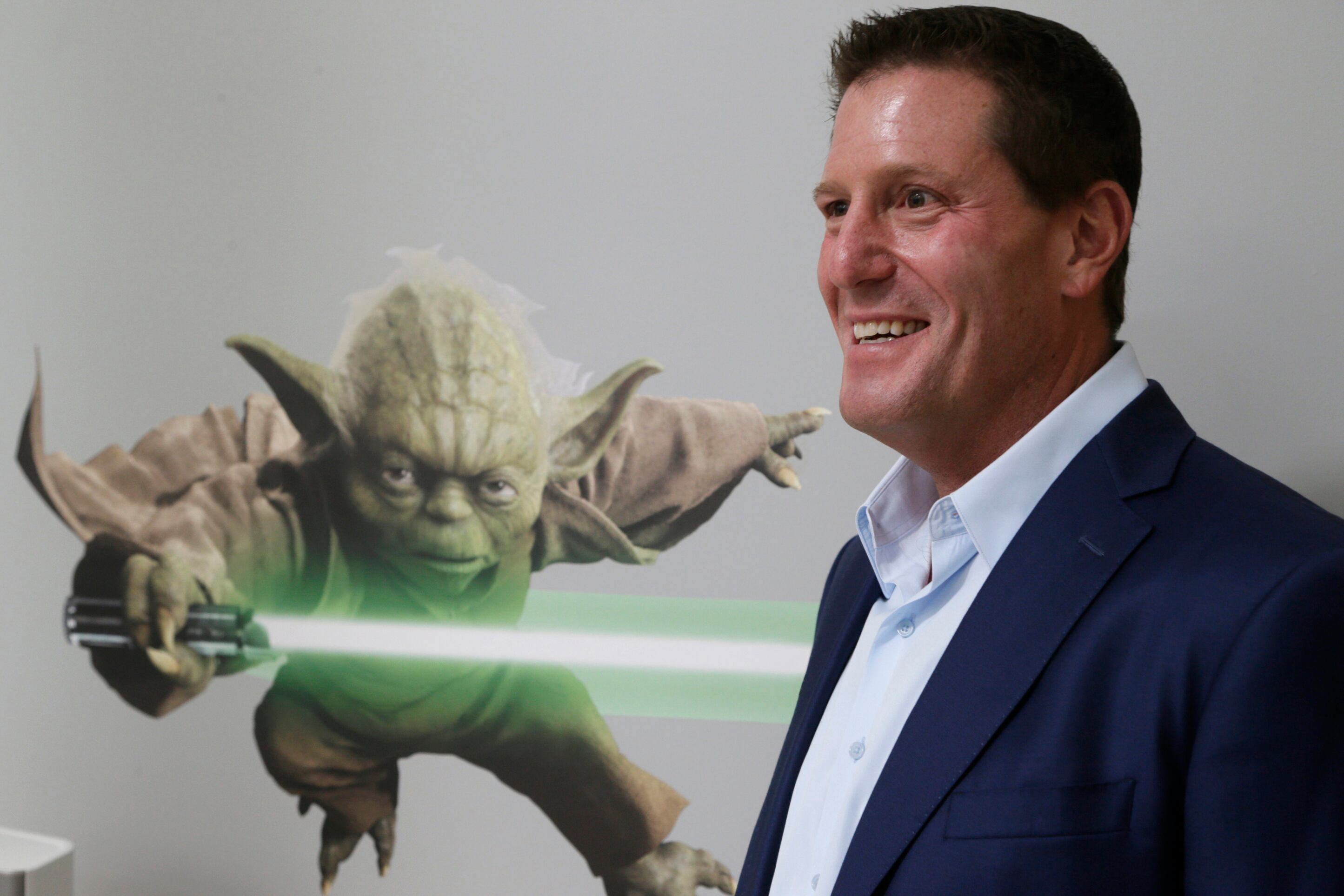
Mayer, a former Disney executive, joined TikTok as CEO in May.
TikTok thanked Mayer.
"We appreciate that the political dynamics of the last few months have significantly changed what the scope of Kevin's role would be going forward, and fully respect his decision," the company said in a statement.
ByteDance launched TikTok in 2017, then bought Musical.ly, a video service popular with teens in the U.S. and Europe, and combined the two. A twin service, Douyin, is available for Chinese users.
TikTok gained immense popularity via its fun, goofy videos and ease of use, and has hundreds of millions of users globally.
But its Chinese ownership has raised concerns about potential censorship of videos, including those critical of the Chinese government, and the risk Beijing may access user data.
Earlier this month, Trump ordered a sweeping but unspecified ban on dealings with the Chinese owners of consumer apps TikTok and WeChat as the U.S. heightens scrutiny of Chinese technology companies, citing concerns that they may pose a threat to national security.
Europeans upset with Elon Musk still aren’t buying his electric cars, adding to a long losing streak for his company.
President Donald Trump has fired one of two Democratic members of the U.S. Surface Transportation Board to break a 2-2 tie ahead of the board considering the largest railroad merger ever proposed.
Ford is recalling more than 355,000 of its pickup trucks across the U.S. because of an instrument panel display failure that’s resulted in critical information, like warning lights and vehicle speed, not showing up on the dashboard.
Nvidia reported a 56% increase in second-quarter revenue and a 59% rise in net income compared to a year ago.
The Rev. Al Sharpton is set to lead a protest march on Wall Street to urge corporate America to resist the Trump administration’s campaign to roll back diversity, equity and inclusion initiatives. The New York civil rights leader will join clergy, labor and community leaders Thursday in a demonstration through Manhattan’s Financial District that’s timed with the anniversary of the Civil Rights-era March on Washington in 1963. Sharpton called DEI the “civil rights fight of our generation." He and other Black leaders have called for boycotting American retailers that scaled backed policies and programs aimed at bolstering diversity and reducing discrimination in their ranks.
President Donald Trump's administration last month awarded a $1.2 billion contract to build and operate what's expected to become the nation’s largest immigration detention complex to a tiny Virginia firm with no experience running correction facilities.
Netflix CEO Ted Sarandos claims audiences don't want to watch Netflix movies in theaters, but that seems not to be the case recently.
Chipmaker Nvidia is poised to release a quarterly report that could provide a better sense of whether the stock market has been riding an overhyped artificial intelligence bubble or is being propelled by a technological boom that’s still gathering momentum.
Cracker Barrel said late Tuesday it’s returning to its old logo after critics — including President Donald Trump — protested the company’s plan to modernize.
Low-value imports are losing their duty-free status in the U.S. this week as part of President Donald Trump's agenda for making the nation less dependent on foreign goods. A widely used customs exemption for international shipments worth $800 or less is set to end starting on Friday. Trump already ended the “de minimis” rule for inexpensive items sent from China and Hong Kong, but having to pay import taxes on small parcels from everywhere else likely will be a big change for some small businesses and online shoppers. Purchases that previously entered the U.S. without needing to clear customs will be subject to the origin country’s tariff rate, which can range from 10% to 50%.
Load More