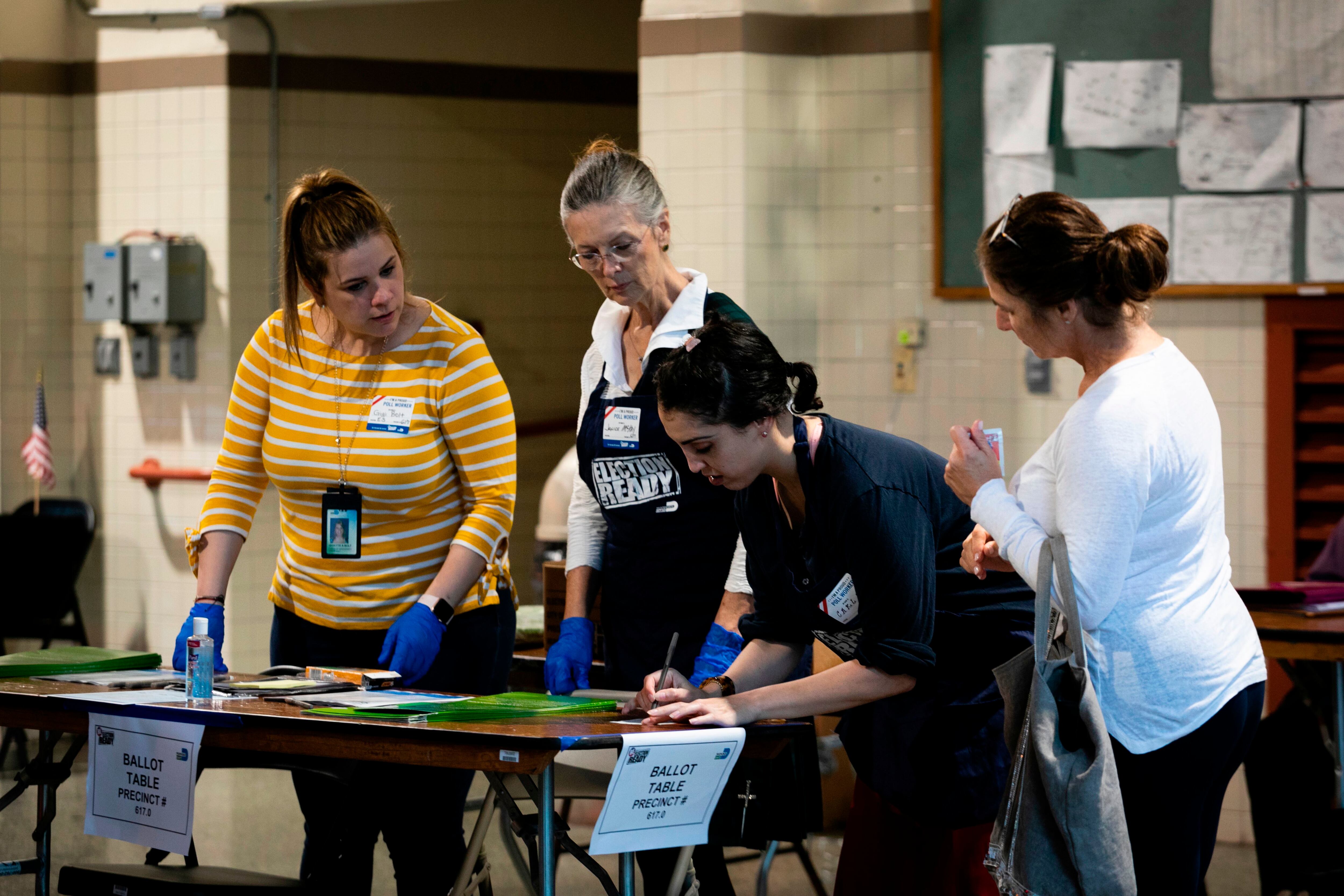
Some Florida polling places couldn't open as poll workers didn't arrive because of fears over the potentially deadly virus. The Palm Beach County elections department said many workers failed to show up in at least five locations. The county had 800 volunteers back out as of Monday, with just 100 new volunteers offering to take their place. (Photo by EVA MARIE UZCATEGUI/AFP via Getty Images)
Only three of the four scheduled primaries will take place today, and each of those states has confirmed multiple cases of the novel coronavirus.
Millions of voters in Arizona, Florida, and Illinois have already cast ballots for the 441 Democratic pledged delegates up for grabs in today and those who haven't are expected to head to the polls. Today's vote is the first held as in the nation since the coronavirus changed life in the U.S. There is concern about turnout, particularly after the Trump Administration yesterday advised avoiding groups of more than 10 people.
According to the Associated Press, the Palm Beach County elections department in Florida said workers were no shows in at least five polling sites after 800 volunteers had already backed out on Monday due to virus fears.
Ohio, originally scheduled to vote today, called off its primary late last night after the health director declared an emergency. A judge had denied a last-minute request to delay the primary, but Republican Gov. Mike DeWine later said the Health Department Director Amy Acton could "order the polls closed as a health emergency," which she inevitably did.
The 12 hours of back and forth in Ohio that led, finally, to a delay in voting, was so chaotic a local paper reminded voters that "Today is NOT really Election Day."
In Illinois, Gov. J.B. Pritzker told reporters the Illinois primary would move forward as planned with extra precautions in place to clean machines and offer hand sanitizers. Illinois had seen increased early voting numbers in Chicago and Cook County.
Government officials are imploring citizens to take advice from the Centers for Disease Control and Prevention seriously (which advised canceling events of more than 50 people) but also encouraging voters to head to the polls — safely.
Votes today are moving forward, but with a few changes. To encourage safe voting, polling sites in Florida, Illinois, and Arizona senior centers had been moved to separate at-risk elderly voters from the general population. Arizona recommended that voters cast mail ballots or drop off a vote-by-mail ballot at polling centers and Illinois will allow all nursing home residents in Chicago and Cook County to vote-by-mail.
Ohio is the fourth state to move its primary, joining Louisiana, Kentucky, and Georgia in postponing primaries.
Arizona is one of a few states believed to be competitive in the general election. Former Vice President Joe Biden and Vermont Senator Bernie Sanders had campaigned there before the coronavirus pandemic hit the U.S., and each candidate's response to the outbreak could potentially help voters see how they would respond to a crisis. Biden is ahead of Sanders in polling in all three states.
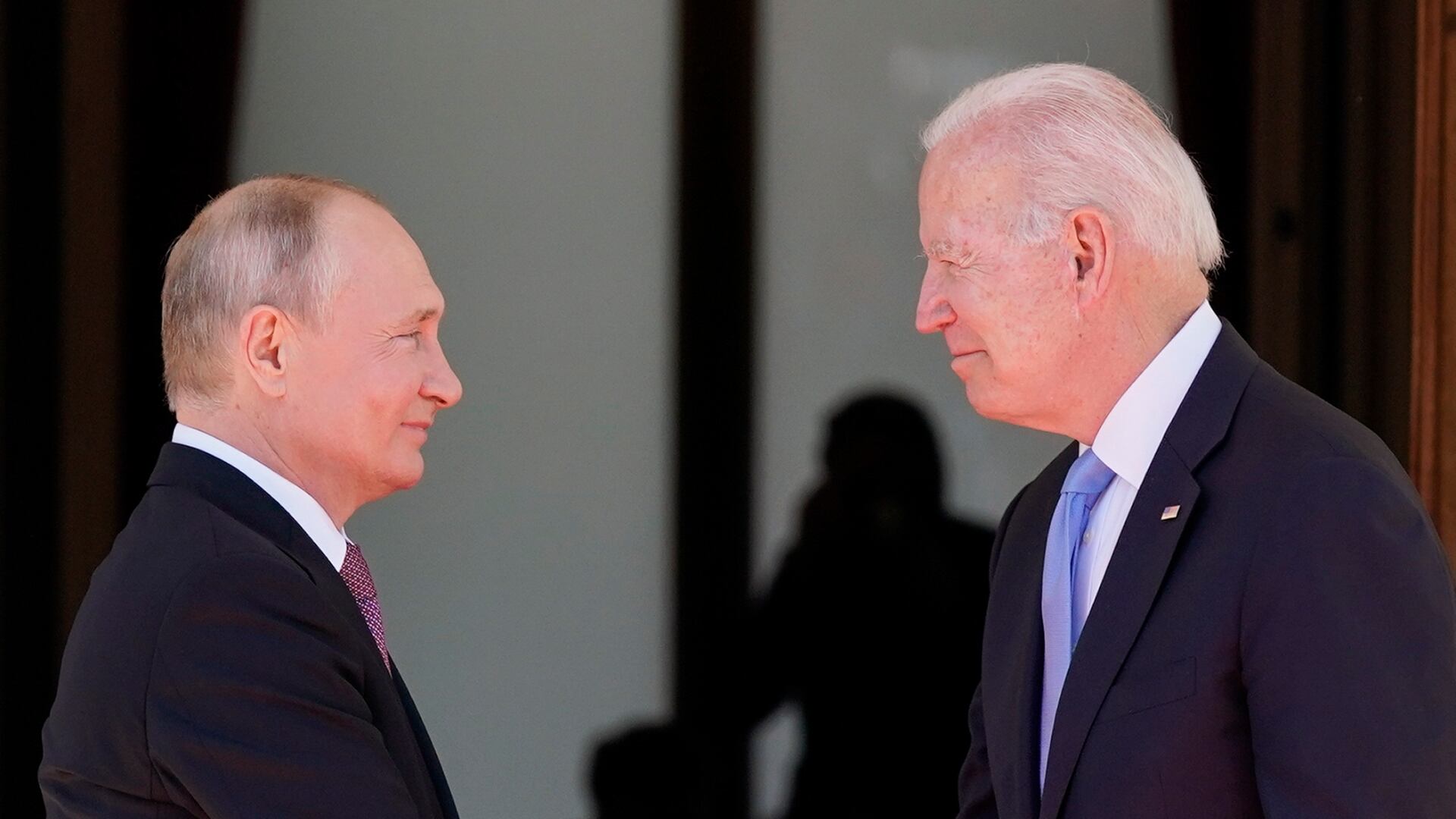
Face to face for just over two hours, President Joe Biden and Russia’s Vladimir Putin squared off in a secure video call Tuesday as the U.S. president put Moscow on notice that an invasion of Ukraine would bring enormous harm to the Russian economy.
Ahead of Instagram head Adam Mosseri's congressional hearing on the mental impact of the social platform on teens, the company announced a number of updates aimed at teen safety.
Troubled Chinese real estate giant Evergrande is once again nearing the brink of collapse. Shares of Evergrande sunk to a new record low on Monday, closing down 20 percent, as debt default fears resurfaced. Drew Bernstein, co-chairman at consultancy MarcumBP, joined Cheddar's Opening Bell to discuss. He said U.S. investors have to understand that "there is no company in China that's too big to fail, that's for sure," and that the Chinese government will be prioritizing the social welfare of the populace. Bernstein did note that it would be a managed collapse in some form.
Joan Greve, a politics reporter at The Guardian US, joined Wake Up With Cheddar to break down the implications of the Biden administration announcing a diplomatic boycott of the 2022 Beijing games in response to allegations of human rights abuses against Uyghur Muslims. She noted the significance of the move, assessing the already frayed relationship between the U.S. and China. "The Chinese have said that a boycott would be politically manipulative, and now they are actually threatening countermeasures," she said. "And that will certainly have an impact on the spirit of the games at the very least."
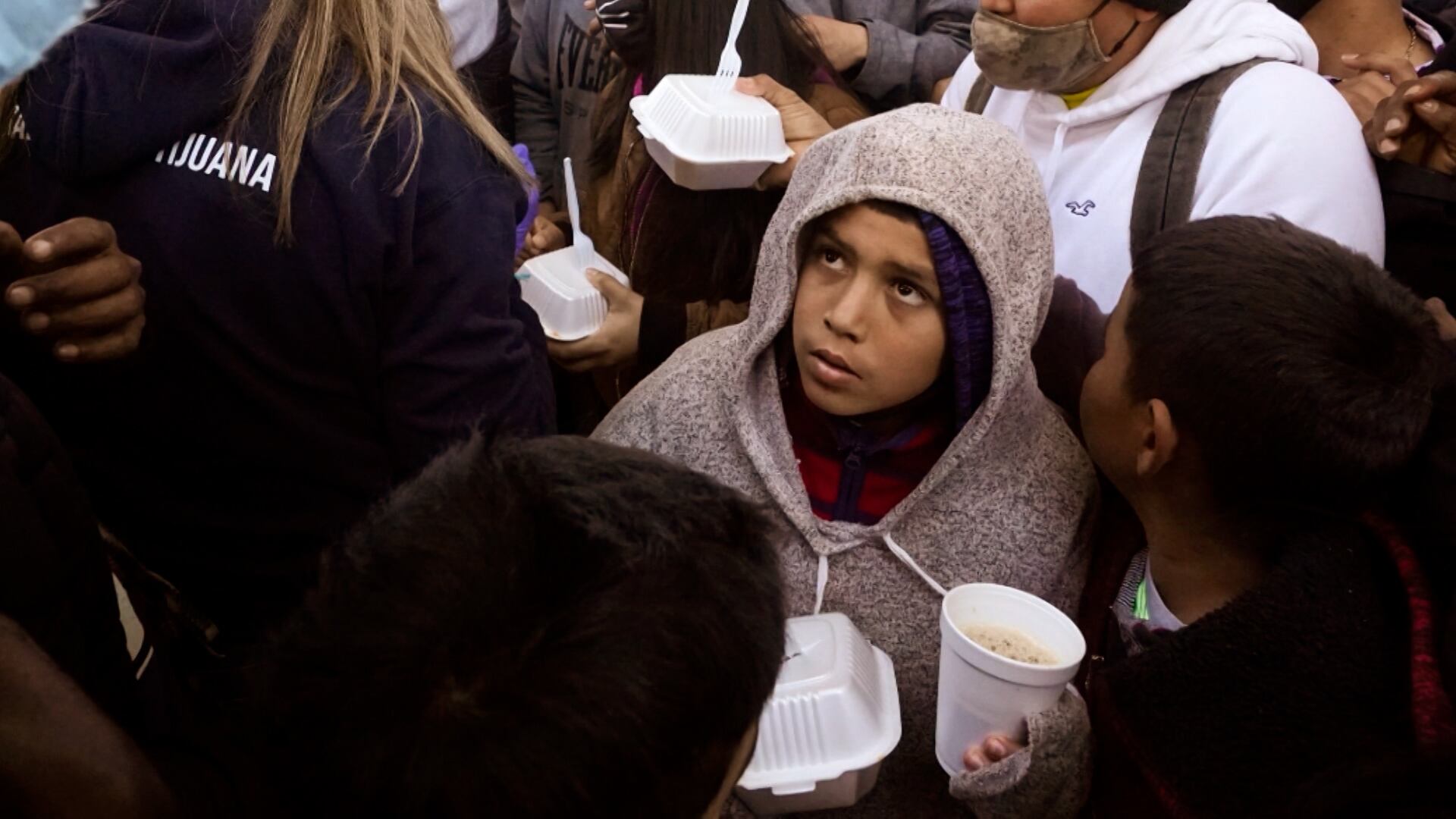
The Biden administration has reached an agreement with the Mexican government to resume the "Remain-in-Mexico" policy under court order. By reinstating a Trump-era border policy, asylum-seekers will be forced to stay in Mexico until their U.S. immigration court date. The program is set to resume on Monday. Ryan Devereaux, a reporter for The Intercept, joins Cheddar News to discuss.
The U.S. announced it will not send any official representation to the upcoming Beijing winter Olympics. Cheddar's Hena Doba speaks with East Asia expert Michael Swaine about the reasons behind the diplomatic move.
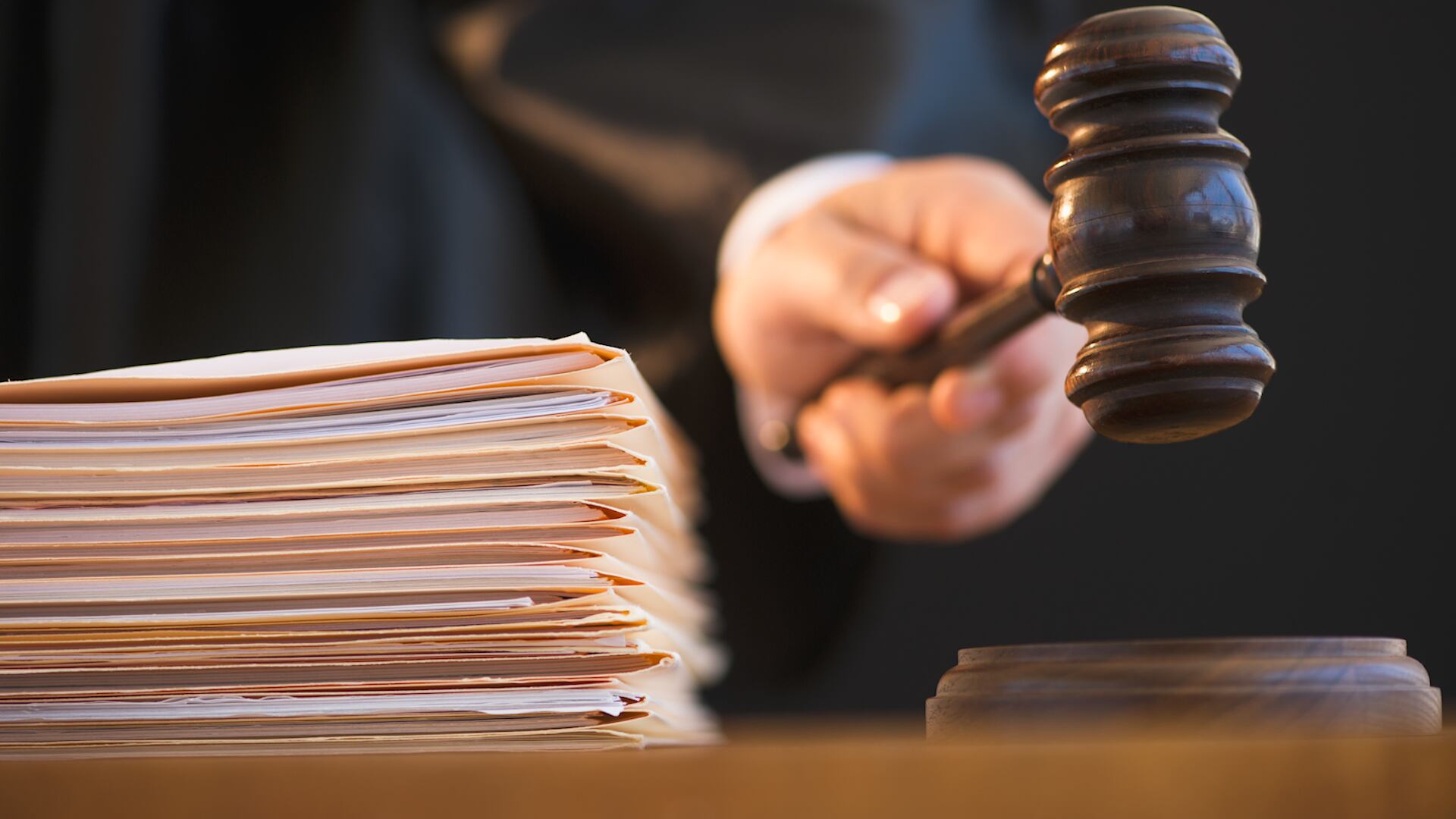
COVID-19 is still battering the nation's criminal justice system, causing a massive backlog in cases and delaying verdicts for months on end. This, combined with the fear of crowded prisons during a pandemic, has prompted many defendants to plead guilty in exchange for time served or probation. Tina Luongo, attorney-in-charge of the Criminal Defense Practice, joined Cheddar to discuss the court backlog, the rise in plea bargains, and why this was an issue long before the pandemic.
With so many high-profile court cases taking over the media, from the trial over the murder of Ahmaud Arbery to the trial of Kyle Rittenhouse to the ongoing Elizabeth Holmes trial, Cheddar took a look at these cases and why there is such a big interest in them. Rachel Fiset, a white collar criminal defense lawyer and partner with Zeiback, Fiset, and Coleman, and Bryan Hance, attorney-at-law, professor, and academic program director of the pre-law and paralegal studies program at National University, joined Cheddar for a roundtable discussion on why there is so much public interest in so-called courtroom drama.
Carlo and Baker discuss the sweeping new vaccine mandate in NYC that will target all private businesses. Plus, Trump's media venture gets its CEO and more.