Only three of the four scheduled primaries will take place today, and each of those states has confirmed multiple cases of the novel coronavirus.
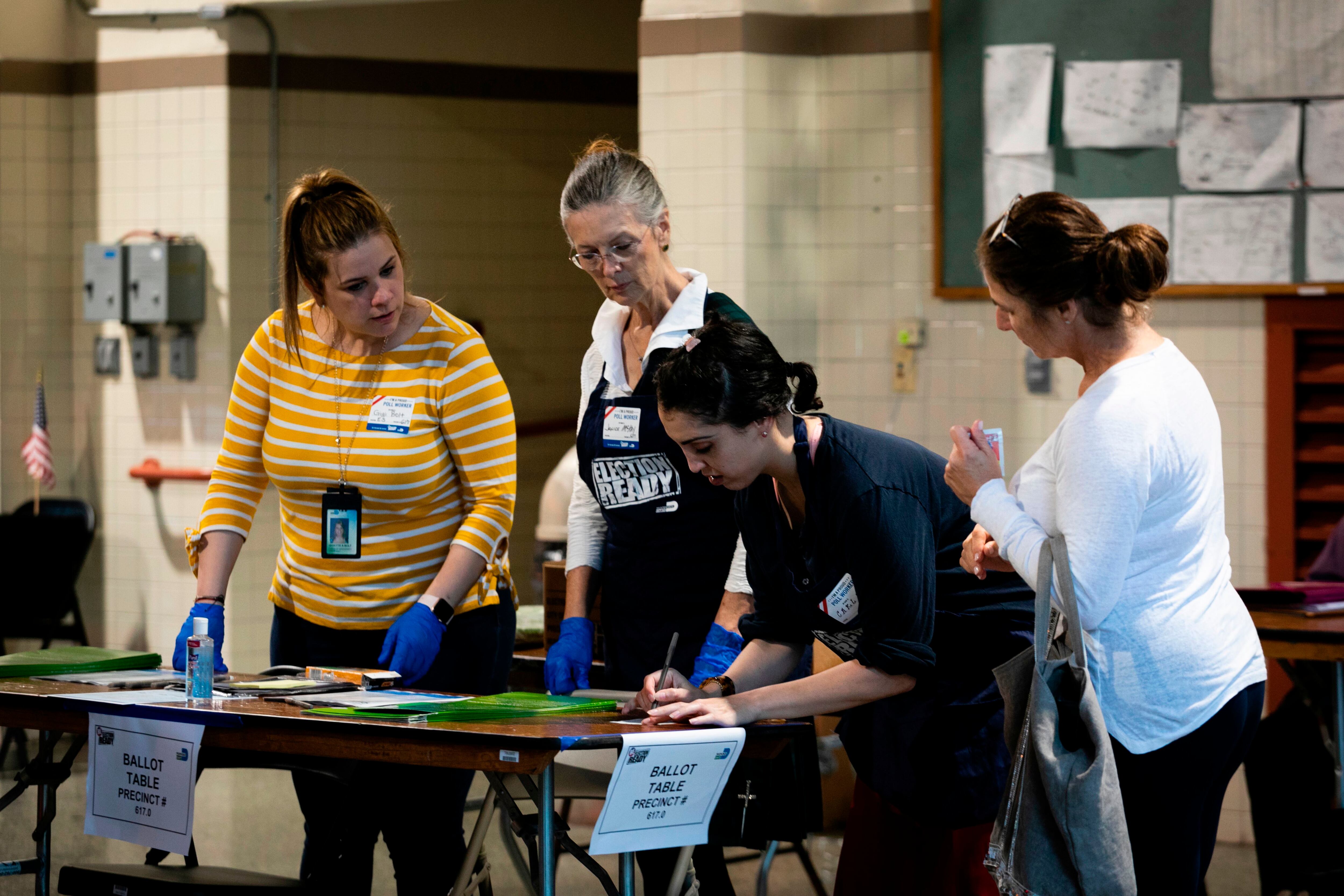
Millions of voters in Arizona, Florida, and Illinois have already cast ballots for the 441 Democratic pledged delegates up for grabs in today and those who haven't are expected to head to the polls. Today's vote is the first held as in the nation since the coronavirus changed life in the U.S. There is concern about turnout, particularly after the Trump Administration yesterday advised avoiding groups of more than 10 people.
According to the Associated Press, the Palm Beach County elections department in Florida said workers were no shows in at least five polling sites after 800 volunteers had already backed out on Monday due to virus fears.
Ohio, originally scheduled to vote today, called off its primary late last night after the health director declared an emergency. A judge had denied a last-minute request to delay the primary, but Republican Gov. Mike DeWine later said the Health Department Director Amy Acton could "order the polls closed as a health emergency," which she inevitably did.
The 12 hours of back and forth in Ohio that led, finally, to a delay in voting, was so chaotic a local paper reminded voters that "Today is NOT really Election Day."
In Illinois, Gov. J.B. Pritzker told reporters the Illinois primary would move forward as planned with extra precautions in place to clean machines and offer hand sanitizers. Illinois had seen increased early voting numbers in Chicago and Cook County.
Government officials are imploring citizens to take advice from the Centers for Disease Control and Prevention seriously (which advised canceling events of more than 50 people) but also encouraging voters to head to the polls — safely.
Votes today are moving forward, but with a few changes. To encourage safe voting, polling sites in Florida, Illinois, and Arizona senior centers had been moved to separate at-risk elderly voters from the general population. Arizona recommended that voters cast mail ballots or drop off a vote-by-mail ballot at polling centers and Illinois will allow all nursing home residents in Chicago and Cook County to vote-by-mail.
Ohio is the fourth state to move its primary, joining Louisiana, Kentucky, and Georgia in postponing primaries.
Arizona is one of a few states believed to be competitive in the general election. Former Vice President Joe Biden and Vermont Senator Bernie Sanders had campaigned there before the coronavirus pandemic hit the U.S., and each candidate's response to the outbreak could potentially help voters see how they would respond to a crisis. Biden is ahead of Sanders in polling in all three states.