The Week's Top Stories is a guided tour through the biggest market stories of the week, from winning stocks to brutal dips to the facts and forecasts generating buzz on Wall Street.
Stocks fell on Friday after a turbulent week on Wall Street amid continued fears that a series of banking collapses could lead to a wider financial crisis. The situation is rapidly developing, but here's a rundown of the biggest developments so far this week.
BANKER BAILOUT
On Thursday, 11 of the biggest U.S. banks announced they were teaming up to deliver a $30 billion rescue package to First Republic Bank, which is the latest bank to nearly collapse due to fleeing depositors. The bank served a similar clientele as Silicon Valley Bank, which went into receivership last weekend following a massive bank run. Many see the package as a vote of confidence for First Republic and the banking sector overall.
FED THROWS A LIFELINE
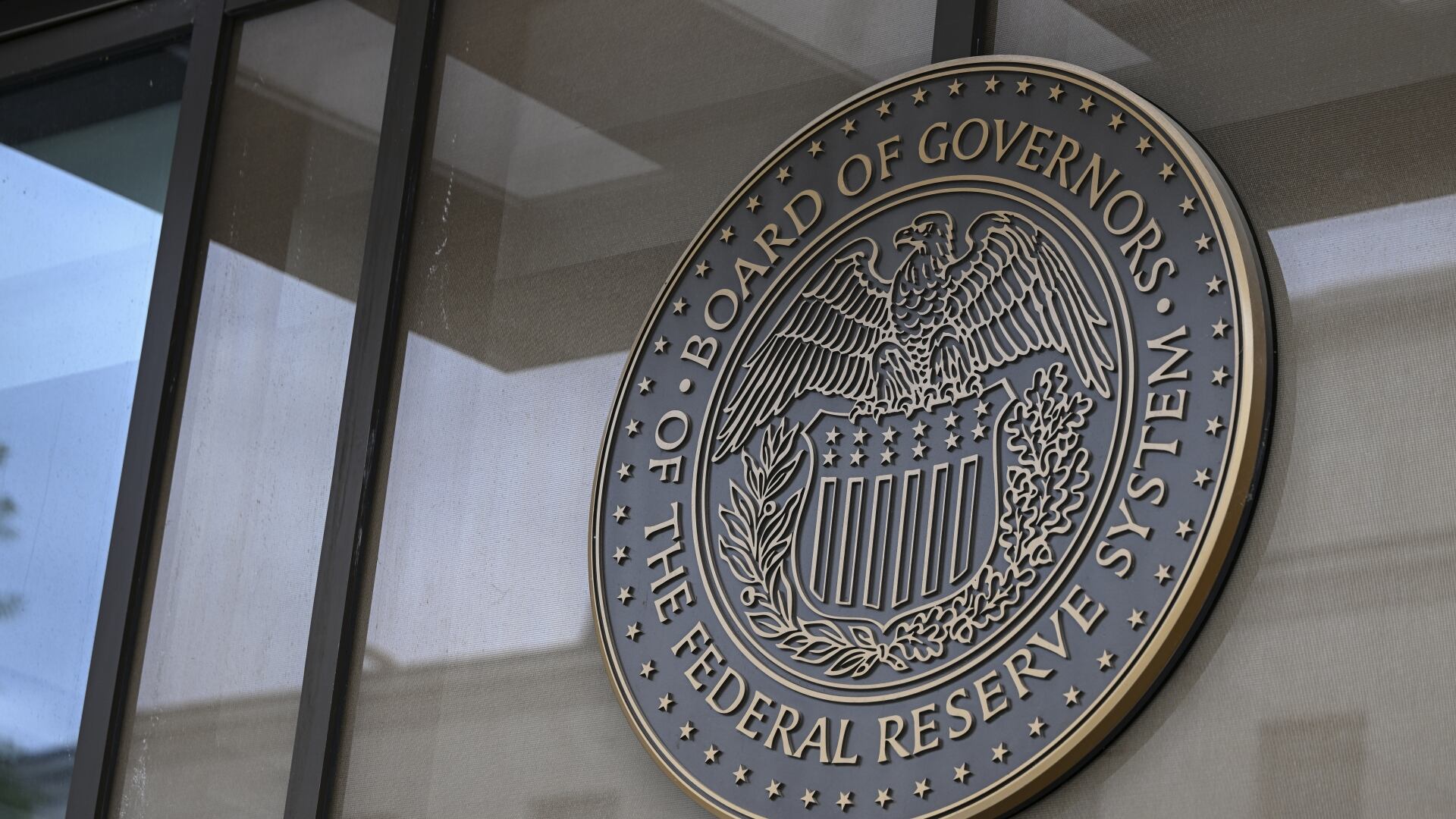
The Federal Reserve has loaned a total of $300 billion to struggling banks over the past week. About half of that chunk, $143 billion, went to the newly formed holding companies behind Silicon Valley Bank and Signature Bank, both of which saw bank runs. The Fed hasn't revealed where the other half went, leading to speculation about the extent of the crisis. The money went toward shoring up a bank's balance sheets.
CREDIT SUISSE TUMBLES
Swiss bank Credit Suisse on Wednesday saw its shares plunge more than 30 percent after the Saudi National Bank, its biggest shareholder, said it would no longer provide funding. The news sowed fear that the U.S. banking crisis was going global. However, the troubles at Credit Suisse started long before the collapse of Silicon Valley Bank. Depositors have been pulling out of the bank since last year, when the bank admitted that it had misjudged its financial risks.
INFLATION SLOWS
Meanwhile, inflation continues to slow. The consumer price index jumped 0.4 percent month-over-month in February, which is down from 0.5 percent in January, while the annual inflation is up 6 percent, down from 6.4 percent. The trend is notable development considering many of the issues afflicting the banking sector originate, in part, from the Fed's quest to tamp down prices with higher rates.