From Wall Street to Silicon Valley, these are the top stories that moved markets and had investors, business leaders, and entrepreneurs talking this week on Cheddar.

HONG KONG RATTLES MARKETS

Stocks ended the week lower, snapping a record-setting run in an abbreviated week of thin trading. Better-than-expected economic data, from durable goods orders to weekly jobless claims to GDP revisions, all helped fuel the pre-Thanksgiving gains. Those data points were replaced, post-holiday, by fresh trade concerns, which deepened after President Trump signed a bill Wednesday in support of pro-democracy protesters in Hong Kong. That legislation, which among things authorized sanctions on Chinese officials involved in human rights abuses in Hong Kong, infuriated Beijing. The Chinese government said the bill "seriously interfered with Hong Kong affairs, seriously interfered with China’s internal affairs, and seriously violated international law and basic norms of international relations.” It remains unclear whether the bill, largely symbolic, will interfere with the trade negotiations between the world's two biggest economies. Despite the jitters, the S&P 500 finished its best month since June.

TRILLION-DOLLAR HOLIDAY?

Retailers are hoping for a huge Black Friday/Cyber Monday showing, but for many the shopping extravaganza began earlier than ever. This was the first Thanksgiving ever to surpass $4 billion in online sales, with nearly half coming from mobile devices, according to data from Adobe Analytics. Total online sales are projected to reach $144 billion for the full season. Despite economic concerns related to the ongoing trade war, unemployment is near record lows, consumer confidence is high, and people are opening their wallets. The analytics firm eMarketer is estimating this could be the first-ever $1 trillion holiday shopping season when all is said and done.

BUZZKILL

A bad year for cannabis stocks got worse, with the FDA's release of its first-ever warning about the health risks of the hugely popular CBD cannabis component. CBD was taken off a list of banned substances last year and has grown to become a pillar of the fledgling U.S. cannabis industry, with claims that it can help anxiety, inflammation and insomnia, without the psychotropic effects of THC. But federal regulators pumped the brakes on those claims, saying CBD has the potential to cause liver damage, changes in mood and gastrointestinal problems. Investors are worried the report could signal the FDA plans a crackdown on the CBD market, and the report sent shares of publicly-traded cannabis firms like Tilray, Aurora and Cronos lower. Some of those stocks recovered later in the week on expectations that they will see a boost from increased holiday spending.

MERGER MANIA

Two huge, industry-shaking mergers were announced at the start of the shortened week. The country’s two largest discount brokerages made it official, with, Charles Schwab shelling out $26 billion in an all-stock deal to acquire TD Ameritrade. The retail brokerage industry has been shaken up, with upstarts like Robinhood taking market share from established firms, leading Schwab, Ameritrade and others to cut, or do away entirely, with commission-based trades. Meanwhile, in retail, LVMH, the European luxury giant behind fashion brands like Louis Vuitton and Fendi, is buying Tiffany in a $16 billion acquisition. The iconic jeweler has been suffering from weak sales in the U.S. and is betting on an expansion in China to fuel growth. LVMH is credited with becoming one of the most valuable companies in Europe due, in large part, to the success of its brands in the Chinese market.

SLOW GOING FOR BOEING

The chances of the 737 Max getting the stamp of approval from the FAA before the end of the year is getting smaller by the day. The smart money is now betting that it will be January, at the earliest, before the Max is re-certified to fly. Regulators are reportedly planning to inspect every single new 737 Max and, even then, it would take several more weeks for airlines to get their Max fleets back into service. Adding to the concerns for Boeing: Congress is said to be planning another hearing for December in which FAA officials would testify about the safety procedures involved in certifying the Max before the two crashes that killed nearly 350 people. Boeing, ending a year in the midst of its biggest corporate crisis ever, has seen its shares lose 15 percent of their value since March, when the second crash led to the worldwide grounding of the Max jet.
Share:
More In Business
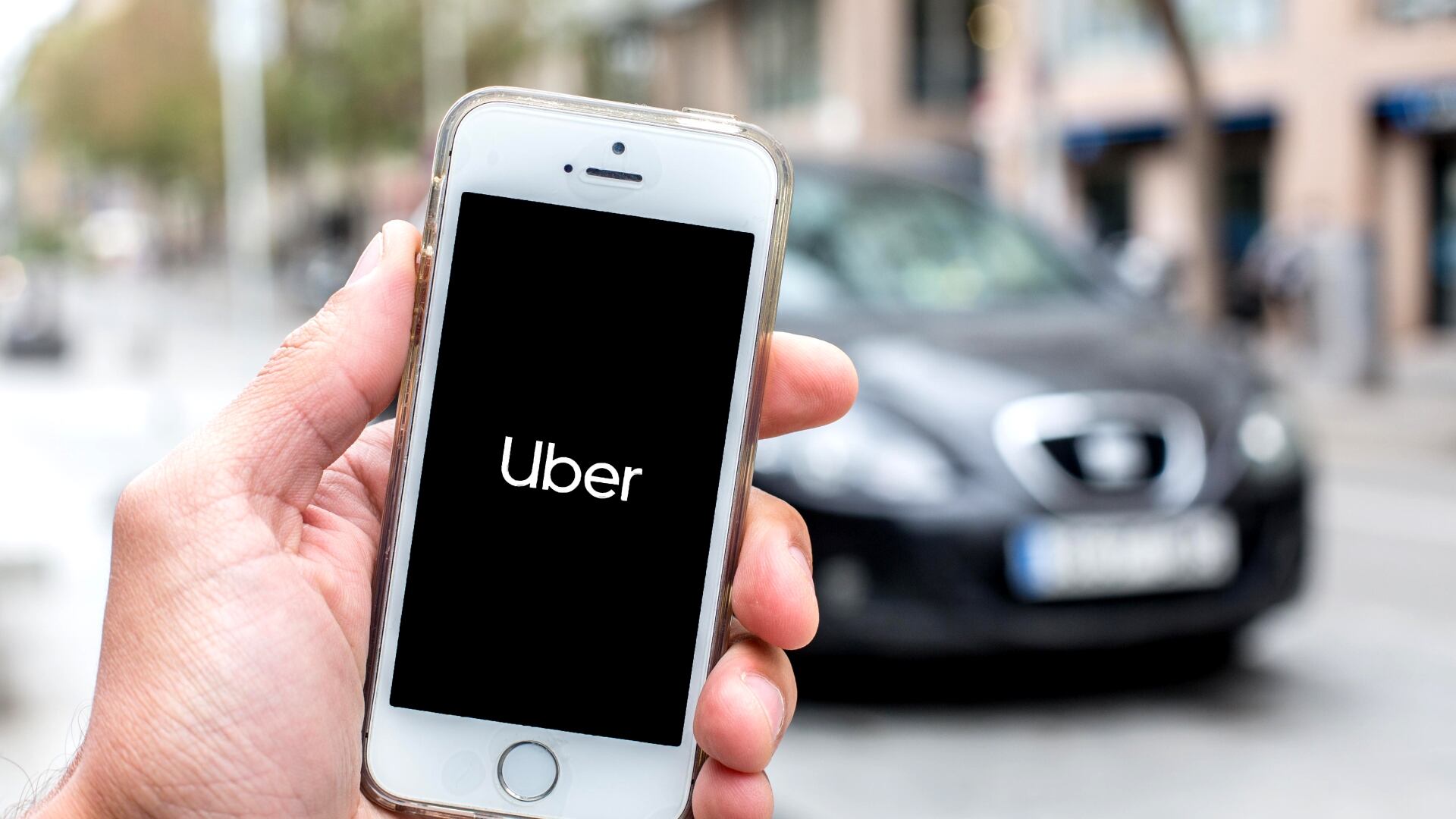
Examining the State of the Ride-Share Industry After Earnings From Uber and Lyft
The two biggest names in the ride-sharing industry reported earnings this week. Uber and Lyft both beat Wall Street expectations on their top and bottom lines, as the companies and the ride-sharing industry have recently faced several challenges like the pandemic, the supply chain crisis, and driver shortages. Johnson Research Group CEO Chris Johnson joined Cheddar News' Closing Bell to discuss.
Mythical Games Raises $150 Million to Launch Playable NFT Game Platform
Gaming technology studio Mythical Games recently raised $150 million in a round led by Andreesen Horowitz, bringing Mythical's valuation to above unicorn status at $1.2 billion. Mythical Games' mission is to create a new generation of gaming with play-to-earn games that allow players to play to win actual cryptocurrency. Now the company is taking it to another level with NFT technology, allowing players to play with characters they can truly own. Mythical Games CEO John Linden joined Cheddar News' Closing Bell to discuss.
Musk Asks Twitter Followers if He Should Sell Stock, Shares Slump
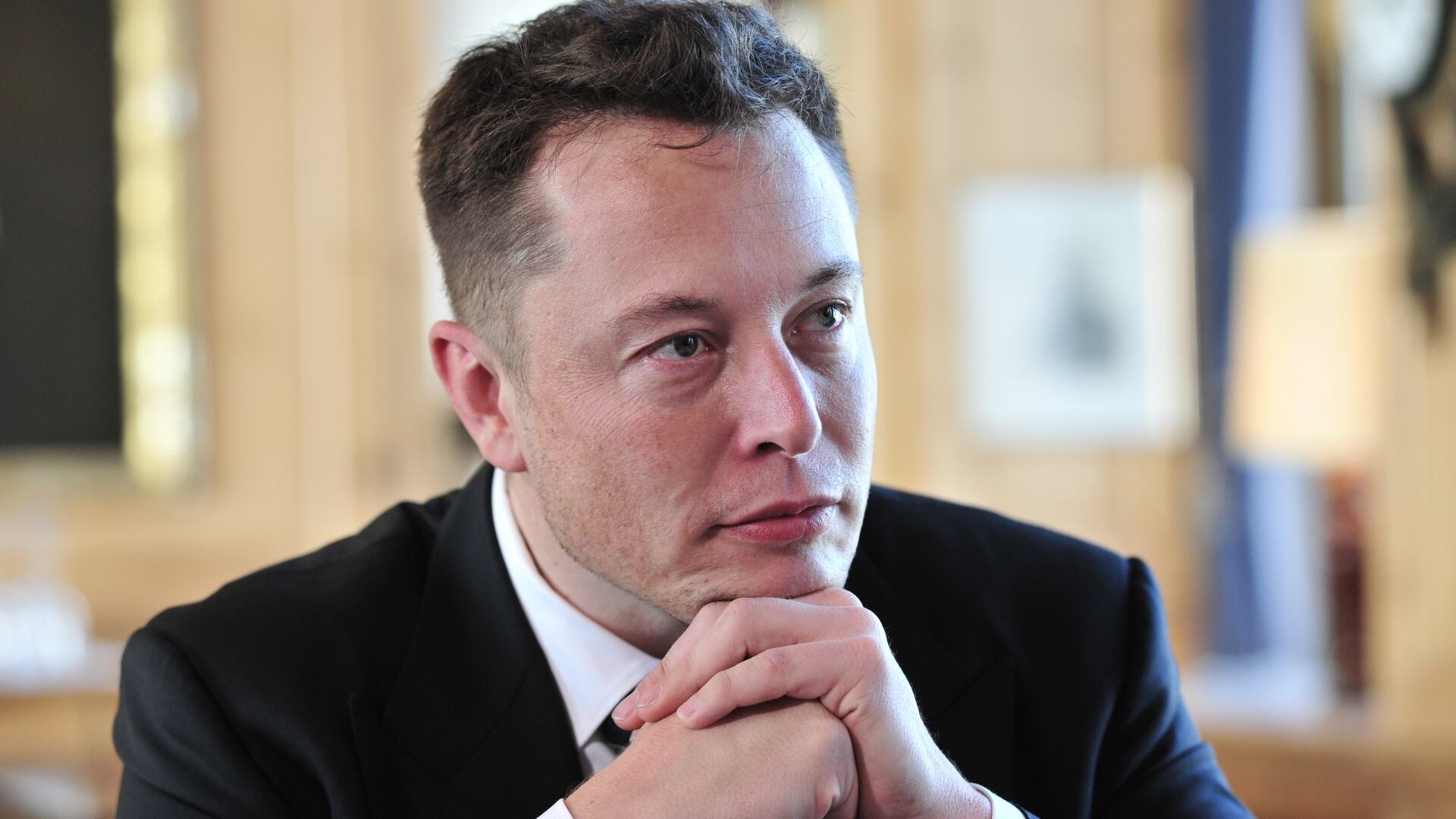
Tesla CEO Elon Musk posed a question to his Twitter followers over the weekend: 'Should I sell 10% of my Tesla shares in order to pay off a looming $15 billion tax bill?' Shares plummeted after he posed the question, and just over half of 3.5 million Twitter voters said Musk should sell a fraction of his shares. Dan Ives, Managing Director of Equity Research at Wedbush Securities, joins Cheddar News' Closing Bell to discuss whether or not Musk's Twitter poll was significant amid his looming tax bill, and how investors are feeling after yet another controversial tweet from the Tesla chief.
Lime Scooter CEO Talks Going Public, Fleet Revamp Following $523 Million Fundraise
E-scooter company Lime is gearing up to launch an IPO after raising $523 million in debt financing. CEO Wayne Ting joined Cheddar to talk about the decision behind the future public offering citing the fundraise as a sign of investor confidence, despite a massive drop-off in ridership amid the pandemic. He noted that some of the funds will not only be used to pay down debts but to also upgrade the company's fleet of e-bikes and scooters. "We're going to be investing $20 million of this funding towards our mission to get to net-zero on carbon by 2030," he said.
Grocery Delivery Startup MilkRun CEO on Expanding Amid Food Supply Chain Issues
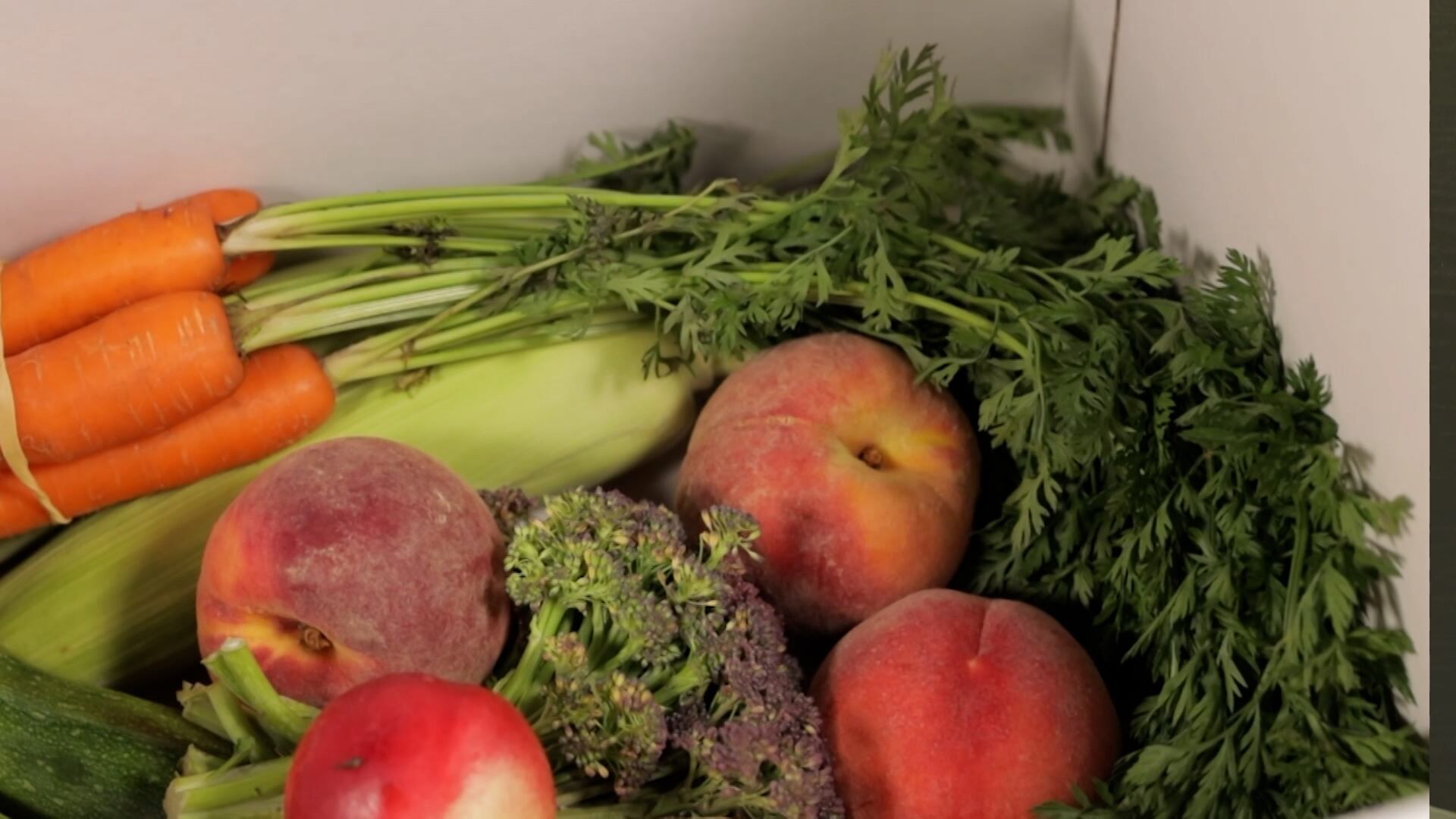
Weekly grocery delivery startup MilkRun raised $6 million in Series A funding on Friday, and Julia Niiro, CEO and founder, joined Cheddar to discuss what distinguishes MilkRun's grocery delivery model from the competition, explaining the service connects customers with local farmers being able to provide items not found in the typical stores. Niiro also talked about the impact that supply chain bottlenecks have had on the business. "This was a moment when people needed local food production," she said of MilkRun seizing the opportunity to expand to other markets amid the global food distribution issues.
Hospitality Sector Sees Occupancy Rebound as International Travelers Come Back
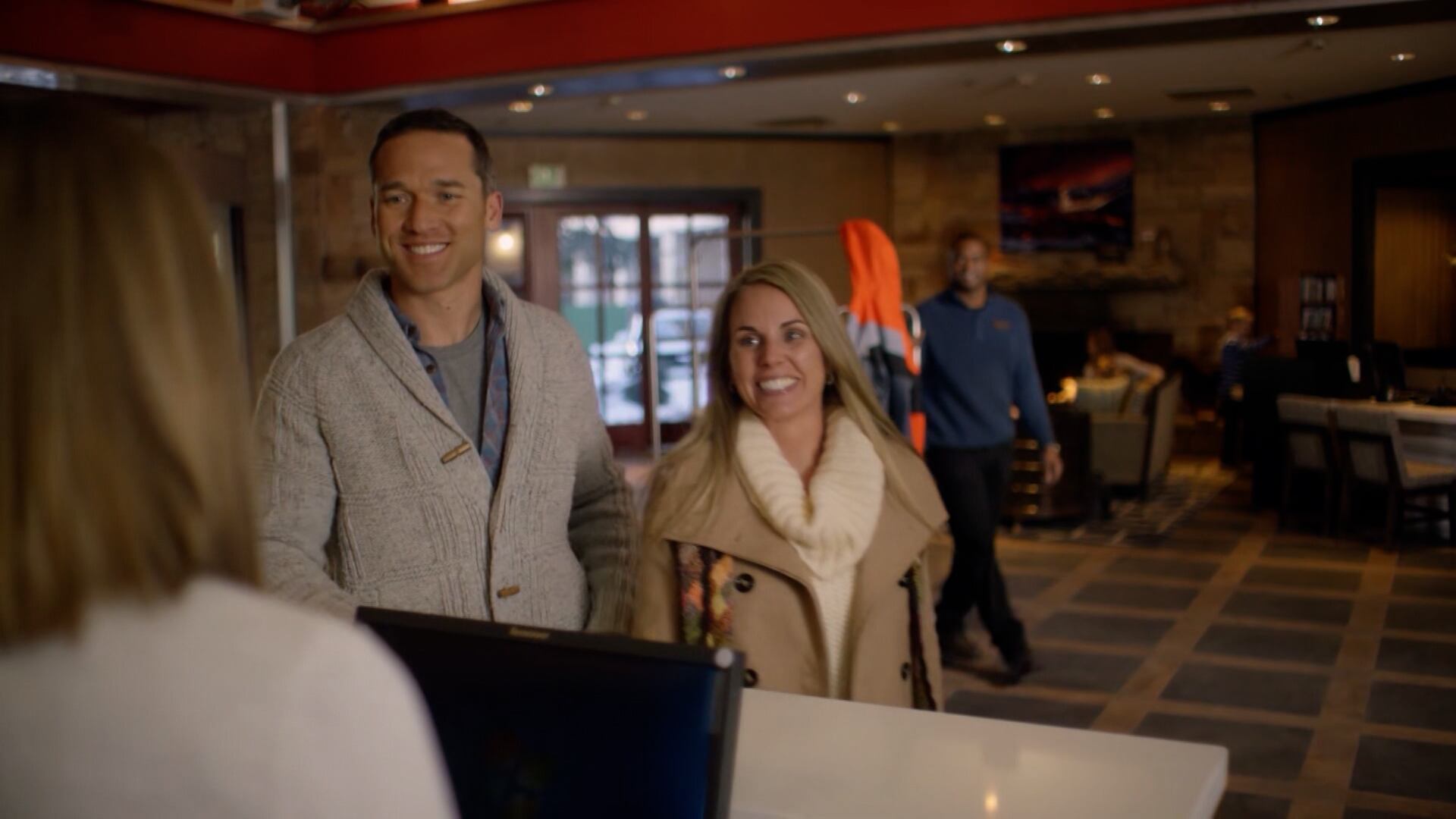
With vaccinated international travelers being admitted into the United States, the service and hospitality industry could experience a boom. John Geller, president of Marriott Vacations Worldwide, joined Cheddar to talk about the gradual increase in stays at Marriott properties and noted that occupancy has reached near pre-pandemic levels. Regarding the holiday season, he said, "people love to travel, so I wouldn't be surprised if, in most of our resorts, we're not pushing close to a high 90 percent occupancy."
Wedding Industry Bogged Down by Supply Chain Issues After Year of Postponed Ceremonies
The pandemic caused chaos in the wedding industry after ceremonies were postponed last year. But now couples face a new problem as they look toward their big day: supply chain issues. Tim Chi, CEO at The Knot, joined Cheddar to provide some additional details about the supply constraints affecting everything from venues to flowers. Chi also talked about The Knot celebrating its 25th anniversary and how the business has transformed over the years.
Elon Musk Asks Twitter: Should I Sell Tesla Stock?
Elon Musk asked Twitter if he should sell about $20 billion worth of his Tesla stock and about 58 percent of those who answered said yes. The Tesla CEO pledged to abide by the results of the poll, whichever way it went. Arun Sundararajan, NYU Stern professor & author of "The Sharing Economy: The End of Employment and the Rise of Crowd-Based Capitalism," joined Cheddar to discuss what the Twitter poll says about America's attitude towards billionaires and the nation's tax system.
Load More