From Wall Street to Silicon Valley, these are the top stories that moved markets and had investors, business leaders, and entrepreneurs talking this week on Cheddar.
HONG KONG RATTLES MARKETS
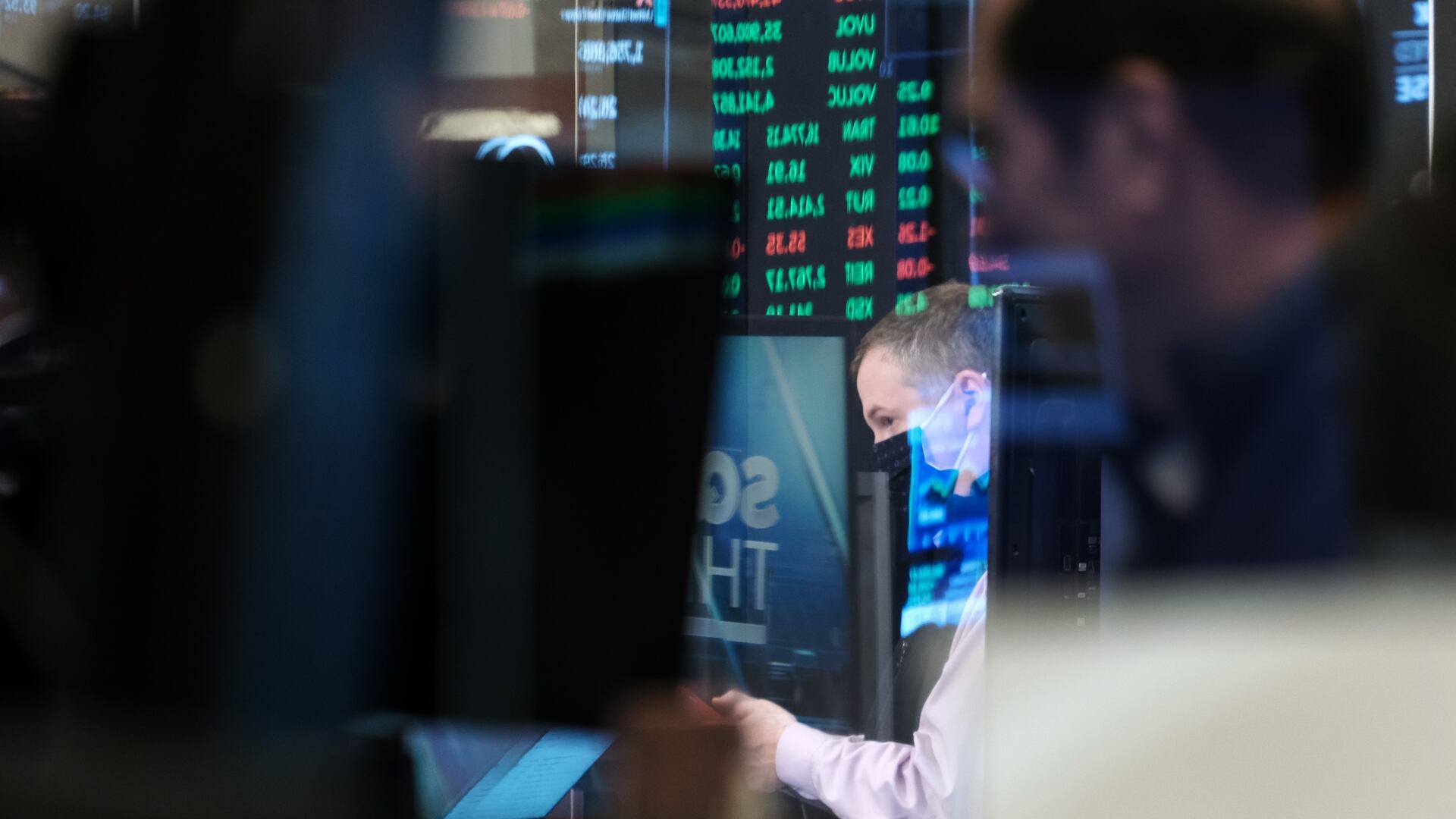
Stocks ended the week lower, snapping a record-setting run in an abbreviated week of thin trading. Better-than-expected economic data, from durable goods orders to weekly jobless claims to GDP revisions, all helped fuel the pre-Thanksgiving gains. Those data points were replaced, post-holiday, by fresh trade concerns, which deepened after President Trump signed a bill Wednesday in support of pro-democracy protesters in Hong Kong. That legislation, which among things authorized sanctions on Chinese officials involved in human rights abuses in Hong Kong, infuriated Beijing. The Chinese government said the bill "seriously interfered with Hong Kong affairs, seriously interfered with China’s internal affairs, and seriously violated international law and basic norms of international relations.” It remains unclear whether the bill, largely symbolic, will interfere with the trade negotiations between the world's two biggest economies. Despite the jitters, the S&P 500 finished its best month since June.
TRILLION-DOLLAR HOLIDAY?
Retailers are hoping for a huge Black Friday/Cyber Monday showing, but for many the shopping extravaganza began earlier than ever. This was the first Thanksgiving ever to surpass $4 billion in online sales, with nearly half coming from mobile devices, according to data from Adobe Analytics. Total online sales are projected to reach $144 billion for the full season. Despite economic concerns related to the ongoing trade war, unemployment is near record lows, consumer confidence is high, and people are opening their wallets. The analytics firm eMarketer is estimating this could be the first-ever $1 trillion holiday shopping season when all is said and done.
BUZZKILL
A bad year for cannabis stocks got worse, with the FDA's release of its first-ever warning about the health risks of the hugely popular CBD cannabis component. CBD was taken off a list of banned substances last year and has grown to become a pillar of the fledgling U.S. cannabis industry, with claims that it can help anxiety, inflammation and insomnia, without the psychotropic effects of THC. But federal regulators pumped the brakes on those claims, saying CBD has the potential to cause liver damage, changes in mood and gastrointestinal problems. Investors are worried the report could signal the FDA plans a crackdown on the CBD market, and the report sent shares of publicly-traded cannabis firms like Tilray, Aurora and Cronos lower. Some of those stocks recovered later in the week on expectations that they will see a boost from increased holiday spending.
MERGER MANIA
Two huge, industry-shaking mergers were announced at the start of the shortened week. The country’s two largest discount brokerages made it official, with, Charles Schwab shelling out $26 billion in an all-stock deal to acquire TD Ameritrade. The retail brokerage industry has been shaken up, with upstarts like Robinhood taking market share from established firms, leading Schwab, Ameritrade and others to cut, or do away entirely, with commission-based trades. Meanwhile, in retail, LVMH, the European luxury giant behind fashion brands like Louis Vuitton and Fendi, is buying Tiffany in a $16 billion acquisition. The iconic jeweler has been suffering from weak sales in the U.S. and is betting on an expansion in China to fuel growth. LVMH is credited with becoming one of the most valuable companies in Europe due, in large part, to the success of its brands in the Chinese market.
SLOW GOING FOR BOEING
The chances of the 737 Max getting the stamp of approval from the FAA before the end of the year is getting smaller by the day. The smart money is now betting that it will be January, at the earliest, before the Max is re-certified to fly. Regulators are reportedly planning to inspect every single new 737 Max and, even then, it would take several more weeks for airlines to get their Max fleets back into service. Adding to the concerns for Boeing: Congress is said to be planning another hearing for December in which FAA officials would testify about the safety procedures involved in certifying the Max before the two crashes that killed nearly 350 people. Boeing, ending a year in the midst of its biggest corporate crisis ever, has seen its shares lose 15 percent of their value since March, when the second crash led to the worldwide grounding of the Max jet.